Understanding Z Pack for Sinus Infection: A Complete Patient Guide

Most sinus infections are viral, so antibiotics such as a z pack are often not needed. Azithromycin is generally not a first-line treatment for routine acute bacterial sinus infection because of antibiotic resistance concerns.
Key Takeaways
- Most sinus infections are viral, so antibiotics such as a z pack are often not needed.
- Azithromycin is generally not a first-line treatment for routine acute bacterial sinus infection because of antibiotic resistance concerns.
- A clinician considers symptoms, duration, severity, allergies, and medical history before deciding on treatment.
- Supportive care such as saline rinses, fluids, rest, and pain relief can help many people recover.
- Urgent medical review is important for severe facial swelling, high fever, worsening symptoms, vision changes, or breathing difficulty.
A z pack for sinus infection may be prescribed in selected situations, but it is not usually the first-choice antibiotic for most sinus infections. Many cases are viral and improve with supportive care, while bacterial cases may need a clinician to confirm whether antibiotics are appropriate.
Overview: Is a Z Pack Good for a Sinus Infection?
A z pack for sinus infection refers to azithromycin, an antibiotic in the macrolide family. It can help only when a sinus infection is caused by susceptible bacteria, but many sinus infections are caused by viruses, so an antibiotic would not shorten the illness. For this reason, azithromycin is not usually the first-choice treatment for routine acute bacterial sinusitis.
Clinicians often avoid using a z pack as the default option because some common bacteria that cause sinus infections have become less responsive to it. Instead, treatment decisions are based on symptom pattern, how long symptoms have lasted, severity, allergy history, recent antibiotic use, pregnancy status, and other health conditions. In many mild cases, watchful waiting and symptom relief are appropriate.
People often use the term “sinus infection” for pressure, congestion, facial pain, or thick nasal discharge. These symptoms can occur with viral upper respiratory infections, allergies, or inflammation of the sinuses, also called sinusitis. A proper assessment helps determine whether an antibiotic is likely to help.
How Sinus Infections Develop
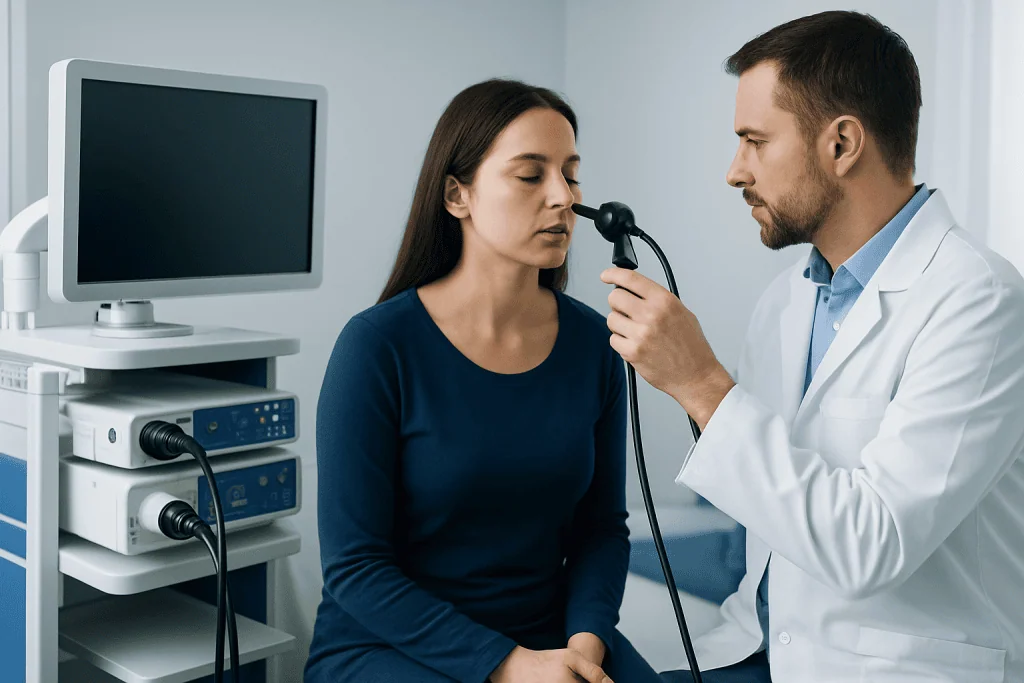
The sinuses are air-filled spaces around the nose, cheeks, eyes, and forehead. When their lining becomes inflamed, mucus does not drain normally. This can lead to pressure, pain, congestion, and a feeling of fullness in the face.
Most acute sinus infections begin after a common cold. Viral infection causes swelling inside the nose and sinuses, which traps mucus. In some cases, bacteria may then grow in the blocked sinuses, leading to acute bacterial sinusitis.
Not every blocked or painful sinus means a bacterial infection. Allergies, nasal polyps, a deviated septum, smoke exposure, or other forms of nasal inflammation can produce similar symptoms. This is one reason clinicians do not rely on one symptom alone when deciding whether a z pack for sinus infection or another treatment is needed.
Symptoms: Viral vs. Bacterial Sinus Infection

Common sinus infection symptoms include nasal congestion, thick nasal discharge, postnasal drip, facial pressure, headache, reduced sense of smell, cough, fatigue, and sometimes tooth discomfort or bad breath. Fever can occur, but many people with sinus infections do not have a high fever.
Viral sinus symptoms often improve within about 7 to 10 days. A bacterial infection becomes more likely when symptoms last beyond 10 days without improvement, become severe early on, or worsen again after beginning to improve. This “double worsening” pattern can be an important clue.
Symptoms that can suggest a more significant infection include:
- Facial pain or pressure that is moderate to severe
- Persistent thick yellow or green nasal discharge
- Fever with worsening sinus symptoms
- Symptoms lasting more than 10 days
- Symptoms that improve and then return more strongly
Even so, color of mucus alone cannot confirm whether the infection is bacterial. A healthcare professional looks at the whole symptom pattern rather than one sign in isolation.
When a Z Pack May Be Prescribed
Azithromycin may be considered in selected situations, but it is generally not the standard first-line antibiotic for uncomplicated acute bacterial sinusitis. One reason is bacterial resistance. If common bacteria are less likely to respond, the medicine may be less effective than alternatives.
A clinician may still consider azithromycin in special cases, such as when a person has certain antibiotic allergies or when another diagnosis is also being considered. However, the choice depends on local resistance patterns, medication interactions, previous antibiotic exposure, heart rhythm history, liver health, and the possibility of side effects.
Azithromycin is typically valued for its short course and convenient dosing, which is why many people ask about a z pack for sinus infection. But convenience alone does not make it the best option. The most suitable antibiotic is the one most likely to work safely for the individual patient.
People should not start leftover antibiotics or take someone else’s prescription. Using the wrong antibiotic, or using one when the illness is viral, can cause side effects and contribute to antibiotic resistance without improving symptoms.
Diagnosis and How Doctors Choose Treatment
Sinus infections are usually diagnosed clinically, meaning the diagnosis is based on medical history and physical examination rather than routine scans or cultures. A clinician asks about symptom duration, fever, facial pain, dental symptoms, allergy history, prior sinus problems, and whether symptoms are getting better or worse.
Imaging is not usually needed for a straightforward short-term sinus infection. However, it may be considered when symptoms are recurrent, unusually severe, not improving as expected, or if complications are suspected. Sometimes an ear, nose, and throat specialist may evaluate ongoing problems, especially if structural blockage or chronic inflammation is possible.
Treatment can include watchful waiting, symptom relief, or antibiotics for likely bacterial infection. Common non-antibiotic options may include saline irrigation, steam or humidified air, fluids, rest, and pain relief. Some patients may also benefit from clinician-guided use of nasal sprays depending on the cause and symptom pattern.
If symptoms are persistent, recurrent, or related to nasal blockage, clinicians may look for contributing conditions such as allergies, polyps, or chronic deviated septum. In selected cases, advanced evaluation and ENT assessment can help clarify the diagnosis and treatment plan.
Benefits, Risks, and Side Effects of Azithromycin
When azithromycin is used appropriately for a susceptible bacterial infection, it may help reduce symptoms and prevent the infection from lasting longer than necessary. Still, it is important to understand that antibiotics do not treat viral illness and will not relieve congestion immediately. Symptom improvement, when it occurs, usually happens over time rather than within hours.
Possible side effects of azithromycin can include nausea, stomach upset, diarrhea, and abdominal discomfort. Like other antibiotics, it can also alter normal bacteria in the body. Rare but important risks include allergic reactions and effects on heart rhythm in susceptible individuals.
Because azithromycin can interact with other medicines and may not be suitable for everyone, patients should tell their doctor about all medications, supplements, allergies, liver problems, and any history of heart rhythm disorders. This helps reduce avoidable risks and supports safer prescribing.
If a person develops rash, severe diarrhea, fainting, palpitations, trouble breathing, or significant worsening of symptoms after starting an antibiotic, they should seek medical advice promptly. A change in treatment may be needed.
Self-Care and Recovery at Home
Many people with sinus symptoms feel better with supportive care alone. Gentle saline nasal rinses can help thin mucus and improve drainage. Drinking fluids, resting, and using simple measures to ease discomfort can also support recovery.
Reducing exposure to cigarette smoke and other irritants may lessen inflammation. Managing allergies can also be important for people whose sinus symptoms are triggered or prolonged by allergic swelling in the nose. In some cases, doctors may recommend other treatments to address underlying causes rather than repeated antibiotic use.
Helpful self-care steps may include:
- Using sterile or properly prepared saline for nasal irrigation
- Resting and staying well hydrated
- Using a humidifier if indoor air is dry
- Applying warm compresses over the face for comfort
- Following a doctor’s advice about symptom-relief medicines
People with frequent or chronic sinus symptoms may need a more complete evaluation. Depending on the findings, treatment may involve allergy management, medical therapy, or in selected cases endoscopic sinus surgery to improve sinus drainage. If another structural issue is contributing, procedures such as septoplasty may sometimes be discussed.
When to Seek Medical Care
Medical advice is appropriate if sinus symptoms last longer than 10 days without improvement, become severe, or worsen again after initially getting better. A clinician can help determine whether the illness is likely viral, bacterial, allergic, or related to another nasal problem.
Prompt medical attention is especially important for high fever, swelling around the eyes, severe headache, confusion, vision changes, neck stiffness, dehydration, breathing difficulty, or intense facial pain. These symptoms do not always mean a serious complication, but they deserve timely assessment.
Children, pregnant patients, older adults, and people with weakened immune systems or significant chronic illness should have a lower threshold for professional evaluation. Recurrent infections also deserve review, since repeated antibiotic use without identifying the cause may not solve the underlying problem.
For international patients who need evaluation for persistent sinus problems, Acibadem International’s multidisciplinary specialists and JCI-accredited hospitals provide diagnosis and treatment tailored to the individual clinical picture.
Frequently asked questions
Does a z pack work for a sinus infection?
A z pack can work for some bacterial sinus infections, but it does not help viral infections, which are very common. It is also not usually the first-choice antibiotic for routine acute bacterial sinusitis because resistance can reduce its effectiveness.
Why do doctors not always prescribe azithromycin for sinus infections?
Doctors consider whether the infection is likely viral or bacterial and whether azithromycin is likely to work well against common bacteria in their region. They also weigh side effects, drug interactions, allergies, and individual medical history before prescribing any antibiotic.
How can someone tell if a sinus infection is bacterial?
No single symptom proves a bacterial infection. It becomes more likely when symptoms last more than 10 days without improvement, are severe early on, or worsen again after seeming to improve.
What should someone do if symptoms do not improve after a z pack?
They should contact a healthcare professional rather than repeating antibiotics on their own. The diagnosis may need to be reassessed, the infection may be resistant, or symptoms may be caused by allergies, inflammation, or another condition.
Can a person use leftover antibiotics for a sinus infection?
No. Leftover antibiotics may be the wrong drug, dose, or duration, and using them without guidance can lead to side effects, delayed diagnosis, and antibiotic resistance.
What helps a sinus infection besides antibiotics?
Many people improve with saline rinses, rest, fluids, humidified air, and measures to relieve pain and congestion under medical guidance. If allergies or nasal blockage are contributing, treating those issues can be just as important as treating the infection itself.
References
- Centers for Disease Control and Prevention
- American Academy of Otolaryngology–Head and Neck Surgery
- Infectious Diseases Society of America
- National Institute of Allergy and Infectious Diseases
- Mayo Clinic
This article is for general information only and is not a substitute for professional medical advice. Please consult a qualified doctor about your individual situation.
Explore treatments in Turkey — costs, top hospitals & a free quote
JCI-accredited · board-certified surgeons · reply within 24h