What Part of the Brain Controls Emotions? Here Is What the Evidence Says
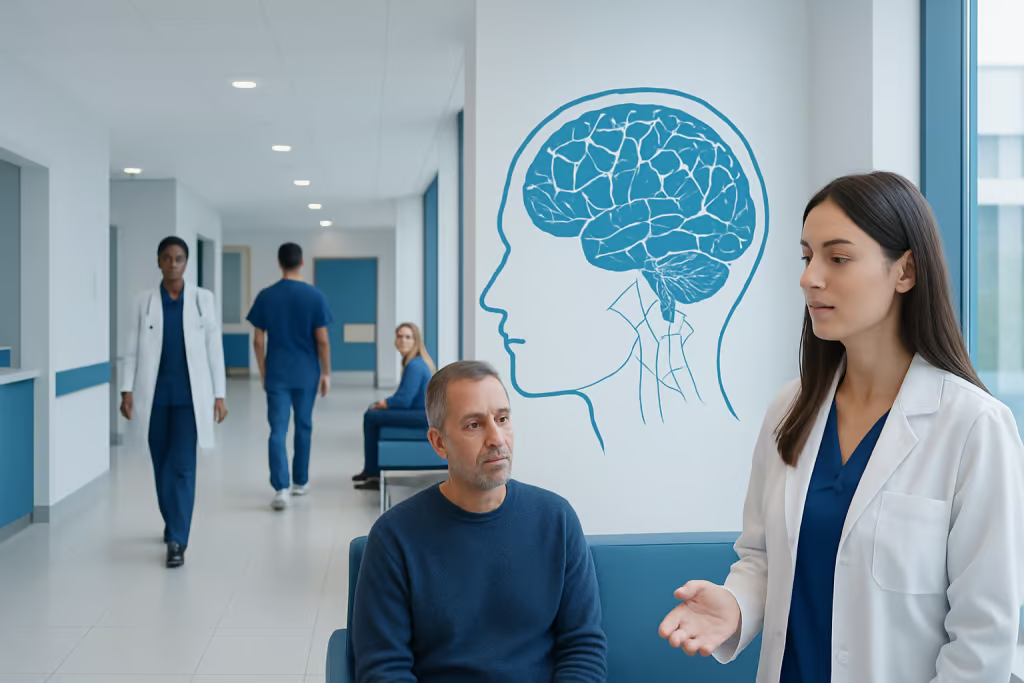
Emotions are produced by brain circuits, not one isolated brain area. The amygdala helps detect emotional significance, especially threat and salience.
Key Takeaways
- Emotions are produced by brain circuits, not one isolated brain area.
- The amygdala helps detect emotional significance, especially threat and salience.
- The prefrontal cortex supports emotional regulation, decision-making, and impulse control.
- The hippocampus links emotions with memory and context.
- Sudden major changes in mood, behavior, or personality can sometimes signal a medical problem and should be assessed.
What part of the brain controls emotions? Emotions are not managed by one single spot. They arise from connected brain networks—especially the limbic system, amygdala, prefrontal cortex, insula, hippocampus, and cingulate cortex—that help a person feel, interpret, regulate, and express emotions.
Overview: the brain uses networks to create emotion
For most people, occasional shifts in mood, stress reactions, or feeling emotionally overwhelmed are common and not a sign that something is structurally wrong with the brain. Daily emotions are shaped by sleep, hormones, relationships, physical health, past experiences, and the brain’s normal response to the environment. In that sense, asking what part of the brain controls emotions has a useful but slightly simplified answer.
The best evidence shows that no single brain area “controls” emotions by itself. Instead, emotions emerge from a network of brain regions that work together. The most important of these include the amygdala, prefrontal cortex, hippocampus, insula, anterior cingulate cortex, hypothalamus, and other parts of the limbic system. These areas help a person notice emotionally important events, attach meaning to them, create body responses, recall memories, and regulate how feelings are expressed.
This network model explains why emotions can feel fast, physical, and deeply personal all at once. A person may notice a racing heart, a fearful thought, a memory, and an urge to act within seconds. Different brain regions contribute different parts of that experience. Rather than one “emotion center,” the brain uses coordinated circuits to generate fear, joy, sadness, anger, attachment, and calm.
That is also why emotional symptoms can sometimes overlap with neurological or mental health conditions. If emotional changes are sudden, severe, or accompanied by confusion, weakness, seizures, headaches, or personality change, medical review is important. Doctors may then look for causes involving the brain, nervous system, hormone balance, medications, sleep problems, or emotional health conditions.
Which brain parts are most involved in emotions?
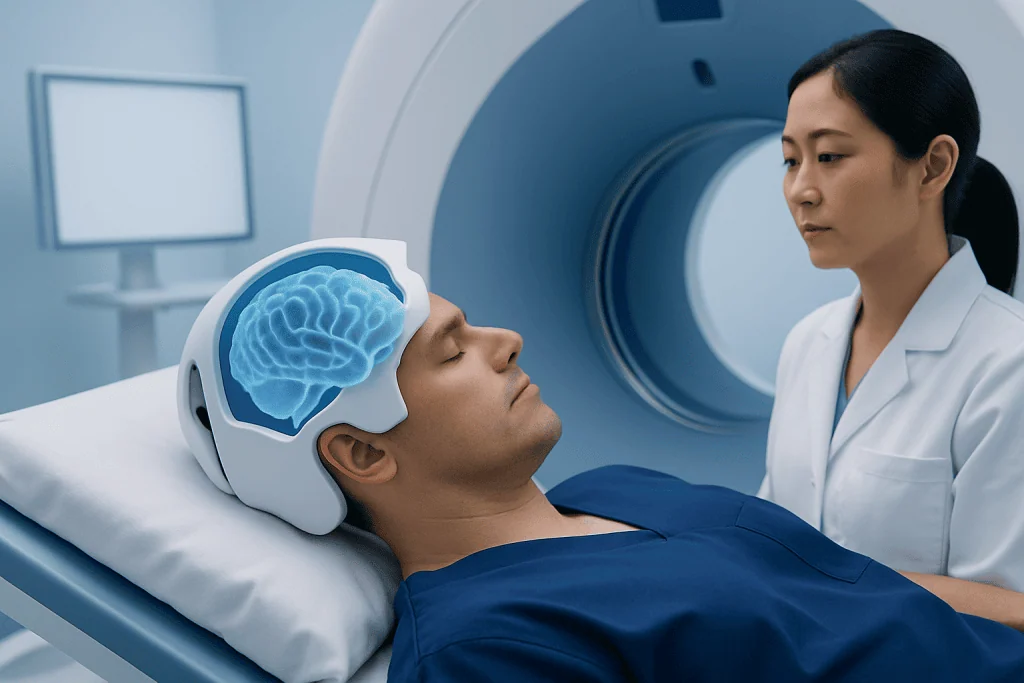
The amygdala is one of the best-known structures involved in emotion. It helps the brain detect emotional significance, especially possible danger, novelty, or urgency. It does not create fear alone, but it plays a major role in rapid emotional responses and in learning from emotionally important events.
The prefrontal cortex, located near the front of the brain, is important for regulation. It helps a person pause, interpret a situation, weigh consequences, and calm or reshape an emotional response. This is one reason strong stress can make it harder to think clearly: intense emotional input may temporarily overpower the systems involved in regulation and planning.
The hippocampus helps connect emotion with memory and context. It supports the ability to remember where, when, and why something felt important. The insula contributes to awareness of internal body sensations, such as nausea, tension, warmth, or a pounding heartbeat, which are often part of emotional experience. The anterior cingulate cortex is involved in attention, emotional processing, motivation, and monitoring conflict or distress.
Other regions also matter. The hypothalamus helps translate emotions into physical responses such as sweating, faster heart rate, and stress hormone changes. Brainstem pathways support arousal and alertness. Together, these systems form a distributed network often discussed under the broad label of the limbic system, although modern neuroscience recognizes that emotional function extends beyond that traditional term.
How emotions are created, felt, and regulated

Emotion begins when the brain interprets information from the outside world and from the body itself. A facial expression, tone of voice, painful event, memory, or even a change in blood sugar can be emotionally meaningful. Sensory information is processed rapidly, and regions such as the amygdala help decide whether something is safe, rewarding, threatening, or socially important.
Once the brain assigns meaning, it generates coordinated responses. Thoughts may change, attention may narrow, the body may tense, and behavior may shift. This is why emotions are not just “in the mind.” They are whole-body experiences shaped by nervous system, hormone, and memory pathways as well as by current circumstances.
Regulation is the next step. The prefrontal cortex and related networks help a person put feelings into words, reconsider assumptions, delay reactions, and choose appropriate behavior. Healthy emotional function does not mean suppressing all feelings. It means being able to experience emotion, understand it, and respond in a way that fits the situation.
Because emotions depend on networks, many things can affect them. Sleep deprivation, chronic pain, anxiety, depression, trauma, substance use, hormonal changes, neurological disease, and some medications can all influence how these brain circuits work. In some cases, emotional symptoms may overlap with depression or other conditions that benefit from professional assessment.
What can affect the brain’s emotional circuits?
Many emotional changes are related to everyday factors rather than brain injury. Stress, grief, burnout, poor sleep, alcohol, stimulant use, social isolation, and major life changes can alter emotional regulation. Hormone shifts, thyroid disease, vitamin deficiencies, and chronic medical conditions may also influence mood and emotional resilience.
At the same time, certain neurological conditions can affect emotional control or expression. Examples include stroke, traumatic brain injury, epilepsy, brain tumors, neurodegenerative disorders, and inflammatory conditions of the nervous system. Depending on the area involved, a person may experience irritability, apathy, anxiety, impulsivity, emotional blunting, or sudden unexplained crying or laughter.
Emotional symptoms can also occur alongside other brain-related concerns such as persistent headaches, blackouts, confusion, memory changes, weakness, tremor, or sensory changes. In those situations, a clinician may consider a neurological cause and decide whether further evaluation is needed. Some people with recurring head pain and sensitivity may also need assessment for migraine, which can affect mood and brain function before, during, or after an episode.
Importantly, emotional changes do not automatically mean there is a dangerous brain disorder. The pattern, timing, severity, and associated symptoms matter. A careful history and examination usually help guide whether the cause is more likely related to stress, a mental health condition, a medication effect, or a neurological problem.
When to seek medical care
Medical advice should be sought if emotional changes are sudden, severe, or clearly different from a person’s usual pattern. Red flags include new confusion, trouble speaking, weakness on one side, severe headache, seizures, fainting, loss of awareness, major personality change, hallucinations, or emotional symptoms after a head injury. These features may need urgent assessment because they can point to a brain or nervous system problem.
It is also wise to arrange a medical review if low mood, anxiety, emotional numbness, irritability, or poor impulse control persists for weeks, interferes with work or relationships, or occurs with sleep, appetite, memory, or concentration problems. Care is especially important if there are thoughts of self-harm or suicide. In that situation, immediate help should be sought through emergency services or local crisis support.
Parents and caregivers should seek help if a child or older adult develops striking emotional or behavioral change, especially with fever, confusion, falls, regression, or loss of daily function. These changes can have many causes, including infection, medication effects, metabolic problems, or neurological illness.
Because the brain and mental health are closely linked, the right first step is often a general doctor, neurologist, or psychiatrist depending on the symptoms. The aim is not to assume the worst, but to identify whether the emotional change reflects stress, a treatable health issue, or a condition requiring more specialized care.
How doctors evaluate emotional symptoms
Evaluation usually starts with a detailed conversation. A doctor may ask when the emotional symptoms began, whether they are constant or episodic, what triggers them, and whether there are related problems such as headaches, sleep changes, memory issues, weakness, blackouts, panic, trauma, or medication changes. The pattern often provides important clues about whether the issue is mainly neurological, psychological, hormonal, or lifestyle-related.
A physical and neurological examination may follow. This can include checking speech, eye movements, strength, sensation, coordination, reflexes, balance, and mental status. If the concern is about cognition, memory, or attention as well as emotions, formal testing may sometimes be recommended.
Further tests depend on the clinical picture. Blood tests may look for thyroid problems, infection, inflammation, vitamin deficiency, or metabolic causes. If there are red flags for a brain-related condition, a doctor may arrange MRI or other imaging. In selected cases, tests such as EEG can help if seizures or unusual episodes are suspected.
If structural or complex neurological causes are being considered, referral to neurology care may be appropriate. Near the end of the care pathway, some patients may also benefit from psychiatry, psychology, endocrinology, or sleep medicine review. Acibadem International’s multidisciplinary specialists and JCI-accredited hospitals diagnose and treat brain, nerve, and emotional health conditions for international patients when coordinated evaluation is needed.
Treatment, self-care, and supporting healthy emotional regulation
Treatment depends on the cause. If emotional symptoms relate to stress, burnout, grief, or poor sleep, care may focus on lifestyle changes, counseling, and treatment of contributing issues such as insomnia or pain. If a mood, anxiety, trauma-related, or neurodevelopmental condition is present, psychotherapy, psychiatric care, or medication may be recommended. If symptoms are linked to a neurological disorder, treatment addresses the underlying brain condition.
Self-care can support the brain’s emotion networks, although it is not a substitute for medical treatment when symptoms are significant. Helpful strategies include regular sleep, physical activity, limiting alcohol or recreational drugs, eating regularly, managing stress, and staying socially connected. Many people also benefit from mindfulness, journaling, breathing exercises, or structured therapy skills that improve emotional awareness and regulation.
It can be reassuring to know that the brain remains adaptable throughout life. Emotional responses are shaped by learning, experience, and treatment. Skills practiced repeatedly—such as pausing before reacting, naming feelings, and challenging unhelpful thoughts—can strengthen regulation over time.
If symptoms persist, the most useful next step is a qualified clinical assessment rather than self-diagnosis. Emotional changes are real, medically relevant experiences, and effective support often begins with identifying whether the main driver is stress, mental health, physical illness, or a neurological issue.
Frequently asked questions
Is there one emotion center in the brain?
No. Current evidence shows that emotions come from networks of brain regions working together rather than one single center. Different areas help detect emotional meaning, create body responses, link feelings to memory, and regulate behavior.
What does the amygdala do in emotions?
The amygdala helps the brain identify emotionally important information, especially possible threat, novelty, or urgency. It plays a key role in fast emotional responses, but it does not work alone and is only one part of a larger emotional network.
How does the prefrontal cortex affect feelings?
The prefrontal cortex helps regulate emotions by supporting planning, judgment, impulse control, and reframing of thoughts. It allows a person to pause, assess context, and choose a response instead of reacting automatically.
Can damage to the brain change a person’s emotions?
Yes. Stroke, head injury, seizures, tumors, dementia, and other neurological conditions can affect emotional expression, mood, impulse control, or personality. The exact change depends on which brain networks are involved and how severely they are affected.
Are emotional changes always caused by a brain problem?
No. Emotional symptoms are very often related to stress, sleep loss, hormones, medications, substance use, or mental health conditions rather than structural brain disease. A doctor looks at the overall pattern and any accompanying symptoms to decide whether neurological testing is needed.
When should someone worry about sudden emotional changes?
Sudden severe changes deserve prompt medical attention if they occur with confusion, trouble speaking, weakness, a severe headache, seizures, fainting, or personality change. These signs can indicate a neurological emergency or another urgent medical issue.
References
- National Institute of Mental Health
- National Institute of Neurological Disorders and Stroke
- American Psychiatric Association
- Cleveland Clinic
- Merck Manual Consumer Version
This article is for general information only and is not a substitute for professional medical advice. Please consult a qualified doctor about your individual situation.
Explore treatments in Turkey — costs, top hospitals & a free quote
JCI-accredited · board-certified surgeons · reply within 24h
Check your numbers in seconds
BMI, calories, due date, blood pressure and 30+ more clinical calculators — free, instant, doctor-reviewed ranges.