What to Expect after Radiation Treatment for Prostate Cancer: How It Works, Results and What to Expect

Radiation therapy treats prostate cancer by damaging cancer-cell DNA while carefully limiting exposure to nearby healthy tissues. Short-term urinary, bowel and fatigue symptoms are common and often improve after treatment ends.
Key Takeaways
- Radiation therapy treats prostate cancer by damaging cancer-cell DNA while carefully limiting exposure to nearby healthy tissues.
- Short-term urinary, bowel and fatigue symptoms are common and often improve after treatment ends.
- Some effects, including erectile difficulties or bowel and urinary changes, may emerge or persist later and should be discussed early with the care team.
- PSA monitoring is central to follow-up, and PSA can fluctuate before reaching its lowest level after radiation.
- Treatment choice and outlook depend on cancer risk group, overall health, prostate size, urinary function and personal priorities.
What to expect after radiation treatment for prostate cancer varies, but many people have temporary tiredness and urinary or bowel changes that gradually settle in the weeks to months after treatment. Follow-up care is important because radiation continues to affect cancer cells over time, and prostate-specific antigen (PSA) levels usually fall gradually rather than immediately.
What to Expect After Radiation Treatment for Prostate Cancer
After radiation treatment for prostate cancer, many people experience fatigue, more frequent urination, urgency, mild burning when passing urine, looser stools or rectal irritation. These effects commonly build during treatment or shortly afterward, then begin to improve over several weeks; for some people, recovery continues over a few months.
Radiation does not remove the prostate immediately. Instead, it damages the DNA of cancer cells so that they can no longer divide effectively. This means treatment response is assessed over time, mainly through regular prostate-specific antigen (PSA) blood tests and clinical follow-up rather than how a person feels in the first days after treatment.
Experiences differ according to the radiation technique, total treatment course, whether hormone therapy is also used and a person’s baseline urinary, bowel and sexual health. The oncology team can explain what is most likely for the individual and provide practical symptom support throughout recovery.
How Radiation Therapy Works and Who May Be a Candidate
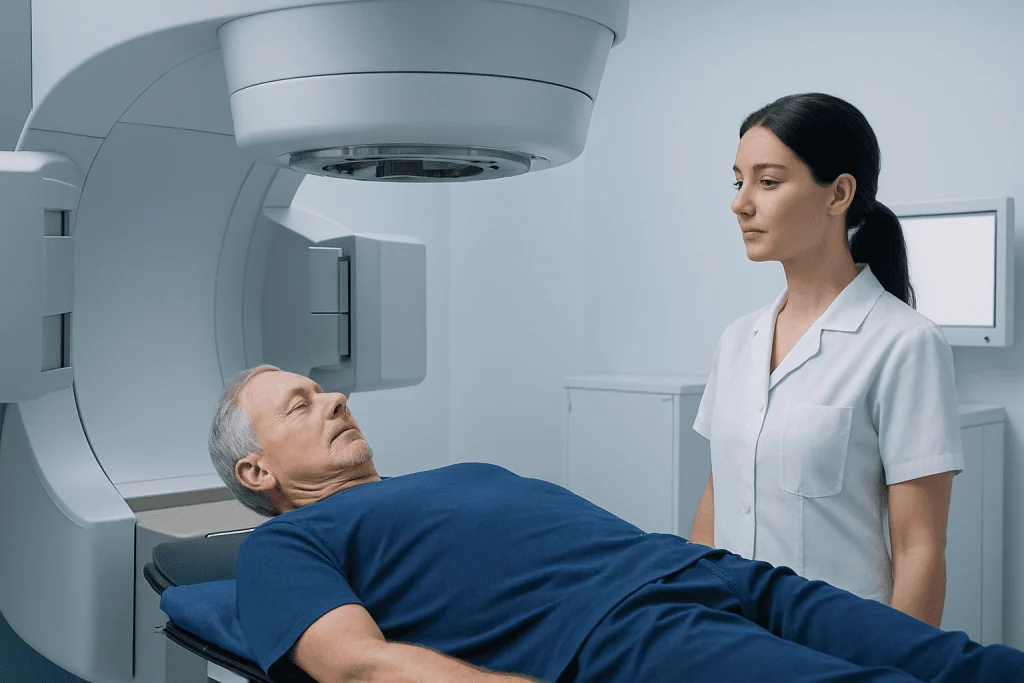
Radiation therapy uses high-energy beams or radioactive sources to target cancer in the prostate. External beam radiation therapy is delivered from a machine outside the body, usually over multiple outpatient visits. Internal radiation, also called brachytherapy, places radioactive material in or close to the prostate and may be used alone in selected cases or combined with external treatment.
Modern planning uses detailed imaging, computer-guided dose calculations and positioning techniques to focus treatment on the prostate while protecting the bladder, rectum, bowel and erectile tissues as much as possible. Options may include intensity-modulated radiation therapy, image-guided radiation therapy, stereotactic body radiation therapy or brachytherapy. The most appropriate approach depends on the cancer and the treatment center’s clinical assessment.
Radiation can be a curative treatment for localized prostate cancer, an option alongside surgery for some locally advanced cancers, or a treatment for cancer that returns after surgery. It may also help control symptoms from advanced disease. Decisions are typically made by a multidisciplinary team, with consideration of PSA level, biopsy grade group, imaging, cancer stage, life expectancy, other health conditions and personal goals.
Some people receive androgen-deprivation therapy, often called hormone therapy, before, during or after radiation. This lowers male hormone stimulation of prostate cancer cells and can improve outcomes for certain higher-risk cancers, but it has its own potential effects, such as hot flushes, reduced libido, fatigue and changes in bone or metabolic health.
The Treatment Journey: Planning, Sessions and Early Recovery

Before external beam radiation begins, the care team performs a planning appointment known as simulation. This may include CT and sometimes MRI imaging, as well as small permanent reference markers in the prostate or other positioning methods. The team may give instructions about bladder filling and bowel preparation because a consistently full bladder and an empty rectum can help improve treatment accuracy.
During each treatment session, the person lies on a treatment table while staff position them carefully. The radiation machine moves around the body but does not touch the person, and treatment itself is painless. Sessions are generally brief, although preparation and imaging can take additional time. People are not radioactive after standard external beam radiation and can usually be around family members safely.
Symptoms may not appear immediately. Urinary and bowel effects often become more noticeable as treatment progresses or during the first few weeks after it ends. Drinking enough fluids, following bladder and bowel preparation instructions, maintaining gentle activity and reporting symptoms early can make treatment more manageable.
Following treatment, appointments commonly include PSA testing at intervals chosen by the oncology team. PSA usually declines slowly after radiation and may take years to reach its lowest point. A temporary PSA rise, sometimes called a PSA bounce, can occur and does not always mean the cancer has returned; the pattern over time matters.
Benefits, Risks and the Downside of Radiation for Prostate Cancer
The potential benefit of radiation is effective local cancer control without an operation to remove the prostate. It is an established curative option for many people with localized disease and can be combined with hormone therapy when clinically appropriate. Radiation is also useful when surgery is not suitable or when additional treatment is needed after surgery.
What is the downside of radiation for prostate cancer? The main downside is the possibility of urinary, bowel and sexual side effects because the prostate sits close to the bladder, urethra, rectum and erectile nerves. During or shortly after treatment, people may have urinary urgency, increased frequency, weaker stream, discomfort passing urine, loose stools, rectal urgency, gas, mild rectal bleeding or fatigue.
Most early effects are temporary, but late effects can occur months or years later. These may include persistent urinary irritation, narrowing of the urethra, rectal bleeding, bowel urgency, erectile dysfunction or, rarely, more significant bladder or bowel injury. Modern techniques reduce these risks but cannot remove them entirely. Existing urinary symptoms, diabetes, smoking history, inflammatory bowel disease and previous pelvic treatment may influence risk.
Radiation can affect erections gradually rather than immediately. Some people retain erectile function, while others need support such as medication, vacuum devices, injections or specialist sexual-health care. It is helpful to discuss sexual function before treatment, as baseline function, age, other illnesses and hormone therapy all influence outcomes.
How Long After Prostate Radiation Do You Feel Better?
How long after prostate radiation do you feel better? Many people notice that fatigue, urinary frequency and bowel irritation begin easing within several weeks after the final treatment session. For others, particularly those who had symptoms before treatment or received a longer course of therapy, improvement may take a few months.
Fatigue can be influenced by travel to appointments, sleep disruption from nighttime urination, emotional stress, anemia, other health conditions and hormone therapy. Regular light movement, adequate sleep, balanced meals and pacing daily tasks can help. Persistent or worsening fatigue should be assessed rather than assumed to be a normal treatment effect.
Urinary and bowel recovery may be uneven. A person may have several good days followed by a short flare of urgency or discomfort. The care team can recommend medication or dietary adjustments if needed. New symptoms arising long after treatment, especially bleeding or significant changes in bladder or bowel habits, also deserve medical review.
PSA recovery follows a different timeline from symptom recovery. PSA does not need to become undetectable after radiation because the prostate remains in place. The oncology team assesses PSA trends over repeated tests and explains what changes are expected in the individual situation.
What Not to Do During Prostate Radiation Treatment
What not to do during prostate radiation treatment? People should not change or stop prescribed medicines, supplements or hormone therapy without speaking with their clinician. They should also avoid missing preparation instructions, particularly those related to bladder filling, bowel emptying and appointment timing, because these support accurate treatment delivery.
It may be sensible to limit foods and drinks that clearly worsen urinary or bowel symptoms, such as caffeine, alcohol, carbonated drinks, very spicy foods or large amounts of high-fibre foods if diarrhea is present. However, overly restrictive diets are not usually necessary. A radiation nurse, dietitian or doctor can offer individualized advice, especially for people with diabetes, bowel disease or weight loss.
Smoking can increase treatment-related complications and affect general health, so stopping is strongly encouraged with appropriate support. Excessive alcohol may worsen dehydration, bowel symptoms and sleep. People should avoid becoming dehydrated, but those with heart or kidney conditions should follow their usual clinician-guided fluid advice.
Most people can continue gentle exercise, work and usual social contact as their energy allows. They should not assume that severe pain, fever, inability to pass urine, heavy rectal bleeding or rapidly worsening symptoms are expected. Prompt contact with the treatment team is important when these occur.
Life Expectancy, Follow-Up and When to Seek Medical Care
What is life expectancy after radiation treatment for prostate cancer? Life expectancy after radiation depends mainly on the cancer’s stage and risk features, whether it has spread, response to treatment, age and other health conditions. For many people with localized prostate cancer treated with curative intent, radiation offers a strong possibility of long-term cancer control. An individual prognosis should come from the treating oncology and urology team, who can interpret biopsy findings, imaging and PSA trends together.
Follow-up usually includes PSA testing and conversations about urinary, bowel, sexual and emotional wellbeing. A rising PSA requires careful interpretation because PSA can decline slowly and may briefly rise after treatment. If there is concern for recurrence, the team may recommend repeat testing, imaging or referral for further assessment.
When to seek medical care: A person should contact their cancer team promptly for inability to urinate, fever or chills, severe pelvic or abdominal pain, heavy rectal bleeding, black stools, severe diarrhea, persistent vomiting, dehydration, chest pain or new shortness of breath. Less urgent but important concerns include worsening urinary symptoms, blood in urine, continuing bowel changes, distress about sexual function or fatigue that interferes with everyday life.
Acibadem International’s multidisciplinary specialists and JCI-accredited hospitals support international patients with prostate cancer assessment, radiation planning and follow-up care. Ongoing communication with a qualified radiation oncologist and urologist helps ensure symptoms are addressed early and follow-up remains tailored to the individual’s needs.
Frequently asked questions
Are you radioactive after external beam radiation for prostate cancer?
No. External beam radiation does not leave radiation in the body, so a person is not radioactive after a treatment session. Normal contact with family, friends and children is generally safe.
Can prostate radiation cause urinary problems?
Yes. Increased frequency, urgency, burning, a weaker urine stream or nighttime urination can occur during or soon after treatment. These symptoms often improve, but persistent or severe symptoms should be discussed with the radiation oncology or urology team.
Can bowel symptoms occur months after prostate radiation?
Yes. Although many bowel effects occur during treatment or shortly afterward, some people develop rectal urgency, loose stools or rectal bleeding months or years later. Any new bleeding or lasting change in bowel habits should be medically assessed.
When will PSA reach its lowest level after prostate radiation?
PSA commonly falls gradually after radiation and may take several years to reach its lowest point, called the PSA nadir. This is different from surgery, after which PSA usually becomes very low more quickly. The overall PSA pattern is more informative than a single result.
Does radiation treatment for prostate cancer cause erectile dysfunction?
It can. Erectile difficulties may develop gradually after radiation, and the likelihood is influenced by erectile function before treatment, age, other medical conditions, radiation dose and whether hormone therapy is used. Treatment options are available, so discussing concerns early is worthwhile.
Can someone exercise during prostate radiation treatment?
In most cases, gentle to moderate activity such as walking is safe and may help with fatigue, sleep and mood. Activity should be adjusted to energy levels and other health conditions. The care team can advise on suitable exercise if symptoms or medical issues limit activity.
References
- National Cancer Institute
- American Cancer Society
- European Association of Urology
- American Society for Radiation Oncology
- Prostate Cancer Foundation
This article is for general information only and is not a substitute for professional medical advice. Please consult a qualified doctor about your individual situation.
Prostate Cancer in Turkey — costs, top hospitals & a free quote
JCI-accredited · board-certified surgeons · reply within 24h
Add us as a Preferred Source to see more of our trusted health content across Google Search, AI Overviews and Discover.

More from the Health Library



Related Specialists

Assoc. Prof. Dr. Deniz Atasoy
General Surgery
Dt. Serpil Terzioğlu
Oral & Dental Health
Prof. Dr. Hatem Hakan Selçuk
Interventional Neuroradiology
Assoc. Prof. Dr. Yeşim Sağlıcan
Pathology