Can Stress Cause a Stroke? What the Evidence Really Shows

Stress is not usually a direct cause of stroke, but it can increase risk indirectly. Chronic stress may raise blood pressure, affect sleep, and make healthy habits harder to maintain.
Key Takeaways
- Stress is not usually a direct cause of stroke, but it can increase risk indirectly.
- Chronic stress may raise blood pressure, affect sleep, and make healthy habits harder to maintain.
- Stroke warning signs need urgent medical care, even if symptoms seem related to stress or anxiety.
- Managing blood pressure, diabetes, smoking, weight, and physical activity remains central to stroke prevention.
- Sudden weakness, speech trouble, vision changes, or facial drooping should be treated as a medical emergency.
Medically reviewed by the Acıbadem International Medical Board — July 15, 2026
Stress alone is not usually considered a direct cause of stroke, but ongoing stress can contribute to conditions and habits that increase stroke risk. Understanding this link can help people protect brain and heart health through prevention, early care, and healthy coping strategies.
Overview: Is Stress a Cause of Stroke?
Many people ask, can stress cause a stroke, especially after a frightening event, a period of burnout, or a major life change. The evidence suggests that stress by itself is usually not considered a single direct cause of stroke in the way that a blood clot or bleeding in the brain causes a stroke. However, long-term stress can affect the body in ways that may increase stroke risk over time.
Stroke happens when blood flow to part of the brain is blocked or when a blood vessel in the brain ruptures. The most common risk factors are well established and include high blood pressure, diabetes, smoking, high cholesterol, obesity, heart disease, and lack of physical activity. Stress can interact with several of these factors, which is why it is taken seriously in prevention.
Researchers continue to study the relationship between stress and stroke. Current evidence supports a practical message: stress matters, but mainly because it can worsen other medical and lifestyle risks. This means that reducing stress is helpful, but it should be part of a broader plan that includes regular medical care and risk factor control.
How Stress May Increase Stroke Risk
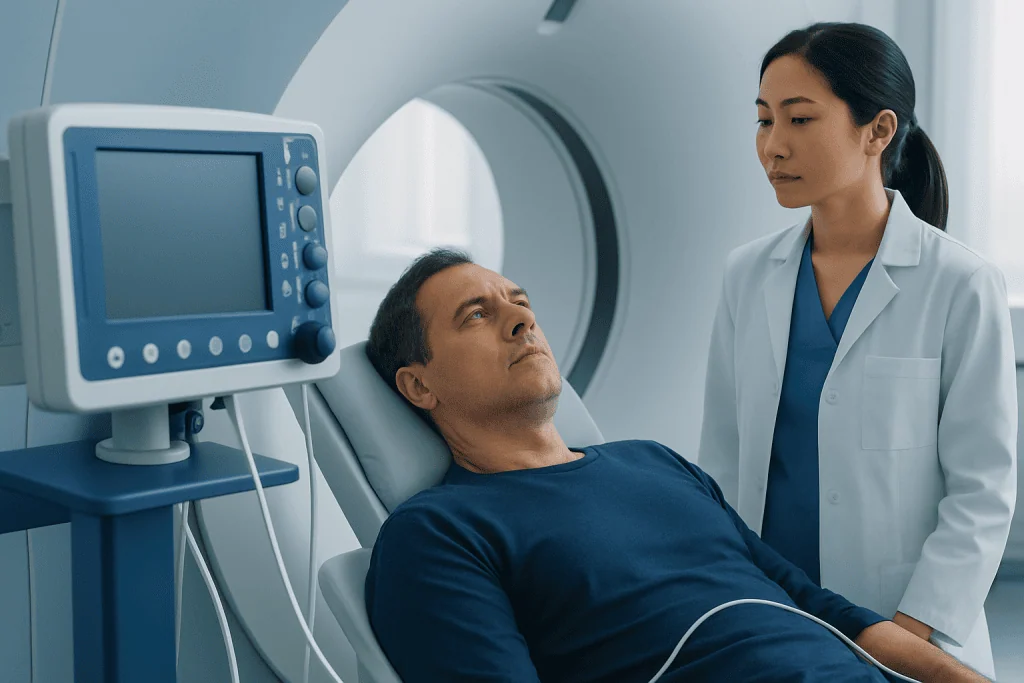
When a person is under stress, the body releases hormones such as adrenaline and cortisol. In the short term, this response can increase heart rate and temporarily raise blood pressure. For most healthy people, this natural response settles once the stressful event passes. Problems are more likely when stress becomes frequent, intense, or long lasting.
Chronic stress may contribute to inflammation, poor sleep, unhealthy eating, less physical activity, and increased use of alcohol or tobacco. Over time, these patterns can make it harder to control blood pressure, blood sugar, and cholesterol. Because high blood pressure is the most important modifiable stroke risk factor, anything that makes it harder to manage deserves attention.
Stress may also influence how consistently people take medications or attend follow-up appointments. Someone who feels overwhelmed may delay care for headaches, high blood pressure, or heart rhythm problems. In this way, stress does not usually act alone, but it can increase vulnerability by affecting both the body and everyday habits.
Some studies also suggest that severe emotional strain, social isolation, depression, and work-related stress may be associated with a higher risk of cardiovascular events, including stroke. These associations do not prove that stress directly causes every stroke, but they support the importance of emotional well-being as part of overall vascular health.
Can Sudden Emotional Shock Trigger a Stroke?
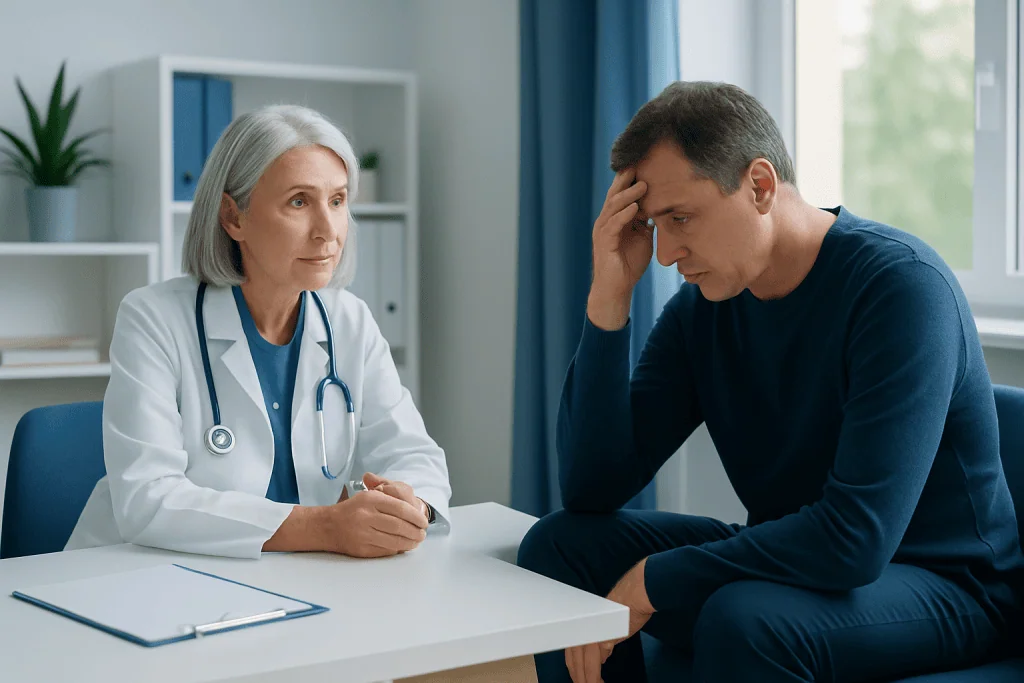
People sometimes experience stroke symptoms after an argument, bereavement, panic episode, or another sudden shock. It is understandable to link the two. A very intense stress response can temporarily raise blood pressure and place extra strain on the cardiovascular system, which may contribute to an event in a person who already has underlying risk factors.
Even so, it is important not to assume that symptoms are “just stress.” Anxiety and panic can cause chest tightness, fast heartbeat, dizziness, tingling, or a sense of unreality, but they do not typically cause the classic focal neurological symptoms of stroke. Sudden one-sided weakness, facial drooping, slurred speech, trouble understanding words, or vision loss should always be treated as possible stroke symptoms.
In some cases, stress may bring attention to symptoms that were already developing, rather than truly causing the stroke. For example, a person may notice numbness or speech difficulty during a tense moment and assume the stress created it. The safest approach is to seek urgent evaluation rather than trying to sort this out at home.
Symptoms That Need Emergency Attention
Stroke symptoms usually start suddenly. They may include weakness or numbness of the face, arm, or leg, especially on one side of the body; trouble speaking or understanding speech; sudden confusion; vision loss or double vision; severe dizziness; loss of balance; or a sudden severe headache, especially if it is unlike usual headaches.
A simple way to remember common warning signs is FAST:
- Face drooping
- Arm weakness
- Speech difficulty
- Time to seek emergency help right away
These symptoms can come and go, especially in a transient ischemic attack, sometimes called a mini-stroke. Even if symptoms improve within minutes, urgent medical care is still needed because a transient ischemic attack can be a warning sign of a future stroke. Helpful background reading may include transient ischemic attack and stroke if these topics are being explored in more detail.
It is also important not to let stress or panic delay action. If stroke is suspected, every minute matters because some treatments are time-sensitive. Quick assessment can improve the chances of protecting brain tissue and reducing long-term disability.
Who May Be More Vulnerable? Risk Factors That Matter Most
Stress becomes more concerning when it is added to other stroke risk factors. The strongest and most common modifiable factor is high blood pressure. Others include diabetes, smoking, atrial fibrillation, high cholesterol, obesity, kidney disease, sleep apnea, excess alcohol use, and physical inactivity. Age and family history also affect risk, even though they cannot be changed.
People with existing vascular disease or heart conditions may be more sensitive to the effects of stress. For example, someone with poorly controlled hypertension may experience repeated blood pressure spikes during periods of emotional strain. Likewise, a person who copes with stress by smoking more, sleeping less, or skipping medication may see risk rise over time.
Mental health also matters. Depression, anxiety, trauma-related stress, and loneliness can make self-care more difficult and may be linked with worse cardiovascular outcomes. This does not mean emotional distress will inevitably lead to stroke. It means that mental and physical health are closely connected and both deserve care.
For some people, a personalized medical review may reveal treatable issues such as carotid artery narrowing or heart rhythm disorders. Depending on the cause, treatment plans can include medicines, rehabilitation, and in selected cases procedures such as carotid endarterectomy or mechanical thrombectomy in emergency stroke care.
How Doctors Evaluate the Stress-Stroke Question
Doctors do not diagnose stroke based on stress alone. Evaluation focuses on symptoms, timing, neurological examination, medical history, blood pressure, heart rhythm, and brain imaging. CT or MRI scans help determine whether symptoms are caused by an ischemic stroke, bleeding, or another condition that can mimic stroke.
Additional tests may include blood tests, vascular imaging, and heart studies such as electrocardiography or echocardiography. These tests look for causes such as blood vessel blockage, atrial fibrillation, clotting problems, or bleeding. If symptoms occurred during emotional distress, that detail may be noted, but it does not replace a full medical assessment.
Sometimes stress-related symptoms such as hyperventilation, migraine, low blood sugar, or panic attacks can resemble stroke. Because the differences are not always obvious, self-diagnosis is not safe. A professional evaluation is the best way to determine what happened and what treatment or follow-up is needed.
When ongoing stress appears to be affecting health, doctors may also ask about sleep, mood, work strain, caregiving burden, and substance use. This broader view can help identify practical ways to lower future risk while addressing quality of life.
Prevention and Stress Management That Support Brain Health
The most effective way to lower stroke risk is to control the major medical risk factors while also improving stress management. This includes monitoring and treating high blood pressure, managing diabetes and cholesterol, staying physically active, avoiding smoking, limiting alcohol, and maintaining a balanced eating pattern. Good sleep and regular follow-up care are also important.
Stress management does not need to be complicated. Many people benefit from a combination of daily movement, relaxation breathing, mindfulness, time outdoors, social support, and realistic work-rest boundaries. Counseling or psychological support can be valuable when stress feels persistent, intense, or tied to anxiety, depression, or trauma.
Practical steps may include:
- Checking blood pressure regularly
- Taking prescribed medicines consistently
- Building regular sleep and meal routines
- Reducing tobacco and alcohol use
- Making time for physical activity most days
- Seeking support early for burnout, anxiety, or low mood
For people recovering from a stroke or mini-stroke, prevention may also involve specialist care and rehabilitation. Depending on the situation, doctors may discuss therapies such as stroke rehabilitation to support recovery and long-term self-management.
When to See a Doctor
Emergency care is needed immediately for any possible stroke symptoms, even if they last only a few minutes or seem to happen during a stressful situation. It is better to be checked and reassured than to miss time-sensitive treatment. Anyone with sudden facial drooping, one-sided weakness, speech changes, vision problems, or severe unexplained dizziness should seek urgent help without delay.
A routine medical appointment is also a good idea for people with ongoing high stress, especially if they have high blood pressure, diabetes, headaches, poor sleep, palpitations, or a family history of stroke. A doctor can review risk factors, check whether treatment is needed, and suggest safe strategies for prevention.
If stress is affecting daily life, work, relationships, or the ability to care for health, mental health support can be an important part of prevention. Managing stress is not just about feeling calmer. It can support better blood pressure control, healthier routines, and more consistent medical care.
For international patients who need evaluation or treatment, Acibadem International’s multidisciplinary specialists and JCI-accredited hospitals provide diagnosis and care for stroke-related conditions, including advanced assessment and individualized treatment planning.
Frequently asked questions
Can stress alone directly cause a stroke?
Usually, stress alone is not considered a direct cause of stroke. However, long-term stress can increase stroke risk by contributing to high blood pressure, poor sleep, smoking, unhealthy eating, and other risk factors.
Can a panic attack feel like a stroke?
Yes, a panic attack can sometimes cause symptoms such as dizziness, tingling, chest tightness, and a racing heart that may feel alarming. But sudden one-sided weakness, facial drooping, speech difficulty, or vision loss should always be treated as possible stroke symptoms and checked urgently.
Does high blood pressure during stress mean a stroke is happening?
Not necessarily. Blood pressure can rise temporarily during emotional stress, exercise, or pain, but that alone does not confirm a stroke. Still, very high or repeatedly elevated readings should be discussed with a doctor, especially if neurological symptoms appear.
Can work stress increase stroke risk?
Ongoing work stress may contribute indirectly to stroke risk, especially if it leads to poor sleep, inactivity, smoking, unhealthy eating, or difficulty controlling blood pressure. It is best viewed as one part of the overall risk picture rather than the only cause.
What is the best way to lower stroke risk if someone is under a lot of stress?
The most effective approach is to combine stress management with control of major medical risk factors. Regular blood pressure checks, exercise, a healthy diet, not smoking, adequate sleep, and following prescribed treatment can all help reduce risk.
Should someone see a doctor for stress even without stroke symptoms?
Yes, especially if stress is persistent or is affecting sleep, blood pressure, mood, or daily functioning. Early support can improve overall health and may make it easier to prevent conditions that increase stroke risk.
References
- World Stroke Organization
- American Stroke Association
- National Institute of Neurological Disorders and Stroke
- World Health Organization
- Centers for Disease Control and Prevention
This article is for general information only and is not a substitute for professional medical advice. Please consult a qualified doctor about your individual situation.
Explore treatments in Turkey — costs, top hospitals & a free quote
JCI-accredited · board-certified surgeons · reply within 24h

More from the Health Library


Related Specialists

Dr. Ulambadrakh Khenchbish
Orthopedic Surgery & Traumatology
Dr. Sema Demirsoy
Gynecology & Obstetrics
Dr. Gülgün Atilla
Radiology
Dyt. Begüm Bengi
Nutrition & Diet