Stroke Aftercare at Home: Safe Eating, Mobility, and Medication Tips
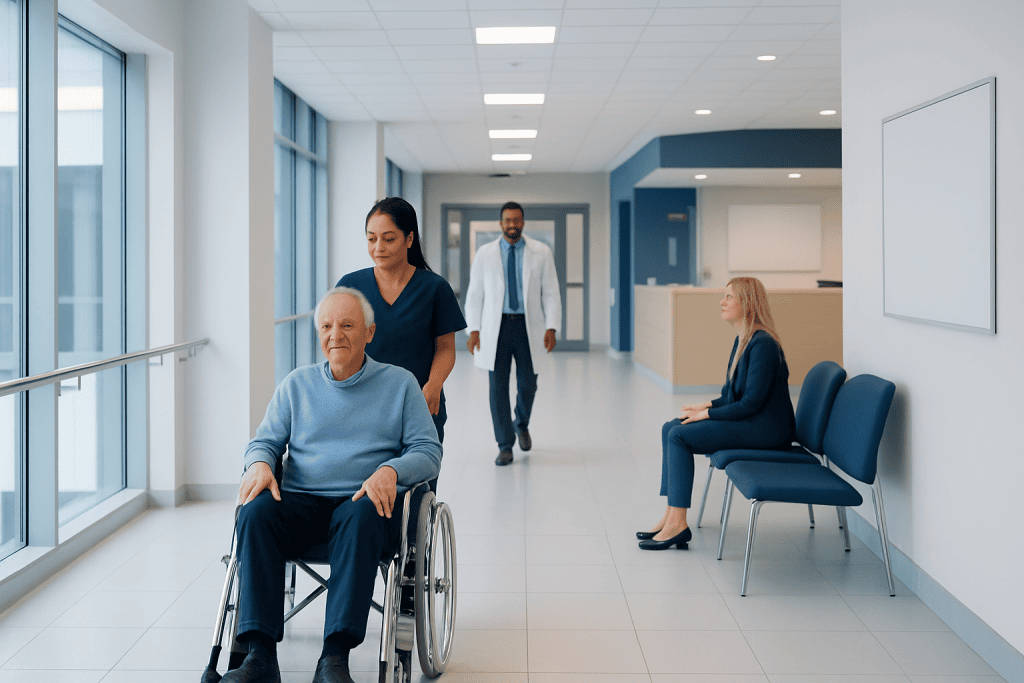
A home recovery plan should cover swallowing safety, mobility, medicines, follow-up care, and emergency warning signs. Many people need changes to food texture, eating position, and supervision to lower the risk of choking or aspiration.
Key Takeaways
- A home recovery plan should cover swallowing safety, mobility, medicines, follow-up care, and emergency warning signs.
- Many people need changes to food texture, eating position, and supervision to lower the risk of choking or aspiration.
- Safe movement includes fall prevention, correct use of walking aids, and regular therapy-guided exercises.
- Medicines after stroke should be taken exactly as prescribed, with a written list and clear schedule.
- New weakness, facial drooping, speech changes, severe headache, chest pain, or breathing trouble need urgent medical attention.
Medically reviewed by the Acıbadem International Medical Board — July 15, 2026
Stroke aftercare at home focuses on safety, daily function, and steady recovery after leaving the hospital. A structured routine for eating, moving, taking medicines, and watching for warning signs can help reduce complications and support independence.
Overview: What Stroke Aftercare at Home Involves
Stroke aftercare at home begins when a person leaves the hospital or rehabilitation unit and continues through the weeks and months of recovery. The main goals are to prevent complications, support healing, improve daily function, and reduce the risk of another stroke. Recovery can look different for each person depending on the area of the brain affected, the severity of the stroke, and other health conditions.
Many people need help with eating, walking, bathing, dressing, communication, and remembering medicines. Family members or caregivers often play an important role, but home care works best when it follows a clear plan from the medical team. This may include instructions from a neurologist, rehabilitation doctor, nurse, physical therapist, occupational therapist, speech and language therapist, and dietitian.
It is common for recovery to be gradual rather than linear. Some days may feel easier than others. A calm routine, regular follow-up visits, and attention to safety can make home recovery more manageable. If needed, doctors may also recommend ongoing rehabilitation or specialized programs for stroke recovery.
Safe Eating and Swallowing After Stroke
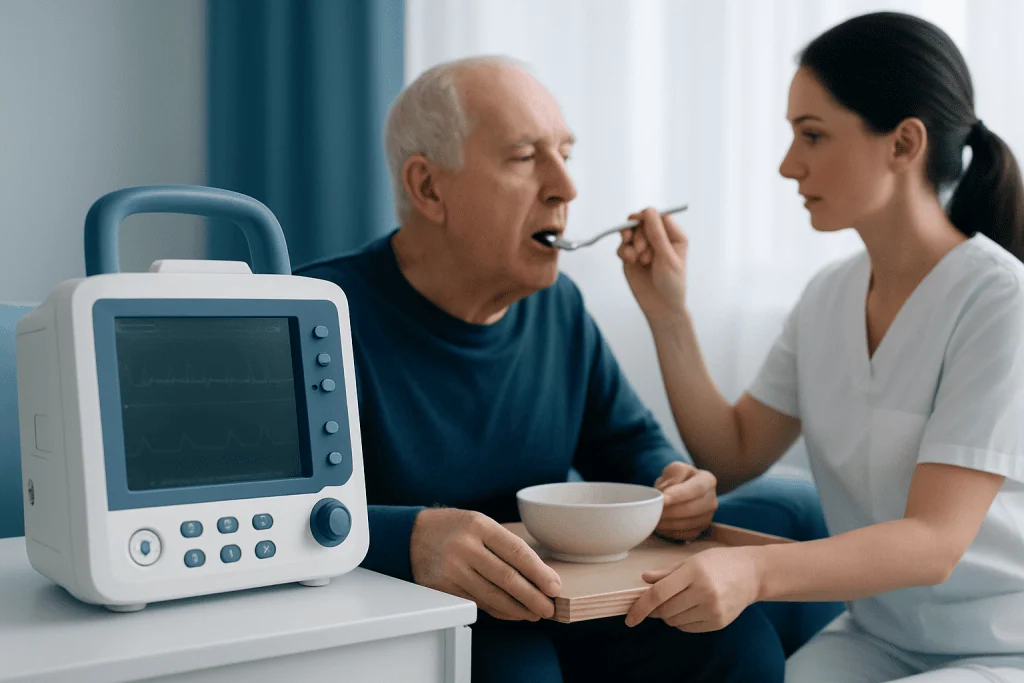
After a stroke, some people develop swallowing difficulty, also called dysphagia. This can affect the ability to chew, move food to the back of the mouth, or swallow liquids safely. When swallowing is not coordinated, food or drink may enter the airway instead of the esophagus. This can lead to coughing, choking, poor nutrition, dehydration, or aspiration pneumonia.
Safe eating starts with following the swallowing plan given by the medical team. Some people need soft foods, pureed meals, or thickened liquids. Others may be able to eat regular foods but only with careful pacing. Sitting fully upright during meals and remaining upright for at least 30 minutes afterward is often advised. Small bites, small sips, and slow eating can help reduce risk.
A caregiver should watch for signs that swallowing is not safe. These may include coughing during meals, a wet or gurgly voice after swallowing, food remaining in the mouth, drooling, repeated throat clearing, or unexplained fever. If these happen, the person should be reviewed by a doctor or speech and language therapist before continuing the same diet.
Nutrition is also an important part of aftercare. Stroke recovery can be harder if the person is not eating enough protein, calories, fiber, and fluids. A simple meal plan may include:
- foods with a safe texture recommended by the care team
- regular mealtimes without rushing
- adequate water or prescribed thickened fluids
- help with one-handed utensils or adaptive cups if needed
- monitoring body weight and hydration
Mobility, Transfers, and Fall Prevention
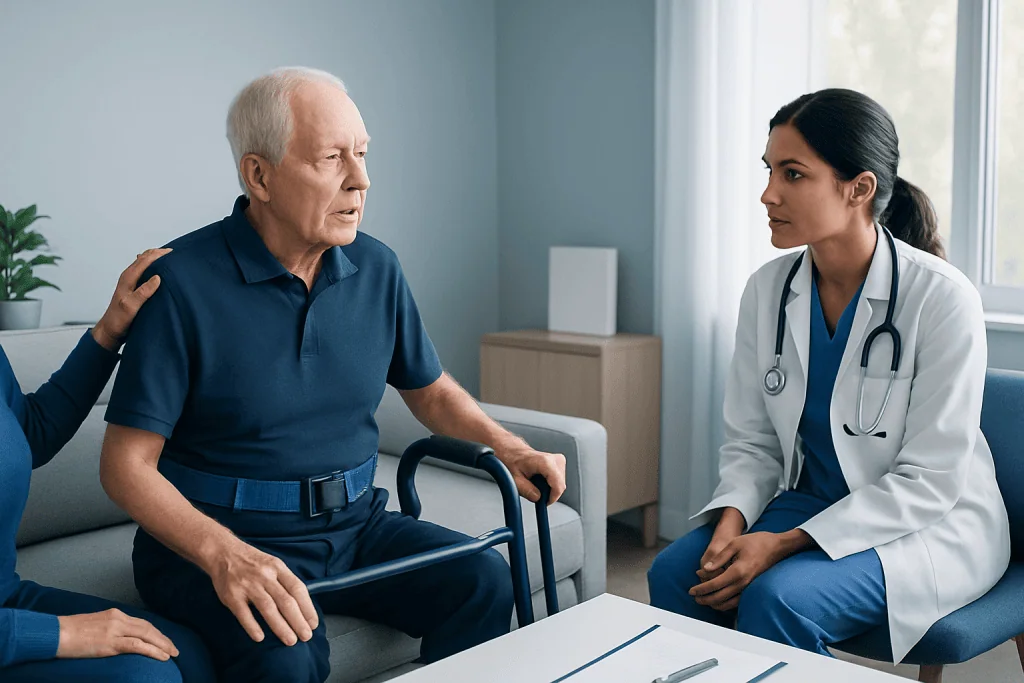
Weakness, poor balance, numbness, vision changes, and reduced coordination are common after stroke. These problems can make standing, walking, and moving from bed to chair more difficult. For this reason, one of the most important parts of stroke aftercare at home is preventing falls while encouraging safe activity.
The safest approach is to follow the mobility instructions given at discharge. Some people may walk independently, while others need supervision, a cane, a walker, an ankle support, or a wheelchair. A person should not be encouraged to walk alone if the care team has advised hands-on help. Proper transfers, such as moving from bed to chair or on and off the toilet, should be demonstrated by a therapist whenever possible.
Home safety changes can make movement easier and safer. Useful changes often include removing loose rugs, keeping walkways clear, improving lighting, installing grab bars, using non-slip mats, and placing frequently used items within easy reach. Supportive shoes with non-slip soles are generally safer than slippers or walking barefoot.
Therapy exercises are also an important part of mobility recovery. These may help strengthen muscles, improve balance, reduce stiffness, and support independence in daily tasks. Exercises should be done exactly as instructed, without forcing painful movement. Depending on the person’s needs, doctors may recommend ongoing physical therapy and rehabilitation and occupational therapy to improve walking, transfers, and self-care skills.
Medication Tips and Daily Routine Planning
Medicines after stroke help lower the chance of another stroke and manage related conditions such as high blood pressure, irregular heartbeat, high cholesterol, or diabetes. Common examples include blood pressure medicines, cholesterol-lowering drugs, blood thinners, antiplatelet medicines, and treatments for blood sugar control. Each medicine has a specific purpose, and doses should only be changed by a qualified clinician.
A written medication list can make home care safer. This list should include the medicine name, purpose, timing, and any special instructions, such as taking it with food. Pill organizers, medication charts, alarms, or caregiver checklists can help reduce missed or double doses. If swallowing tablets is difficult, a pharmacist or doctor should be asked whether an alternative form is available. Medicines should never be crushed or mixed into food unless a clinician confirms that it is safe.
Possible side effects should also be reviewed. For example, some medicines may cause dizziness, stomach upset, bruising, sleepiness, or changes in blood pressure. New symptoms should not automatically be blamed on stroke recovery. They should be discussed with a doctor or pharmacist, especially if the person is taking multiple medicines.
Many people benefit from a simple daily routine. Taking medicines at the same time each day, linking them with meals or bedtime when appropriate, and keeping follow-up appointments can improve consistency. For some patients, specialist review and stroke rehabilitation continue after discharge to adjust treatment and recovery goals over time.
Other Home Care Needs: Skin, Bladder, Bowel, Mood, and Communication
Stroke recovery affects more than movement. Some people spend long periods sitting or lying down, which can increase the risk of skin breakdown. Regular position changes, clean dry skin, and checking pressure areas such as the heels, hips, and tailbone are important. Medical advice should be sought if there is redness that does not fade, open skin, or signs of infection.
Bladder and bowel problems are also common. Constipation may happen because of reduced mobility, low fluid intake, or certain medicines. A balanced diet, enough fluids if medically allowed, and regular toilet routines may help. Urinary urgency or incontinence can also occur, and the medical team can suggest bladder training, pads, or further assessment if needed.
Emotional and cognitive changes deserve attention as well. Depression, anxiety, irritability, fatigue, memory problems, and reduced concentration are not unusual after stroke. These symptoms are real medical concerns, not a personal weakness. Support from family, clear daily structure, rest breaks, and professional assessment can help improve quality of life.
Some people also have speech or language problems such as aphasia or slurred speech. Caregivers can help by speaking clearly, giving extra time to respond, and reducing background noise. Speech and language therapy may support communication and swallowing, and some patients may need further evaluation for brain hemorrhage-related deficits or other stroke complications if recovery is not going as expected.
Preventing Another Stroke
Preventing a second stroke is a central part of aftercare. This usually means controlling risk factors and following the treatment plan closely. High blood pressure is one of the most important risks, so regular blood pressure checks and consistent treatment matter. Managing diabetes, high cholesterol, heart rhythm problems, and sleep issues may also be part of prevention.
Healthy lifestyle habits support medical treatment. Stopping smoking, limiting alcohol, eating a balanced diet, staying physically active within safe limits, and maintaining a healthy body weight can all help. Recovery plans should be realistic and tailored to the person’s current ability. Small, sustainable changes are often more effective than trying to do too much at once.
Follow-up appointments should not be skipped, even if the person seems to be improving. Doctors may need to monitor blood pressure, review medicines, assess new symptoms, and decide whether more testing is needed. In some cases, treatment of related vascular conditions may be discussed if they contribute to stroke risk.
Education for both the patient and caregiver is essential. Everyone in the home should know the signs of stroke recurrence and understand that early treatment is time-sensitive. Keeping emergency numbers visible and having a plan for urgent transport can reduce delays if symptoms return.
When to See a Doctor or Seek Urgent Help
Some changes during recovery are expected, but certain symptoms should never be ignored. Urgent medical help is needed if there is sudden facial drooping, new arm or leg weakness, sudden numbness, confusion, trouble speaking, trouble understanding speech, sudden vision loss, loss of balance, or a severe sudden headache. These may be signs of another stroke and should be treated as an emergency.
A doctor should also be contacted promptly for repeated choking, coughing with meals, dehydration, inability to take medicines safely, falls, worsening confusion, chest pain, shortness of breath, new swelling, fever, or signs of infection. Severe drowsiness, seizure-like activity, or a major decline in function should also be assessed without delay.
Routine follow-up is equally important, even when no emergency is present. Home care often needs adjustments as the person becomes stronger or develops new needs. Rehabilitation goals, diet texture, walking aids, and medication schedules may all change over time.
For people seeking coordinated care, Acibadem International’s multidisciplinary specialists and JCI-accredited hospitals evaluate and treat stroke-related conditions for international patients. Professional guidance can help families organize safe home recovery, rehabilitation planning, and long-term prevention.
Frequently asked questions
What is the most important part of stroke aftercare at home?
The most important part is a safe, consistent plan that covers eating, moving, taking medicines, and knowing when to get help. Preventing falls, choking, dehydration, and another stroke is a major priority during home recovery.
Can a person eat normally after a stroke?
Some people can return to regular foods, but others need texture changes or thickened liquids because of swallowing problems. The safest diet is the one recommended by the stroke team or speech and language therapist.
How can caregivers help with mobility after stroke?
Caregivers can help by following therapist instructions for walking and transfers, keeping the home free of trip hazards, and encouraging prescribed exercises. They should not push the person to do more than is considered safe by the care team.
Why are stroke medicines so important after discharge?
Stroke medicines often reduce the risk of another stroke and help control conditions such as high blood pressure, cholesterol problems, or irregular heartbeat. Missing doses or stopping medicines without medical advice can increase health risks.
Is fatigue normal during stroke recovery?
Yes, fatigue is common after stroke and may affect both physical and mental activity. Rest breaks, a regular routine, and discussing persistent tiredness with a doctor can help identify manageable causes.
When should a person go to the emergency department after a stroke?
Emergency care is needed for any sudden new stroke symptoms, including facial drooping, weakness, speech trouble, vision loss, severe headache, or loss of balance. Fast treatment is important, even if symptoms seem to improve quickly.
References
- World Health Organization
- American Stroke Association
- National Institute of Neurological Disorders and Stroke
- Centers for Disease Control and Prevention
- National Health Service
This article is for general information only and is not a substitute for professional medical advice. Please consult a qualified doctor about your individual situation.
Explore treatments in Turkey — costs, top hospitals & a free quote
JCI-accredited · board-certified surgeons · reply within 24h