Stroke ICU Care: What Happens in the First 24 to 48 Hours

The earliest phase of stroke care is centered on stabilizing vital functions and limiting further brain injury. Doctors monitor brain status, breathing, heart rhythm, blood pressure, and swallowing very closely.
Key Takeaways
- The earliest phase of stroke care is centered on stabilizing vital functions and limiting further brain injury.
- Doctors monitor brain status, breathing, heart rhythm, blood pressure, and swallowing very closely.
- Treatment depends on whether the stroke is ischemic or hemorrhagic and how quickly the person arrived for care.
- Preventing complications such as swelling, aspiration, infection, and blood clots is a major priority.
- Families may see many tests, tubes, and monitors, but each has a specific safety purpose.
Medically reviewed by the Acıbadem International Medical Board — July 15, 2026
The first 24 to 48 hours after a stroke are focused on stabilization, close monitoring, and quick treatment decisions. In the ICU or stroke unit, the care team works to protect the brain, prevent complications, and plan the next steps in recovery.
Overview: Why the First 24 to 48 Hours Matter
Stroke ICU care begins immediately because the first 24 to 48 hours are often the most medically important. During this time, the brain can be vulnerable to ongoing injury from reduced blood flow, bleeding, swelling, or changes in oxygen levels and blood pressure. Rapid treatment and careful monitoring can help protect brain tissue and improve the chances of recovery.
A person may be cared for in an intensive care unit, a dedicated stroke unit, or another closely monitored hospital setting depending on the severity of the stroke. The exact plan differs from one patient to another, but the goals are similar: confirm the type of stroke, stabilize the body’s vital functions, treat the cause when possible, and prevent early complications.
Families are often surprised by how much activity happens in the first day or two. Nurses may perform frequent neurological checks, doctors may order repeat scans, and several specialists may be involved. This intense attention is routine in modern stroke care and helps the team detect changes quickly.
What Happens Right After Arrival
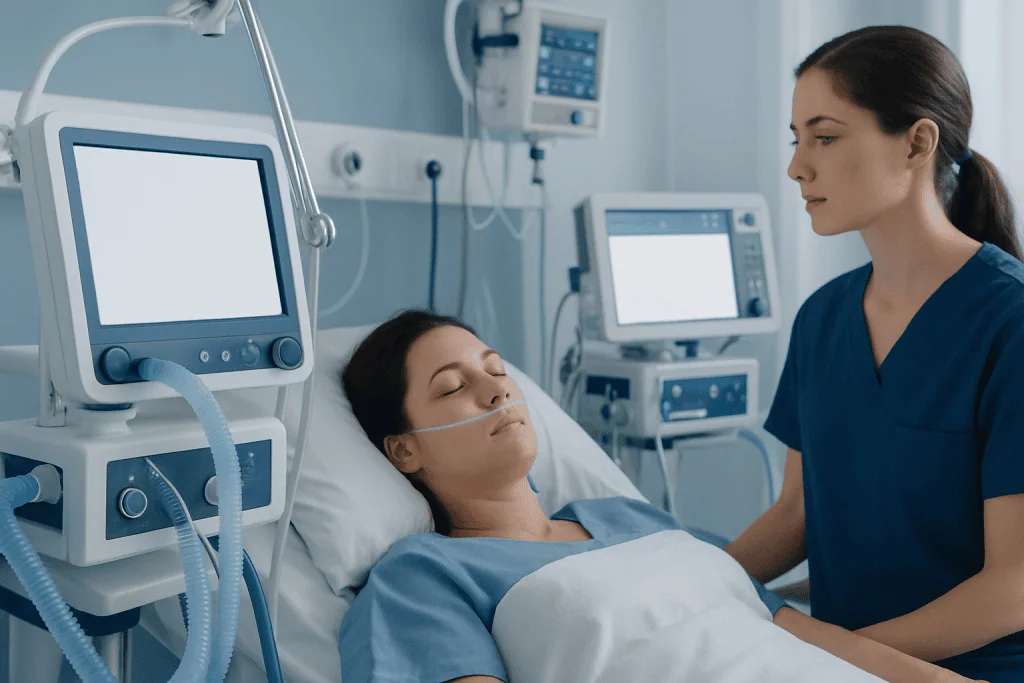
The first steps usually focus on assessment and stabilization. The team checks the airway, breathing, circulation, oxygen levels, heart rhythm, blood pressure, temperature, and blood sugar. A brief neurological examination is done to assess speech, movement, alertness, vision, and other brain functions. These findings help guide urgent treatment decisions.
Brain imaging is essential because treatment depends on whether the stroke is caused by a blocked blood vessel or bleeding in the brain. A CT scan is often performed right away, and some patients also need CT angiography, MRI, or other imaging to identify a clot, bleeding source, or signs of brain swelling. Blood tests are commonly ordered to check clotting, infection markers, kidney function, and other important factors.
If the stroke is due to a blocked artery, the team may consider time-sensitive treatments such as clot-dissolving medication or stroke treatment procedures to restore blood flow. If imaging shows bleeding, care shifts toward controlling pressure, preventing expansion of the bleed, and evaluating whether procedures such as brain aneurysm treatment or other neurosurgical or endovascular measures are needed.
Monitoring in the ICU or Stroke Unit

Continuous monitoring is one of the main reasons a person may be admitted to intensive stroke care. Nurses and physicians watch for any change in consciousness, strength, speech, pupil size, or behavior. These checks may happen very frequently at first because small changes can be an early sign of swelling, rebleeding, worsening blood flow, or a new complication.
Blood pressure is followed closely because both very high and very low readings can be harmful after stroke. Heart rhythm monitoring is also common, especially when doctors suspect an irregular rhythm such as atrial fibrillation may have contributed to the stroke. Oxygen levels, body temperature, and fluid balance are carefully managed as well.
In some patients, extra monitoring is needed. This may include repeat CT or MRI scans, monitoring of pressure inside the skull, or specialized vascular imaging if doctors are concerned about narrowed or blocked brain arteries. The level of monitoring depends on stroke severity, medical history, and how stable the patient remains over time.
Treatments Used in the First 24 to 48 Hours
Treatment depends on the stroke type. In ischemic stroke, the goal is to restore or support blood flow to affected brain tissue and reduce the risk of another blockage. Some patients are treated with clot-dissolving medicine within a limited time window, while others may need a catheter-based procedure to remove a clot from a large artery. Doctors also begin planning longer-term prevention once the patient is stable.
In hemorrhagic stroke, priorities are different. The team works to control bleeding-related damage, manage blood pressure, and reduce stress on the brain. If the person takes blood thinners, reversal treatment may be required. In selected cases, specialists may recommend brain and nerve surgery or other procedures if there is significant pressure, hydrocephalus, or a structural cause such as an aneurysm or vascular malformation.
Supportive care is just as important as emergency procedures. Patients may receive intravenous fluids, oxygen, pain relief when appropriate, and careful management of fever or abnormal blood sugar. If swallowing is unsafe, food and drink may be delayed until screening is complete to lower the risk of choking and aspiration pneumonia. When needed, a temporary feeding tube may be used while the team reassesses swallowing.
Common Risks and Complications Doctors Try to Prevent
Even after the initial emergency passes, stroke ICU care remains focused on preventing complications. Brain swelling can develop over hours to days, especially after large strokes. Bleeding can expand, and blocked vessels can sometimes lead to worsening symptoms. Frequent neurological exams and repeat imaging help doctors respond quickly if the situation changes.
Medical complications are also common after severe stroke. These can include difficulty swallowing, aspiration, pneumonia, urinary problems, blood clots in the legs, pressure injuries from immobility, seizures, and heart-related issues. The team uses positioning, early physical support, breathing exercises, clot-prevention measures, and skin care to reduce these risks.
Some patients may develop confusion, agitation, or extreme sleepiness. These symptoms can be related to the stroke itself, medication effects, infection, metabolic changes, or reduced oxygen. Close observation helps the team identify the cause rather than assuming all changes are simply part of the stroke.
- Swallow screening helps reduce the risk of food or liquid entering the lungs.
- Early movement and leg compression devices may help prevent blood clots.
- Careful blood pressure management helps protect vulnerable brain tissue.
- Temperature and blood sugar control support safer recovery.
What Families May See and How They Can Help
Families often see monitors, intravenous lines, compression devices on the legs, oxygen support, and repeated bedside examinations. While this can feel overwhelming, each part of care has a practical purpose. The care team is watching for subtle changes and responding quickly to anything that may threaten the brain or the rest of the body.
Family members can help by sharing the patient’s medical history, current medications, allergies, and the time symptoms first began or the last time the person was known to be well. This information can directly affect treatment decisions. It also helps to identify who will be the main contact person for updates, which can make communication smoother.
In the first day or two, emotional support matters, but stimulation may need to be limited if the patient is very ill or confused. Speaking calmly, bringing hearing aids or glasses if available, and asking staff how best to interact can be useful. As the condition becomes clearer, families may also begin discussing rehabilitation needs, prognosis, and prevention of another stroke.
The Next Steps After Initial ICU Care
If the patient stabilizes, the team usually shifts from emergency management to early recovery planning. This may include physical, occupational, and speech therapy evaluations, further testing to determine the stroke cause, and decisions about medicines for prevention. Common evaluations may look at the heart, blood vessels in the neck and brain, cholesterol, diabetes, and other factors linked with cerebrovascular disease.
Some people move from the ICU to a regular stroke unit within a day or two, while others need a longer stay because of swelling, breathing problems, or other complications. Recovery does not follow a single timeline. Early improvement can happen, but many patients still need rehabilitation and continued medical follow-up after the acute phase.
Before discharge, the team usually discusses warning signs, risk factor control, and a plan for rehabilitation. Depending on the stroke type and the person’s needs, that plan may include inpatient rehabilitation, home-based therapy, or outpatient care. Near the end of this process, some international patients may seek coordinated care through centers such as Acibadem International, where multidisciplinary specialists in JCI-accredited hospitals diagnose and treat stroke and related neurological conditions.
Families should ask about the reason for the stroke, the expected short-term risks, and the goals for the next few days. Clear communication can make a complex situation easier to understand and may help patients transition more smoothly into rehabilitation and long-term prevention.
Frequently asked questions
Why does someone with a stroke need ICU care?
ICU care is used when a stroke is severe or when very close monitoring is needed. The team watches for changes in brain function, breathing, blood pressure, heart rhythm, and swelling so treatment can be adjusted quickly.
What tests are usually done in the first 24 to 48 hours after a stroke?
Most patients have urgent brain imaging, usually a CT scan, to determine whether the stroke is caused by a clot or bleeding. Blood tests, heart monitoring, and sometimes MRI or blood vessel imaging are also used to guide treatment and look for the cause.
How often are neurological checks done?
Neurological checks are often done very frequently at first, sometimes every hour or even more often depending on the situation. These checks look for changes in alertness, movement, speech, pupils, and other signs that may suggest improvement or a complication.
Can family members stay with the patient in the ICU?
Visiting rules vary by hospital and by the patient's condition. In many cases, family members can visit at set times and may be asked to keep the environment calm so the patient can rest and the team can perform regular assessments.
What are doctors most worried about in the first two days after a stroke?
The main concerns are worsening brain injury, swelling, bleeding, breathing problems, aspiration, infection, seizures, and blood pressure instability. Preventing these complications is a major part of early stroke care.
Does ICU care mean the stroke is always life-threatening?
Not always. Some people are admitted to the ICU mainly because they need close observation after a serious event or a time-sensitive treatment. ICU admission reflects the need for careful monitoring, not necessarily a certain outcome.
References
- World Health Organization
- American Stroke Association
- National Institute of Neurological Disorders and Stroke
- European Stroke Organisation
- Centers for Disease Control and Prevention
This article is for general information only and is not a substitute for professional medical advice. Please consult a qualified doctor about your individual situation.
Explore treatments in Turkey — costs, top hospitals & a free quote
JCI-accredited · board-certified surgeons · reply within 24h