Hibiscus Tea: What Patients Need to Know
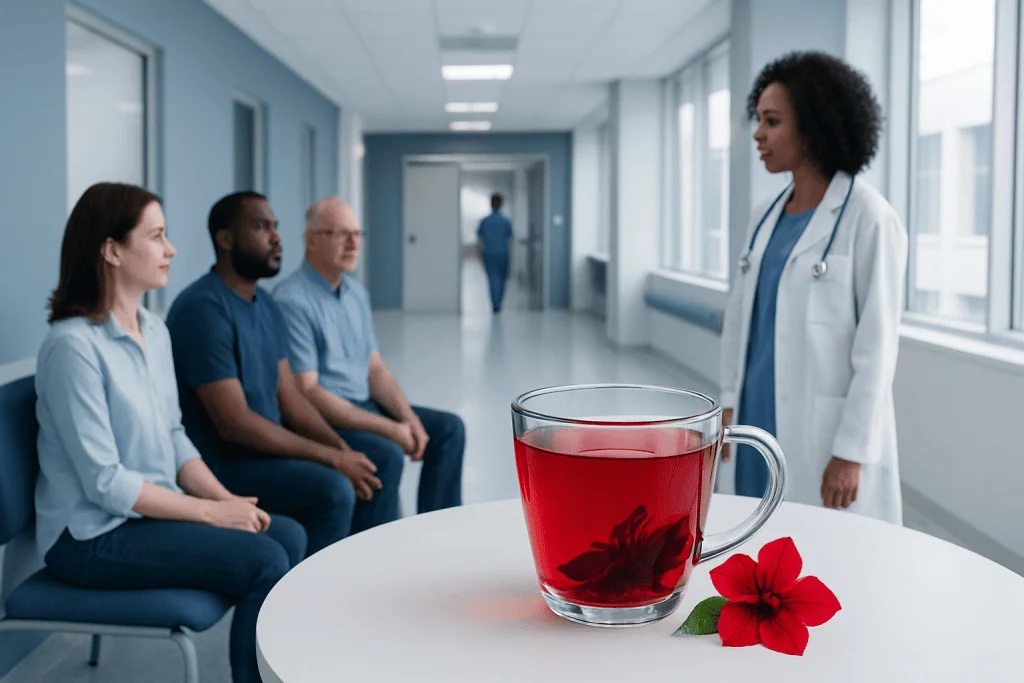
Hibiscus tea is naturally caffeine-free and rich in plant compounds called polyphenols. It may help support healthy blood pressure and general heart health in some adults.
Key Takeaways
- Hibiscus tea is naturally caffeine-free and rich in plant compounds called polyphenols.
- It may help support healthy blood pressure and general heart health in some adults.
- Hibiscus tea can interact with certain medicines, including blood pressure and diabetes treatments.
- It is not a substitute for prescribed treatment or regular medical follow-up.
- People who are pregnant, have low blood pressure, or take multiple medications should ask a doctor before using it regularly.
Medically reviewed by the Acıbadem International Medical Board — July 16, 2026
Hibiscus tea is a caffeine-free herbal tea made from the dried calyces of Hibiscus sabdariffa. Many people drink it for its tart flavor and possible health benefits, but safe use depends on a person’s medical history, medications, and overall health goals.
Overview: what hibiscus tea is and what patients should know
Hibiscus tea is an herbal infusion made from the dried red parts of the hibiscus flower, most often Hibiscus sabdariffa. It has a bright red color and a tart, cranberry-like taste. Because it does not come from the tea plant, it is naturally caffeine-free unless blended with other ingredients.
Patients often ask whether hibiscus tea is healthy. In general, hibiscus tea can be part of a balanced diet for many adults. It contains plant compounds with antioxidant activity, and some research suggests it may help support healthy blood pressure and overall cardiovascular wellness. However, its effects are usually modest, and it should be viewed as a food or beverage, not a treatment on its own.
What matters most is context. A person’s medications, blood pressure, blood sugar, kidney and liver health, and pregnancy status all influence whether regular hibiscus tea use is appropriate. For this reason, patient education should focus not only on potential benefits, but also on safety, interactions, and when medical guidance is needed.
Potential health benefits of hibiscus tea
Hibiscus tea is best known for its possible role in heart and vascular health. Some studies suggest that regular intake may help support healthy blood pressure levels, especially in adults with mildly elevated readings. This may be related to its polyphenols and its mild effect on blood vessel function and fluid balance. Still, it should not replace medical evaluation for persistent high readings or known hypertension.
It may also contribute to general hydration and can be a useful alternative to sugary drinks. For people trying to reduce caffeine or sweetened beverages, unsweetened hibiscus tea offers flavor without added sugar. This can make it easier to follow a heart-conscious eating pattern over time.
Researchers have also explored hibiscus tea in relation to cholesterol, inflammation, and metabolic health. The evidence is mixed, and results are not strong enough to recommend it as a primary treatment for high cholesterol, obesity, or diabetes. Even so, as part of a healthy lifestyle that includes regular activity and a balanced diet, it may fit well into supportive self-care.
- Naturally caffeine-free when pure
- Contains antioxidant plant compounds
- May support healthy blood pressure in some adults
- Can help replace sweetened beverages when taken unsweetened
Possible side effects and who should be cautious

Most healthy adults can drink hibiscus tea in moderate amounts without major problems. Even so, side effects can occur. Some people notice stomach discomfort, nausea, gas, or a feeling of acidity, especially when drinking strong tea or having it on an empty stomach. Sweetened versions may also add unnecessary sugar.
Because hibiscus tea may lower blood pressure, it may not be ideal for people who already have low blood pressure or who become dizzy easily. In sensitive individuals, this effect could contribute to lightheadedness, weakness, or faintness. Anyone with symptoms such as repeated dizziness or near-fainting should speak with a clinician rather than assuming the tea is harmless.
There is also caution around use in pregnancy. Evidence is limited, and herbal products are not always studied as carefully as medications. For this reason, pregnant people, those trying to conceive, and those who are breastfeeding should ask a qualified doctor before using hibiscus tea regularly or in concentrated forms such as extracts and supplements.
Medicine interactions and medical conditions to discuss with a doctor
One of the most important patient issues is interaction with medicines. Hibiscus tea may increase the effect of blood pressure-lowering drugs in some people, making blood pressure drop too much. It may also affect blood sugar control, so people taking diabetes medicines should be cautious and monitor for changes under medical advice. This is especially relevant for patients already being treated in cardiology care or endocrine clinics.
Hibiscus may also interact with some diuretics, pain relievers, and other medicines processed by the liver. Herbal teas can seem mild, but they still contain active compounds. A patient who takes several prescriptions, over-the-counter medicines, or supplements should not assume that a “natural” drink is automatically risk-free.
People with kidney disease, liver disease, recurrent low blood pressure, or complex medical conditions should check with a doctor before using hibiscus tea often. This is also sensible for anyone preparing for surgery or a procedure, since clinicians may want a clear picture of all herbs and supplements being used. A simple medication review can help prevent avoidable side effects.
How to use hibiscus tea safely
For most adults, the safest approach is moderation. Hibiscus tea is usually taken as a brewed drink rather than as a high-dose supplement. Using standard tea bags or dried petals from a reputable source is generally preferable to highly concentrated products, because concentrated extracts can have stronger and less predictable effects.
It is also wise to pay attention to what is added to the tea. Many bottled or café versions contain sugar, syrups, or blended stimulants. Patients trying to support blood pressure, weight, or blood sugar health should choose unsweetened forms whenever possible. If the tart flavor is too strong, a small amount of fruit or a slice of citrus may be a better option than large amounts of sugar.
People who monitor blood pressure at home may choose to track their readings if they begin drinking hibiscus tea regularly, especially if they are also making other lifestyle changes. This can help show whether there is any meaningful effect and whether dizziness or low readings appear. If blood pressure remains high despite lifestyle efforts, medical assessment is important and may include evaluation and hypertension treatment.
How hibiscus tea fits into a healthy lifestyle
Hibiscus tea is most useful when seen as one small part of a broader health plan. No tea can counterbalance a diet high in salt and ultra-processed foods, lack of exercise, poor sleep, or missed medication. The strongest benefits for long-term health still come from proven habits such as a balanced diet, physical activity, not smoking, and routine medical follow-up.
For heart health, patients may think of hibiscus tea as a supportive choice rather than a cure. Replacing sugary drinks with unsweetened herbal tea can be a realistic step. Pairing that change with a diet rich in vegetables, fruits, legumes, whole grains, and healthy fats can have a greater impact than any single beverage.
If a patient has ongoing concerns about cholesterol, blood pressure, or diabetes risk, a structured assessment is more helpful than self-treating with herbs alone. In some cases, a doctor may recommend blood tests, blood pressure monitoring, or referral for specialized support such as check-up and screening or broader preventive care planning.
When to seek medical care
Medical care is appropriate if a person develops symptoms after drinking hibiscus tea, such as persistent dizziness, fainting, palpitations, vomiting, rash, or trouble breathing. These symptoms are not typical and should not be ignored. Prompt assessment is especially important for older adults, pregnant patients, and people with chronic illness.
A doctor should also be consulted if someone is using hibiscus tea to manage a known condition such as high blood pressure, diabetes, or high cholesterol instead of recommended treatment. Home measures can be helpful, but they should not delay diagnosis or proper care. Patients with repeated high blood pressure readings, symptoms of low blood sugar, or medication side effects need individualized guidance.
Near the end of a patient’s care journey, it can be helpful to have all dietary supplements and herbal products reviewed together with prescriptions. Acibadem International’s multidisciplinary specialists in JCI-accredited hospitals diagnose and treat patients with cardiovascular and metabolic conditions, including those who need assessment of symptoms, medication plans, or lifestyle strategies related to diabetes and heart health.
Frequently asked questions
Is hibiscus tea good for blood pressure?
Hibiscus tea may help support healthy blood pressure in some adults, especially as part of an overall healthy lifestyle. Its effect is usually modest, so it should not replace prescribed medication or doctor follow-up for high blood pressure.
Can hibiscus tea be taken every day?
Many healthy adults can drink hibiscus tea regularly in moderate amounts. Daily use may not be suitable for everyone, especially people with low blood pressure, pregnancy, chronic illness, or those taking several medications.
Does hibiscus tea contain caffeine?
Pure hibiscus tea is naturally caffeine-free because it is an herbal infusion, not a traditional tea made from tea leaves. However, some commercial blends may include black tea, green tea, or other caffeinated ingredients, so labels should be checked.
Who should avoid hibiscus tea?
People who are pregnant, have low blood pressure, or take blood pressure or diabetes medicines should speak with a doctor before using it regularly. Extra caution is also wise for those with liver or kidney disease and anyone taking multiple medicines or supplements.
Can hibiscus tea interact with medications?
Yes. Hibiscus tea may affect how some medicines work, particularly treatments for blood pressure and blood sugar. Because herbal products can also influence liver processing of drugs, patients should mention regular hibiscus use during medication reviews.
Is hibiscus tea safe for weight loss?
Hibiscus tea is not a proven weight-loss treatment. It can, however, be a helpful low-calorie beverage choice if it replaces sugary drinks, but lasting weight management still depends on nutrition, activity, sleep, and medical factors.
References
- World Health Organization
- National Center for Complementary and Integrative Health
- American Heart Association
- National Institutes of Health
- U.S. Food and Drug Administration
This article is for general information only and is not a substitute for professional medical advice. Please consult a qualified doctor about your individual situation.
Explore treatments in Turkey — costs, top hospitals & a free quote
JCI-accredited · board-certified surgeons · reply within 24h