Bump on Roof of Mouth: What Patients Need to Know

Many bumps on the roof of the mouth are benign and related to irritation, ulcers, burns, or normal anatomy. A hard midline bump may be torus palatinus, a harmless bony growth that usually does not need treatment.
Key Takeaways
- Many bumps on the roof of the mouth are benign and related to irritation, ulcers, burns, or normal anatomy.
- A hard midline bump may be torus palatinus, a harmless bony growth that usually does not need treatment.
- Pain, fever, swelling, pus, bleeding, or a lump lasting more than two weeks deserves professional evaluation.
- Diagnosis may involve an oral exam and, if needed, imaging or biopsy to identify the cause.
- Treatment depends on the cause and may include observation, oral care, medicines, drainage, or removal of a lesion.
A bump on roof of mouth is common and is often caused by minor irritation, a mouth ulcer, or a harmless bony prominence. However, a lump that is painful, growing, bleeding, or not healing should be checked by a dentist or doctor to rule out infection, cysts, or less common serious conditions.
Overview: what a bump on the roof of the mouth can mean
A bump on roof of mouth can have several causes, and many are not dangerous. Common explanations include irritation from hot food, trauma from sharp foods, a canker sore, a blocked salivary gland, or a benign bony growth called torus palatinus. The appearance, texture, pain level, and how long the bump has been present all help guide what it may be.
The roof of the mouth, also called the palate, has two parts. The front portion is the hard palate, which contains bone beneath the tissue. The back portion is the soft palate, which is more flexible. Bumps can form in either area, and their location can offer clues about the cause.
Some lumps develop suddenly after eating very hot food or after an injury. Others grow slowly over time and may be noticed only during brushing, eating, or a dental exam. While many palate bumps improve on their own, a lump that keeps growing, returns repeatedly, or does not heal should be assessed by a qualified clinician.
Common signs and how to describe the bump
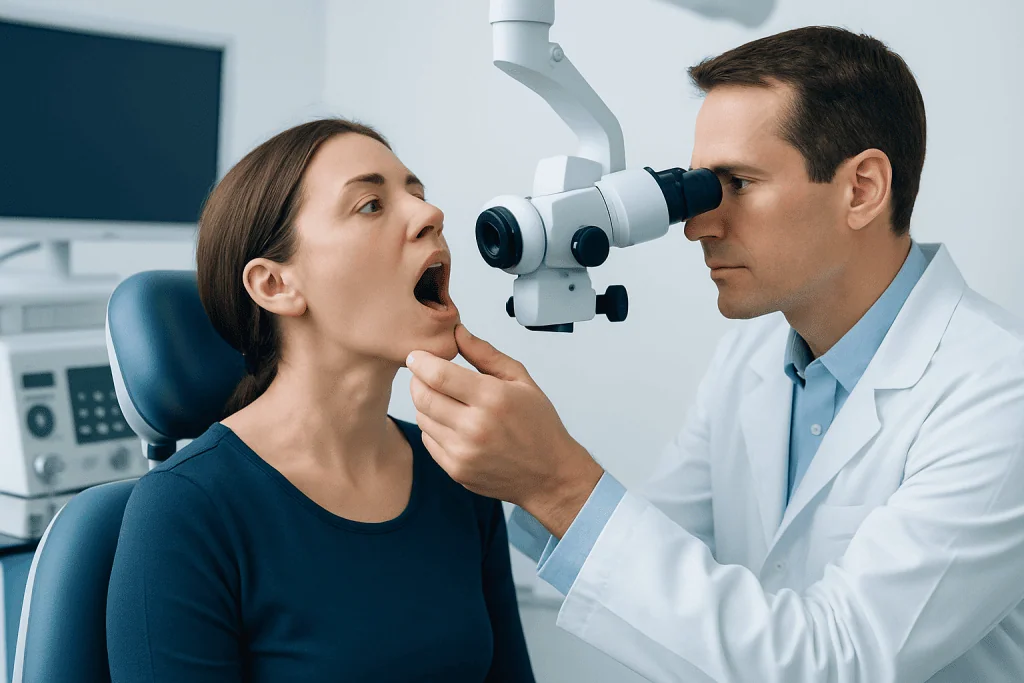
Patients often notice a palate bump because it feels unusual when the tongue touches it. Describing the bump clearly can help a clinician narrow the possibilities. Useful details include whether it is hard or soft, smooth or rough, painful or painless, and whether it appeared suddenly or gradually.
Some bumps are tender and red, especially if they are related to irritation, burns, or ulcers. Others are firm, pale, and covered by normal tissue, as can happen with a bony growth. A fluid-filled bump may look translucent or bluish, while an infected area may appear swollen, warm, or draining.
- Size: tiny spot, pea-sized, or larger
- Texture: hard, rubbery, soft, or fluid-filled
- Symptoms: pain, burning, bleeding, pus, numbness, or bad taste
- Timing: new, recurring, or present for weeks or months
- Triggers: hot foods, dental appliances, smoking, or recent illness
Taking note of these features can be helpful before a medical or dental visit. Photos taken over several days may also show whether the bump is healing, changing, or spreading.
Possible causes of a bump on the palate

One common cause is local irritation. The roof of the mouth can be injured by hot pizza, sharp chips, hard crusts, or ill-fitting dental devices. This may lead to swelling, a blister, or a sore patch that feels like a small bump. Minor trauma often improves within days when the area is protected.
Another common explanation is a canker sore, which can form on soft tissues in the mouth and may feel raised before it opens into a shallow ulcer. Blocked minor salivary glands can also create a small cyst-like bump. Some infections, including viral or fungal conditions, may cause painful or irritated palate lesions, especially in people with reduced immunity or dry mouth.
A hard bump in the center of the hard palate may be torus palatinus, a benign overgrowth of bone. It is not cancer and often needs no treatment unless it interferes with eating, speech, or dental appliances. Dentists may also evaluate whether a lump is related to gum disease, a tooth-root problem, or oral cancer when warning signs are present.
Less commonly, a bump can represent a benign tumor, an abscess, a papilloma, or a lesion arising from salivary gland tissue. Because the palate contains many different tissue types, persistent or unusual lumps may need a more detailed oral and head-and-neck assessment.
Risk factors and warning signs
Anyone can develop a bump on the roof of the mouth, but some factors make certain causes more likely. Smoking, alcohol use, poor-fitting dentures, dry mouth, poor oral hygiene, and recent dental problems can increase the chance of irritation or infection. Recurrent mouth ulcers may be associated with stress, local trauma, nutritional deficiencies, or inflammatory conditions.
Most palate bumps are minor, but certain features deserve closer attention. A lump that lasts longer than two weeks, becomes larger, feels fixed in place, bleeds easily, or causes trouble swallowing should not be ignored. Pain that worsens instead of improving can also suggest infection or another condition needing treatment.
Other warning signs include a neck lump, unexplained weight loss, persistent bad breath, fever, pus, facial swelling, or loose teeth. People with a history of tobacco use, heavy alcohol use, immune suppression, or previous head and neck disease should be especially prompt in seeking evaluation for lasting mouth lesions.
How doctors and dentists diagnose the cause
Diagnosis starts with a careful history and oral examination. A dentist, oral medicine specialist, or ear, nose, and throat doctor will ask when the bump appeared, whether it hurts, if it changes in size, and whether there has been recent trauma, illness, dental work, or tobacco exposure. The clinician will examine the palate, gums, tongue, teeth, and throat and may also feel the neck for enlarged lymph nodes.
In many cases, the cause can be identified during the exam. A classic torus palatinus, a healing burn, or a typical canker sore may not require additional tests. If a tooth infection or deeper process is suspected, dental X-rays or other imaging tests may be recommended to assess nearby structures.
When a lesion is persistent, unusual, or suspicious, the doctor may suggest a small tissue sample for analysis. A biopsy helps determine whether the tissue is inflammatory, infectious, benign, or malignant. Laboratory tests are sometimes added if recurrent ulcers, immune problems, or nutritional concerns are suspected.
The goal of diagnosis is not only to name the bump but also to identify whether it needs treatment, monitoring, or reassurance. Early assessment is especially important when symptoms are not following the usual course of healing.
Treatment options and what recovery may involve
Treatment depends entirely on the underlying cause. Minor burns, irritation, and many small ulcers improve with time, gentle oral hygiene, avoiding spicy or acidic foods, and staying well hydrated. Doctors may recommend rinses, topical treatments, or pain-relieving measures to make eating and speaking more comfortable.
If the bump is caused by infection, treatment may focus on the source. A dental abscess may require drainage and care of the affected tooth, while fungal or viral conditions may need specific medicines. Some cysts or blocked glands settle on their own, but larger or recurring lesions may need a procedure.
Benign growths that interfere with function can sometimes be removed. For example, a large torus palatinus or a bothersome soft-tissue lesion may be treated with oral and maxillofacial surgery if it causes repeated trauma or prevents proper dental appliance fitting. If cancer is diagnosed, care is guided by stage and location and may involve head and neck cancer treatment planned by a multidisciplinary team.
Recovery varies with the cause. Simple traumatic sores often heal within one to two weeks, while procedures may require a longer healing period and follow-up visits. A clinician can explain expected healing time and which changes should prompt earlier review.
Self-care, prevention, and monitoring at home
Gentle mouth care is often helpful while a palate bump is healing. Patients can brush carefully with a soft toothbrush, drink enough water, and avoid foods that are very hot, sharp, spicy, or acidic if these worsen discomfort. It is also sensible to avoid tobacco products and limit alcohol, both of which can irritate the mouth.
Good oral hygiene and regular dental visits can reduce the risk of some causes, particularly those linked to infection, dental disease, or poorly fitting appliances. Dentures or retainers that rub the palate should be adjusted professionally rather than tolerated. If mouth dryness is a problem, addressing it may lower irritation and infection risk.
Monitoring is important. If the bump is getting smaller and symptoms are settling, continued observation may be appropriate. If it persists beyond two weeks, grows, ulcerates, or repeatedly returns, a professional assessment is the safest next step.
For international patients who need further evaluation, Acibadem International’s multidisciplinary specialists in JCI-accredited hospitals diagnose and treat oral and head-and-neck conditions using coordinated dental, ENT, imaging, and surgical care.
When to seek medical care
A bump on the roof of the mouth should be checked promptly if it is severe, rapidly enlarging, or associated with fever, facial swelling, difficulty swallowing, or trouble breathing. These features can suggest infection or another condition that needs urgent care.
Non-urgent but important reasons to arrange a dental or medical visit include a lump lasting more than two weeks, a hard or fixed mass, recurrent sores in the same area, unexplained bleeding, a persistent bad taste, or pain that does not improve. Evaluation is also wise if there is a neck lump, weight loss, or a personal history that raises concern.
When in doubt, it is reasonable to start with a dentist, primary care doctor, or ENT specialist. Early assessment often provides reassurance for benign causes and helps ensure that more significant conditions are identified and managed without delay.
Frequently asked questions
Is a bump on the roof of the mouth usually serious?
Often, no. Many palate bumps are caused by irritation, burns, ulcers, or harmless bony growths. A bump that lasts more than two weeks, grows, bleeds, or causes other symptoms should still be examined.
What is a hard bump in the middle of the roof of the mouth?
A hard midline bump may be torus palatinus, which is a benign extra growth of bone on the hard palate. It is usually painless and does not need treatment unless it interferes with eating, speech, or dental appliances.
Can a burned mouth feel like a bump?
Yes. Hot food can injure the palate and cause swelling, a blister, or a tender raised area. These injuries often improve within several days with gentle oral care and avoidance of further irritation.
How long should a bump on the roof of the mouth last?
Minor traumatic bumps and small sores may improve within days and often heal within one to two weeks. If a lump is still present after two weeks or is becoming larger, a dentist or doctor should evaluate it.
Can a tooth problem cause a lump on the palate?
Yes. In some cases, an infection related to a tooth root can lead to swelling or an abscess that affects the palate. This may be painful and can require dental treatment to address the source.
Should a painless bump still be checked?
Yes, especially if it is new, persistent, firm, or changing in size. Not all important mouth conditions cause pain, so lack of discomfort does not always mean the lesion is harmless.
References
- American Dental Association
- National Institute of Dental and Craniofacial Research
- Mayo Clinic
- Cleveland Clinic
- World Health Organization
This article is for general information only and is not a substitute for professional medical advice. Please consult a qualified doctor about your individual situation.
Persistent digestive symptoms? Get evaluated in Turkey
JCI-accredited · board-certified surgeons · reply within 24h