Sleeping Naked: An Evidence-Based Guide for Patients
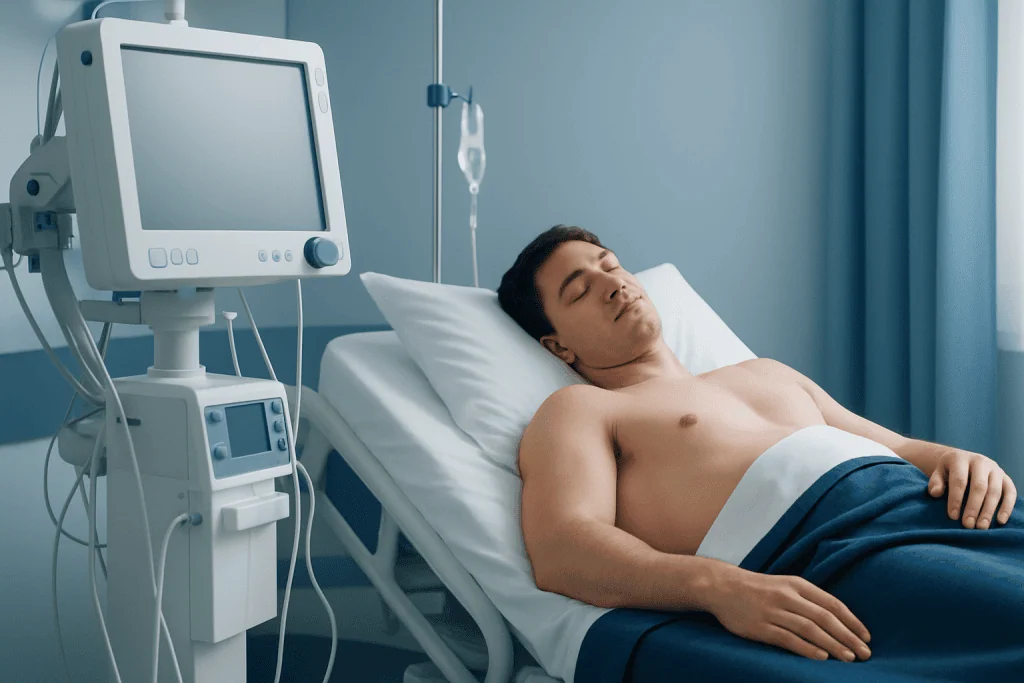
Sleeping naked is generally safe for healthy adults if the sleep environment is clean, comfortable, and at a suitable temperature. The main potential benefit is improved comfort from better temperature regulation, which may help some people sleep more soundly.
Key Takeaways
- Sleeping naked is generally safe for healthy adults if the sleep environment is clean, comfortable, and at a suitable temperature.
- The main potential benefit is improved comfort from better temperature regulation, which may help some people sleep more soundly.
- It is not ideal for everyone, especially people with skin irritation, frequent nighttime urination, incontinence, cold sensitivity, or certain infections.
- Good sleep hygiene matters more than clothing choice alone for long-term sleep quality.
- Persistent night sweats, poor sleep, itching, pain, or breathing problems should be discussed with a doctor.
Sleeping naked can be a reasonable personal choice for some adults, especially if it helps them stay cool and comfortable at night. Its benefits are often practical rather than dramatic, and the best sleepwear is the option that supports safe, restful sleep and fits a person’s health needs.
Overview: Is sleeping naked a good idea?
Sleeping naked is usually a matter of comfort rather than a medical necessity. For many healthy adults, it is a safe choice and may make sleep feel more comfortable by helping the body avoid overheating under heavy sleepwear or bedding. If a person sleeps well, feels comfortable, and keeps a clean sleep environment, sleeping naked is generally acceptable.
At the same time, sleeping naked is not automatically healthier than wearing light, breathable sleep clothes. Sleep quality depends on many factors, including room temperature, stress, caffeine use, screen exposure before bed, pain, and sleep disorders. Clothing is only one piece of the picture.
A practical way to think about sleeping naked is this: it may be helpful if it improves comfort without causing skin irritation, cold exposure, hygiene concerns, or disruption during the night. If it does not feel comfortable, there is no medical reason most people need to do it.
How sleeping naked may affect sleep and body temperature
Body temperature changes naturally across the sleep-wake cycle. A slight drop in core body temperature helps support the body’s transition into sleep. If sleepwear is too warm, tight, or not breathable, it may trap heat and make it harder for some people to settle or stay asleep comfortably.
Sleeping naked can help a person feel cooler, particularly in a warm room or during hot weather. This may be especially noticeable in people who tend to sleep hot, use thick bedding, or experience occasional overheating at night. In these situations, removing extra layers may reduce restlessness and sweating.
However, comfort is individual. Some people sleep better with lightweight cotton or moisture-wicking sleepwear because it provides warmth, absorbs sweat, and reduces friction against the skin. The goal is not to sleep with less clothing at all costs, but to create a temperature-balanced sleep environment that feels comfortable throughout the night.
Other steps often matter more than clothing choice alone, such as:
- Keeping the bedroom cool, quiet, and dark
- Choosing breathable bedding
- Avoiding heavy meals and alcohol close to bedtime
- Following a consistent sleep schedule
- Addressing symptoms like snoring, reflux, or pain that may disturb sleep
Possible benefits of sleeping naked
The most realistic benefit of sleeping naked is improved comfort. If a person feels less overheated, less restricted, and more relaxed in bed, that may support better sleep continuity. For some people, fewer awakenings from feeling too warm can translate into a more restful night.
Sleeping naked may also reduce pressure from tight waistbands, elastic, seams, or rough fabrics. People with sensitive skin sometimes find that soft bedding without additional clothing reduces irritation from friction. Others prefer the sense of freedom of movement that comes with less restrictive sleepwear.
There can also be practical benefits for people who experience occasional warmth-related discomfort, such as mild hot flashes or non-medical night sweating. That said, repeated or severe sweating at night should not automatically be explained by sleepwear. Persistent night sweats can sometimes be linked to medical conditions and deserve proper evaluation.
Claims that sleeping naked dramatically changes metabolism, hormones, fertility, or long-term health are often overstated. While temperature and comfort do influence sleep, there is no strong basis for presenting sleeping naked as a cure-all. It is best seen as one possible comfort strategy within broader sleep hygiene habits.
When sleeping naked may not be the best choice
Sleeping naked may be less suitable for people who feel cold easily, wake up often to use the bathroom, or share a sleep environment that is not consistently clean or comfortable. If a person becomes chilled overnight, that discomfort can interrupt sleep and outweigh any cooling benefit.
People with certain skin concerns may also need to be selective. Eczema, contact irritation, fungal infections in skin folds, or friction-sensitive areas may improve with breathable fabrics in some cases and worsen in others. The right choice depends on the individual pattern of symptoms and whether the skin benefits more from airflow or from a protective soft layer. People with ongoing itching, rash, or irritation may need assessment for eczema or other skin conditions.
Sleeping naked may also be inconvenient or less hygienic for people with urinary incontinence, frequent menstrual leakage, heavy sweating, or skin infections that require dressings. In these situations, light, clean sleepwear may be more practical and may help protect bedding and skin.
For people with significant snoring, repeated awakenings, or daytime sleepiness, the key issue is usually not clothing. These symptoms may suggest an underlying sleep disorder such as sleep apnea, which requires medical evaluation rather than changes in sleepwear alone.
Skin health, intimate health, and hygiene considerations
From a skin perspective, sleeping naked can be helpful for some people because it reduces occlusion from tight or non-breathable fabrics. Better airflow may feel more comfortable in warm environments and may reduce moisture buildup in some areas of the body. This can be useful when heat and sweating are contributing to mild irritation.
At the same time, skin health depends heavily on overall hygiene and the condition of the bedding. Sheets, blankets, and mattress covers collect sweat, skin cells, oils, and allergens over time. People who sleep naked should be especially attentive to laundering bedding regularly and choosing soft, breathable materials that do not irritate the skin.
For intimate health, breathable clothing or no clothing at night may feel more comfortable for some people, especially if tight synthetic underwear causes irritation. But sleeping naked is not a treatment for infection. Symptoms such as unusual discharge, itching, odor, pain, or recurrent irritation should be checked by a doctor, as they may point to a gynecologic, dermatologic, or urologic issue.
If there are ongoing concerns about rashes, recurring irritation, or lesions, a specialist may recommend evaluation and, when appropriate, dermatology care to identify triggers and protect the skin barrier.
How to decide what is best for sleep
The best approach is to judge sleeping naked by comfort, sleep quality, and practical needs rather than trends. If a person falls asleep easily, stays asleep, and wakes feeling rested, their current sleepwear choice may already be working well. If they often wake up too warm, switching to lighter clothing or no clothing may be worth trying.
A simple trial can help. A person can compare several nights of sleeping naked with several nights in lightweight, breathable sleepwear while keeping other factors similar, such as room temperature, bedding, and bedtime schedule. Looking at comfort, sweating, awakenings, and morning restfulness often gives a clearer answer than general advice.
It may also help to focus on broader sleep habits. Measures such as limiting evening screen time, reducing caffeine later in the day, maintaining regular sleep hours, and keeping the room cool often make a larger difference than clothing choice alone. If poor sleep continues despite these steps, formal sleep assessment may be useful, sometimes including sleep study testing when a doctor suspects a sleep disorder.
People with chronic pain, reflux, anxiety, breathing symptoms, or night sweats should also remember that disturbed sleep may reflect an underlying medical issue. In those situations, choosing sleepwear for comfort is reasonable, but the root cause still deserves attention.
When to seek medical care
Sleeping naked itself is usually not a medical problem. Medical advice is more important when symptoms around sleep suggest an underlying condition. A doctor should be consulted if sleep is regularly unrefreshing, insomnia persists, loud snoring or witnessed pauses in breathing occur, or daytime sleepiness affects daily function.
Medical review is also sensible for persistent night sweats, unexplained weight loss, recurrent skin rashes, genital irritation, urinary symptoms, or pain that interferes with sleep. These symptoms are not necessarily serious, but they should not be dismissed as simply a result of sleeping without clothes.
Evaluation may involve a general medical assessment and, depending on the symptoms, support from sleep medicine, dermatology, gynecology, urology, or internal medicine specialists. Near the end of the care pathway, some people may also need targeted treatment for related problems such as sleep apnea treatment. Acibadem International’s multidisciplinary specialists and JCI-accredited hospitals diagnose and treat sleep-related and skin-related concerns for international patients.
Frequently asked questions
Is sleeping naked healthy?
Sleeping naked can be healthy if it helps a person stay comfortable and sleep well. It is not automatically better than wearing light sleepwear, and the healthiest choice is the one that supports restful sleep, appropriate temperature, and good hygiene.
Does sleeping naked improve sleep quality?
It may improve sleep quality for some people, especially those who feel too warm at night. However, sleep quality depends on many factors, including stress, room temperature, sleep schedule, pain, and sleep disorders.
Can sleeping naked help with night sweats?
Sleeping naked may reduce discomfort from feeling overheated and can sometimes help a person feel cooler. But persistent or severe night sweats should be discussed with a doctor because they can have medical causes unrelated to sleepwear.
Is sleeping naked better for skin?
For some people, less friction and better airflow can feel better on the skin. For others, soft breathable clothing may protect sensitive skin more effectively, so the best option depends on the person’s symptoms and skin condition.
Who should avoid sleeping naked?
People who become cold easily, have frequent nighttime urination, incontinence, active skin irritation, or practical hygiene concerns may do better with lightweight sleepwear. Anyone with ongoing itching, rash, pain, or repeated sleep disruption should consider medical advice.
Is it safe to sleep naked every night?
For most healthy adults, it is safe to sleep naked every night if bedding is clean and the sleep environment is comfortable. The main concern is not the lack of clothing itself, but whether it leads to cold discomfort, irritation, or hygiene issues.
References
- American Academy of Sleep Medicine
- National Sleep Foundation
- Centers for Disease Control and Prevention
- National Institute of Neurological Disorders and Stroke
- American Academy of Dermatology
This article is for general information only and is not a substitute for professional medical advice. Please consult a qualified doctor about your individual situation.
Explore treatments in Turkey — costs, top hospitals & a free quote
JCI-accredited · board-certified surgeons · reply within 24h