Redness Around Eyes: A Complete Medical Overview

Redness around eyes can affect the eyelids, the skin around the eyes, or the white of the eye, and the cause matters for treatment. Common triggers include allergies, irritants, blepharitis, eczema, dry eye, and rubbing the eyes.
Key Takeaways
- Redness around eyes can affect the eyelids, the skin around the eyes, or the white of the eye, and the cause matters for treatment.
- Common triggers include allergies, irritants, blepharitis, eczema, dry eye, and rubbing the eyes.
- Warning signs such as eye pain, vision changes, significant swelling, fever, or redness in one eye need medical review.
- Treatment may involve avoiding triggers, gentle skin care, lubricating drops, allergy treatment, or prescription medicines.
- Because the eye area is delicate, self-treating with strong creams or non-prescribed eye drops may worsen symptoms.
Redness around eyes is a common symptom that may result from dry, sensitive skin, allergies, eyelid inflammation, eczema, or infection. Most cases are not dangerous, but pain, vision changes, swelling, or one-sided worsening should be assessed promptly by a doctor.
Overview: what redness around eyes can mean
Redness around eyes describes a change in color affecting the eyelids, the skin surrounding the eyes, or sometimes the surface of the eye itself. In many people, it is related to irritation, allergy, dryness, or inflammation of the eyelid margins. It can also appear with skin conditions such as eczema or contact dermatitis, especially because the skin around the eyes is thin and sensitive.
The symptom is best understood by looking at exactly where the redness occurs. Redness mainly on the eyelid skin may suggest a dermatologic problem, while redness with burning, tearing, or gritty discomfort may point to dry eye or inflammation of the eye surface. If the area is swollen, tender, and warm, an infection may need to be considered.
Most causes are treatable and improve once the trigger is identified. Even so, the eye area should be approached carefully. Products that are safe for other parts of the face may be too harsh near the eyes, and symptoms that seem mild at first can occasionally signal a more urgent eye problem.
Common symptoms that may occur with redness
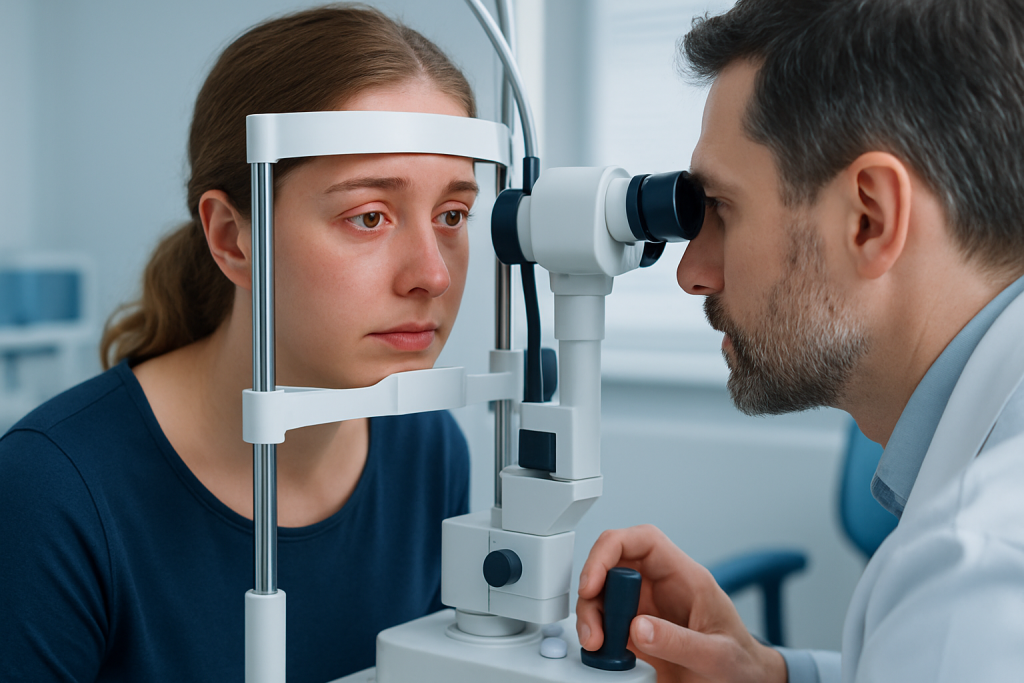
Redness around eyes may happen on its own or together with other symptoms. The pattern can help clinicians narrow down the cause. For example, itching often suggests allergy, while crusting along the lashes may be more typical of blepharitis, a common eyelid inflammation.
People may notice:
- Itching, stinging, or burning
- Dry, flaky, or scaly skin on the eyelids
- Tearing or watery eyes
- A gritty or sandy sensation
- Swollen eyelids, especially in the morning
- Crusting around the eyelashes
- Sensitivity to light
- Eye discharge or sticky lids
Symptoms involving the vision deserve special attention. Blurred vision, trouble keeping the eye open, marked light sensitivity, or deep eye pain are not typical of simple skin irritation and should not be ignored. Redness limited to one side, especially if worsening quickly, can also be important.
Why redness develops: irritation, allergy, inflammation, and infection

The skin around the eyes reacts easily to external triggers. Everyday causes include cosmetics, facial cleansers, sunscreen, hair products, nail polish, fragrances, or airborne irritants. Because hands often touch the face, even products applied elsewhere can be transferred to the eyelids and cause contact dermatitis. Rubbing the eyes repeatedly can further irritate already sensitive skin.
Allergic conditions are another common reason. Seasonal allergies may cause itching, watering, and puffiness, while chronic allergy can lead to ongoing rubbing and skin redness. Some people also have atopic dermatitis or eczema, which can affect the eyelids and cause dry, inflamed patches. Seborrheic dermatitis may add flaking around the lashes and brows.
Inflammatory eyelid disorders are frequent. Blepharitis involves irritation of the eyelid margins and may be linked to skin conditions, bacterial overgrowth, or oil gland dysfunction. Dry eye disease can coexist with blepharitis and may produce redness, burning, and fluctuating vision. In some patients, facial flushing and eye irritation are associated with rosacea.
Infections are less common than irritation or allergy, but they are important to recognize. Conjunctivitis can cause redness, discharge, and discomfort, while cellulitis around the eye causes more noticeable swelling, pain, and warmth. A stye or inflamed oil gland may create a tender lump at the lid edge. Rarely, redness can be related to deeper eye inflammation, which needs urgent eye specialist assessment.
Risk factors and triggers doctors often look for
Several factors make redness around eyes more likely. People with sensitive skin, eczema, allergies, asthma, rosacea, or chronic dry eye are often more prone to eyelid irritation. Contact lens wear can also contribute, especially when lenses are worn for long periods or cleaning routines are not ideal.
Environmental factors matter as well. Wind, smoke, air conditioning, low humidity, dust, and heavy screen use can dry the eyes and surrounding tissues. New makeup, anti-aging creams, retinoids, lash adhesives, or medicated face products are common clues when symptoms start suddenly. Even “natural” products can irritate the delicate eyelid skin.
Doctors may also ask about recent infections, sinus symptoms, insect bites, or trauma to the area. Persistent dandruff-like scaling on the lashes can suggest blepharitis. Recurrent symptoms after skin products or occupational exposures may point toward contact allergy and may sometimes require dermatologic evaluation.
How diagnosis is made
Diagnosis begins with a focused history and examination. A clinician will ask when the redness began, whether one or both eyes are involved, what products have been used near the eyes, and whether there are symptoms such as itching, pain, discharge, fever, or vision changes. This context often reveals whether the problem is more likely allergic, irritant, inflammatory, or infectious.
The examination usually includes looking at the eyelid skin, lash line, tear film, and the white of the eye. Swelling pattern, crusting, tenderness, and the presence of a localized bump can help distinguish dermatitis, blepharitis, conjunctivitis, or a stye. If symptoms involve the eye itself, an ophthalmologist may examine the cornea and deeper structures more closely.
Testing is not always needed, but it can be helpful in selected cases. Allergy assessment may be considered for recurrent eyelid dermatitis. If chronic irritation is accompanied by dry eye symptoms, a formal dry eye evaluation and treatment plan may be useful. When infection is suspected, the doctor will focus on identifying severity and whether urgent treatment is needed.
Treatment options depend on the cause
There is no single treatment for redness around eyes because the best approach depends on the underlying problem. The first step is usually to remove likely triggers and simplify skin care. That may mean stopping new cosmetics, avoiding perfumed products, using a bland moisturizer approved for the eye area, and not rubbing the eyes. Cool compresses can help soothe itching and mild swelling.
If allergy is the main issue, doctors may recommend appropriate allergy treatment and supportive eye care. Lubricating eye drops can reduce dryness and irritation, while eyelid hygiene may help when crusting and lid margin inflammation are present. Blepharitis often improves with warm compresses and careful cleaning of the eyelid edges, though some people need prescription treatment.
When there is eczema or dermatitis, treatment may involve short-term anti-inflammatory medication chosen carefully because the eyelid skin is delicate. Suspected infection may require targeted therapy, and a painful eyelid lump may be managed as a stye or another lid condition. If symptoms are driven by significant lid inflammation or structural problems, a specialist may discuss oculoplastic evaluation in selected cases, although surgery is not needed for most people.
Persistent or complex cases may benefit from coordinated care across dermatology and ophthalmology. At centers such as Acibadem International, multidisciplinary specialists in JCI-accredited hospitals evaluate eye-area redness to identify whether the source is skin disease, allergy, dry eye, or a primary eye condition, and they may refer for ophthalmology care when appropriate.
Self-care and prevention
Gentle habits can prevent many episodes of redness around eyes. People who are prone to irritation often do best with fragrance-free cleansers and moisturizers, minimal product use near the eyes, and careful hand hygiene before touching the face. Makeup should be removed gently without harsh scrubbing, and expired eye products should be discarded.
For those with dry eye symptoms, reducing screen strain and improving blinking habits can help. Taking regular breaks, using a humidifier in dry environments, and staying aware of air flow from fans or vents may reduce eye surface irritation. Contact lens users should follow cleaning and replacement instructions closely and stop lens wear if redness increases.
If blepharitis or recurrent eyelid inflammation is a problem, routine eyelid care may lower flare-ups. Helpful steps may include:
- Warm compresses as advised by a clinician
- Gentle cleansing of the eyelid margins
- Avoiding rubbing or scratching
- Limiting exposure to known allergens or irritants
- Seeking review if symptoms keep returning
Self-care should remain cautious. Strong steroid creams, leftover prescription eye drops, whitening drops, or home remedies not designed for the eye area may worsen symptoms or mask an important diagnosis.
When to seek medical care
Many cases of redness around eyes improve with trigger avoidance and basic supportive care, but some symptoms need prompt medical attention. A doctor should assess redness that is severe, rapidly worsening, or not improving after several days of gentle self-care. Evaluation is also important if the problem keeps coming back, especially after skin products or seasonal exposures.
Medical care should be sought sooner if redness is accompanied by eye pain, decreased vision, marked sensitivity to light, thick discharge, fever, or pronounced swelling. One-sided swelling and redness with tenderness may suggest infection around the eye. A child with significant eyelid swelling or anyone who cannot fully open the eye should be examined promptly.
Emergency assessment is especially important when redness follows eye injury, chemical exposure, or sudden visual changes. In these situations, rapid examination helps protect vision and identify conditions that need urgent treatment.
Frequently asked questions
Is redness around eyes usually serious?
Most cases are caused by irritation, allergy, dryness, or mild eyelid inflammation rather than a dangerous disease. However, redness with pain, vision changes, fever, or significant swelling should be checked quickly by a doctor.
Can allergies cause redness around the eyes?
Yes. Allergies commonly cause itchy, watery, puffy eyes and redness of the surrounding skin. Repeated rubbing can make the skin more inflamed and prolong the problem.
Should someone use steroid cream on red eyelids?
Not without medical advice. The eyelid skin is very thin, and inappropriate use of steroid creams can cause side effects or hide an infection. A clinician can recommend the safest treatment for the specific cause.
What is the difference between eyelid redness and red eyes?
Eyelid redness affects the skin or margins of the lids, while red eyes usually refer to redness on the white part of the eye. Both can occur together, but they do not always have the same cause.
Can dry eye lead to redness around eyes?
Yes. Dry eye can cause burning, watering, grittiness, and redness of the eye surface, and people often rub their eyes because they are uncomfortable. That rubbing can irritate the skin around the eyes as well.
How long does redness around eyes last?
It depends on the cause. Mild irritation may improve within a few days after the trigger is removed, while eczema, blepharitis, or allergy may come and go over time and need ongoing management.
References
- American Academy of Ophthalmology
- National Eye Institute
- American Academy of Dermatology
- Mayo Clinic
- Merck Manual Consumer Version
This article is for general information only and is not a substitute for professional medical advice. Please consult a qualified doctor about your individual situation.
Explore treatments in Turkey — costs, top hospitals & a free quote
JCI-accredited · board-certified surgeons · reply within 24h