

P E Y O T E — Explained by Medical Evidence, Not Myths

p e y o t e contains mescaline, a psychoactive compound that can alter perception, emotions, and judgment. Effects may include hallucinations, nausea, vomiting, increased heart rate, anxiety, panic, and confusion.
Key Takeaways
- p e y o t e contains mescaline, a psychoactive compound that can alter perception, emotions, and judgment.
- Effects may include hallucinations, nausea, vomiting, increased heart rate, anxiety, panic, and confusion.
- The intensity of symptoms varies with dose, individual sensitivity, other substances used, and underlying mental or physical health conditions.
- Severe agitation, chest pain, seizures, overheating, or loss of consciousness need immediate medical attention.
- There is no safe way to predict how a person will react, especially if p e y o t e is mixed with alcohol, stimulants, or medications.
Medically reviewed by the Acıbadem International Medical Board — July 23, 2026
p e y o t e is a small cactus that contains mescaline, a hallucinogenic substance that affects perception, mood, thinking, and the body. Medical evidence shows that its effects are unpredictable, and some people may experience severe psychological distress, dehydration, accidents, or toxic reactions that require urgent care.
What p e y o t e is and how it affects the body
p e y o t e is a small, spineless cactus that contains mescaline, a naturally occurring hallucinogen. In medical terms, hallucinogens are substances that change perception, mood, thought processes, and the sense of reality. This means a person may see or hear things differently, feel emotionally intensified, or lose normal judgment for several hours.
Mescaline acts on the brain in ways that can disturb normal signaling related to serotonin and sensory processing. As a result, p e y o t e may produce visual changes, altered time perception, unusual thoughts, and strong emotional reactions. Some people describe these effects as spiritual or meaningful, while others experience fear, panic, or confusion. From a medical standpoint, the key point is that the response is highly variable and not fully predictable.
Its effects are not limited to the mind. p e y o t e can also cause physical symptoms such as nausea, vomiting, sweating, dilated pupils, increased heart rate, raised blood pressure, dizziness, and unsteady movement. These bodily changes may increase the risk of dehydration, falls, accidents, or worsening of existing heart or mental health conditions.
Common effects, symptoms, and possible complications
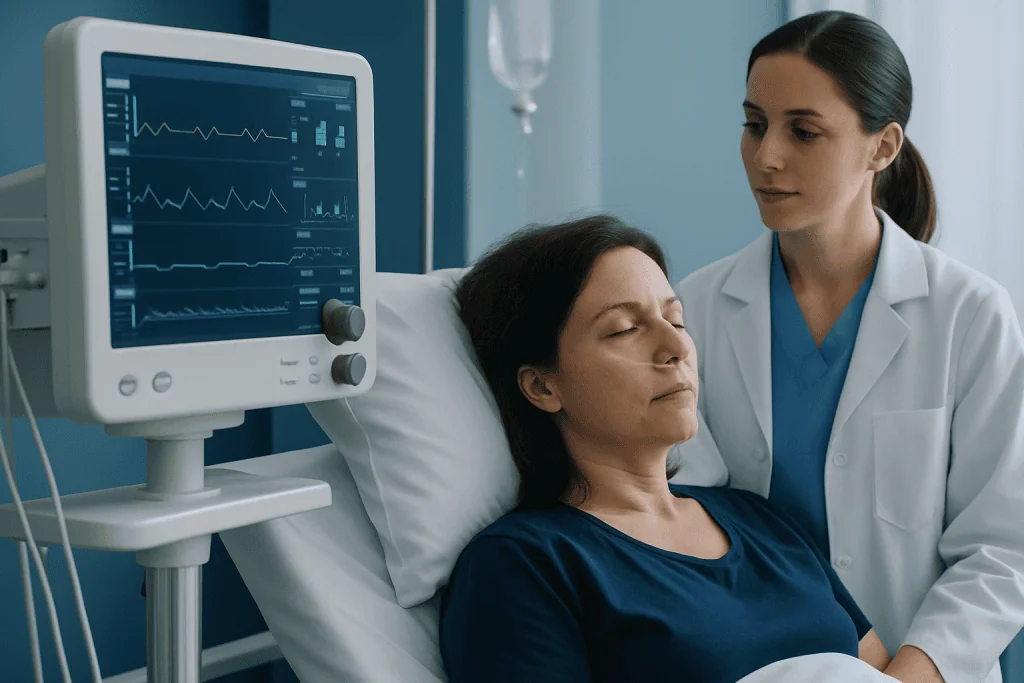
The effects of p e y o t e usually begin several hours after it is taken and may last much of the day. Early physical symptoms often include stomach upset, vomiting, and sweating. As the psychoactive effects become stronger, a person may develop changes in vision, unusual sensory experiences, intensified colors or shapes, emotional shifts, or distorted thinking.
Not every reaction is dangerous, but some can become medically important. A person may become anxious, frightened, suspicious, or severely agitated. Judgment may be impaired, which can lead to risky behavior, accidental injury, or unsafe decisions. In some cases, people can develop a prolonged panic reaction or symptoms similar to psychosis, especially if they are vulnerable to mental illness.
Possible symptoms and complications include:
- Nausea, vomiting, abdominal discomfort
- Rapid heartbeat or palpitations
- High blood pressure
- Dilated pupils and blurred vision
- Anxiety, panic, restlessness, or paranoia
- Hallucinations and confusion
- Poor coordination, falls, or injury
- Dehydration or overheating
- Rarely, seizures or severe behavioral disturbance
People sometimes assume that a plant-based substance must be gentle or safe. Medical evidence does not support that assumption. Natural substances can still affect the heart, brain, and nervous system in ways that become serious, particularly in children, older adults, and people with chronic illness.
Who may be at higher risk

Some individuals are more likely to have complications from p e y o t e than others. Risk rises when the amount taken is unknown, when the product is contaminated or combined with other substances, or when a person has an underlying health condition. Even a first-time user can have a severe reaction.
People with a personal or family history of psychosis, schizophrenia, bipolar disorder, or severe anxiety may be especially vulnerable to distressing psychiatric effects. Those with heart disease, uncontrolled high blood pressure, seizure disorders, liver problems, or dehydration may also face higher physical risk. Pregnant or breastfeeding individuals should avoid exposure because safety has not been established and fetal or infant harm cannot be ruled out.
Danger also increases when p e y o t e is used together with alcohol, cannabis, stimulants, antidepressants, or other psychoactive drugs. Mixing substances can intensify confusion, affect heart rhythm and blood pressure, and make emergency evaluation more difficult. In some situations, symptoms may overlap with other urgent conditions, including panic attacks or seizure disorders, which is why a medical assessment may be important.
How doctors evaluate possible p e y o t e intoxication
Doctors diagnose p e y o t e intoxication mainly by looking at symptoms, timing, and the history of exposure. There is no single routine test that quickly confirms every case in everyday practice, so clinicians focus on what the person is experiencing and whether any dangerous complications are developing. If the person is confused, agitated, or unable to give a history, information from family, friends, or emergency responders may help.
The medical team usually checks temperature, pulse, blood pressure, breathing, oxygen levels, hydration status, and mental state. Depending on the situation, they may order blood tests, an electrocardiogram, or toxicology studies to look for other substances or medical causes of similar symptoms. This is important because hallucinations and agitation can also happen with infections, low blood sugar, head injury, medication reactions, or other forms of poisoning.
If there is concern about serious neurological symptoms, collapse, or injury, doctors may recommend further urgent evaluation, sometimes including MRI or CT scan imaging when clinically appropriate. The goal is not simply to identify the substance, but to make sure a more dangerous condition is not being missed.
Treatment and supportive medical care
There is no specific antidote that reverses mescaline in the way some antidotes reverse other toxic exposures. Treatment is usually supportive, meaning doctors focus on keeping the person safe and stable while the effects wear off. A calm environment, reassurance, monitoring, and fluids may be enough for mild cases.
If symptoms are more severe, hospital care may be needed. Doctors may treat dehydration, monitor blood pressure and heart rhythm, and manage agitation or severe anxiety with appropriate medications. If the person is vomiting repeatedly, overheating, or unable to protect their airway, closer observation becomes important. Seizures, chest pain, severe confusion, or dangerous behavior require urgent emergency management.
When a person has persistent psychological symptoms after the immediate intoxication phase, follow-up mental health evaluation may be recommended. This may help identify an underlying condition or a substance-related psychiatric reaction. In complex cases, specialists in emergency medicine, toxicology, neurology, cardiology, or mental health may be involved. At centers such as Acibadem International, multidisciplinary specialists in JCI-accredited hospitals evaluate and treat international patients with urgent neurological, psychiatric, and toxic exposure concerns.
Prevention, self-care, and safer choices
The most reliable way to prevent p e y o t e-related harm is to avoid recreational use, especially when there is any history of mental illness, heart disease, seizures, pregnancy, or use of other psychoactive substances. Because potency and purity may vary, a person cannot reliably predict how strong the reaction will be. This unpredictability is one reason clinicians advise caution rather than relying on myths or anecdotal reports.
If someone has taken p e y o t e and is experiencing mild symptoms, they should avoid driving, swimming, climbing, or being left alone if confusion is developing. A calm, quiet setting, hydration if the person is awake and not vomiting excessively, and observation by a sober adult may help while medical advice is sought. However, home care is not appropriate if severe symptoms appear.
Longer-term self-care may include addressing the reasons for substance use, reducing exposure to triggers, and speaking with a qualified professional about stress, anxiety, trauma, or other mental health concerns. For some people, this broader health review is especially important if use of p e y o t e occurs alongside other substances or recurring episodes of anxiety, low mood, or altered perception.
When to seek medical care
Medical care should be sought urgently if a person has severe agitation, chest pain, trouble breathing, a seizure, collapse, very high body temperature, repeated vomiting, signs of dehydration, or loss of consciousness after taking p e y o t e. Emergency help is also important if the person becomes violent, suicidal, extremely confused, or cannot be safely supervised. Children and older adults should be assessed promptly because they may deteriorate more quickly.
A doctor should also be consulted if symptoms last longer than expected, if there are new mental health changes after the drug effect seems to have passed, or if there is concern about mixing p e y o t e with alcohol, stimulants, antidepressants, or unknown substances. Persistent palpitations, severe anxiety, fainting, or suspected injury deserve medical evaluation even if the person appears calmer later.
It can be helpful to tell the medical team what was taken, when it was taken, and whether anything else was used at the same time. If available, bringing the packaging or a photo of the substance may assist evaluation, but safety should come first. When in doubt, poison control services or emergency medical services can guide the next step.
Frequently asked questions
Is p e y o t e the same as mescaline?
Not exactly. p e y o t e is a cactus, and mescaline is the main hallucinogenic chemical found in it. In everyday discussion the terms are sometimes used closely together, but medically mescaline is the active substance and p e y o t e is one natural source of it.
How long do the effects of p e y o t e last?
The effects can last many hours and sometimes much of the day. Timing varies depending on the amount taken, the person's metabolism, whether food was eaten, and whether other substances were used. Some emotional or psychological after-effects may continue longer in sensitive individuals.
Can p e y o t e cause a bad trip?
Yes. p e y o t e can cause intense fear, panic, paranoia, confusion, or disturbing hallucinations. These reactions may be more likely in unfamiliar settings, at higher doses, or in people with underlying anxiety or other mental health vulnerabilities.
Is p e y o t e dangerous for people with mental health conditions?
It can be. People with a personal or family history of psychosis, bipolar disorder, severe anxiety, or other psychiatric illness may be at greater risk of severe psychological reactions. Because responses are unpredictable, a doctor should be consulted about any exposure that leads to distressing or prolonged symptoms.
What should someone do if they think a person has taken too much p e y o t e?
They should keep the person in a safe, calm environment and seek medical advice right away, especially if there is agitation, chest pain, breathing trouble, overheating, repeated vomiting, seizure, or collapse. Emergency services may be needed for severe symptoms. It is important not to let the person drive or remain alone if judgment is impaired.
Can p e y o t e be detected on routine drug tests?
Routine screening tests do not always detect mescaline. Diagnosis in emergency settings is often based more on symptoms and history than on a single test result. If other substances may have been involved, doctors may order additional testing.
References
- World Health Organization
- National Institute on Drug Abuse
- Substance Abuse and Mental Health Services Administration
- MedlinePlus
- Merck Manual
This article is for general information only and is not a substitute for professional medical advice. Please consult a qualified doctor about your individual situation.
Explore treatments in Turkey — costs, top hospitals & a free quote
JCI-accredited · board-certified surgeons · reply within 24h

More from the Health Library



Related Specialists

Dr. İlayda Uysal
Dermatology
Dr. A. Ezgi Sancaklı
Gynecology & Obstetrics
Dyt. Gizem Katkıcı Taşkın
Nutrition & Diet
Prof. Dr. Metin Keskin
General Surgery