Concussion Test: A Complete Medical Overview
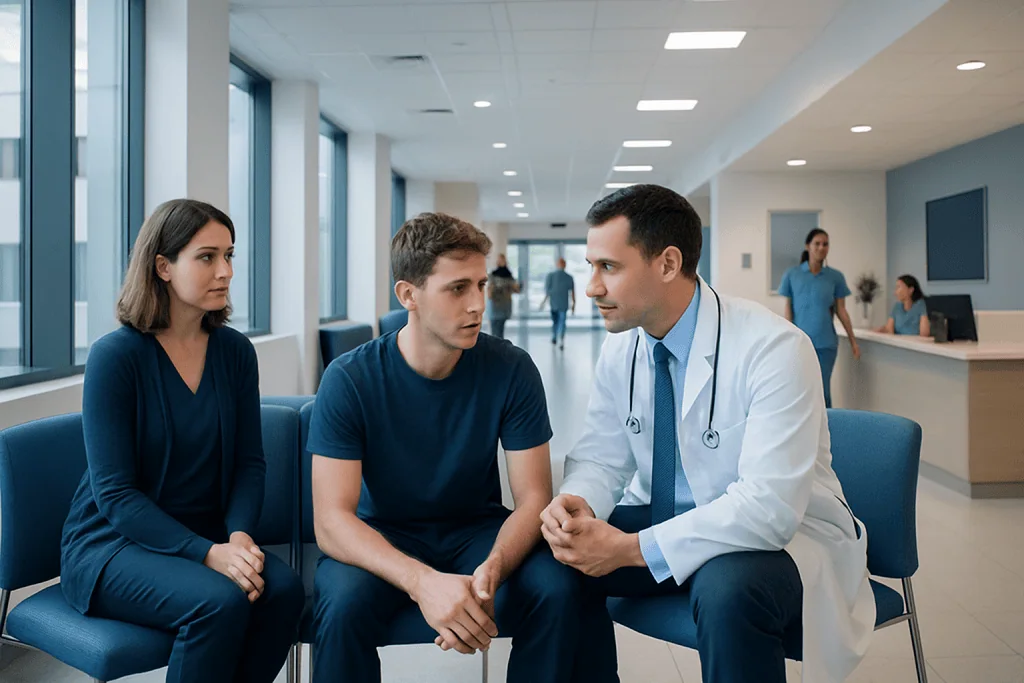
A concussion test usually includes symptom questions, mental status checks, balance testing, and a physical examination. CT or MRI scans do not diagnose most concussions directly, but they may be used to look for bleeding or other serious brain injury.
Key Takeaways
- A concussion test usually includes symptom questions, mental status checks, balance testing, and a physical examination.
- CT or MRI scans do not diagnose most concussions directly, but they may be used to look for bleeding or other serious brain injury.
- Anyone with worsening headache, repeated vomiting, confusion, seizure, fainting, or unusual behavior after a head injury needs urgent medical evaluation.
- Rest, a gradual return to school, work, and exercise, and follow-up with a qualified clinician support recovery.
- Children, older adults, athletes, and people taking blood thinners may need especially careful assessment after a head injury.
A concussion test is not usually a single scan or blood test. It is a medical assessment that combines symptom review, a neurological exam, memory and balance checks, and sometimes imaging to determine whether a person has a concussion and whether emergency care is needed.
Overview: What a Concussion Test Actually Means
A concussion test is a structured medical evaluation used after a blow to the head or a forceful impact to the body that causes the brain to move inside the skull. In everyday language, people often ask for a “concussion test” as if it were one single exam. In practice, clinicians use several tools together to decide whether symptoms fit a concussion, also called a mild traumatic brain injury.
The assessment usually begins with simple but important questions: what happened, whether there was a loss of consciousness, what symptoms started afterward, and whether those symptoms are improving or getting worse. A doctor or other trained clinician then checks alertness, memory, concentration, speech, eye movements, strength, sensation, coordination, and balance.
A concussion can affect thinking, mood, sleep, and physical comfort. Because symptoms may change over the first hours or days, one normal check right after the injury does not always rule out a concussion. Follow-up can be just as important as the first exam, especially for children, athletes, or anyone whose job involves safety-sensitive tasks.
Testing also helps identify people who may need urgent imaging or emergency treatment instead of routine observation. The key goal is not only to label the injury, but to distinguish a likely concussion from more serious problems such as skull fracture, bleeding around the brain, or neck injury.
Signs and Symptoms That May Lead to a Concussion Test
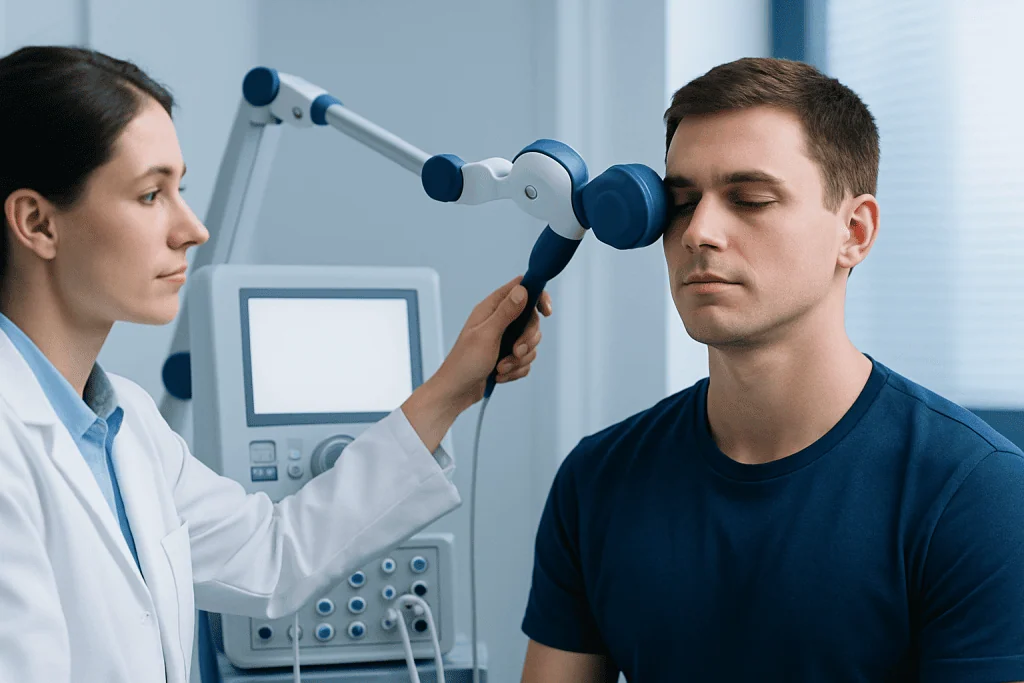
A concussion can cause a wide range of symptoms, and not all of them appear immediately. Some people feel dazed or stunned right away, while others notice problems later that day or the next morning. A person does not need to lose consciousness to have a concussion.
Common symptoms include headache, dizziness, nausea, sensitivity to light or noise, blurred vision, trouble focusing, and feeling tired or “foggy.” Many people also report difficulty remembering events around the injury, slowed thinking, irritability, mood changes, or sleep disturbances. In children, symptoms may be less specific and can include unusual crying, clinginess, reduced interest in play, or changes in feeding or sleep.
These symptoms overlap with other conditions, which is one reason formal evaluation matters. A clinician may also consider brain hemorrhage or other head injuries when symptoms are severe, unusual, or worsening.
- Physical symptoms: headache, balance problems, nausea, vomiting, blurred vision, sensitivity to light or sound
- Thinking symptoms: memory trouble, confusion, poor concentration, slowed reaction time
- Emotional symptoms: irritability, anxiety, sadness, mood swings
- Sleep symptoms: sleeping more or less than usual, trouble falling asleep, excessive drowsiness
How Doctors Perform a Concussion Test
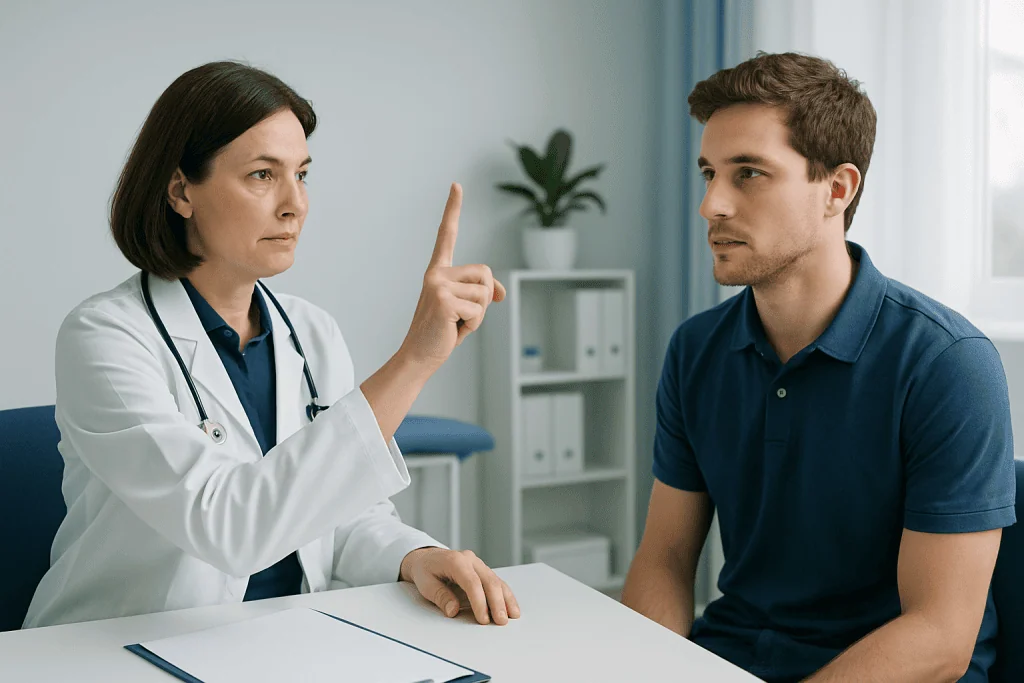
The most useful concussion test starts with the history of the injury. A clinician asks how the impact happened, whether there was whiplash or direct head contact, whether the person kept playing or working afterward, and whether there is amnesia, confusion, or fainting. They also ask about prior concussions, migraines, attention disorders, mental health conditions, medications, and blood thinner use, because these factors can affect both symptoms and safety decisions.
The physical and neurological exam follows. This often includes checking orientation, short-term memory, concentration, speech, pupil reaction, eye tracking, neck tenderness, limb strength, reflexes, walking, and balance. In sports settings, clinicians may use structured sideline tools to support the exam, but these tools are not a substitute for a full medical evaluation.
Some clinics also use computerized cognitive testing or standardized paper-based symptom scales. These can help document attention, memory, processing speed, and symptom severity over time. However, results should always be interpreted in context. A person may have a concussion even if one individual test is normal, and an abnormal result does not automatically prove a concussion without the full clinical picture.
When symptoms suggest a more complex injury, a doctor may recommend a broader neurological assessment. This can be especially relevant when a person has persistent dizziness, severe headaches, weakness, worsening confusion, or signs that point beyond a routine mild brain injury such as brain tumor or another neurological condition.
Do Imaging Scans Diagnose a Concussion?
Many people expect a scan to confirm or rule out a concussion, but standard imaging works differently. A CT scan or MRI usually does not “show” a typical concussion. Instead, imaging is used to look for dangerous complications such as bleeding, swelling, skull fracture, or other structural injury that may require urgent treatment.
Doctors decide whether imaging is needed based on symptoms, age, the mechanism of injury, medications, and exam findings. Red flags such as repeated vomiting, severe or worsening headache, seizure, unusual drowsiness, weakness, or confusion may lead to immediate imaging. Older adults and people taking blood thinners are often assessed more cautiously because they can be at higher risk of intracranial bleeding even after seemingly minor trauma.
If the situation calls for it, clinicians may request MRI or other imaging to better understand persistent symptoms or exclude alternative diagnoses. In emergency settings, a CT scan is often the faster first step when bleeding is a concern. Imaging decisions are individualized and based on safety, not on routine screening.
Because neck injury can happen together with head trauma, some patients also need evaluation of the cervical spine. A careful doctor will not focus only on the brain if neck pain, numbness, tingling, or weakness are present after the injury.
What Happens After Diagnosis
If the clinician diagnoses a concussion, treatment usually focuses on monitoring, symptom control, and a gradual return to normal activities. In the first day or two, relative rest is generally recommended. This means reducing activities that worsen symptoms rather than staying in bed for long periods. Complete isolation in a dark room for days is no longer considered helpful for most people.
As symptoms begin to improve, many patients benefit from a stepwise return to school, work, screen use, driving, and exercise. Progress should be gradual, and activities that clearly trigger symptoms may need to be reduced temporarily. Returning to contact sports too soon can increase the risk of another injury before the brain has recovered.
Symptom-specific care may also be needed. For example, persistent headaches, dizziness, visual strain, sleep problems, or concentration difficulties sometimes require targeted evaluation. In selected cases, rehabilitation services can support recovery, including physical therapy and rehabilitation for balance, neck symptoms, and return-to-activity planning.
Most people improve with time and appropriate guidance, but recovery speed varies. Follow-up matters if symptoms are lasting longer than expected, affecting school or work, or becoming more complex. When ongoing neurological symptoms are significant, referral to a specialist and, if appropriate, neurology assessment may be recommended.
Prevention and Self-Care After a Head Injury
Not every concussion can be prevented, but risk can often be reduced. Seat belt use, age-appropriate car seats, helmets for cycling and similar activities, home fall prevention, and safe sports techniques all play a role. In workplaces, proper protective equipment and adherence to safety procedures are also important.
After a suspected concussion, self-care should center on safety and observation. A person should avoid alcohol, recreational drugs, and activities with a risk of another head impact until medically cleared. They should also be cautious with driving, climbing, operating machinery, or making important decisions if they feel dizzy, slowed, or mentally foggy.
Short periods of rest, hydration, regular meals, and a calm routine often help in the early stage. Gentle activity can be reintroduced gradually as tolerated, but “pushing through” significant symptoms is not advised. A written plan from a clinician can be especially helpful for students, athletes, and working adults who need a safe schedule for return to daily responsibilities.
If symptoms persist beyond the expected recovery period, further evaluation may be needed to look for contributing issues such as vestibular problems, migraine, sleep disruption, anxiety, depression, or cervical strain. Persistent symptoms do not necessarily mean permanent damage, but they do deserve medical attention.
When to Seek Medical Care
Anyone with a suspected concussion should be assessed by a qualified healthcare professional if symptoms are significant, persistent, or uncertain. Prompt evaluation is especially important for children, older adults, pregnant patients, people on blood thinners, and anyone who has had previous concussions.
Emergency care is needed if there is repeated vomiting, worsening headache, seizure, loss of consciousness, unequal pupils, slurred speech, increasing confusion, unusual behavior, weakness, numbness, trouble waking up, or clear fluid or blood coming from the nose or ears after a head injury. These signs can suggest a more serious brain injury and should not be watched at home without medical advice.
People should also seek care if symptoms interfere with school, work, sports, sleep, or mood, or if they are not steadily improving. A clinician may recommend further neurological review, imaging, or rehabilitation depending on the pattern of symptoms.
For international patients who need specialist evaluation, Acibadem International’s multidisciplinary teams in JCI-accredited hospitals diagnose and treat concussion-related conditions and other neurological injuries. If surgery or advanced evaluation is needed for a structural problem after trauma, services such as neurosurgery may become part of care.
Frequently asked questions
Can a concussion test be done at home?
A person at home can watch for symptoms and use simple checklists, but this does not replace a medical evaluation. Home observation is helpful for noticing changes, especially in the first 24 to 48 hours, but urgent warning signs need immediate professional care.
Does a normal CT scan mean there is no concussion?
No. A normal CT scan does not rule out a concussion because standard imaging often looks normal in mild traumatic brain injury. CT is mainly used to check for bleeding, fracture, or other serious structural problems.
How long after a head injury should someone be tested?
Assessment should happen as soon as possible if a concussion is suspected, especially if symptoms are present or worsening. Some symptoms appear later, so a repeat evaluation may be needed even if the initial exam seemed reassuring.
Are sports sideline tools enough to diagnose a concussion?
Sideline tools can help identify athletes who should be removed from play and evaluated further. They are useful screening aids, but they are not a full diagnosis on their own and should be followed by a proper medical assessment.
What is the difference between a concussion test and a neurological exam?
A concussion test often includes a neurological exam as one of its main parts. The broader concussion assessment also considers the details of the injury, symptoms over time, balance, memory, attention, and whether imaging or emergency care is needed.
When can someone return to school, work, or sports after a concussion?
Return should be gradual and guided by symptoms and medical advice. Most people start with light mental and physical activity, then increase step by step as long as symptoms do not worsen. Contact sports should wait until a clinician confirms it is safe.
This article is for general information only and is not a substitute for professional medical advice. Please consult a qualified doctor about your individual situation.
Explore treatments in Turkey — costs, top hospitals & a free quote
JCI-accredited · board-certified surgeons · reply within 24h
Add us as a Preferred Source to see more of our trusted health content across Google Search, AI Overviews and Discover.

More from the Health Library
Focal Seizure: What Patients Need to Know
Papular Eczema — Explained by Medical Evidence, Not Myths
Difficulty Breathing: A Complete Medical Overview
Proper Squat Form: What Patients Need to Know

Subcutaneous Fat: An Evidence-Based Guide for Patients