Difficulty Breathing: A Complete Medical Overview

Difficulty breathing may feel like shortness of breath, tightness in the chest, air hunger, or unusually hard breathing. Common causes include asthma, infections, allergies, COPD, heart conditions, anemia, anxiety, and blood clots in the lungs.
Key Takeaways
- Difficulty breathing may feel like shortness of breath, tightness in the chest, air hunger, or unusually hard breathing.
- Common causes include asthma, infections, allergies, COPD, heart conditions, anemia, anxiety, and blood clots in the lungs.
- Sudden or severe breathing difficulty needs urgent medical attention, particularly with chest pain, wheezing, bluish skin, or confusion.
- Doctors diagnose the cause using medical history, examination, oxygen levels, blood tests, imaging, and lung or heart testing when needed.
- Treatment depends on the underlying cause and may involve inhaled medicines, oxygen, antibiotics, allergy treatment, or care for heart or lung disease.
Difficulty breathing is a symptom, not a disease, and it can happen for many reasons ranging from temporary nasal congestion to serious heart or lung problems. Because the cause matters, new, severe, or unexplained breathing trouble should be assessed by a qualified doctor, especially if it comes on suddenly or is paired with chest pain, bluish lips, confusion, or fainting.
Overview: what difficulty breathing means
Difficulty breathing is a broad term people use when breathing feels harder, faster, tighter, or less satisfying than usual. Some describe it as shortness of breath, not getting enough air, chest tightness, or feeling winded with activities that are normally easy. It can start suddenly or develop gradually over time.
This symptom does not point to just one diagnosis. It may happen with common conditions such as a cold, asthma, allergies, or anxiety, but it can also be a sign of more serious problems involving the lungs, heart, blood, or airways. The level of urgency depends on how severe the symptoms are, how quickly they appeared, and what other symptoms occur at the same time.
Doctors often use the term dyspnea for difficult or uncomfortable breathing. Understanding the pattern is important. For example, some people notice breathing trouble only with exercise, some while lying flat, and others during coughing, fever, or exposure to smoke, dust, or pollen. These details can help narrow down the cause.
How difficulty breathing can feel
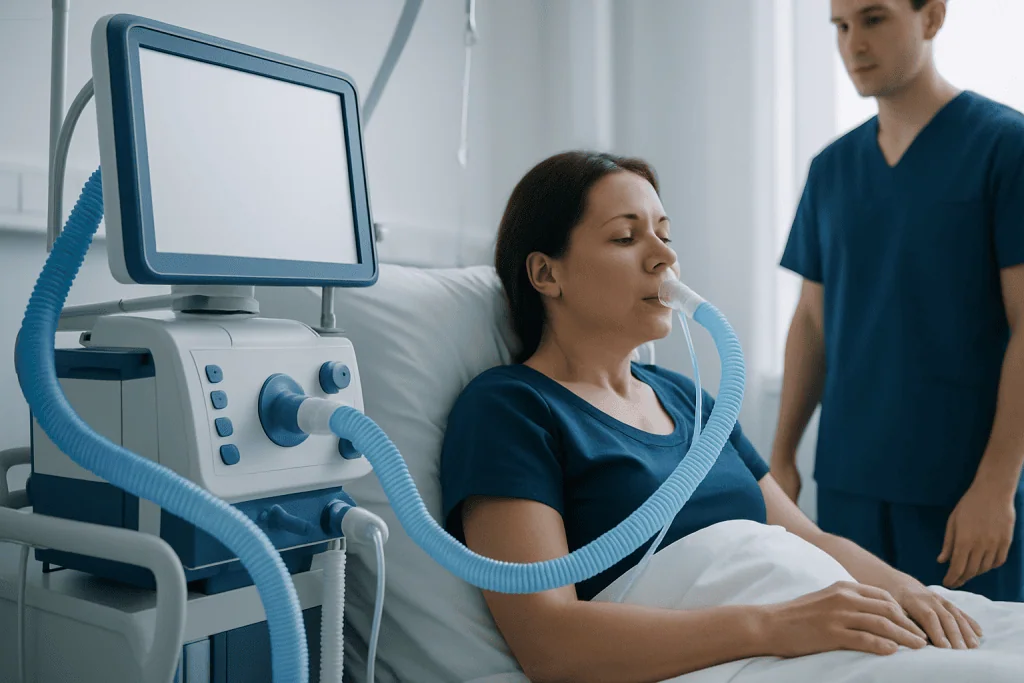
Breathing problems do not feel the same for everyone. One person may notice rapid breathing after climbing stairs, while another feels a heavy sensation in the chest even at rest. Some people can speak normally but feel uncomfortable, while others struggle to complete a sentence without pausing for breath.
Common descriptions include chest tightness, wheezing, a choking or blocked sensation, needing to work harder to inhale, shallow breathing, or feeling unable to take a deep breath. In some cases, there may also be cough, mucus, fever, palpitations, dizziness, swelling in the legs, or fatigue. These associated symptoms often give important clues about the cause.
Doctors may ask whether symptoms are sudden or gradual, constant or intermittent, and whether they worsen at night, during exercise, when lying flat, or during stressful moments. They may also ask about smoking, allergies, recent travel, respiratory infections, chronic conditions, and family history.
- Sudden onset may suggest an allergic reaction, asthma flare, infection, heart issue, or pulmonary embolism.
- Gradual onset may be more typical of chronic lung disease, anemia, weight-related breathlessness, or reduced fitness.
- Positional breathlessness can occur when lying flat in some heart and lung conditions.
- Exertional symptoms may point to heart disease, asthma, anemia, or deconditioning.
Common causes and risk factors

Many different systems in the body can affect breathing. Problems in the airways and lungs are among the most common causes. These include asthma, chronic obstructive pulmonary disease, pneumonia, bronchitis, COVID-19, allergic reactions, and irritation from smoke or pollution. A blocked upper airway, severe nasal congestion, or swelling in the throat can also make breathing feel difficult.
Heart-related causes are also important. Heart failure, abnormal heart rhythms, or reduced blood flow to the heart can lead to shortness of breath, especially during activity or when lying down. Blood conditions such as anemia may reduce oxygen delivery and create a feeling of breathlessness, fatigue, or weakness. Anxiety and panic attacks can cause rapid breathing and chest tightness that feel intense, even when oxygen levels are normal.
Some causes need urgent recognition. A blood clot in the lung, called a pulmonary embolism, can cause sudden shortness of breath, chest pain, or coughing. A severe allergy can rapidly narrow the airways. Worsening asthma or advanced COPD can also become serious without prompt treatment.
Risk factors depend on the cause but commonly include smoking or vaping, exposure to dusts or chemical fumes, obesity, older age, lack of physical conditioning, chronic lung or heart disease, seasonal allergies, a recent respiratory infection, and a personal or family history of asthma. Pregnancy, immobility, recent surgery, and certain medications may also affect breathing or increase the risk of clots.
Diagnosis: how doctors find the cause
Evaluation begins with a careful medical history and physical examination. A doctor will ask when the breathing trouble began, whether it came on suddenly, what makes it better or worse, and whether symptoms include cough, fever, chest pain, wheezing, fainting, swelling, or recent illness. Measuring oxygen saturation with a pulse oximeter is often one of the first steps.
The physical exam may include listening to the lungs and heart, checking breathing effort, temperature, pulse, blood pressure, and looking for signs such as cyanosis, swelling in the legs, or dehydration. Depending on the situation, additional tests may be needed to identify whether the main problem is in the lungs, heart, blood, or another part of the body.
Common tests can include blood tests, chest X-ray, electrocardiogram, lung function testing, and sometimes CT imaging. If the doctor suspects a chronic airway problem, formal breathing tests may help guide care, including pulmonary function testing. If a structural problem in the lungs is suspected, imaging such as a chest X-ray or other scans may be recommended. In selected cases, heart evaluation, infection testing, or allergy assessment may also be useful.
Treatment options depend on the cause
There is no single treatment for difficulty breathing because the symptom has many possible causes. The first goal is to stabilize breathing and oxygen levels if needed. After that, treatment focuses on the underlying problem, whether it is an infection, asthma flare, allergic reaction, heart issue, or another condition.
For airway narrowing, doctors may use inhaled bronchodilators, anti-inflammatory medicines, or oxygen support when appropriate. If asthma is the cause, long-term management may include trigger avoidance and an individualized action plan, along with specialist care such as asthma treatment. In COPD, treatment may include inhalers, pulmonary rehabilitation, vaccination, and smoking cessation support; some people benefit from comprehensive COPD treatment.
When infection is responsible, treatment may involve rest, fluids, monitoring, and in some cases antiviral or antibiotic therapy depending on the diagnosis. If fluid buildup or heart disease is involved, treatment may include medications that help the heart work more effectively or reduce congestion. Anxiety-related breathlessness is treated by ruling out dangerous causes first, then addressing stress, panic symptoms, and breathing patterns.
People should avoid self-medicating with borrowed inhalers or delaying care when symptoms are severe or new. Because breathing difficulty can change quickly, a professional assessment is the safest way to determine what treatment is suitable.
Prevention and self-care
Not every episode can be prevented, but many steps can lower the risk of breathing problems. Avoiding smoking and secondhand smoke is one of the most important measures for lung and heart health. People with asthma, allergies, or chronic lung disease should take prescribed medicines consistently and review inhaler technique regularly with their care team.
Staying up to date with recommended vaccines can reduce the risk of respiratory infections that may worsen breathing. Hand hygiene, avoiding known allergens or irritants when possible, maintaining a healthy weight, and building physical activity gradually can also support easier breathing over time. For those with chronic conditions, following the management plan closely helps reduce flare-ups.
At home, practical steps may include resting in an upright position, using prescribed rescue medication as directed, and monitoring symptoms. It can also help to note triggers such as exercise, cold air, dust, pets, meals, stress, or nighttime symptoms. This record can make medical visits more productive and may reveal patterns that guide treatment.
Self-care has limits. Home measures are appropriate only for mild, familiar symptoms. If breathing is worsening, unexplained, or accompanied by warning signs, medical evaluation should not be delayed.
When to seek medical care
Emergency care is needed for difficulty breathing that is sudden, severe, or rapidly getting worse. The same is true if breathing trouble occurs with chest pain, bluish lips or face, confusion, fainting, severe wheezing, high fever with distress, signs of a serious allergic reaction, or inability to speak full sentences. These features can signal a potentially life-threatening condition.
Prompt medical evaluation is also important for new shortness of breath with exertion, breathlessness that wakes someone from sleep, swelling in the legs, ongoing cough, or symptoms that keep returning. Even when symptoms seem mild, recurring episodes may point to asthma, heart disease, anemia, reflux, or chronic lung conditions that benefit from diagnosis and treatment.
For international patients who need further assessment, Acibadem International’s multidisciplinary specialists and JCI-accredited hospitals diagnose and treat respiratory and related conditions using coordinated care across pulmonary, cardiology, imaging, and emergency teams.
Frequently asked questions
Is difficulty breathing the same as shortness of breath?
They are often used to mean the same thing in everyday language. Both describe a feeling that breathing is harder, faster, tighter, or less satisfying than usual. Doctors may use the term dyspnea for this symptom.
Can anxiety cause difficulty breathing?
Yes. Anxiety and panic can cause rapid breathing, chest tightness, and a strong feeling of not getting enough air. However, because serious heart and lung conditions can feel similar, new or severe symptoms should still be checked by a doctor.
When is difficulty breathing an emergency?
It should be treated as an emergency if it starts suddenly, is severe, or comes with chest pain, blue lips, confusion, fainting, or trouble speaking. Severe allergic reactions and major asthma attacks also need urgent care. It is safest not to wait if symptoms are rapidly worsening.
What tests might be done for breathing problems?
Doctors may check oxygen levels, listen to the lungs and heart, and order blood tests, a chest X-ray, or an ECG. Lung function tests or CT scans may be used when more detail is needed. The exact tests depend on the person’s symptoms and medical history.
Can difficulty breathing happen without lung disease?
Yes. Heart conditions, anemia, anxiety, obesity, poor physical conditioning, and some infections can all cause breathlessness. That is why diagnosis looks at the whole body, not only the lungs.
What should someone do at home if mild symptoms start?
For mild, familiar symptoms, it may help to rest upright, avoid triggers, and use prescribed rescue medicine exactly as directed. Drinking fluids and monitoring for worsening symptoms can also be useful in some situations. If symptoms are new, intensifying, or not improving promptly, medical advice is recommended.
This article is for general information only and is not a substitute for professional medical advice. Please consult a qualified doctor about your individual situation.
Explore treatments in Turkey — costs, top hospitals & a free quote
JCI-accredited · board-certified surgeons · reply within 24h
Add us as a Preferred Source to see more of our trusted health content across Google Search, AI Overviews and Discover.

More from the Health Library

Fluttering in Ear: What Patients Need to Know

Flanks: What Patients Need to Know

Horned Melon: An Evidence-Based Guide for Patients

Yoni Egg: What Patients Need to Know

After eating dizzy: A Complete Medical Guide for Patients