Is Spotting After Intercourse Normal? A Doctor-Reviewed Answer

Light spotting after intercourse can happen for benign reasons such as vaginal dryness, cervical sensitivity, or minor irritation. Persistent, recurrent, heavy, or painful bleeding after sex is not considered normal and should be medically reviewed.
Key Takeaways
- Light spotting after intercourse can happen for benign reasons such as vaginal dryness, cervical sensitivity, or minor irritation.
- Persistent, recurrent, heavy, or painful bleeding after sex is not considered normal and should be medically reviewed.
- Doctors usually evaluate postcoital spotting with a history, pelvic exam, and tests such as a Pap test, HPV test, swabs, ultrasound, or colposcopy when needed.
- Causes range from friction and infections to cervical polyps, hormonal changes, pregnancy-related changes, and less commonly precancer or cancer.
- Bleeding after menopause always deserves prompt medical assessment.
Medically reviewed by the Acıbadem International Medical Board — July 24, 2026
Spotting after intercourse is often harmless, especially if it is light, brief, and happens only once. However, repeated bleeding, bleeding after menopause, or spotting with pain, unusual discharge, or other symptoms should be evaluated by a doctor.
Is spotting after intercourse normal?
In many cases, yes—spotting after intercourse can be normal if it is light, brief, and happens only once in a while. Small amounts of blood may come from minor friction, vaginal dryness, or a sensitive cervix, and these causes are often not serious.
That said, spotting after sex should not be ignored if it keeps happening, becomes heavier, or appears with pain, pelvic pressure, unusual discharge, fever, or bleeding after menopause. Those features make a medical check-up important, because doctors may need to rule out infection, cervical changes, polyps, or other gynecologic conditions.
A helpful way to think about this symptom is by pattern rather than panic. Occasional light spotting may be harmless, but repeated postcoital bleeding is a sign that the tissues of the vagina or cervix should be examined. A doctor-reviewed approach focuses first on common benign causes, then on identifying the few cases that need further testing.
What spotting after sex can look like
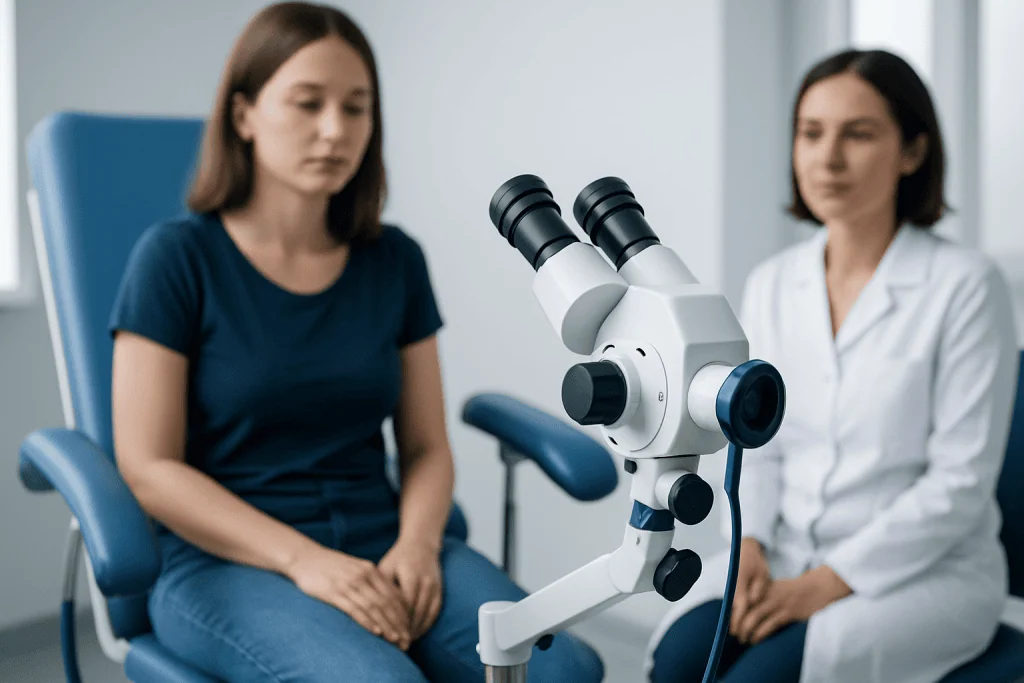
Spotting after intercourse usually means a few drops or a small smear of pink, red, or brown blood noticed on toilet paper, underwear, or bed linens. It may stop within a few hours and often does not continue like a full menstrual period.
Some people notice it only once, while others experience it more regularly. The timing matters: bleeding immediately after sex may point to local irritation or contact with the cervix, while spotting that continues for days may suggest another gynecologic cause that deserves evaluation.
It can also help to notice what else is happening at the same time. Doctors often ask about:
- Whether the bleeding is light spotting or more like a period
- If there is pain during or after intercourse
- Whether there is vaginal dryness, itching, burning, or odor
- If the person is pregnant, postpartum, perimenopausal, or postmenopausal
- Whether bleeding also happens between periods
These details help distinguish a one-time harmless event from a symptom that should be investigated further.
Common causes of spotting after intercourse

The most common causes are usually not dangerous. Friction during intercourse can irritate delicate vaginal tissue, especially if there is not enough lubrication. This is more likely during breastfeeding, around menopause, or when hormonal changes lead to dryness and thinning of the vaginal lining.
The cervix can also bleed easily because it contains many small blood vessels. In some people, the tissue on the cervix is especially delicate and may bleed with contact. Benign growths such as cervical or uterine polyps may also cause spotting, especially after sex or between periods.
Infections are another important cause. Vaginal infections and sexually transmitted infections can inflame the cervix or vaginal tissues, making them more likely to bleed. Conditions such as cervicitis, yeast imbalance, bacterial vaginosis, or sexually transmitted infections may be considered depending on symptoms and risk factors. Some people may also have spotting related to hormonal contraception, especially when the lining of the cervix or uterus is more reactive.
Less commonly, postcoital bleeding can be linked to precancerous or cancerous changes in the cervix, uterus, or vagina. This is one reason recurrent bleeding should be evaluated rather than self-diagnosed. If related symptoms suggest a structural uterine problem, a doctor may also consider conditions such as uterine fibroids in the broader assessment.
Risk factors and red flags
Some situations make spotting after intercourse more likely. Vaginal dryness is common during menopause, after childbirth, and while breastfeeding because estrogen levels may be lower. Certain medications, skin conditions affecting the vulva or vagina, and prior pelvic treatments can also make tissues more fragile.
Doctors also look at factors that raise the chance of cervical or uterine disease. These include missed cervical screening, a history of abnormal Pap results, new sexual partners, possible exposure to sexually transmitted infections, and bleeding that happens outside normal periods as well as after intercourse.
Red flags that should prompt medical care include:
- Bleeding after menopause
- Bleeding that is frequent, persistent, or getting heavier
- Pelvic pain, pain during sex, or abdominal pressure
- Unusual vaginal discharge, bad odor, fever, or burning
- Bleeding in pregnancy
- Dizziness, weakness, or soaking pads
These signs do not always mean a serious illness, but they do mean the symptom should be properly checked. A calm, timely evaluation is the safest next step.
How doctors diagnose the cause
If someone reports spotting after intercourse, a doctor usually begins with a careful history. They ask when the bleeding started, how often it occurs, whether periods are regular, whether there is pain or discharge, what contraception is used, and whether the person is pregnant or could be pregnant.
The next step is often a pelvic examination to look at the vulva, vagina, and cervix. This helps identify visible irritation, dryness, tears, polyps, or signs of infection. If cervical screening is due, a Pap test and HPV test may be recommended. Swabs may also be taken to check for infections, including sexually transmitted infections when relevant.
If bleeding continues or the initial exam does not explain it, imaging or further procedures may be needed. A pelvic ultrasound can help assess the uterus, lining, ovaries, or polyps. In some cases, doctors recommend colposcopy to examine the cervix more closely, especially if there are abnormal cervical screening results or a suspicious-looking area.
Depending on age and symptoms, a doctor may also investigate the uterine lining. For some patients, this may include hysteroscopy to look inside the uterus if irregular bleeding suggests a problem beyond the cervix or vagina. The overall goal is not only to find a cause, but also to rule out the less common conditions that need early treatment.
Treatment options and what may help
Treatment depends on the cause. If spotting is related to friction or dryness, a clinician may suggest a gentle, fragrance-free lubricant during intercourse and management of vaginal dryness. If hormonal changes are contributing, the doctor may discuss appropriate options based on the person’s age, symptoms, and health history.
If an infection is found, treatment may involve medication for the specific cause, and sexual partners may also need evaluation in some situations. If a cervical or uterine polyp is present, a doctor may recommend removal, especially if it is causing repeated bleeding. Structural causes inside the uterus can sometimes be assessed and treated with procedures such as hysteroscopy.
When spotting is linked to abnormal cervical cells, management depends on test results and may involve monitoring, further examination, or treatment by a gynecologist. If symptoms are due to a more specific disease process, care is guided by that diagnosis, such as evaluation for cervical cancer when warning signs or abnormal screening results are present.
Near the end of the diagnostic pathway, if specialist care is needed, multidisciplinary women’s health teams can coordinate imaging, pathology, and treatment planning. Acibadem International’s multidisciplinary specialists in JCI-accredited hospitals diagnose and treat gynecologic conditions for international patients when further evaluation is required.
Self-care and prevention
Self-care does not replace medical review when bleeding is recurrent, but it can reduce irritation in some cases. Using adequate lubrication, taking time for arousal, and avoiding products that irritate the vaginal area may help prevent minor friction-related spotting.
Routine gynecologic care also matters. Staying up to date with cervical screening, seeking treatment for vaginal symptoms early, and discussing any irregular bleeding with a clinician can help identify issues before they become more troublesome. Safer sex practices can also reduce the risk of infections that inflame the cervix and vagina.
It may be helpful to keep a short symptom record, including when bleeding occurs, its amount, menstrual timing, and any related pain or discharge. This can make the medical visit more efficient and help the doctor see patterns that suggest a likely cause.
People who are postmenopausal should be especially careful not to dismiss any vaginal bleeding as normal aging. Even when the cause is benign, postmenopausal bleeding should always be assessed.
When to seek medical care
A person should arrange a medical review if spotting after intercourse happens more than once, if it is becoming more noticeable, or if there are symptoms such as pain, unusual discharge, pelvic pressure, or bleeding between periods. While many causes are minor, repeated postcoital bleeding is not something to simply watch indefinitely.
Prompt care is especially important for anyone who is pregnant, postmenopausal, or overdue for cervical screening. The same is true if there is a history of abnormal Pap or HPV results, a new sexual partner, or concern about infection.
Urgent care is needed if the bleeding is heavy, causes faintness or weakness, comes with severe pain, or occurs alongside fever. These situations may require faster assessment to rule out significant blood loss, infection, pregnancy-related complications, or another urgent condition.
In short, the answer to “is spotting after intercourse normal?” is often yes when it is mild and occasional—but no one should feel they have to guess. A doctor can usually identify the cause with a straightforward evaluation and recommend appropriate treatment or reassurance.
Frequently asked questions
Is spotting after intercourse normal if it only happened once?
It can be. A single episode of light spotting may happen because of minor friction, dryness, or temporary cervical sensitivity. If it does not happen again and there are no other symptoms, it is often not serious, but recurrent bleeding should be checked.
Can vaginal dryness cause bleeding after sex?
Yes, vaginal dryness is a common cause of light bleeding or spotting after intercourse. Dry or thinned vaginal tissue is more easily irritated, especially around menopause, after childbirth, or during breastfeeding. A doctor can help if dryness is frequent or painful.
Is bleeding after sex a sign of cervical cancer?
Usually not, because there are many more common benign causes such as irritation, infection, or polyps. However, repeated bleeding after sex can sometimes be linked to abnormal cervical cells or, less commonly, cervical cancer. That is why persistent symptoms should be evaluated and cervical screening kept up to date.
Should spotting after intercourse be checked during pregnancy?
Yes. Light spotting can occur in pregnancy for benign reasons, including increased blood flow to the cervix, but any bleeding in pregnancy should be discussed with a healthcare professional. The urgency depends on the amount of bleeding, the stage of pregnancy, and whether there is pain.
What tests are done for spotting after sex?
Doctors often start with a medical history and pelvic examination. Depending on the situation, they may recommend a Pap test, HPV test, infection swabs, pregnancy testing, ultrasound, or closer cervical examination such as colposcopy. The tests chosen depend on age, symptoms, and exam findings.
Is spotting after intercourse normal after menopause?
No, bleeding after menopause is not considered normal and should always be assessed by a doctor. The cause may still be benign, such as dryness or a polyp, but it is important to rule out changes in the uterine lining, cervix, or vagina.
References
- American College of Obstetricians and Gynecologists
- Centers for Disease Control and Prevention
- National Health Service
- World Health Organization
- National Cancer Institute
This article is for general information only and is not a substitute for professional medical advice. Please consult a qualified doctor about your individual situation.
Explore treatments in Turkey — costs, top hospitals & a free quote
JCI-accredited · board-certified surgeons · reply within 24h

More from the Health Library



Related Specialists

Prof. Dr. Bahar Artım Esen
Rheumatology
Dyt. Hande Selin Ok
Nutrition & Diet
Assoc. Prof. Dr. Keramettin Yanık
Clinical Laboratory
Assoc. Prof. Dr. Zeynep Selen Aslan
Pediatric Neurology