Seed Wart: A Complete Medical Overview

A seed wart is a common wart caused by HPV entering the skin through small breaks. These warts may show tiny black dots, which are clotted blood vessels rather than actual seeds.
Key Takeaways
- A seed wart is a common wart caused by HPV entering the skin through small breaks.
- These warts may show tiny black dots, which are clotted blood vessels rather than actual seeds.
- Many seed warts go away on their own, but some need treatment if they are painful, spreading, or persistent.
- Salicylic acid, cryotherapy, and minor in-office procedures are common treatment options.
- Medical evaluation is important if the diagnosis is uncertain or the wart occurs in someone with diabetes, poor circulation, or a weakened immune system.
Medically reviewed by the Acıbadem International Medical Board — July 24, 2026
A seed wart is a common, noncancerous skin growth caused by certain types of human papillomavirus (HPV). It often appears on the feet or hands, may feel rough or tender, and usually improves with time, home care, or office-based treatment when needed.
What Is a Seed Wart?
A seed wart is a small, rough skin growth caused by infection with certain types of human papillomavirus (HPV). Despite the name, it does not contain a seed. The tiny black pinpoint spots often seen within the wart are usually small clotted blood vessels. Seed warts most often develop on the soles of the feet or on the hands, though they can appear in other areas as well.
These warts are benign, meaning they are not cancer. They form when HPV enters the top layer of skin through a tiny cut, scrape, or other break in the skin barrier. Once the virus is in the skin, it can trigger extra growth of keratin, the protein that helps form the outer layer of skin.
People often use the term “seed wart” to describe a common wart with visible dark dots or a wart on the foot that looks embedded in the skin. On the bottom of the foot, a seed wart may overlap with what doctors call a plantar wart, which is a wart pressed inward by body weight and walking.
How a Seed Wart Looks and Feels
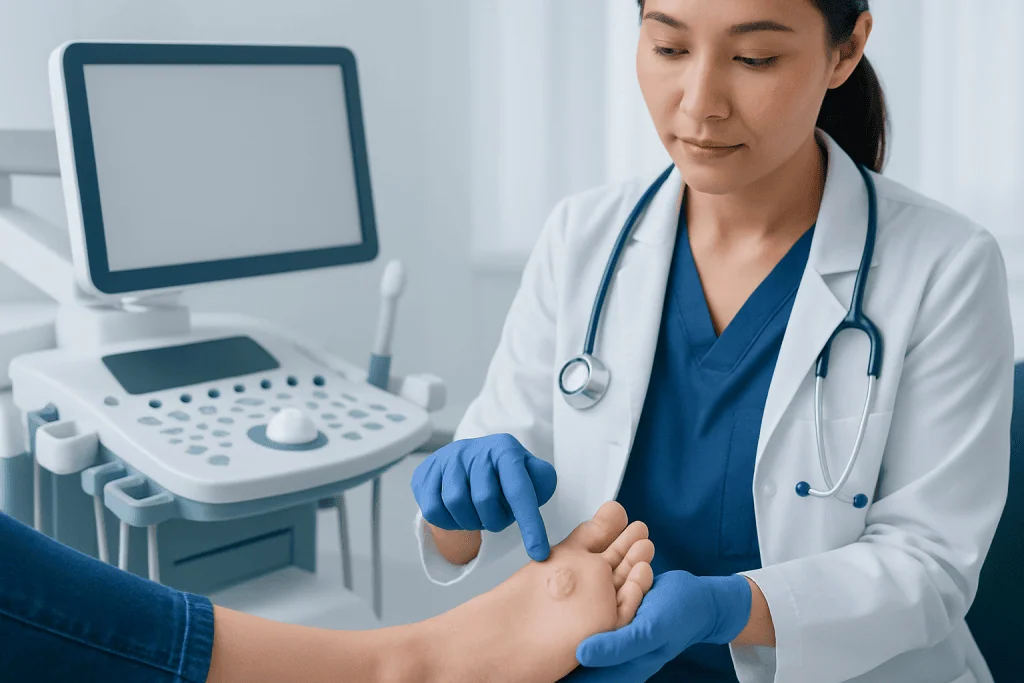
A seed wart usually appears as a firm, grainy, or rough bump. The surface may be raised, flat, or pressed inward depending on where it forms. On the hands, it may feel dry and uneven. On the feet, it can become flatter because pressure from standing and walking pushes it into the skin.
Many people notice one or more of the following features:
- A rough or thickened patch of skin
- Tiny black dots inside the lesion
- Pain or tenderness when walking if it is on the foot
- Interrupted skin lines over the wart
- A lesion that slowly enlarges or multiplies
Foot warts can sometimes be confused with corns or calluses. One helpful difference is that normal skin lines often continue through a callus, while a wart may disrupt them. A wart may also be more painful when squeezed from the sides, whereas a callus often hurts more with direct pressure.
Symptoms and Everyday Impact

Some seed warts cause no symptoms other than a change in skin texture. Others can be bothersome, especially when they develop in areas exposed to pressure or friction. A wart on the sole of the foot may feel like stepping on a pebble. A wart on the fingers can catch on clothing or make activities such as writing or gripping objects uncomfortable.
Children, adolescents, and adults can all develop warts. In many people, the main concern is cosmetic. In others, the wart may interfere with sports, walking, or work involving frequent hand use. Sometimes multiple warts cluster together, creating a mosaic pattern that can be harder to treat.
Seed warts can also spread from one area of the body to another through scratching, shaving, or picking. They may spread to other people through direct skin contact or shared damp surfaces, although this does not happen every time. The virus tends to spread more easily when the skin is wet, softened, or damaged.
Causes and Risk Factors
Seed warts are caused by HPV, but the strains linked to skin warts are different from the higher-risk HPV types associated with some cancers. The virus is common in the environment and can enter through small breaks in the skin. Not everyone exposed to HPV develops a wart, because the immune system and skin condition both influence whether infection takes hold.
Risk factors include walking barefoot in communal showers or pool areas, nail biting or picking at the skin around the nails, frequent shaving over affected areas, and activities that cause repeated friction or minor skin trauma. Children and teenagers tend to develop warts more often, partly because they may not yet have built up immunity to the virus types that cause them.
Warts may also be more common or more persistent in people with eczema, a weakened immune system, or certain chronic health conditions. If a person has diabetes, poor circulation, or reduced sensation in the feet, even a small wart should be approached carefully because self-treatment can irritate the skin and delay proper care. In some cases, a doctor may assess whether a resistant lesion could be another skin condition rather than a typical wart.
How Doctors Diagnose a Seed Wart
Diagnosis is usually based on a physical examination. A doctor looks at the wart’s shape, texture, and location, and may gently pare away the top layer to check for the tiny black dots or interruption of normal skin lines. In most cases, this is enough to confirm the diagnosis.
If the lesion is unusual, painful, bleeding, changing in appearance, or not responding to standard treatment, the doctor may consider other possibilities. These can include a callus, corn, molluscum contagiosum, fungal infection, or less commonly another type of skin growth. Referral to a specialist in dermatology care can be helpful when the diagnosis is uncertain or the wart is difficult to manage.
A skin biopsy is not routinely needed, but it may be considered if there is doubt about the diagnosis or concern about another condition. The goal is to make sure treatment is both effective and appropriate, especially when the lesion is persistent or located in a sensitive area such as the face, around the nails, or on skin with poor healing.
Treatment Options for Seed Wart
Many seed warts eventually go away on their own as the immune system recognizes and clears the virus. However, treatment may be useful if the wart is painful, spreading, cosmetically bothersome, or present for a long time. The best option depends on the wart’s size, location, number, and the person’s age, skin condition, and general health.
Common first-line treatment often includes salicylic acid products used regularly over several weeks. These work by gradually softening and removing layers of the wart. Consistent use is important. Before applying the medicine, soaking the wart and gently filing dead skin may help, but aggressive scraping should be avoided. Over-the-counter treatment is not ideal for everyone, particularly for people with diabetes, neuropathy, or poor circulation.
A doctor may recommend office-based treatments when home care has not worked or the wart is painful. One widely used option is freezing the wart with liquid nitrogen, a process commonly called cryotherapy. Other medical approaches may include stronger topical medicines, immune-based therapies, or minor procedures to remove resistant tissue. In selected cases, laser treatment may be considered for stubborn or recurrent warts.
No treatment works instantly for every person, and repeat sessions are often needed. Because warts are caused by a virus in the skin, they can recur even after they seem to disappear. A clinician can help weigh the benefits and possible downsides, such as discomfort, blistering, skin color change, or scarring, which are more likely with some procedures than others.
Prevention and Self-care
Good skin care and simple hygiene measures can reduce the chance of getting or spreading seed warts. Keeping the skin healthy matters because HPV is more likely to enter through cracks, scrapes, or areas irritated by friction. Moisturizing dry skin, treating athlete’s foot, and avoiding picking at the skin around nails can help protect the skin barrier.
Helpful prevention steps include:
- Wearing sandals in communal showers, locker rooms, and pool areas
- Not sharing nail tools, pumice stones, socks, or shoes
- Keeping feet clean and dry
- Avoiding picking, scratching, or shaving over a wart
- Covering a wart if it may rub or come into contact with others
At home, it is best not to cut into a wart or use harsh chemical remedies not intended for skin. These methods can lead to infection, scarring, or injury. If a wart is painful or located on the foot, reducing pressure with well-fitting shoes or protective pads may ease discomfort while treatment is underway. If there are multiple warts or repeated recurrences, a clinician can look for contributing factors and discuss a longer-term management plan.
When to Seek Medical Care
Medical advice is appropriate if a suspected seed wart is painful, bleeds, changes quickly, spreads, or does not improve with routine home treatment. Evaluation is also important if the diagnosis is uncertain, because not every bump on the skin is a wart. A doctor can confirm the cause and help avoid treatments that may irritate the skin unnecessarily.
Prompt medical care is especially important for people with diabetes, poor circulation, reduced sensation in the feet, or a weakened immune system. Warts on the face, genitals, around the nails, or in children with sensitive skin may also deserve professional assessment before treatment begins.
People who need specialist support may benefit from a multidisciplinary approach, especially for persistent or recurrent lesions. Acibadem International’s multidisciplinary specialists in JCI-accredited hospitals diagnose and treat skin conditions for international patients, including evaluation of difficult warts and related skin problems such as skin cancer when a lesion appears atypical.
Frequently asked questions
Is a seed wart the same as a plantar wart?
Not always, but the terms are often used in overlapping ways. A seed wart may refer to a wart with tiny black dots, while a plantar wart specifically forms on the sole of the foot. A wart on the bottom of the foot can be both a seed wart in appearance and a plantar wart by location.
What are the black dots inside a seed wart?
The black dots are usually tiny clotted blood vessels. They are a common feature of warts and do not mean that the wart contains seeds. These dots can become more visible if the top surface of the wart is gently thinned during examination.
Can a seed wart go away without treatment?
Yes. Many warts eventually clear on their own as the immune system responds to the virus. However, this can take months or longer, and some warts persist, spread, or become painful, making treatment a reasonable option.
Are seed warts contagious?
Yes, they can spread through direct skin contact or indirectly through shared damp surfaces and personal items. The risk is higher when the skin is broken or wet. Simple hygiene measures and avoiding picking at the wart can help reduce spread.
Is it safe to treat a seed wart at home?
Home treatment may be suitable for many healthy adults using approved over-the-counter products such as salicylic acid. It is safer to avoid home treatment if the diagnosis is uncertain or if the person has diabetes, poor circulation, neuropathy, or a weakened immune system. In those cases, a doctor should guide care.
Why does a seed wart come back after treatment?
Recurrence can happen because the virus may remain in nearby skin even after the visible wart is removed. Warts also vary in how they respond to treatment, and some need repeated sessions. Continued follow-up and prevention steps can lower the chance of return.
References
- American Academy of Dermatology
- Centers for Disease Control and Prevention
- National Health Service
- Mayo Clinic
- Merck Manual
This article is for general information only and is not a substitute for professional medical advice. Please consult a qualified doctor about your individual situation.
Explore treatments in Turkey — costs, top hospitals & a free quote
JCI-accredited · board-certified surgeons · reply within 24h