 Pathology · Acibadem Bodrum Hospital, Muğla
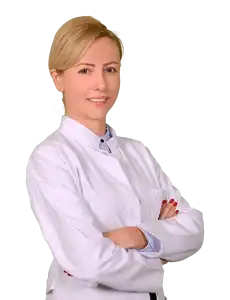
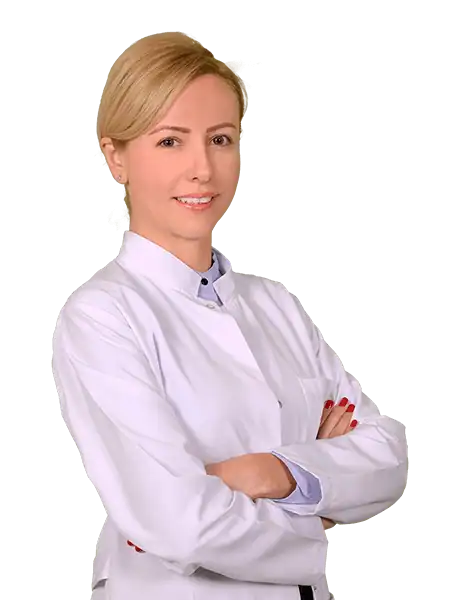
 Selin Alponat, MD
✓ Medically verified profileSelin Alponat, MD
Selin Alponat, MD is a Pathology specialist at Acibadem Bodrum Hospital in Muğla, Turkey, working in the Pathology Department. Her areas of expertise are tissue pathology, cytopathology and diagnostic pathology, evaluating tissue and cell samples to support diagnosis and treatment planning. She communicates in Turkish and English, and video consultation is available for international patients.
 Accepting international patients
About Selin Alponat, MD
Selin Alponat, MD is a Pathology specialist at Acibadem Bodrum Hospital in Muğla, where she works in the Pathology Department. Her work centers on the laboratory evaluation of tissue and cell samples, which supports the diagnosis and treatment planning carried out by clinical teams across a range of medical conditions. She has more than 21 years in medicine.
Dr. Alponat graduated from Kocaeli University Faculty of Medicine in 2005. She then completed her specialty training in Medical Pathology at Kocaeli University Faculty of Medicine in 2013. She has been working within Acıbadem Healthcare Services since 2016.
Clinical focus
Dr. Alponat’s areas of expertise include tissue pathology, cytopathology and diagnostic pathology. In tissue pathology, samples obtained from the patient are processed and examined under the microscope so that the structure of the tissue and any changes within it can be described. Cytopathology involves the study of individual cells or small groups of cells obtained from samples, with the aim of determining whether the cells show features that appear normal, reactive or abnormal. Diagnostic pathology brings these examinations together with the clinical information supplied by the treating physicians in order to produce a written pathology report.
The pathology report is a central document for the physicians who care for the patient. It is used by the treating team when they discuss the diagnosis and consider possible treatment options. Dr. Alponat’s role is therefore largely one of support to that team: her findings inform their decisions, while the treating physicians remain responsible for explaining the results and the next steps to the patient. As with all pathology work, the conclusions that can be drawn depend on the quality and type of sample available and on the clinical information provided.
How Dr. Alponat works with international patients
Dr. Alponat communicates in Turkish and English, and interpreters can be arranged for patients who speak other languages. The Acibadem international patient team coordinates the collection of prior reports and imaging, such as MRI, CT, X-ray or ultrasound reports, laboratory and pathology results, operative notes and discharge summaries, and arranges appointments and the hospital visit. A first consultation typically covers the patient’s history and symptoms, a review of existing imaging and previous treatments, a clinical examination and a discussion of the options; in the setting of pathology, this may include a review of earlier pathology findings alongside the results of any new samples. For international patients, pathology assessment is performed as part of a coordinated care process, with findings supporting communication between the clinical teams involved in the patient’s treatment planning. Video consultation is available for international patients.
Education, career and memberships
Education & training
Education
- 2013Kocaeli University Faculty of Medicine Medical Pathology
- 2005Kocaeli University Faculty of Medicine
Career
Professional Experience
- 2016Acıbadem Healthcare Services