What Is Carbon Monoxide? A Doctor-Reviewed Answer

Carbon monoxide cannot be seen, smelled, or tasted, so exposure may go unnoticed. It binds to hemoglobin and limits the blood’s ability to carry oxygen.
Key Takeaways
- Carbon monoxide cannot be seen, smelled, or tasted, so exposure may go unnoticed.
- It binds to hemoglobin and limits the blood’s ability to carry oxygen.
- Common symptoms include headache, dizziness, nausea, weakness, and confusion.
- Doctors diagnose suspected exposure through history, examination, and blood testing.
- Prevention depends on working carbon monoxide alarms and proper appliance maintenance.
Carbon monoxide is a colorless, odorless gas produced when fuels burn incompletely. Small, brief exposures may not cause noticeable harm, but higher levels can reduce oxygen delivery in the body and need prompt medical attention.
Overview: What Is Carbon Monoxide?
Carbon monoxide is a gas formed when fuels such as gas, wood, charcoal, oil, kerosene, or gasoline do not burn completely. It has no color, smell, or taste, which is why people often do not realize they have been exposed. In many everyday situations, there is no carbon monoxide problem at all. The concern arises when fuel-burning appliances, engines, or heaters are poorly ventilated, malfunctioning, or used in enclosed spaces.
In simple terms, carbon monoxide becomes harmful because it takes the place of oxygen in the bloodstream. When a person breathes it in, the gas attaches to hemoglobin in red blood cells much more strongly than oxygen does. As a result, organs and tissues may receive less oxygen than they need, especially the brain and heart.
Not every exposure causes serious illness. Brief, low-level exposure may cause no symptoms or only mild, short-lived complaints. However, larger exposures or longer exposure times can lead to carbon monoxide poisoning, which requires urgent medical assessment and treatment.
How Carbon Monoxide Affects the Body
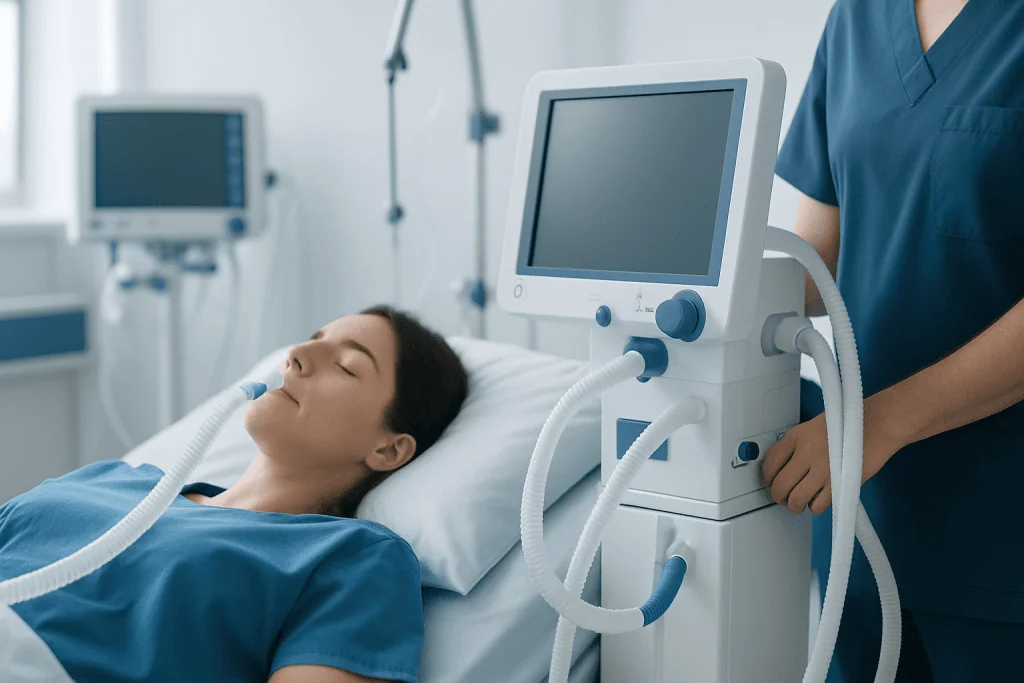
The main medical effect of carbon monoxide is reduced oxygen delivery. Oxygen normally travels through the blood attached to hemoglobin. When carbon monoxide is present, it competes with oxygen and forms carboxyhemoglobin, leaving less hemoglobin available to carry oxygen where the body needs it.
This can affect many organs at once. The brain is especially sensitive, so symptoms often begin with headache, dizziness, trouble concentrating, or confusion. The heart can also be affected, particularly in older adults or people with existing heart disease, because it must work harder when oxygen supply is reduced.
Pregnant people, infants, older adults, and those with chronic lung or heart conditions may be more vulnerable to harm. In pregnancy, the fetus may be affected even when the mother’s symptoms seem mild. For this reason, any suspected exposure in pregnancy deserves prompt medical advice.
Symptoms of Carbon Monoxide Exposure

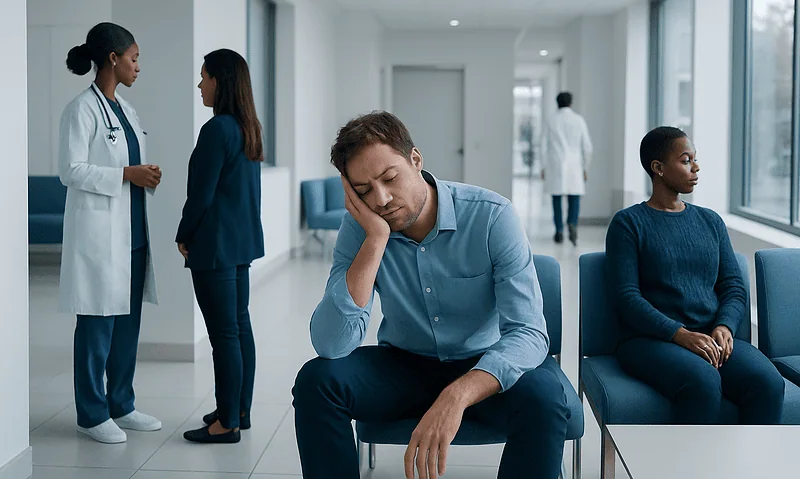
Carbon monoxide symptoms can be vague and may resemble a viral illness, fatigue, food poisoning, or a severe headache. Common early symptoms include headache, dizziness, weakness, nausea, vomiting, tiredness, and shortness of breath. Some people notice difficulty thinking clearly, blurred vision, or feeling unsteady.
Symptoms often become more noticeable when the person is inside the home, garage, vehicle, or another enclosed setting, and may improve after going outside. If multiple people in the same place develop similar symptoms at the same time, carbon monoxide exposure becomes more likely. Pets may also appear weak or unwell during household exposure.
More serious warning signs include chest pain, fainting, confusion, severe breathlessness, collapse, seizures, or loss of consciousness. These symptoms suggest significant poisoning and should be treated as a medical emergency. Because reduced oxygen can affect the heart and brain, doctors may also consider related problems such as stroke or heart complications when evaluating severe cases.
Common Causes and Risk Factors
Carbon monoxide is usually linked to fuel-burning devices used without proper ventilation or maintenance. Common sources include furnaces, boilers, water heaters, gas stoves, fireplaces, wood-burning stoves, portable generators, charcoal grills, and motor vehicles left running in enclosed or partly enclosed areas. Blocked chimneys, faulty flues, or poorly serviced appliances can raise the risk.
Exposure may happen at home, at work, during travel, or in emergencies such as power outages. A generator used too close to a house, a car idling in a garage, or a camping stove used indoors can create dangerous levels quickly. Seasonal risk often increases in colder months, when heating systems are used more often and windows may remain closed.
- Lack of carbon monoxide alarms
- Using fuel-burning equipment indoors when it is designed for outdoor use
- Poorly maintained heating systems or chimneys
- Sleeping in rooms with unsafe heaters
- Occupational exposure in garages, industrial settings, or fire-related environments
How Doctors Diagnose Carbon Monoxide Exposure
Doctors begin with the story of what happened. They ask where the person was, whether others nearby felt ill, what appliances or engines were in use, and whether symptoms improved after leaving the area. This history is often the most important clue, because carbon monoxide itself cannot be detected by smell or routine physical signs alone.
The medical team then performs an examination and checks oxygen status, heart rate, blood pressure, breathing, and mental state. A standard pulse oximeter may appear normal even when carbon monoxide exposure is present, so it cannot reliably rule it out. For this reason, doctors may order a blood test to measure carboxyhemoglobin levels.
Additional tests may be needed depending on symptoms and severity. These can include an electrocardiogram to assess the heart, blood tests for acid-base balance, and imaging or neurological assessment if confusion, fainting, or focal symptoms are present. In hospitals with advanced emergency and imaging services, evaluation may also involve MRI scanning or CT scanning when clinicians need to assess possible complications or alternative diagnoses.
Treatment Options and Recovery
The first step in treatment is simple but important: move away from the source of exposure into fresh air and call emergency services if symptoms are significant. In medical care, oxygen is the main treatment. Breathing high-concentration oxygen helps remove carbon monoxide from the blood more quickly and improves oxygen delivery to tissues.
People with mild exposure may recover fully after observation and oxygen therapy. Those with more serious poisoning may need longer monitoring, heart testing, neurological evaluation, and treatment of complications. In selected cases, a specialist may recommend hyperbaric oxygen therapy, especially if there was loss of consciousness, severe neurological symptoms, pregnancy, or evidence of heart strain.
Recovery varies depending on the level and duration of exposure and on the person’s overall health. Some people feel better quickly, while others may experience headache, poor concentration, fatigue, or mood changes for a time afterward. Follow-up is important if symptoms persist, and some patients may benefit from assessment by specialists in neurology if ongoing cognitive or nervous system symptoms develop.
Prevention and Self-Care at Home
The most effective prevention is to reduce the chance of exposure before it happens. Carbon monoxide alarms should be installed outside sleeping areas and on every level of the home, following local safety guidance. Batteries should be replaced as recommended, and alarms should be tested regularly.
Fuel-burning appliances, chimneys, and heating systems should be serviced by qualified professionals. Portable generators, grills, camp stoves, and similar equipment should never be used inside homes, garages, tents, basements, or other enclosed spaces. Vehicles should not be left running in a garage, even if the door is open.
If a carbon monoxide alarm sounds, everyone should go outside or to fresh air immediately and seek emergency advice. People should not re-enter the building until it has been assessed and declared safe. For individuals who need hospital evaluation or specialist follow-up, Acibadem International’s multidisciplinary specialists in JCI-accredited hospitals diagnose and treat carbon monoxide-related conditions for international patients.
When to Seek Medical Care
Medical review is advisable if a person develops headache, dizziness, nausea, unusual fatigue, or confusion after being in a place where fuel-burning equipment was used or ventilation was poor. It is especially important to seek care if more than one person in the same location has similar symptoms, or if symptoms improve after leaving the area and return on re-entry.
Urgent or emergency care is needed for chest pain, severe shortness of breath, fainting, collapse, seizures, marked confusion, or loss of consciousness. Pregnant people, infants, older adults, and anyone with heart or lung disease should have a lower threshold for urgent assessment, even if symptoms seem mild.
After suspected exposure, doctors focus on three things: confirming the exposure, checking how the body has been affected, and guiding safe recovery. That usually includes exposure history, examination, blood testing, and monitoring until symptoms improve. Prompt care is reassuring because effective treatment is available, and early attention can reduce the chance of complications.
Frequently asked questions
Is carbon monoxide always dangerous?
Not every exposure leads to serious illness. Very small or brief exposures may cause no symptoms, but higher levels or longer exposure can be dangerous because carbon monoxide reduces oxygen delivery throughout the body.
What does carbon monoxide smell like?
Carbon monoxide has no smell, color, or taste. That is why alarms and safe appliance use are so important, since people cannot detect it with their senses.
Can carbon monoxide poisoning look like the flu?
Yes. Headache, nausea, tiredness, dizziness, and weakness can resemble flu-like illness, but carbon monoxide exposure usually does not cause fever and may affect several people in the same place at once.
How do doctors test for carbon monoxide exposure?
Doctors usually rely on exposure history, symptoms, and a blood test that measures carboxyhemoglobin. They may also check the heart, breathing, and nervous system depending on how severe the symptoms are.
What should someone do if a carbon monoxide alarm goes off?
Everyone should leave the area and move to fresh air right away. Emergency services or the local fire department should be contacted, and no one should return until the source has been checked and the area is confirmed safe.
Can someone have symptoms later, even after treatment?
Some people recover quickly, while others may notice fatigue, trouble concentrating, mood changes, or headache afterward. Persistent or worsening symptoms should be discussed with a doctor so recovery can be monitored properly.
This article is for general information only and is not a substitute for professional medical advice. Please consult a qualified doctor about your individual situation.
Persistent digestive symptoms? Get evaluated in Turkey
JCI-accredited · board-certified surgeons · reply within 24h
Add us as a Preferred Source to see more of our trusted health content across Google Search, AI Overviews and Discover.

More from the Health Library

Silent Migraine: Aura Symptoms Without Headache Explained
What Organ Produces Insulin? A Doctor-Reviewed Answer

How Much Sugar Per Day? A Doctor-Reviewed Answer

How to Tell If Ground Beef Is Bad? A Doctor-Reviewed Answer

Can You Get Pregnant on Your Period? Here Is What the Evidence Says