Harelip Cleft: A Complete Medical Overview

Harelip cleft usually refers to cleft lip, with or without cleft palate. It develops before birth and is not caused by anything a parent did intentionally.
Key Takeaways
- Harelip cleft usually refers to cleft lip, with or without cleft palate.
- It develops before birth and is not caused by anything a parent did intentionally.
- Common concerns include feeding difficulties, ear infections, dental issues, and speech problems.
- Treatment often includes surgery, feeding support, dental care, hearing checks, and speech therapy.
- Early assessment by a multidisciplinary cleft team helps plan care and improve long-term outcomes.
Medically reviewed by the Acıbadem International Medical Board — July 24, 2026
Harelip cleft is an older term commonly used to describe cleft lip, sometimes with cleft palate, a congenital difference present at birth. It happens when parts of the lip or roof of the mouth do not fully join during fetal development, and treatment usually involves coordinated care from specialists over time.
Overview: what harelip cleft means
Harelip cleft is a non-medical, older term that people may use for cleft lip, with or without cleft palate. In medical practice, clinicians usually say cleft lip, cleft palate, or cleft lip and palate. These are congenital differences, meaning they are present at birth, and they happen when tissues of the face and mouth do not come together completely during early pregnancy.
A cleft may involve only the lip, only the palate, or both. The opening can be small or more pronounced, and it may affect one side of the lip, both sides, or the center in uncommon cases. Some children have an isolated cleft, while others have it as part of a broader genetic syndrome or developmental pattern.
Although a cleft can affect feeding, speech, hearing, dental growth, and facial development, treatment is well established. Care is usually planned by a multidisciplinary team that may include pediatricians, plastic surgeons, ENT specialists, audiologists, dentists, orthodontists, speech-language therapists, and psychologists. The goal is not only surgical repair, but also support for healthy growth, communication, and quality of life over time.
Signs and symptoms in babies and children
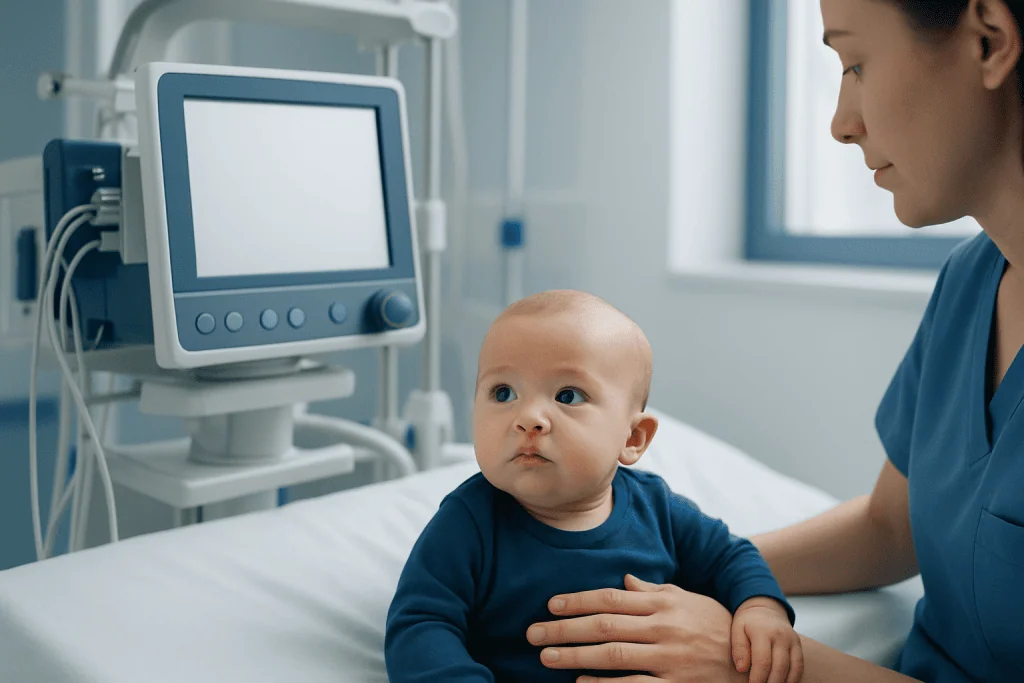
The most obvious sign of a cleft lip is a visible opening or separation in the upper lip. This may appear as a small notch or a wider gap that extends toward the nose. A cleft palate may be less visible from the outside and can sometimes be noticed only when a healthcare professional examines the inside of the mouth.
Feeding difficulties are common, especially when the palate is involved. Some babies cannot create enough suction for standard breastfeeding or bottle feeding. Milk may come through the nose, feeding may take longer, or the baby may tire easily. With the right bottle systems, positioning, and guidance, many families can establish safe and effective feeding routines.
As a child grows, symptoms may include recurrent ear infections, fluid behind the eardrum, hearing concerns, delayed speech development, or speech that sounds nasal. Dental and jaw alignment problems may also occur, particularly when the gum ridge is affected. Not every child has every issue, but regular follow-up helps identify needs early.
Causes and risk factors

Harelip cleft develops very early in pregnancy, usually during the first trimester, when the structures of the lip and palate are forming. In many cases, there is no single clear cause. Most experts understand clefts as the result of a combination of genetic and environmental influences rather than one isolated trigger.
Family history can increase the chance of cleft lip or palate in some pregnancies. Certain genetic syndromes are also associated with clefts, but many affected babies do not have a syndrome and are otherwise healthy. Because facial development is complex, a cleft can occur even when there is no known family history.
Some factors are linked with a higher risk, including maternal smoking, heavy alcohol exposure, poorly controlled diabetes, obesity, and certain medications taken during pregnancy. Folate deficiency may also play a role in some cases. Even so, many parents of children with clefts had no known risk factors, and a cleft is not something they intentionally caused.
When questions remain about why a cleft occurred, a doctor may suggest genetic counseling. This can help families understand recurrence risk, whether other findings need evaluation, and what to consider in future pregnancies.
How diagnosis is made
Some clefts are detected before birth during routine ultrasound. Cleft lip is often easier to identify prenatally than cleft palate alone. If a cleft is suspected during pregnancy, additional imaging and consultation may help parents prepare for feeding support, delivery planning, and specialist assessment after birth.
After delivery, a doctor examines the baby’s lip, mouth, and palate carefully. When a cleft palate is subtle or located farther back, it may not be obvious without a focused oral exam. The healthcare team also checks breathing, feeding, weight gain, hearing, and overall development.
Because clefts can affect the ears, hearing tests are important. The palate muscles help open the Eustachian tube, so children with cleft palate are more prone to fluid buildup and middle ear problems. Dental and jaw development are also monitored over time, especially as teeth begin to come in.
If there are signs suggesting a broader syndrome or other congenital differences, the child may need additional evaluation. This can include genetic review, heart checks, or other assessments based on the clinical picture. A structured diagnosis helps create a long-term care plan rather than focusing only on the initial repair.
Treatment options and long-term care
Treatment for harelip cleft is individualized and usually begins soon after birth with feeding support and planning for surgery. The exact timing depends on the type of cleft, the baby’s growth, and any related health concerns. Surgical repair is a central part of care, but it is only one step in a broader treatment pathway.
Cleft lip repair is commonly performed in early infancy, while cleft palate repair often follows later in the first year of life or according to the child’s needs and the team’s protocol. The goals are to restore function, support normal feeding and speech development, and improve the structure of the lip, nose, and palate. In some children, additional procedures are needed later for speech, ear ventilation, dental alignment, gum repair, or nasal shape.
Depending on the child’s needs, treatment may involve plastic surgery, hearing assessment and ENT care, dental and orthodontic follow-up, and speech and language therapy. If a cleft affects the palate and jaw, teams also monitor growth carefully and may coordinate with specialists familiar with cleft lip and palate.
Families often benefit from ongoing follow-up into childhood and adolescence. Speech, hearing, dental eruption, facial growth, and psychosocial well-being all matter. In selected cases, later maxillofacial surgery or orthodontic treatment may be considered to support bite function and facial balance.
Daily care, feeding support, and family guidance
The first practical challenge for many families is feeding. Babies with cleft palate may need special bottles or nipples that allow milk flow with less suction effort. A feeding specialist, pediatrician, or cleft nurse can show parents how to position the baby, pace feeds, and watch for swallowing or fatigue concerns. With support, many babies feed well and gain weight appropriately.
Oral care is also important. Even before teeth erupt, families may be advised to keep the mouth clean gently and attend regular dental reviews once teeth begin to appear. Good oral hygiene supports later surgeries, dental development, and overall comfort.
Speech and hearing should be followed proactively rather than waiting for major difficulties to appear. Some children need ear tubes because of recurrent fluid or infections. Others need speech therapy to help articulation and resonance after palate repair. Early intervention can make communication development smoother.
Emotional support matters too. Parents may feel overwhelmed after diagnosis, especially if it was unexpected. Clear explanations, realistic planning, and contact with experienced specialists can make the process feel more manageable. At Acibadem International, multidisciplinary specialists in JCI-accredited hospitals diagnose and treat cleft conditions for international patients as part of coordinated pediatric care.
Can harelip cleft be prevented?
Not all cases can be prevented, because many occur from a mix of factors that are not fully controllable. Still, certain preconception and pregnancy measures may help reduce the risk of some birth differences, including clefts. These steps are part of general healthy pregnancy planning rather than a guarantee.
Doctors often advise taking folic acid before conception and during early pregnancy, avoiding smoking and alcohol, reviewing medications before trying to conceive, and managing chronic conditions such as diabetes as well as possible. Keeping regular prenatal appointments also helps identify concerns early and supports healthier maternal and fetal development.
If there is a family history of cleft lip or palate, genetic counseling before pregnancy may be useful. This does not predict every case, but it can help parents understand background risk and available screening options. For families who already have a child with a cleft, counseling may also support future planning.
When to seek medical care
Medical care should be sought promptly if a newborn has difficulty feeding, poor weight gain, choking during feeds, milk coming through the nose, noisy breathing, or signs of dehydration. A visible split in the lip or concerns about the roof of the mouth should also be assessed without delay so the baby can receive feeding guidance and a treatment plan.
Ongoing review is important if a child develops frequent ear infections, reduced hearing, delayed speech, nasal-sounding speech, dental crowding, or trouble with chewing. These issues are common in children with clefts and often respond well to specialist care when addressed early.
Parents should also contact a doctor if a child has fever, ear pain, feeding refusal, or signs of infection after any procedure. Regular follow-up visits help the team adjust care as the child grows, since needs can change from infancy through adolescence.
Frequently asked questions
Is harelip cleft the same as cleft lip?
Harelip cleft is an older, non-medical term that usually refers to cleft lip, sometimes with cleft palate. Most healthcare professionals prefer the terms cleft lip and cleft palate because they are more precise and respectful.
Can a baby with harelip cleft breastfeed?
Some babies with an isolated cleft lip can breastfeed, though latch may need adjustment. Babies with cleft palate often have more difficulty creating suction and may need special bottles or feeding support. A feeding specialist can help families find the safest and most effective approach.
Will every child with a cleft need surgery?
Most children with cleft lip, cleft palate, or both do need surgery as part of treatment. However, care usually includes more than surgery alone, such as feeding help, hearing checks, dental care, and speech therapy. The exact plan depends on the type and severity of the cleft.
What causes harelip cleft during pregnancy?
In many cases, there is no single identifiable cause. Clefts are thought to arise from a combination of genetic influences and environmental factors during early fetal development. Risk can be higher with some medications, smoking, alcohol exposure, diabetes, or family history, but many babies with clefts have no clear risk factor.
Can harelip cleft be seen before birth?
Yes, cleft lip is often visible on prenatal ultrasound, especially later in the first trimester or during the second trimester anatomy scan. Cleft palate alone is harder to detect before birth. If a cleft is suspected, further imaging and specialist consultation may be recommended.
Does a cleft affect speech and hearing?
It can, especially when the palate is involved. The palate is important for normal speech sound production, and children with cleft palate are also more prone to middle ear fluid and hearing problems. Regular hearing tests and speech follow-up are an important part of care.
References
- World Health Organization
- American Cleft Palate-Craniofacial Association
- Centers for Disease Control and Prevention
- National Institute of Dental and Craniofacial Research
- American Academy of Pediatrics
This article is for general information only and is not a substitute for professional medical advice. Please consult a qualified doctor about your individual situation.
Explore treatments in Turkey — costs, top hospitals & a free quote
JCI-accredited · board-certified surgeons · reply within 24h