External Hemorrhoid — Explained by Medical Evidence, Not Myths
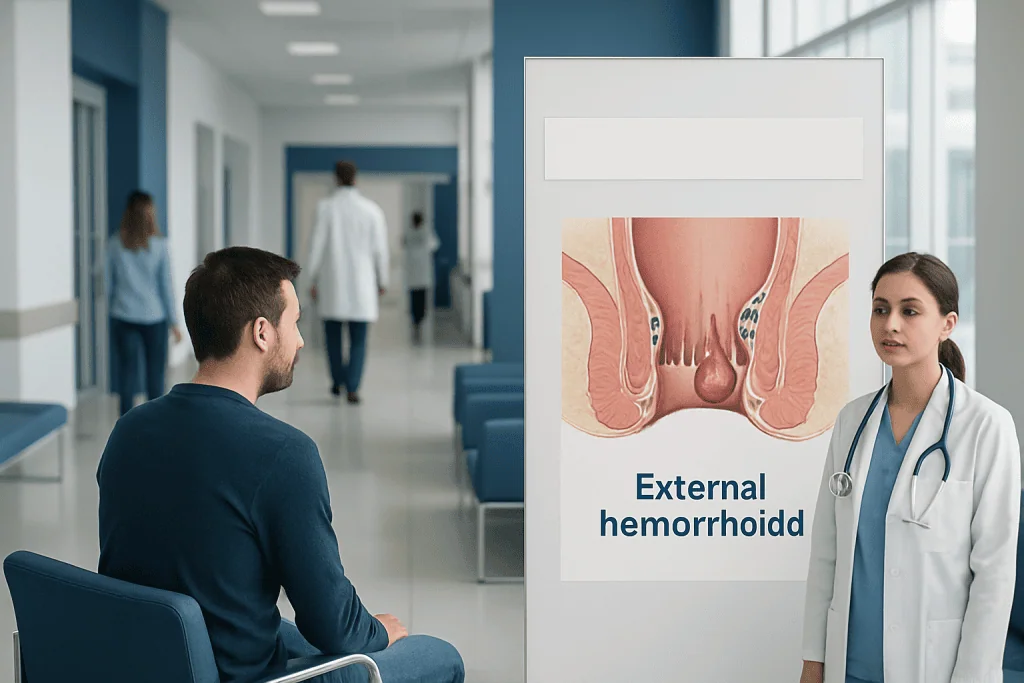
External hemorrhoids form under the skin around the anus and differ from internal hemorrhoids, which develop inside the rectum. Common symptoms include pain, itching, swelling, irritation, and sometimes a firm, tender lump if a clot forms.
Key Takeaways
- External hemorrhoids form under the skin around the anus and differ from internal hemorrhoids, which develop inside the rectum.
- Common symptoms include pain, itching, swelling, irritation, and sometimes a firm, tender lump if a clot forms.
- Constipation, straining, prolonged sitting, pregnancy, and low-fiber diets are common contributing factors.
- Most cases can be managed with fiber, fluids, gentle hygiene, and symptom relief, but severe pain or bleeding should be assessed by a doctor.
- Not every anal lump or episode of rectal bleeding is a hemorrhoid, so persistent or unusual symptoms need proper diagnosis.
Medically reviewed by the Acıbadem International Medical Board — July 24, 2026
An external hemorrhoid is a swollen vein under the skin around the anus. It may cause pain, itching, irritation, or a tender lump, and many cases improve with simple self-care, though some need medical treatment.
Overview: what an external hemorrhoid is
An external hemorrhoid is an enlarged or swollen vein located under the skin around the anus. This can lead to discomfort, itching, swelling, or a noticeable lump. In some people, an external hemorrhoid remains mild and settles with conservative care; in others, it becomes more painful, especially if a blood clot develops inside it.
Hemorrhoids are common, but they are often misunderstood. They are not caused by poor hygiene, and they are not automatically dangerous. In many cases, they reflect increased pressure in the veins of the lower rectum and anal area, often related to straining during bowel movements, constipation, pregnancy, or long periods of sitting.
It is also helpful to distinguish an external hemorrhoid from other anorectal conditions. Internal hemorrhoids develop inside the rectum and may bleed without causing much pain, while external hemorrhoids are more likely to be felt and can be tender. Other conditions, such as an anal fissure, skin tags, abscesses, or rarely more serious disorders, can cause similar symptoms and should not be assumed to be hemorrhoids without evaluation if symptoms persist.
Symptoms and how it may feel
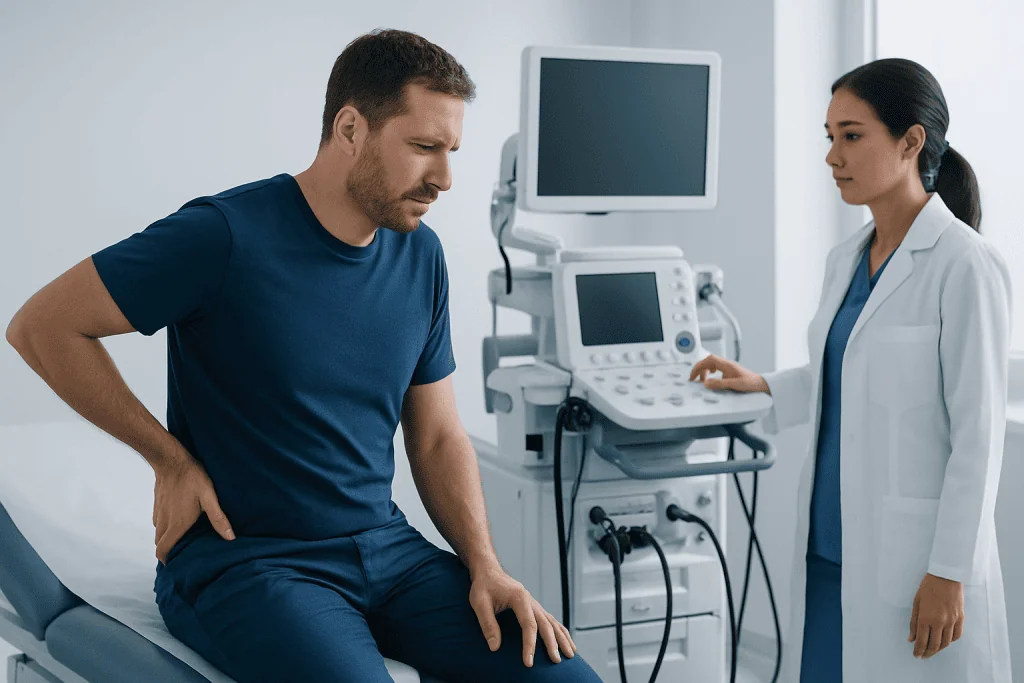
The symptoms of an external hemorrhoid vary from person to person. Some people notice only mild irritation, while others have significant discomfort. Symptoms may come and go, especially if bowel habits change.
Common symptoms include:
- Itching around the anus
- Pain or soreness, especially when sitting or during bowel movements
- Swelling around the anus
- A soft or firm lump near the anal opening
- Irritation or a feeling of fullness in the area
- Small amounts of bright red blood on toilet paper or the stool surface
A thrombosed external hemorrhoid happens when a blood clot forms inside the swollen vein. This often causes sudden, more intense pain and a firm bluish or purple lump near the anus. While this can be very uncomfortable, it is not usually dangerous; however, it may need prompt medical attention to confirm the diagnosis and discuss treatment options.
Bleeding should never be ignored or automatically blamed on hemorrhoids. Although hemorrhoids are a common reason for minor bright red rectal bleeding, other digestive conditions can also cause it. That is one reason a medical assessment is important when bleeding is recurrent, heavy, or associated with other symptoms.
Causes and risk factors

External hemorrhoids develop when pressure rises in the veins around the anus and lower rectum. Over time, this pressure can stretch and enlarge the veins. Usually, there is not a single cause; instead, several lifestyle and physical factors may contribute.
Common risk factors include chronic constipation, frequent straining during bowel movements, sitting on the toilet for long periods, and a low-fiber diet. Hard stools can increase pressure and friction in the anal area, making symptoms more likely. Diarrhea can also irritate the area and sometimes worsen hemorrhoid symptoms.
Pregnancy is another well-known factor because the growing uterus increases pelvic pressure and hormonal changes can affect vein walls. Aging may also play a role, as supporting tissues in the anorectal region can weaken over time. People who do heavy lifting regularly or spend long periods sitting may also be at higher risk.
Having hemorrhoid symptoms does not necessarily mean there is a serious disease, but similar complaints can overlap with other conditions such as colon cancer or inflammatory bowel disorders. That is why self-diagnosis should be approached carefully, especially in older adults or anyone with new bleeding, weight loss, anemia, or a family history of colorectal disease.
How doctors diagnose an external hemorrhoid
Diagnosis usually begins with a medical history and physical examination. A doctor will ask about pain, bleeding, bowel habits, constipation, pregnancy, medications, and whether symptoms are new or recurring. Many external hemorrhoids can be identified by careful inspection of the area.
If symptoms suggest another condition or if bleeding is present, the doctor may recommend additional evaluation. Depending on age, symptoms, and medical history, this might include a digital rectal examination or tests to look for other causes of rectal bleeding. In some cases, further digestive assessment such as colonoscopy may be advised, not because hemorrhoids are dangerous, but because other conditions need to be excluded.
The main goal of diagnosis is not only to confirm whether a lump is an external hemorrhoid, but also to identify warning signs that point elsewhere. Conditions such as fissures, perianal abscesses, fistulas, prolapse, skin lesions, or colorectal disease can sometimes mimic hemorrhoids.
People often delay assessment because they feel embarrassed. In practice, anorectal symptoms are very common, and doctors evaluate them routinely. Early assessment can reduce discomfort and help avoid unnecessary worry or inappropriate home treatment.
Treatment options: from home care to procedures
Treatment depends on symptom severity, whether a clot is present, and how much the problem affects daily life. For many patients, the first step is conservative care. This usually focuses on softening stools, reducing straining, and relieving irritation while the swollen vein settles.
Helpful measures often include increasing dietary fiber, drinking enough fluids, using gentle cleansing instead of vigorous wiping, and limiting time spent on the toilet. Warm sitz baths may ease discomfort, and some people benefit from short-term use of over-the-counter creams or suppositories recommended by a pharmacist or doctor. Pain relief may also be used when appropriate.
If the external hemorrhoid is thrombosed and very painful, especially within the first few days of symptom onset, a doctor may discuss office-based treatment to remove the clot or relieve pressure. This is considered selectively, based on timing, symptom intensity, and overall health. Persistent, recurrent, or complex hemorrhoid symptoms may also lead to referral for specialist evaluation in general surgery or digestive care, depending on the situation.
When hemorrhoid disease is broader than a single external lump, treatment may include targeted procedures for associated internal hemorrhoids. In selected patients, specialists may consider interventions such as hemorrhoid surgery when symptoms are severe, recurrent, or not improved by conservative treatment. The most suitable approach depends on examination findings and should be individualized.
Self-care, recovery, and prevention
Daily habits are central both for recovery and for preventing future episodes. The aim is to keep bowel movements soft and regular while reducing pressure on the anal veins. This often matters more in the long term than short-term symptom creams alone.
Practical self-care steps include:
- Eating more fiber from vegetables, fruit, legumes, and whole grains
- Using a fiber supplement if a doctor recommends it
- Drinking enough water through the day
- Going to the toilet when the urge appears instead of delaying
- Avoiding prolonged straining
- Reducing long periods of sitting when possible
- Cleaning the area gently and patting dry
Regular physical activity may support bowel function and reduce constipation. During flare-ups, loose clothing and avoiding friction can also make the area more comfortable. If symptoms repeatedly return, it is reasonable to review bowel habits, diet, medication side effects, and any underlying digestive issues with a clinician.
For international patients who need further assessment, Acibadem International’s multidisciplinary specialists in JCI-accredited hospitals diagnose and treat anorectal conditions using individualized care plans. This may be helpful when symptoms are persistent, unclear, or affecting quality of life.
When to seek medical care
Medical care is advisable if symptoms are severe, unusual, or not improving. Although many external hemorrhoids are mild, some symptoms can point to a clot, another anorectal condition, or a digestive disorder that needs attention.
A person should seek medical advice if there is significant pain, a rapidly appearing tender lump, recurrent bleeding, bleeding mixed into the stool, fever, drainage, or symptoms that continue despite home care. It is also important to be assessed if rectal bleeding occurs together with weakness, unexplained weight loss, change in bowel habits, or abdominal symptoms.
Urgent evaluation may be needed for heavy bleeding, severe uncontrolled pain, or signs of infection such as fever and increasing redness or swelling. People who are pregnant, older, immunocompromised, or taking blood thinners should be especially cautious and seek individualized medical guidance rather than relying only on self-treatment.
Frequently asked questions
What is the difference between an external hemorrhoid and an internal hemorrhoid?
An external hemorrhoid forms under the skin around the anus, so it is more likely to cause pain, swelling, itching, or a lump that can be felt. An internal hemorrhoid develops inside the rectum and may cause painless bleeding, though it can sometimes prolapse and become uncomfortable.
Can an external hemorrhoid go away on its own?
Yes, many external hemorrhoids improve over days to weeks with conservative care. Reducing straining, softening stools, and keeping the area clean and dry often help symptoms settle, although a residual skin tag may remain in some cases.
What is a thrombosed external hemorrhoid?
A thrombosed external hemorrhoid is an external hemorrhoid with a blood clot inside it. It often causes sudden, marked pain and a firm bluish lump near the anus, and a doctor may recommend either symptom management or a minor procedure depending on how long symptoms have been present and how severe they are.
Is rectal bleeding always caused by an external hemorrhoid?
No. Hemorrhoids are a common cause of bright red rectal bleeding, but other conditions can also cause bleeding, including anal fissures, inflammatory bowel disease, polyps, and colorectal cancer. Any persistent, recurrent, or unexplained bleeding should be evaluated by a qualified doctor.
Do external hemorrhoids mean poor hygiene?
No, external hemorrhoids are not a sign of poor hygiene. They are usually related to pressure in the anal veins from constipation, straining, pregnancy, prolonged sitting, or similar factors, although gentle hygiene can help reduce irritation during a flare-up.
When should someone see a doctor for an external hemorrhoid?
A doctor should be consulted if there is severe pain, a new or rapidly enlarging lump, repeated bleeding, or symptoms that do not improve with self-care. Medical assessment is also important if bleeding is accompanied by weakness, weight loss, fever, or a change in bowel habits.
References
- National Institute of Diabetes and Digestive and Kidney Diseases
- American Society of Colon and Rectal Surgeons
- Mayo Clinic
- National Health Service
- Cleveland Clinic
This article is for general information only and is not a substitute for professional medical advice. Please consult a qualified doctor about your individual situation.
Explore treatments in Turkey — costs, top hospitals & a free quote
JCI-accredited · board-certified surgeons · reply within 24h