Moebius Syndrome: Early Signs, Risk Factors, and How It Is Treated

Moebius syndrome is a rare condition present at birth that limits facial expression and outward eye movement. It is not usually progressive; care focuses on feeding support, eye protection, speech and physical therapy, and in some cases surgery. If a newborn has weak sucking, little facial movement, or incomplete blinking, ask a pediatric specialist for evaluation.
Key Takeaways
- Moebius syndrome is usually recognized in infancy because of reduced facial expression, difficulty moving the eyes outward, or feeding problems.
- It most often involves underdevelopment of the sixth and seventh cranial nerves, which help control eye movement and facial muscles.
- Symptoms and severity vary; some children also have limb, mouth, jaw, dental, hearing, or developmental concerns.
- Diagnosis is based on clinical evaluation and may include eye, hearing, neurological, and imaging assessments.
- Treatment focuses on symptom management, rehabilitation, eye care, nutrition, speech support, and selected surgical options.
- Ongoing follow-up with a multidisciplinary team helps children and adults manage changing needs over time.
Moebius syndrome is a rare condition present from birth that mainly affects the nerves controlling facial expression and side-to-side eye movement. While there is no single cure, early supportive care and coordinated treatment can improve feeding, speech, eye protection, movement, and quality of life.
Overview
Moebius syndrome is a rare congenital neurological condition, meaning it is present at birth. It mainly affects the cranial nerves that control facial expression and side-to-side eye movement, so a baby or child may have reduced facial movement, difficulty smiling, and trouble moving the eyes outward. Early recognition matters because the condition can also affect feeding, speech, eye protection, and motor development.
In most cases, Moebius syndrome involves the sixth cranial nerve, which helps move the eyes outward, and the seventh cranial nerve, which controls facial muscles. Some children also have involvement of other cranial nerves or related differences in the muscles, jaw, tongue, hands, feet, or chest wall. The condition does not look the same in every person, so care is individualized.
Moebius syndrome is not usually a progressive disease in the sense of ongoing nerve loss over time. Instead, the main challenges are linked to how the nerves and muscles developed before birth. With supportive therapies, medical follow-up, and in some cases surgery, many people can improve function and adapt well at school, work, and in social life.
Early Signs and Symptoms
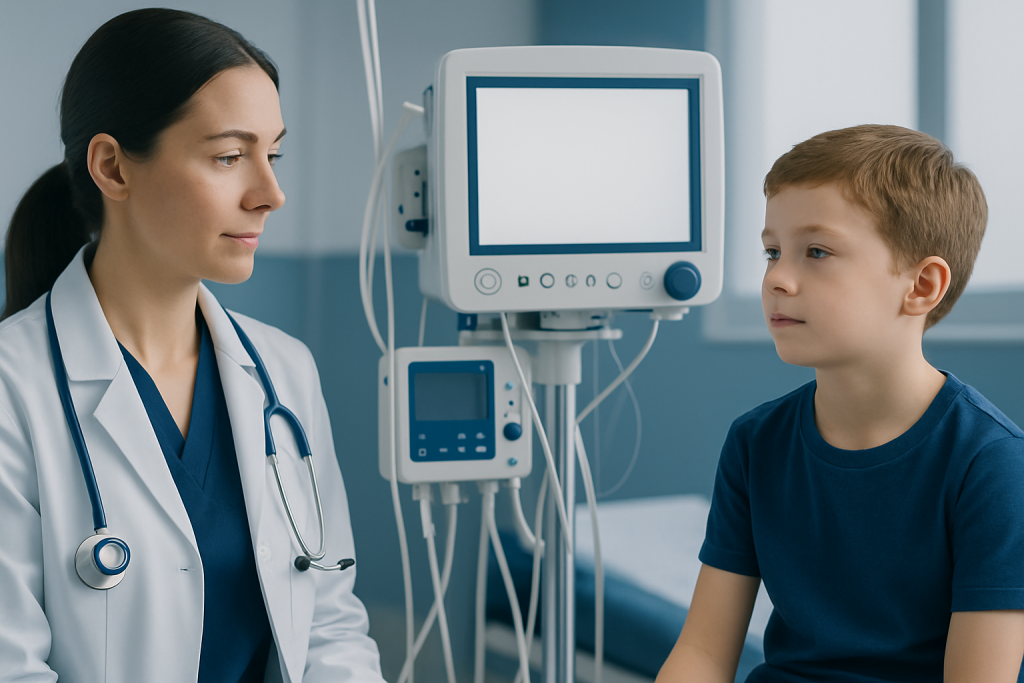
The early signs of moebius syndrome often appear soon after birth. A newborn may have little facial expression, incomplete blinking, poor sucking, or trouble latching during feeding. Parents may notice that the baby does not smile in the usual way or seems unable to move the eyes fully from side to side.
Common features can include facial weakness or paralysis on one or both sides, limited outward eye movement, crossed eyes, excessive drooling, and difficulty closing the lips. Because facial movement is reduced, emotions may be harder to read from expression alone, even when the child feels them fully. Families, teachers, and caregivers need to know this.
Some children also have other physical findings, such as a small jaw, high palate, tongue movement differences, ear problems, dental issues, clubfoot, hand or finger differences, or delays in gross motor milestones. Speech may sound unclear if facial, lip, or tongue movement is limited. These associated findings vary widely, and not every person with Moebius syndrome has them.
- Reduced facial expression or inability to smile fully
- Difficulty moving the eyes outward
- Feeding or swallowing difficulties in infancy
- Incomplete eyelid closure and dry eyes
- Drooling or poor lip seal
- Speech, dental, or motor development challenges
What Causes It and Who Is at Risk?
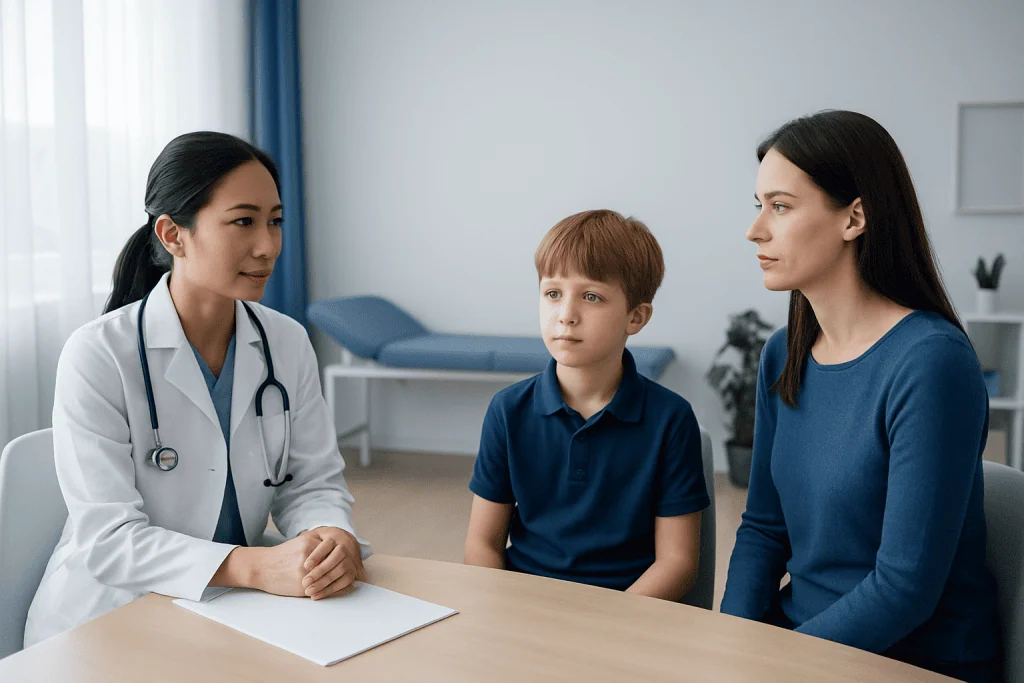
The exact cause of moebius syndrome is not fully understood. It is thought to result from abnormal development of certain cranial nerves, their nuclei in the brainstem, or the blood supply to these areas during early fetal development. In many cases, no clear single cause is found, and nothing the parents did or did not do is identified as the reason.
Most cases appear sporadically, meaning they happen without a known family history. Rarely, genetic factors may play a role, and a specialist may suggest genetic evaluation if the child has additional congenital differences or if more than one family member is affected. Even when genetics are discussed, the condition is often complex rather than linked to one simple inherited pattern.
Reported risk factors include certain vascular disruptions during fetal development and, in some cases, prenatal exposures. What we know here is still incomplete, so read it with caution. Because the condition is rare, families commonly have questions about future pregnancies. Genetic counseling can help explain what is known, what remains uncertain, and whether further testing would be useful.
How Moebius Syndrome Is Diagnosed
Diagnosis is usually based on a careful clinical examination. Doctors look for the characteristic combination of congenital facial weakness and limited outward eye movement. The evaluation often begins with a pediatrician, neonatologist, pediatric neurologist, or craniofacial specialist and may involve several disciplines because symptoms can affect more than one body system.
Further testing depends on the child’s needs. Eye examination helps assess corneal protection, strabismus, and visual development. Hearing tests may be recommended, especially when speech delay or recurrent ear concerns are present. Feeding and swallowing assessment can be important in babies who cough, choke, gain weight slowly, or struggle with oral coordination.
Imaging such as MRI may be used to look at the brainstem and related structures or to rule out other causes of congenital facial weakness. Some children are also evaluated for limb differences, dental problems, jaw structure, sleep-related breathing concerns, or associated neurological conditions. Facial weakness happens in other disorders too, so your doctor will look at the broader picture and weigh up other causes of facial paralysis.
Treatment Options and Long-Term Care
There is no single treatment that corrects all features of Moebius syndrome, so care is focused on the person’s symptoms and developmental needs. In infancy, priorities often include safe feeding, weight gain, and eye protection. As the child grows, attention may shift toward speech, dental care, physical function, social communication, and confidence in daily life.
Eye care is especially important when blinking is reduced or eyelids do not close fully. Lubricating drops or ointments, taping the eyelids during sleep in selected cases, and ophthalmology follow-up can help protect the cornea. Some children may need treatment for strabismus, and this can include glasses, patching, or strabismus surgery when appropriate.
Therapies may include speech and language therapy, occupational therapy, physical therapy, and feeding support. If facial movement is very limited, selected patients may be evaluated for reconstructive approaches such as facial nerve repair or related smile-restoration procedures, depending on anatomy and goals. When hand, foot, or orthopedic differences are present, targeted management such as clubfoot treatment or rehabilitation may also be part of care.
Because the condition can affect appearance as well as function, psychosocial support matters too. Children and adults may benefit from counseling, school accommodations, and education for teachers or peers so that reduced facial expression is not mistaken for lack of emotion or engagement. Some families also look for a multidisciplinary assessment at centers such as Acibadem International, where JCI-accredited hospitals and specialists evaluate and treat complex congenital and neurological conditions for international patients.
Living With Moebius Syndrome: Daily Support and Self-Care
Daily management depends on the person’s age and specific symptoms. Babies with feeding difficulty may need support from lactation consultants, feeding therapists, or pediatric nutrition teams. Parents are often taught positioning techniques, pacing strategies, and signs that a feed is not going well, such as coughing, tiring easily, or poor weight gain.
For children and adults, regular eye lubrication, dental care, and speech practice can become part of routine self-care. If mouth closure is limited, oral dryness and dental plaque can become more common, so preventive dentistry is helpful. Clear communication with schools and employers can also make a meaningful difference, especially because facial expression may not reflect the person’s emotions in the usual way.
Feelings need looking after just as much as the body does. Support groups, psychological support, and meeting others with similar experiences can help reduce isolation. Many people with Moebius syndrome develop effective ways to communicate feelings through voice, gestures, and language rather than facial expression alone.
When to Seek Medical Care
Medical assessment is important if a newborn has poor sucking, frequent choking, little facial movement, incomplete eyelid closure, or difficulty moving the eyes outward. Early evaluation can help identify feeding risks, protect the eyes, and arrange therapies during a period when development is rapid. It is also appropriate to seek care if a child has speech delay, hearing concerns, recurrent eye irritation, or delayed motor milestones.
Urgent medical attention is needed if there are signs of dehydration, breathing difficulty, blue color changes, persistent coughing during feeds, severe eye redness, or suspected corneal injury. Not every child will have these problems, but don’t wait them out if they do appear. A clinician can determine whether the symptoms are related to Moebius syndrome or another condition that needs treatment.
Families may benefit from referral to specialists in pediatrics, neurology, ophthalmology, ENT, speech and feeding therapy, dentistry, orthopedics, and rehabilitation. When symptoms overlap with other rare nerve or developmental conditions, doctors may also evaluate for related disorders in the broader group of neurological disorders. Ongoing follow-up helps care stay aligned with the child’s growth, school needs, and long-term goals.
Frequently asked questions
Is Moebius syndrome genetic?
Most cases are sporadic, meaning they occur without a clear family history. In some people, genetic factors may contribute, but the condition is often complex and not tied to one simple inherited pattern. A genetics consultation can help families understand whether testing is recommended.
Can Moebius syndrome be cured?
There is no single cure that reverses the underlying nerve development changes. However, many symptoms can be managed with therapies, eye protection, feeding support, and selected surgical procedures. Treatment is individualized based on function and quality of life.
Does Moebius syndrome affect intelligence?
Moebius syndrome itself does not automatically mean a person has an intellectual disability. Many children have typical learning ability, although some may need support for speech, hearing, vision, or motor challenges that affect school performance. A developmental assessment can help identify specific needs early.
How is Moebius syndrome found in babies?
Doctors usually recognize it through physical examination, especially when a baby has congenital facial weakness and limited side-to-side eye movement. Feeding problems, poor blinking, and reduced facial expression may lead to further evaluation. Eye, hearing, swallowing, and imaging tests may be added when needed.
Can adults with Moebius syndrome live independently?
Many adults with Moebius syndrome lead active, independent lives. Independence depends on the severity of symptoms, associated physical differences, and access to early supportive care. Ongoing treatment may still be useful for eye health, speech, dental care, or reconstructive planning.
What specialists may be involved in treatment?
Care often includes pediatrics, neurology, ophthalmology, ENT, speech and feeding therapy, dentistry, orthopedics, and rehabilitation specialists. Some people also see plastic or reconstructive surgeons and mental health professionals. A multidisciplinary team helps coordinate care across different needs.
This article is for general information only and is not a substitute for professional medical advice. Please consult a qualified doctor about your individual situation.
Explore treatments in Turkey — costs, top hospitals & a free quote
7 JCI-accredited hospitals · board-certified surgeons · reply within 24h
Add us as a Preferred Source to see more of our trusted health content across Google Search, AI Overviews and Discover.

Medically reviewed by the Acıbadem International Medical Board — August 24, 2026
See our medical review board →
References (2)
- Moebius syndrome — MedlinePlus Genetics — medlineplus.gov
- Strabismus (Crossed Eyes) — Cleveland Clinic — my.clevelandclinic.org
Otorhinolaryngology Specialists at Acibadem
Assoc. Prof. Dr. Akif İşlek
Ear Nose & Throat
Dr. Alaaddin Zirek
Otorhinolaryngology
Assoc. Prof. Dr. Ali Titiz
Otorhinolaryngology
Prof. Dr. Alp Demireller
Otorhinolaryngology
Asst. Prof. Dr. Alper Özdilek
OtorhinolaryngologyMore from the Health Library

Chorioamnionitis: Early Signs, Risk Factors, and How It Is Treated
Batten Disease: Diagnosis, Outlook, and Modern Treatment Approaches

Intersection Syndrome: Symptoms, Causes, and Treatment Options

Leigh Syndrome: Symptoms, Causes, and Treatment Options

Hysteroscopic Removal of a Uterine Septum Explained