

Esbetos: An Evidence-Based Guide for Patients

Esbetos usually refers to asbestos exposure or diseases caused by asbestos. Health effects may appear decades after exposure and often involve the lungs or lining of the chest.
Key Takeaways
- Esbetos usually refers to asbestos exposure or diseases caused by asbestos.
- Health effects may appear decades after exposure and often involve the lungs or lining of the chest.
- Not everyone exposed becomes ill, but long-term or heavy exposure raises risk.
- Diagnosis may involve a detailed work history, chest imaging, and breathing tests.
- Treatment depends on the specific condition and focuses on symptom control, monitoring, and specialist care.
Medically reviewed by the Acıbadem International Medical Board — July 24, 2026
Esbetos is commonly used to mean asbestos or asbestos-related illness rather than a separate medical condition. It refers to exposure to asbestos fibers that may lead to lung scarring, breathing symptoms, or certain cancers, often many years after contact.
Overview: what esbetos means
Esbetos is not a standard medical diagnosis. In patient searches and everyday use, it usually means asbestos or a health problem related to asbestos exposure. Asbestos is a group of naturally occurring mineral fibers that were widely used in insulation, roofing, cement products, floor tiles, shipbuilding materials, and other industrial settings because of their heat resistance and durability.
When asbestos-containing materials are damaged or disturbed, tiny fibers can be released into the air and inhaled. Over time, these fibers may remain in the body and trigger inflammation or scarring. This can lead to several asbestos-related conditions, including asbestosis, pleural plaques, pleural thickening, lung cancer, and mesothelioma.
A key feature of asbestos-related disease is the long delay between exposure and symptoms. Many people feel well for years or even decades after contact. For that reason, a careful history of work, home renovation, or environmental exposure is often just as important as current symptoms.
Although asbestos can be serious, it is helpful to know that exposure does not automatically mean disease. Risk depends on factors such as how much exposure occurred, how long it lasted, the type of fibers involved, and whether the person also smokes. A doctor can help clarify risk and decide whether testing is needed.
Symptoms and possible health effects
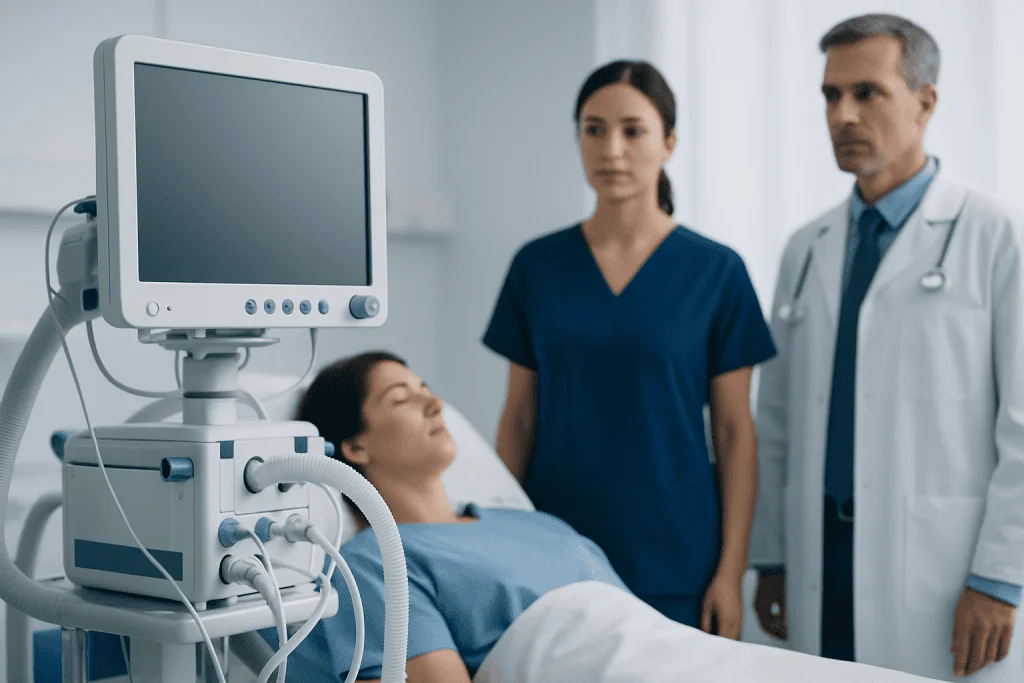
Symptoms of asbestos-related illness vary by the specific condition. Some people have no symptoms and only learn about changes after a chest X-ray or CT scan. Others develop slowly progressive breathing problems over time.
Common symptoms may include shortness of breath during activity, a persistent dry cough, chest discomfort, reduced exercise tolerance, and unusual tiredness. In more advanced disease, breathing may become difficult even with everyday tasks. Some people may also notice weight loss or ongoing chest pain, which needs prompt medical assessment.
Asbestos can affect different parts of the chest. The lungs themselves may develop scarring, as in asbestosis. The lining around the lungs, called the pleura, may show plaques or thickening, sometimes causing stiffness or discomfort. More rarely, cancers linked to asbestos may develop in the lung or pleura.
Possible asbestos-related conditions include:
- Asbestosis, a chronic scarring disease of the lungs
- Pleural plaques, which are areas of thickening on the lining of the lungs
- Diffuse pleural thickening, which can reduce lung expansion
- Pleural effusion, or fluid around the lungs
- Lung cancer
- Mesothelioma, a cancer of the pleura or other linings
Causes and risk factors

The cause of asbestos-related disease is inhalation of asbestos fibers. Historically, people at higher risk included construction workers, electricians, plumbers, shipyard workers, insulation workers, miners, mechanics working with older brake materials, and people involved in demolition or renovation of older buildings. Family members may also have been exposed indirectly through dust carried home on work clothes.
Risk rises with repeated or heavy exposure, especially without proper protective measures. The chance of disease also increases with time since exposure because many conditions take decades to appear. A one-time limited exposure is generally less concerning than regular occupational exposure, but any significant exposure history is worth discussing with a clinician.
Smoking does not cause asbestos-related scarring, but it greatly increases the risk of lung cancer in people exposed to asbestos. This is why smoking cessation is one of the most important protective steps for anyone with past exposure. Other lung conditions, such as chronic obstructive pulmonary disease or prior respiratory disease, can also make symptoms more noticeable.
Today, regulations in many countries limit asbestos use, but older homes, workplaces, and industrial materials may still contain it. People should avoid handling or removing suspected asbestos themselves. Safe assessment and removal require trained professionals who follow local health and environmental rules.
How doctors diagnose asbestos-related disease
Diagnosis starts with a detailed history. A doctor will ask about past jobs, military service, home renovation, secondhand exposure through family members, and any known contact with asbestos-containing materials. Because symptoms can appear decades later, exposures from early adulthood may still be relevant.
Tests often include a physical examination and chest imaging. A chest X-ray may show scarring or pleural changes, but a CT scan is usually more detailed and may detect subtle findings earlier. In some cases, CT imaging helps doctors better evaluate lung tissue and the pleura.
Breathing tests, also called pulmonary function tests, can measure how well the lungs expand and how effectively oxygen moves into the blood. These tests are useful for understanding how much lung function has been affected and for monitoring changes over time. Blood tests alone cannot confirm most asbestos-related conditions.
If imaging shows fluid around the lungs or a suspicious mass, further testing may be needed. This may include procedures to sample fluid or tissue, such as a biopsy, particularly when cancer is a concern. Diagnosis is often made by pulmonologists, radiologists, pathologists, and oncology specialists working together.
Treatment options and long-term management
There is no single treatment that removes asbestos fibers from the lungs, so care depends on the exact diagnosis. For noncancerous conditions such as asbestosis or pleural disease, treatment focuses on relieving symptoms, protecting remaining lung function, and monitoring for complications. Follow-up plans are individualized based on symptoms, imaging results, and breathing tests.
Supportive care may include inhaled medicines when airway disease is also present, pulmonary rehabilitation, vaccination against respiratory infections, and oxygen therapy for people with low oxygen levels. Some patients benefit from respiratory therapy to improve breathing efficiency and activity tolerance. Stopping smoking is essential because it lowers future lung cancer risk and helps overall lung health.
If cancer is diagnosed, treatment may involve surgery, chemotherapy, radiation therapy, immunotherapy, or a combination of these. The right approach depends on the type of cancer, its stage, overall health, and patient preferences. For patients with mesothelioma or lung cancer, care is usually planned by a multidisciplinary team.
Near the end of the care pathway, some people also need help with symptom relief, nutrition, or emotional support. Acibadem International’s multidisciplinary specialists and JCI-accredited hospitals diagnose and treat asbestos-related conditions for international patients, with care tailored to the specific lung or pleural disease involved.
Prevention and self-care after exposure
The best prevention is avoiding exposure in the first place. People who work in at-risk industries should follow workplace safety rules, use approved protective equipment, and avoid bringing dust home on clothing or tools. Suspected asbestos in older buildings should be assessed by qualified professionals rather than disturbed during cleaning, drilling, or renovation.
For someone who knows they were exposed in the past, self-care focuses on protecting lung health. Not smoking is especially important. It can also help to stay physically active within personal limits, keep vaccinations up to date, and attend follow-up visits if a doctor recommends monitoring.
People with ongoing cough or breathlessness may find it useful to pace activities, avoid exposure to smoke and air pollution when possible, and seek evaluation for other common causes of breathing symptoms. Not every cough in a person with asbestos exposure is due to asbestos, so a balanced medical review is important.
Keeping a written record of past jobs, dates of exposure, and any old medical imaging can be very helpful at future appointments. This information may make diagnosis faster and help specialists compare current findings with earlier changes.
When to seek medical care
Medical advice is appropriate for anyone with a history of significant asbestos exposure who develops persistent respiratory symptoms. A person should arrange an evaluation if they notice ongoing shortness of breath, a cough lasting several weeks, chest discomfort, unexplained fatigue, or reduced ability to exercise.
Prompt care is especially important if symptoms are worsening, if there is unexplained weight loss, or if imaging from another reason has shown lung scarring, fluid around the lungs, or a chest abnormality. People who have worked in high-risk jobs in the past may benefit from discussing whether screening or follow-up is appropriate, even if they currently feel well.
Urgent medical assessment is needed for severe breathlessness, chest pain, coughing up blood, or signs of low oxygen such as bluish lips or confusion. These symptoms can have many causes, not only asbestos-related disease, and should not be ignored.
Because diagnosis can be complex, patients often benefit from a specialist review. Depending on symptoms and test results, this may involve pulmonology, thoracic surgery, oncology, or imaging experts, sometimes including advanced tests such as PET-CT scanning when cancer assessment is needed.
Frequently asked questions
Is esbetos the same as asbestos?
In most patient searches, esbetos is a misspelling or informal version of asbestos. Doctors use the term asbestos and then specify whether there is exposure alone or an asbestos-related disease such as asbestosis or mesothelioma.
Can a person be exposed to asbestos and never get sick?
Yes. Exposure does not always lead to illness, and risk depends on the amount, duration, and type of exposure, as well as personal factors such as smoking. Even so, people with known significant exposure should mention it to their doctor.
How long does it take for asbestos-related disease to appear?
Many asbestos-related conditions develop slowly and may not appear until decades after exposure. This long latency is one reason doctors ask about jobs and environmental exposures from many years earlier.
What is the difference between asbestosis and mesothelioma?
Asbestosis is a noncancerous scarring disease of the lungs caused by inhaled asbestos fibers. Mesothelioma is a cancer that usually affects the lining around the lungs and is also linked to asbestos exposure.
What tests are used to check for asbestos-related disease?
Doctors commonly use a detailed exposure history, chest imaging, and pulmonary function tests. If there is fluid, a mass, or another suspicious finding, additional procedures such as tissue sampling may be needed.
Can asbestos-related lung damage be cured?
Scarring from asbestosis generally cannot be reversed. Treatment aims to control symptoms, preserve lung function, reduce complications, and treat any related condition as early as possible.
References
- World Health Organization
- National Institute for Occupational Safety and Health
- American Lung Association
- National Cancer Institute
- American Thoracic Society
This article is for general information only and is not a substitute for professional medical advice. Please consult a qualified doctor about your individual situation.
Explore treatments in Turkey — costs, top hospitals & a free quote
JCI-accredited · board-certified surgeons · reply within 24h

More from the Health Library


Related Specialists

Dr. Serdar Tekçe
Emergency Service
Dt. Selen Burçak Şimşek
Oral & Dental Health
Dt. Rabia Aybala Uslu
Oral & Dental Health
Asst. Prof. Dr. Neval Yurttutan Uyar
Clinical Laboratory