Liver Pain: Possible Causes and When to Seek Care

Liver pain is often felt in the upper right abdomen, but nearby organs can cause similar pain. Common causes include gallbladder disease, hepatitis, fatty liver disease, congestion, and less often liver abscess or tumors.
Key Takeaways
- Liver pain is often felt in the upper right abdomen, but nearby organs can cause similar pain.
- Common causes include gallbladder disease, hepatitis, fatty liver disease, congestion, and less often liver abscess or tumors.
- Warning signs such as jaundice, fever, vomiting, confusion, or severe worsening pain need prompt medical care.
- Diagnosis may involve a physical exam, blood tests, and imaging such as ultrasound or CT.
- Treatment depends on the cause and may include lifestyle changes, medicines, procedures, or specialist care.
Medically reviewed by the Acıbadem International Medical Board — July 24, 2026
Liver pain usually refers to discomfort felt in the upper right side of the abdomen, but the liver itself is not always the source. Possible causes range from muscle strain and gallbladder problems to hepatitis, fatty liver disease, and other conditions that need medical evaluation.
What liver pain can mean
Liver pain usually describes discomfort or a dull ache in the upper right part of the abdomen, just under the ribs. In some people, it may feel like fullness, pressure, tenderness, or pain that spreads to the right shoulder or back. However, pain in this area does not always come from the liver itself.
The liver is a large organ with relatively few pain fibers inside it. Pain is more likely when its outer covering is stretched, when there is inflammation, or when nearby structures are involved. Because the gallbladder, bile ducts, stomach, right kidney, intestine, muscles, and lower lung are all close to the liver, several different conditions can feel like “liver pain.”
This is why location alone cannot confirm the cause. Some liver conditions cause no pain at all, especially in early stages, while others may cause discomfort along with fatigue, nausea, jaundice, or swelling. A careful evaluation helps distinguish liver-related pain from other common causes of upper right abdominal pain.
What does liver pain feel like?
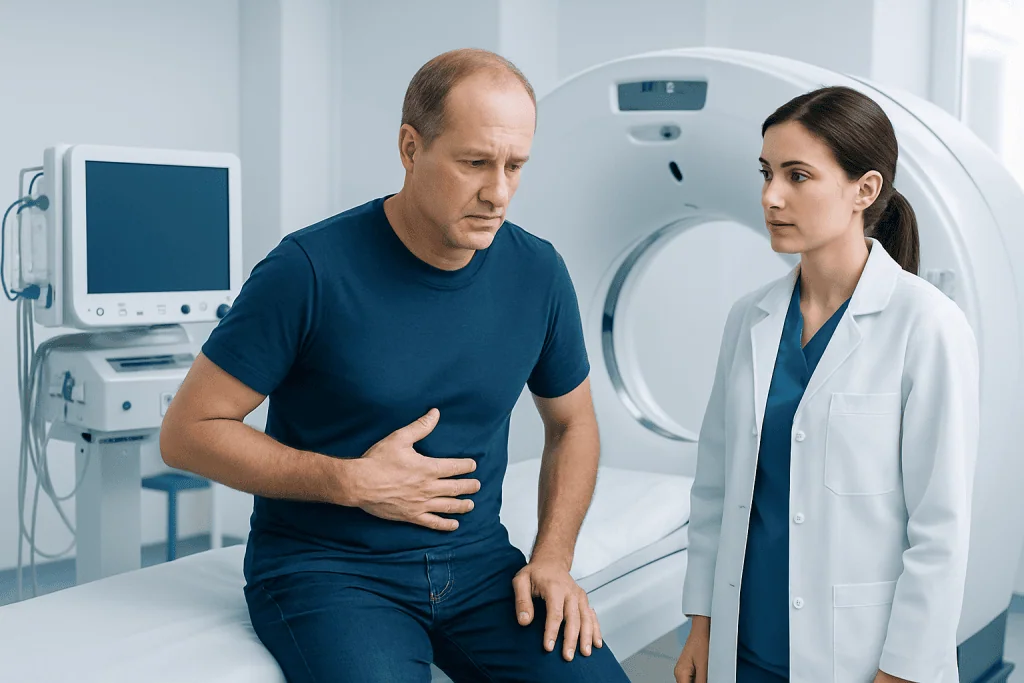
People describe liver pain in different ways. It may be a dull, persistent ache under the right ribs, a sense of heaviness after eating, or tenderness when pressing the area. Some conditions cause intermittent pain, while others lead to ongoing discomfort that gradually worsens.
Symptoms that can occur with liver-related pain include:
- Fatigue or weakness
- Nausea or poor appetite
- Bloating or abdominal swelling
- Yellowing of the skin or eyes
- Dark urine or pale stools
- Itching
- Fever or chills in some infections
The pattern of symptoms can offer clues. For example, sharp waves of pain after a fatty meal may suggest a gallbladder problem rather than a liver problem. By contrast, liver inflammation may cause a more constant ache together with tiredness, nausea, and abnormal liver blood tests.
It is also possible to have a liver condition without noticeable pain. Fatty liver disease and chronic viral hepatitis may progress quietly for years. For that reason, a person with repeated upper right abdominal discomfort or risk factors for liver disease should not rely on symptoms alone.
Possible causes of liver pain

There are many possible causes of liver pain, and some are more common than others. Liver-related causes include hepatitis, fatty liver disease, alcohol-related liver injury, congestion of the liver due to heart problems, liver cysts, abscesses, and less commonly benign or malignant tumors. Pain may occur if the liver becomes enlarged or inflamed.
Conditions near the liver are also frequent causes of pain in the same area. Gallstones, gallbladder inflammation, bile duct problems, stomach ulcers, muscle strain, kidney conditions, and even pneumonia affecting the lower right lung can all mimic liver pain. A doctor considers the full pattern of symptoms, medical history, and test results to narrow down the cause.
Important liver-related causes include:
- Hepatitis: inflammation caused by viruses, alcohol, medicines, autoimmune disease, or toxins
- Fatty liver disease: fat buildup in the liver, sometimes linked to obesity, diabetes, or metabolic syndrome
- Liver enlargement or congestion: sometimes related to heart failure or blood flow problems
- Liver abscess: a pocket of infection that can cause fever and significant pain
- Liver tumors: these may be benign or cancerous and do not always cause symptoms early
In some cases, persistent pain can be linked to advanced liver scarring, also called liver cirrhosis, although cirrhosis itself may not cause pain until complications develop. If symptoms are ongoing, doctors may use blood work and imaging to look for signs of inflammation, blockage, infection, or structural disease.
Risk factors and clues from daily life
A person’s health history can make certain causes more likely. Regular alcohol use, obesity, diabetes, high cholesterol, viral hepatitis exposure, and long-term use of some medications can all raise the risk of liver disease. Travel history, recent infections, herbal supplements, and workplace chemical exposure may also be relevant.
Eating patterns and timing can provide clues as well. Pain that appears after a heavy or fatty meal may suggest a gallbladder cause. Pain accompanied by swelling of the legs, shortness of breath, or abdominal fluid may point toward heart-related liver congestion or more advanced liver disease. Fever, chills, and severe tenderness raise concern for infection.
Doctors also ask about family history, especially if there is a history of liver disease, gallstones, iron overload, or autoimmune conditions. Skin changes, itching, unusual bruising, unintended weight loss, and changes in mental clarity can all help guide the evaluation.
Although risk factors are useful, they do not confirm the diagnosis. Some people with no known risk factors develop liver or gallbladder problems, while others with multiple risks never develop symptoms. That is why persistent or unexplained pain deserves medical attention rather than self-diagnosis.
How doctors diagnose the cause
Diagnosis begins with a medical history and physical examination. A doctor asks where the pain is located, when it started, what makes it better or worse, and whether symptoms such as jaundice, vomiting, fever, or weight loss are present. During the examination, the abdomen may be checked for tenderness, swelling, or enlargement of the liver.
Blood tests often help clarify whether the liver is involved. These may include liver enzymes, bilirubin, albumin, clotting tests, complete blood count, and tests for viral hepatitis or inflammation. If the symptoms suggest another source, kidney tests, pancreatic enzymes, or heart-related evaluation may also be needed.
Imaging is often important because it can show the liver, gallbladder, and surrounding organs. An abdominal ultrasound is commonly the first imaging test because it can detect gallstones, bile duct widening, liver enlargement, fatty changes, cysts, or masses. In some cases, doctors may recommend more detailed imaging such as MRI or CT scan to better assess the abdomen.
If a growth or suspicious lesion is found, further testing may be needed to determine whether it is benign or malignant. Some patients may also need endoscopy, specialized bile duct imaging, or referral to a hepatology or gastroenterology specialist. The goal is to identify the true source of the pain and guide the safest treatment.
Treatment options depend on the cause
There is no single treatment for liver pain because the right approach depends entirely on what is causing it. Mild discomfort from a temporary irritation may improve once the trigger is removed, while infection, gallbladder disease, bile duct blockage, or advanced liver disease may require urgent treatment. Self-treating persistent pain with over-the-counter medicines alone can delay proper diagnosis.
When liver inflammation is present, treatment may involve avoiding alcohol, reviewing medications and supplements, managing metabolic risk factors, and treating specific diseases such as viral hepatitis or autoimmune hepatitis. If pain is caused by fatty liver disease, care often focuses on gradual weight loss, exercise, blood sugar control, and cholesterol management.
Some causes need procedures or surgery. Gallbladder disease may require gallbladder surgery, while masses or severe liver disease may need specialist treatment planning. In selected cases of serious liver failure or end-stage liver disease, liver transplant evaluation may be considered.
For international patients with complex symptoms or established liver disease, Acibadem International’s multidisciplinary specialists and JCI-accredited hospitals provide diagnosis and treatment planning. A tailored approach is important because treatment differs widely between inflammation, obstruction, infection, and structural liver disease.
Self-care and ways to protect liver health
While self-care cannot replace medical evaluation for unexplained liver pain, healthy daily habits can support liver health and reduce the risk of some conditions. Avoiding excess alcohol, maintaining a healthy weight, and staying physically active are among the most important steps. People with diabetes, high blood pressure, or high cholesterol benefit from good long-term control of these conditions.
It is also wise to use medications responsibly. Some prescription drugs, pain relievers, and supplements can affect the liver, especially when combined with alcohol or taken in higher-than-recommended amounts. A person should consult a doctor before starting herbal products or combining multiple medicines.
Helpful prevention and self-care measures include:
- Following a balanced diet rich in vegetables, fruit, whole grains, and lean protein
- Limiting alcohol or avoiding it if liver disease is suspected
- Keeping vaccinations up to date when appropriate, including hepatitis vaccines if recommended
- Practicing safer sex and avoiding needle sharing to reduce hepatitis risk
- Attending regular checkups if there is known liver disease or abnormal liver tests
These measures support overall liver function, but they do not explain or treat significant pain on their own. Persistent, recurrent, or worsening discomfort should be reviewed by a qualified doctor, especially if there are other symptoms such as jaundice or fever.
When to seek medical care
Medical care is appropriate if liver pain lasts more than a few days, returns repeatedly, or interferes with eating, sleeping, or daily activities. It is also important to seek evaluation if there is nausea, poor appetite, bloating, or unexplained fatigue along with pain in the upper right abdomen. These symptoms do not always mean serious disease, but they do justify assessment.
Urgent medical attention is needed if the pain is severe, rapidly worsening, or accompanied by warning signs. These include jaundice, fever, repeated vomiting, fainting, confusion, chest pain, trouble breathing, black stools, or a swollen abdomen. Anyone with known liver disease who develops new confusion, bleeding, or increasing abdominal pain should seek prompt care.
Because pain near the liver can come from several organs, early assessment helps avoid missed diagnoses and delays in treatment. A doctor can decide whether symptoms are likely due to the liver, gallbladder, stomach, kidney, or another nearby structure, and recommend the most appropriate next steps.
Frequently asked questions
Where is liver pain usually felt?
Liver pain is usually felt in the upper right side of the abdomen, under the rib cage. Some people describe it as pressure, fullness, or a dull ache that may spread to the back or right shoulder.
Can liver pain come and go?
Yes, discomfort in the liver area can come and go, depending on the cause. Intermittent pain may be related to gallbladder disease, digestive issues, or milder inflammation, while ongoing pain deserves medical evaluation.
Does fatty liver cause pain?
Fatty liver disease can cause discomfort or a feeling of fullness in the upper right abdomen, but many people have no symptoms at all. It is often found through blood tests or imaging rather than pain alone.
How can someone tell if pain is from the liver or gallbladder?
It can be difficult to tell based on symptoms alone because both can cause pain in the upper right abdomen. Gallbladder pain is often sharper and may occur after fatty meals, while liver-related pain is more often a dull ache with symptoms such as fatigue, nausea, or jaundice.
Is liver pain an emergency?
Not always, but it can be if it is severe or comes with warning signs. Jaundice, fever, repeated vomiting, confusion, trouble breathing, fainting, or rapidly worsening pain all require urgent medical attention.
What tests are used for liver pain?
Doctors often use a combination of physical examination, blood tests, and imaging such as ultrasound. Depending on the findings, CT, MRI, or other specialized tests may be recommended.
References
- National Institute of Diabetes and Digestive and Kidney Diseases
- American College of Gastroenterology
- Centers for Disease Control and Prevention
- National Health Service
- World Health Organization
This article is for general information only and is not a substitute for professional medical advice. Please consult a qualified doctor about your individual situation.
Explore treatments in Turkey — costs, top hospitals & a free quote
JCI-accredited · board-certified surgeons · reply within 24h

More from the Health Library



Related Specialists

Dr. Gonca Saraç
Dermatology
Dr. Nazmî Uğur Ünlü
Neurosurgery
Fzt. Semih Kızıltan
Physical Medicine and Rehabilitation
Dyt. Petek Ari Turaci
Nutrition & Diet