Orthotics — Explained by Medical Evidence, Not Myths
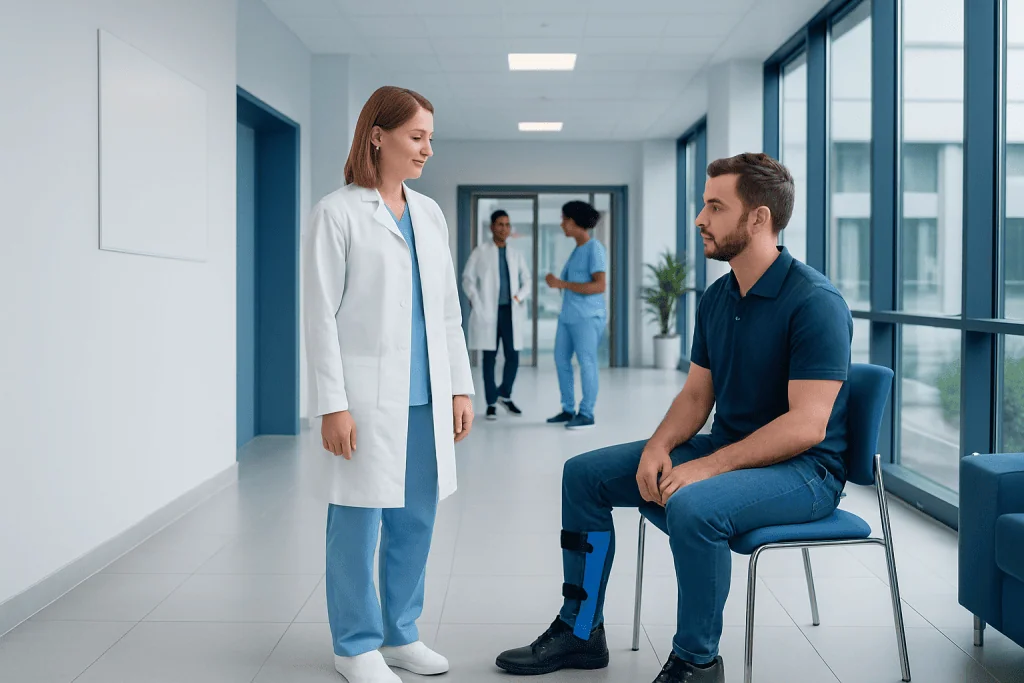
Orthotics include shoe inserts, insoles, braces, and splints designed to support function and comfort. They may help with selected foot, ankle, knee, hip, and lower back symptoms by redistributing pressure and improving biomechanics.
Key Takeaways
- Orthotics include shoe inserts, insoles, braces, and splints designed to support function and comfort.
- They may help with selected foot, ankle, knee, hip, and lower back symptoms by redistributing pressure and improving biomechanics.
- Custom orthotics are not automatically better than over-the-counter options for every problem.
- A proper assessment matters because pain can come from many causes, including injury, arthritis, nerve problems, or circulation issues.
- Orthotics often work best alongside footwear changes, exercise, weight management, and treatment of the underlying condition.
Orthotics are medical devices placed in shoes or worn on the body to support movement, improve alignment, and reduce pain or pressure. They are not a cure-all, but for the right person and the right condition, they can be an evidence-based part of treatment.
Overview: what orthotics are and what they can realistically do
Orthotics are devices used to support, protect, or improve the way part of the body moves. In everyday use, the word most often refers to shoe inserts placed inside footwear, but orthotics can also include ankle braces, wrist splints, knee supports, and other devices designed to improve alignment or reduce strain. Their role is practical: to change pressure distribution, stabilize a joint, limit harmful motion, or make walking and standing more comfortable.
Medical evidence does not support the idea that orthotics are a universal fix for every ache or posture concern. Instead, they are best understood as one tool among many. Some people notice meaningful pain relief and better function, especially when symptoms are related to pressure points, overuse, altered foot mechanics, or certain structural problems. Others may need different treatment or a combination approach.
Orthotics are usually divided into three broad groups: soft devices that cushion and offload pressure, semi-rigid devices that guide motion while allowing flexibility, and rigid devices that control movement more firmly. The most suitable design depends on the person’s symptoms, diagnosis, activity level, footwear, and treatment goals.
A careful, evidence-based approach starts with the problem rather than the product. Instead of asking whether orthotics are “good” or “bad,” it is more helpful to ask whether a specific device is likely to help a specific condition in a specific person.
How orthotics work in the body
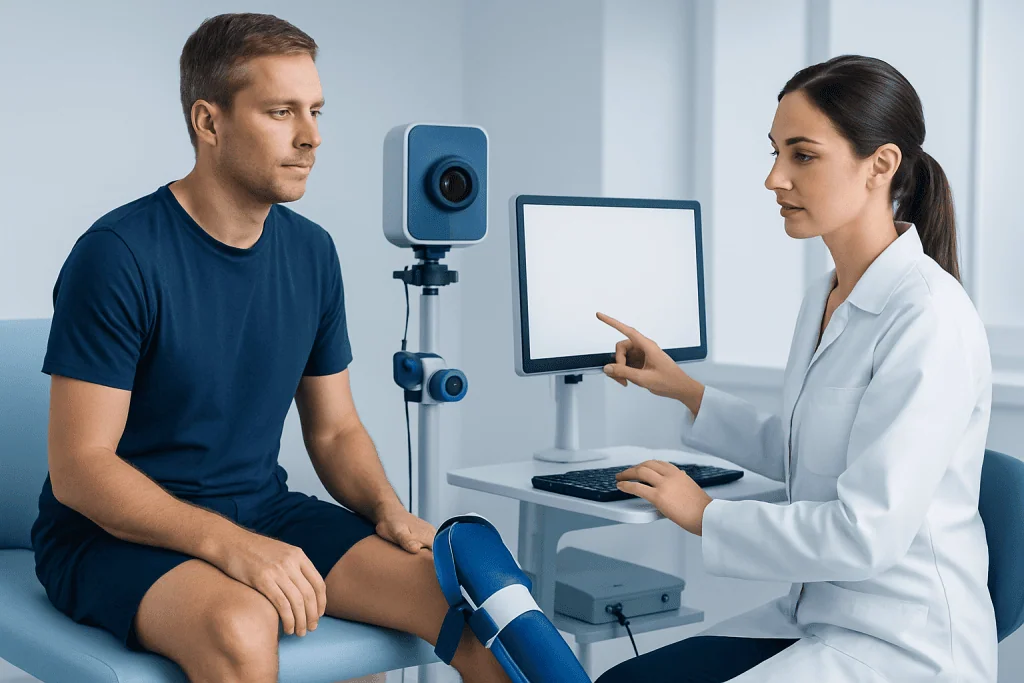
The foot absorbs force with every step. If pressure is concentrated in one area, or if joints and soft tissues are overloaded, pain can develop in the heel, arch, forefoot, ankle, or even farther up the leg. Orthotics can change how forces travel through the foot and lower limb. For example, they may spread weight more evenly, support the arch, cushion impact, or limit motion that aggravates symptoms.
This can sometimes affect more than the foot alone. The feet are part of a chain that includes the ankles, knees, hips, pelvis, and lower back. In some people, improving foot mechanics helps reduce stress higher up the chain. That said, pain in these areas has many causes, and orthotics are only one part of assessment and management.
Evidence is strongest when orthotics are used for a clear clinical reason, such as pressure relief in diabetes-related foot risk, support after injury, or symptom relief in conditions like plantar fasciitis or some cases of flat feet. In other situations, benefit may be modest and depend on fit, comfort, and whether the device is combined with exercise or footwear changes.
Comfort matters. Even when a device is designed from detailed measurements, the body still needs to adapt. A well-chosen orthotic should feel supportive rather than harsh, and it should make walking easier over time, not progressively more painful.
Types of orthotics and who may benefit
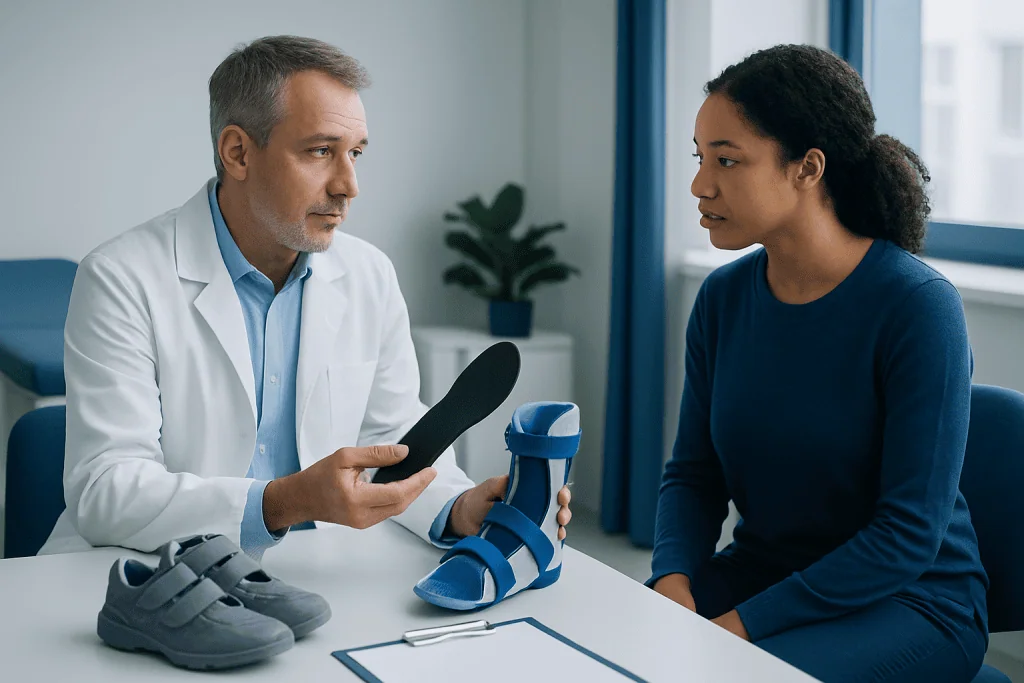
Foot orthotics can be broadly grouped into over-the-counter and custom-made options. Over-the-counter inserts are pre-made and may provide cushioning, heel support, or arch support for mild symptoms. Custom orthotics are prescribed and manufactured for an individual foot shape and clinical need. They may be considered when symptoms are persistent, the foot shape is unusual, or simpler devices have not helped enough.
Orthotics may be recommended for several problems, including heel pain, arch strain, tendon overuse, pressure calluses, some sports injuries, arthritis-related discomfort, and walking instability. They are also commonly used after injury and as part of rehabilitation. In selected cases of deformity, specialists may discuss surgery as well as supportive devices, such as foot surgery, depending on the underlying cause and severity.
Common examples include:
- Heel cups or cushioned insoles for impact-related heel discomfort
- Arch-supporting inserts for selected cases of overuse or flexible flat feet
- Metatarsal pads to reduce pressure under the forefoot
- Diabetic orthotics or therapeutic footwear to reduce ulcer risk in high-risk feet
- Ankle-foot orthoses to improve stability or assist walking in weakness or nerve-related conditions
- Night splints or braces used for selected tendon or fascia problems
Not everyone who has foot pain needs an orthotic. Some people improve more with shoe changes, strength work, stretching, activity modification, or treatment of an inflammatory, nerve, or circulation problem. The most appropriate option depends on the diagnosis rather than the marketing label on the device.
Symptoms and conditions where orthotics may be considered
Orthotics are often considered when a person has recurring pain with walking, standing, exercise, or work activities. Typical symptoms include heel pain with the first steps in the morning, aching under the ball of the foot, arch fatigue, pain along a tendon, pressure sores, or a sense that one side of the shoe wears out quickly. In some people, symptoms extend to the ankle, shin, knee, hip, or lower back.
Conditions that may prompt evaluation include flatfoot, plantar heel pain, Achilles tendon problems, metatarsalgia, bunion-related pressure, mild instability, and some forms of arthritis. People with diabetes, nerve damage, or reduced sensation may need orthotics for pressure protection rather than pain relief, because tissue injury can develop even when pain is limited.
Children may also be assessed, especially if there is pain, fatigue, tripping, or a rigid foot shape. However, many children have flexible flat feet that are painless and do not need treatment. For adults, new foot pain should not automatically be blamed on “bad arches,” because fractures, inflammatory disease, nerve entrapment, and vascular conditions can cause similar symptoms.
In some cases, orthotics are used temporarily. After a sprain, tendon irritation, or a change in activity level, a device may help during recovery and then become less necessary as strength and movement improve. In others, longer-term use is appropriate because the goal is ongoing support and pressure management.
Assessment and diagnosis before choosing orthotics
A useful orthotic starts with a proper evaluation. A clinician will usually ask where the pain is, when it occurs, what shoes are worn, what activities trigger symptoms, and whether there is swelling, numbness, stiffness, or previous injury. Medical history is important because diabetes, inflammatory arthritis, nerve disorders, and circulation problems can change both diagnosis and treatment.
The physical examination may include looking at the foot shape, skin condition, calluses, ankle movement, tendon tenderness, leg alignment, muscle strength, balance, and walking pattern. Sometimes the key issue is not the foot alone but calf tightness, weakness of the foot and hip muscles, or a mismatch between footwear and activity.
Imaging is not always required, but it may be used when the diagnosis is uncertain or when there are warning signs such as major swelling, deformity, trauma, or persistent symptoms. Depending on the situation, this may involve X-rays, ultrasound, or MRI to evaluate soft tissues and bone stress injuries.
If symptoms are severe, long-lasting, or linked with complex structural problems, care may involve orthopedics, physical medicine, podiatry, endocrinology, neurology, or rehabilitation. When surgery is being considered for a joint or tendon problem, specialists may compare the likely benefit of supportive devices with procedures such as orthopedic surgery.
Treatment options: orthotics, footwear, exercise, and other care
Orthotics are usually most effective when paired with the right shoes. A supportive shoe with enough width, depth, and a stable sole often matters as much as the insert itself. If the shoe bends excessively, fits poorly, or compresses the toes, even a well-designed orthotic may not work as intended. People are often advised to bring their usual footwear to appointments so the device can be matched to the shoe.
Exercise and rehabilitation are also important. Strengthening the foot and ankle, improving calf flexibility, training balance, and adjusting activity load can reduce the stress that caused symptoms in the first place. For painful overuse conditions, short-term rest or reduced impact may be needed while tissues settle.
Depending on the diagnosis, additional treatment may include ice or heat, temporary taping, anti-inflammatory strategies guided by a clinician, weight management, treatment for diabetes or arthritis, or targeted physical therapy and rehabilitation. Some conditions improve with a simple cushioned insert, while others need a more structured device or a brace.
Results vary. Some people feel better within days, while others need a gradual break-in period and follow-up adjustments. If an orthotic causes new pain, numbness, rubbing, or worsening gait, it should be reviewed rather than used indefinitely.
Self-care, prevention, and what to expect day to day
Daily habits can make orthotics more effective. Wearing them consistently in appropriate shoes, increasing use gradually, and replacing worn footwear can all help. Shoes used for work, walking, or sport should fit the foot shape and activity demands. Very old shoes or styles with minimal support may reduce the benefit of any insert.
General foot care also matters. Skin should be checked for redness, blisters, and pressure areas, especially in people with diabetes or reduced sensation. Orthotics should be kept clean and dry, and they may need replacement over time as materials compress or the body’s needs change.
Simple prevention strategies include maintaining a healthy body weight, warming up before exercise, increasing training intensity gradually, and addressing new aches early. Strength work for the feet, calves, and hips can improve movement patterns and may reduce overload during daily activity and sport.
Orthotics do not usually weaken the feet when prescribed appropriately, but they should not replace all active care. The best long-term plan often combines symptom relief from the device with exercises and lifestyle measures that support healthy movement.
When to seek medical care
Medical advice is recommended if foot or ankle pain lasts more than a few weeks, keeps returning, or interferes with walking, work, exercise, or sleep. A clinician should also assess pain that follows an injury, sudden changes in foot shape, or symptoms that have not improved with rest, footwear changes, and simple support.
Prompt evaluation is especially important when there is marked swelling, redness, warmth, fever, numbness, weakness, wounds, skin color change, or pain that is severe or worsening. People with diabetes, poor circulation, immune system problems, or loss of sensation should seek care early because pressure injuries may progress quietly.
Children should be reviewed if there is persistent pain, limping, frequent falls, a rigid foot posture, or difficulty keeping up with normal activities. Adults should also seek assessment if one-sided swelling or calf pain is present, because not all lower-limb pain is mechanical.
At centers such as Acibadem International, multidisciplinary specialists in orthopedics, rehabilitation, imaging, and related fields work together in JCI-accredited hospitals to diagnose and treat patients who may need orthotics as part of a broader care plan.
Frequently asked questions
What are orthotics used for?
Orthotics are used to support body alignment, reduce pressure, improve comfort, and sometimes limit painful motion. They are commonly used for foot and ankle problems, but some braces and supports also help other joints. Their benefit depends on matching the device to the condition.
Are custom orthotics better than store-bought inserts?
Not always. Over-the-counter inserts can work well for mild symptoms or straightforward cushioning needs, while custom orthotics may help when symptoms are persistent, the foot shape is unusual, or pressure control is medically important. The best choice depends on diagnosis, fit, and treatment goals.
Can orthotics help plantar fasciitis?
They can help some people with plantar heel pain by supporting the foot and reducing strain on the plantar fascia. They are often used together with stretching, shoe changes, and activity modification. Improvement may take time, and not every case responds the same way.
Do orthotics cure flat feet?
Orthotics do not usually change the basic structure of adult flat feet, but they may improve comfort and function. In children, many flexible flat feet are normal and painless and do not need treatment. Care is based on symptoms, rigidity, and the underlying cause.
How long does it take to get used to orthotics?
Many people need a short adjustment period, especially with firmer devices. Gradual wear is often advised so the feet and legs can adapt. If pain, numbness, rubbing, or worsening symptoms occur, the device should be reviewed by a clinician.
Can orthotics cause problems?
They can if they fit poorly, are too rigid for the situation, or are used in unsuitable shoes. Common issues include rubbing, pressure points, discomfort, or altered walking mechanics. People with diabetes or reduced sensation should be especially careful and inspect their feet regularly.
References
- American Academy of Orthopaedic Surgeons
- American Podiatric Medical Association
- National Institute for Health and Care Excellence
- National Institute of Arthritis and Musculoskeletal and Skin Diseases
- Centers for Disease Control and Prevention
This article is for general information only and is not a substitute for professional medical advice. Please consult a qualified doctor about your individual situation.
Explore treatments in Turkey — costs, top hospitals & a free quote
JCI-accredited · board-certified surgeons · reply within 24h
Add us as a Preferred Source to see more of our trusted health content across Google Search, AI Overviews and Discover.

More from the Health Library

Shock — Explained by Medical Evidence, Not Myths

Elisa Yao: Assessing Unverified Health Claims

Intrusive Thoughts: An Evidence-Based Guide for Patients

Half Life — Explained by Medical Evidence, Not Myths

Dental Bonding: An Evidence-Based Guide for Patients