Dental Bonding: An Evidence-Based Guide for Patients

Dental bonding uses a tooth-colored composite resin to improve the look and function of a tooth. It is often suitable for small chips, cracks, gaps, uneven edges, and some areas of discoloration.
Key Takeaways
- Dental bonding uses a tooth-colored composite resin to improve the look and function of a tooth.
- It is often suitable for small chips, cracks, gaps, uneven edges, and some areas of discoloration.
- Bonding is usually less invasive than veneers or crowns because little or no enamel may need to be removed.
- The material can stain or wear over time, so good oral hygiene and regular dental follow-up are important.
- A dentist will assess whether bonding is appropriate or whether another restoration is more durable for the situation.
Dental bonding is a conservative dental treatment that uses a tooth-colored resin to repair minor damage, improve shape, and enhance the appearance of teeth. It is commonly used for chipped, worn, discolored, or slightly gapped teeth and is usually completed in a single visit.
Overview: what dental bonding is and who it may help
Dental bonding is a procedure in which a dentist applies a tooth-colored composite resin to a tooth, shapes it, and hardens it with a special curing light. The goal is to restore a more natural appearance and, in some cases, improve function. It is most often used for minor cosmetic concerns or small structural problems rather than extensive tooth damage.
Patients commonly ask whether dental bonding is a permanent fix. In most cases, dental bonding is durable but not lifelong. It can be an effective, evidence-based option for carefully selected problems such as a chipped edge, a small gap between teeth, slight irregularities in shape, or limited discoloration that does not respond well to whitening.
Because bonding usually requires minimal tooth preparation, it is considered a conservative treatment. That means more of the natural tooth can often be preserved compared with some other cosmetic or restorative options. A dentist evaluates the tooth, the bite, oral hygiene, and long-term goals before recommending bonding.
How dental bonding works
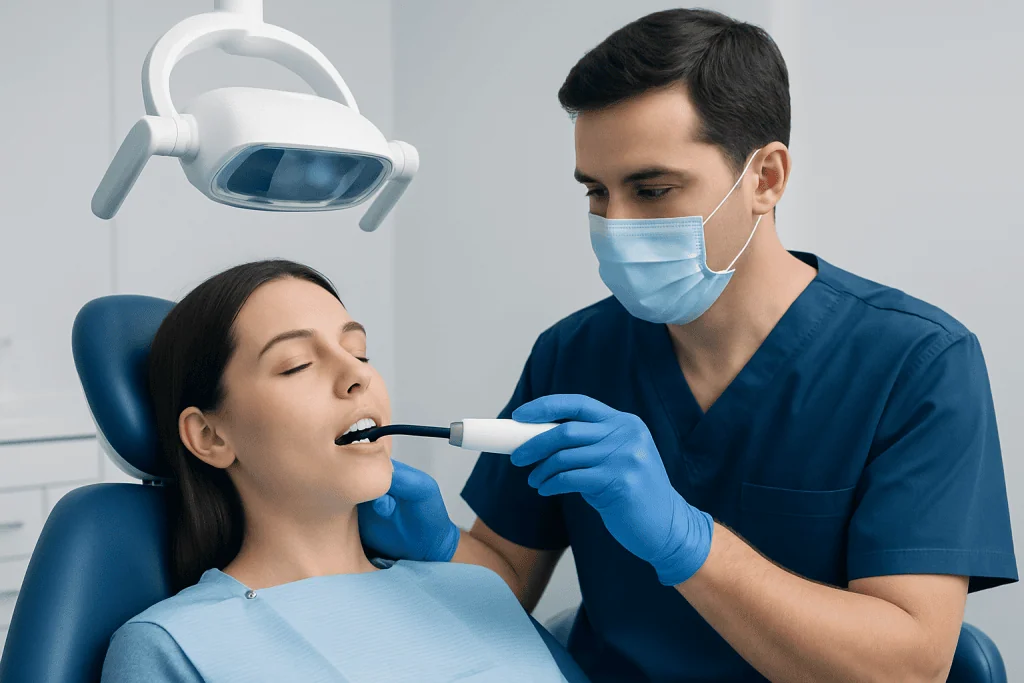
The bonding material is a composite resin, similar to the material used in many tooth-colored fillings. The dentist first selects a shade designed to match the natural teeth as closely as possible. The surface of the tooth is then gently prepared so the material can adhere properly.
Next, the resin is placed on the tooth in layers, molded into the desired shape, and hardened with a curing light. After this, the dentist trims, smooths, and polishes the material so that it blends with the surrounding tooth structure. In many cases, the full process is completed in one appointment.
Although the treatment may appear simple, the result depends on careful case selection, precise shaping, and good maintenance afterward. Bonding can improve appearance significantly, but it does not behave exactly like natural enamel. It may be more prone to staining, chipping, or wear than other materials in some situations.
Common reasons dentists recommend dental bonding

Dental bonding may be recommended when a patient has a tooth that is chipped, mildly cracked, worn at the edge, irregularly shaped, or slightly spaced from neighboring teeth. It can also be used to cover small areas of discoloration or to make a tooth appear longer or more symmetrical. In some cases, it can protect a root surface exposed by gum recession.
This treatment is generally best for limited changes. For example, a small front-tooth chip after minor trauma may be repaired effectively with bonding. A person with one tooth that is slightly shorter or misshapen may also benefit. If a cavity is present, a tooth-colored filling may be appropriate, and in some cases a dentist will discuss broader restorative care such as tooth-colored fillings if decay is also involved.
Bonding is not always the right answer. Larger fractures, heavy bite forces, significant tooth grinding, widespread discoloration, or major alignment issues may require other approaches. Depending on the cause of the problem, the dentist may also evaluate related concerns such as tooth decay or deeper damage affecting the tooth.
Benefits, limitations, and how it compares with other options
One of the main benefits of dental bonding is that it is conservative. Often, little or no enamel removal is needed, and anesthesia may not be necessary unless the bonding is being used to treat decay. Treatment can usually be completed quickly, and it may provide an immediate improvement in appearance for suitable cases.
However, bonding has limitations. Composite resin is generally less resistant to staining and wear than porcelain. It can chip, especially on biting edges of front teeth or in patients who bite hard objects, clench, or grind. Over time, the bonded area may need polishing, repair, or replacement.
A dentist may compare bonding with veneers, crowns, orthodontic treatment, or whitening depending on the concern. Veneers may be considered when a more durable cosmetic surface is needed. Crowns are often reserved for teeth with greater structural loss and may be discussed within broader dental crown treatment. If the issue is tooth position rather than tooth shape, alignment-focused care such as orthodontic treatment may be more appropriate than adding material to the tooth.
- Best suited to small cosmetic or structural corrections
- Usually completed in one visit
- Preserves more natural tooth structure than some alternatives
- May stain or chip over time
- Needs regular follow-up and good oral care
What to expect before, during, and after the procedure
Before treatment, the dentist examines the teeth and gums and may take X-rays if needed. This helps confirm that bonding is appropriate and that there are no underlying problems such as hidden decay, infection, or a bite issue that could reduce the lifespan of the restoration. The treatment plan is based on the patient’s goals, oral health, and the amount of correction needed.
During the appointment, the tooth is prepared, the resin is applied and shaped, and then it is hardened and polished. The patient can usually return to normal daily activities soon afterward. Some people notice the bonded area for a short time, but it should feel smooth and natural once adjusted properly.
After the procedure, the dentist may advise avoiding strongly staining foods or drinks for the first day or two and not biting directly on hard items such as ice, pens, or nutshells. Good oral hygiene remains essential. Patients should brush with fluoride toothpaste, clean between the teeth daily, and attend routine checkups so the bonded area can be monitored.
Possible risks, longevity, and self-care
Dental bonding is widely used and generally safe when performed by a qualified dental professional, but no restoration is free of risk. The most common concerns are staining, edge wear, chipping, and gradual loss of shine. In some cases, the bonded material may not perfectly match the tooth over time if the surrounding enamel changes color.
How long bonding lasts depends on the size and location of the repair, oral hygiene, diet, bite forces, and habits such as nail biting or teeth grinding. Small repairs on low-stress areas may last for years, while areas exposed to repeated pressure may need maintenance sooner. A dentist may suggest a night guard if grinding is likely to damage the restoration.
Self-care can help prolong the result. Patients are usually advised to limit tobacco exposure, reduce frequent consumption of staining drinks, and avoid using the teeth as tools. If a bonded tooth feels rough, catches on floss, changes color, or chips, it should be checked rather than ignored. In some cases, symptoms such as pain or sensitivity may point to another issue, including gum disease or damage within the tooth itself.
When dental bonding may not be suitable
Bonding may not be the best choice if the tooth has extensive decay, a large fracture, severe discoloration, or insufficient healthy tooth structure. It may also be less suitable for patients with significant grinding or a bite pattern that places repeated stress on the area. In these situations, a stronger or more comprehensive restoration may offer a better long-term outcome.
Teeth that are painful, loose, infected, or affected by active gum problems usually need diagnosis and treatment before cosmetic improvement is considered. If the underlying cause is not addressed, the bonded restoration may fail early or the tooth may continue to deteriorate. A full dental evaluation helps identify whether the concern is mainly cosmetic, structural, or related to oral disease.
For some patients, a broader treatment plan is more helpful than bonding alone. This may include periodontal care, cavity treatment, bite management, whitening, or replacement of old restorations. Choosing the right option is less about a single procedure and more about protecting the tooth and overall oral health.
When to seek medical care
Patients should seek dental or medical assessment promptly if a chipped or broken tooth is accompanied by significant pain, bleeding, swelling, fever, pus, trouble chewing, or sensitivity that does not settle. These symptoms can suggest deeper injury, infection, or pulp involvement and should not be managed as a cosmetic issue alone.
It is also wise to seek care if a bonded tooth suddenly changes shape, feels loose, develops a sharp edge, or if the surrounding gum becomes red or swollen. A dentist can check whether the problem is limited to the restoration or whether another condition is present. Timely review can often prevent a small issue from becoming a larger one.
For patients seeking evaluation or treatment abroad, Acibadem International’s multidisciplinary specialists and JCI-accredited hospitals diagnose and treat dental conditions for international patients, with care plans based on the tooth’s structure, function, and appearance.
Frequently asked questions
Is dental bonding painful?
Dental bonding is usually not painful. Many cases require little or no drilling, so anesthesia may not be needed unless the procedure is also treating decay or the tooth is sensitive. Patients may notice mild sensitivity for a short time afterward, but this is often temporary.
How long does dental bonding last?
Dental bonding can last for several years, but the exact lifespan varies. Durability depends on the size and position of the bonded area, the patient’s bite, oral hygiene, and habits such as grinding or biting hard objects. Regular dental checkups help identify wear early.
Can dental bonding stain?
Yes, composite resin can stain over time, especially with frequent exposure to coffee, tea, red wine, tobacco, and similar substances. Good oral hygiene and routine professional cleaning can help reduce discoloration. If staining becomes noticeable, a dentist may be able to polish, repair, or replace the bonded area.
Is dental bonding better than veneers?
Neither option is universally better; they serve different needs. Bonding is more conservative and often suitable for smaller corrections, while veneers may offer greater stain resistance and durability for selected cosmetic cases. A dentist recommends the best option based on tooth structure, bite, and the patient’s goals.
Can dental bonding fix a gap between teeth?
Yes, dental bonding can sometimes close small gaps between teeth by adding composite resin to one or both teeth. This approach is usually best for limited spacing and when the bite is otherwise stable. Larger gaps or alignment problems may be better treated with orthodontic care.
What should patients avoid after dental bonding?
Patients are usually advised to avoid biting hard objects such as ice, pens, or hard candies, especially with front teeth. It is also sensible to limit habits that increase wear, such as nail biting or teeth grinding. If the dentist gives specific aftercare instructions, those should be followed closely.
This article is for general information only and is not a substitute for professional medical advice. Please consult a qualified doctor about your individual situation.
Explore treatments in Turkey — costs, top hospitals & a free quote
JCI-accredited · board-certified surgeons · reply within 24h
Add us as a Preferred Source to see more of our trusted health content across Google Search, AI Overviews and Discover.

More from the Health Library

Nose Hair: An Evidence-Based Guide for Patients

How Often Should You Get a General Health Screening?

Tube Thoracostomy: A Complete Medical Overview

Sore Tummy and Back: A Complete Medical Overview

Tonsil Cyst: A Complete Medical Overview