Chest Pain That Comes and Goes Explained: Common Triggers and Red Flags

Chest pain that comes and goes may come from the heart, lungs, digestive system, chest wall, or stress-related conditions. Pain triggered by exertion, pressure-like discomfort, or symptoms such as shortness of breath, sweating, or nausea need urgent attention.
Key Takeaways
- Chest pain that comes and goes may come from the heart, lungs, digestive system, chest wall, or stress-related conditions.
- Pain triggered by exertion, pressure-like discomfort, or symptoms such as shortness of breath, sweating, or nausea need urgent attention.
- Brief, sharp, or position-related pain is often non-cardiac, but only a clinician can confirm the cause safely.
- Diagnosis may include a physical exam, ECG, blood tests, imaging, or other targeted tests based on the symptom pattern.
- Any chest pain that is severe, worsening, or associated with fainting or trouble breathing should be treated as a medical emergency.
Medically reviewed by the Acıbadem International Medical Board — July 25, 2026
Chest pain that comes and goes is not always caused by a heart problem, but it should never be ignored when it is new, recurrent, or accompanied by other symptoms. The pattern, triggers, and associated signs can help doctors determine whether the cause is related to the heart, lungs, digestion, muscles, or anxiety.
Overview: What chest pain that comes and goes can mean
Chest pain that comes and goes can happen for many reasons. In some people it is related to indigestion, muscle strain, inflammation, or stress. In others, it may be a warning sign of reduced blood flow to the heart, a lung problem, or another condition that needs prompt medical attention.
The symptom may feel like pressure, tightness, burning, stabbing, aching, or soreness. It may last seconds or minutes, appear during activity, after meals, with deep breathing, or during emotional stress. This pattern matters because the timing, location, and trigger often offer clues about the source.
Intermittent chest discomfort is sometimes less dramatic than sudden intense pain, but it should not be dismissed just because it goes away. Recurring episodes can still point to an underlying medical problem. A careful evaluation helps determine whether the cause is urgent or manageable with routine treatment and lifestyle changes.
How the symptom can feel
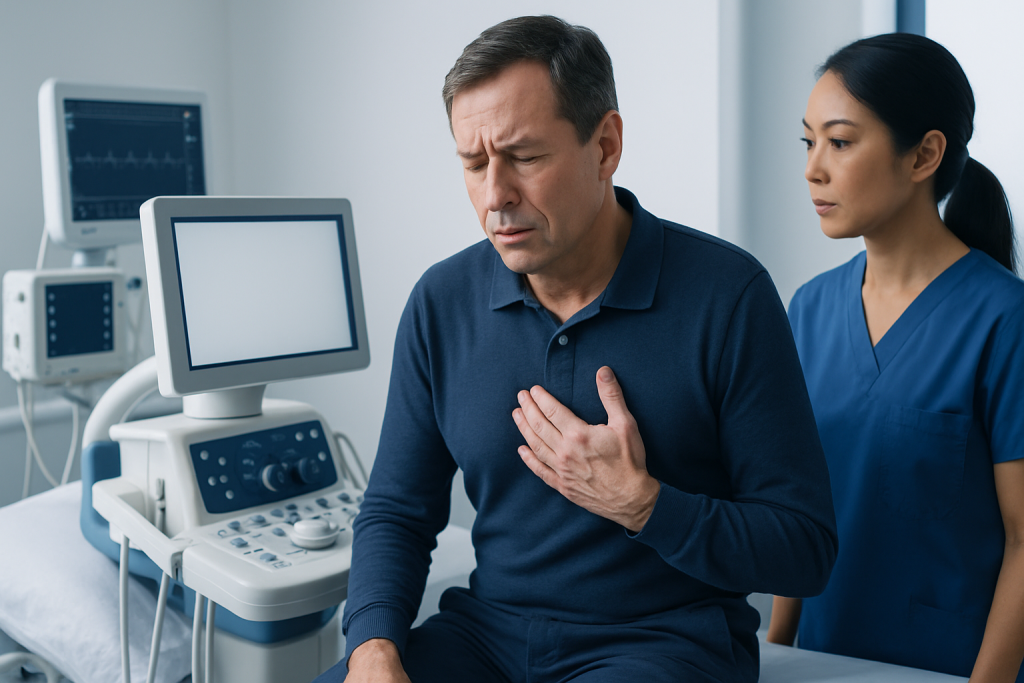
People describe chest pain in different ways. Some feel a squeezing or heaviness in the center of the chest. Others notice a sharp pain under one rib, a burning sensation behind the breastbone, or discomfort that spreads to the arm, jaw, shoulder, back, or upper abdomen.
The character of the pain does not by itself confirm the cause, but it can guide assessment. For example, pressure or tightness brought on by walking or climbing stairs may raise concern for a heart-related cause. Pain that worsens when pressing on the chest, twisting the body, or taking a deep breath is often more consistent with a musculoskeletal or pleural cause.
Associated symptoms are especially important. Doctors usually ask whether the pain comes with shortness of breath, palpitations, dizziness, sweating, nausea, cough, heartburn, fever, or anxiety. A clear description of what was happening before the pain started can make diagnosis faster and more accurate.
Common triggers and likely causes

One useful way to understand chest pain that comes and goes is to look at what seems to trigger it. Exertion-related discomfort may occur when the heart muscle is not getting enough oxygen-rich blood. Episodes after heavy meals or when lying down may point more toward acid reflux or esophageal spasm. Pain after lifting, exercise, coughing, or awkward movement may come from chest wall muscles or the joints between the ribs and breastbone.
Several systems in the body can cause chest symptoms:
- Heart and blood vessels: angina, coronary artery disease, irregular heart rhythms, inflammation around the heart, or less commonly a heart attack.
- Lungs and chest lining: asthma, pneumonia, pleurisy, pulmonary embolism, or a collapsed lung.
- Digestive system: gastroesophageal reflux, esophageal spasm, gastritis, or gallbladder problems.
- Muscles and bones: muscle strain, costochondritis, rib injury, or poor posture.
- Stress and mental health: panic attacks and anxiety can cause chest tightness, fast breathing, and a racing heartbeat.
At times, more than one factor may be present. For example, stress can worsen both reflux and muscle tension, while an infection can cause coughing that strains the chest wall. When chest discomfort is recurrent or difficult to explain, doctors may also consider evaluation for coronary artery disease or other underlying conditions.
Red flags that need urgent attention
Some patterns of intermittent chest pain deserve urgent medical care even if the pain improves. A heart-related problem can come in waves, so a symptom that comes and goes is not automatically harmless. Pain may begin mildly and later become more sustained or more frequent.
Warning signs include chest pressure, squeezing, or heaviness that lasts more than a few minutes, returns repeatedly, or is triggered by physical activity. Risk is higher when the pain is accompanied by shortness of breath, fainting, sweating, nausea, a fast or irregular heartbeat, or pain spreading to the arm, neck, jaw, or back.
Emergency evaluation is also important if chest pain occurs with sudden difficulty breathing, coughing up blood, severe weakness, new confusion, bluish lips, or after a major injury. People with known heart disease, diabetes, high blood pressure, high cholesterol, or a strong family history should be especially cautious. If a person suspects a heart attack or another emergency, they should seek immediate medical help rather than wait for the pain to pass.
How doctors find the cause
Diagnosis starts with a detailed history and physical examination. Clinicians ask when the pain began, how long it lasts, what it feels like, where it spreads, what triggers it, and what relieves it. They also review medical history, medications, smoking status, and risk factors for heart, lung, and digestive diseases.
Depending on the situation, tests may include an electrocardiogram (ECG), blood tests for heart injury, chest X-ray, pulse oximetry, or echocardiography. If coronary disease is a concern, a doctor may recommend a stress test, coronary CT, or other imaging. In selected cases, more specialized evaluation such as cardiac catheterization may be used to assess blood flow in the heart.
When symptoms suggest a digestive cause, doctors may consider reflux assessment or referral for upper gastrointestinal endoscopy. If a lung problem is suspected, breathing tests or chest imaging may be needed. The goal is not only to identify the source of pain, but also to rule out conditions that should not be missed.
Treatment depends on the underlying reason
There is no single treatment for chest pain that comes and goes because treatment depends entirely on the cause. Heart-related pain may require medications, risk-factor control, procedures to improve blood flow, or hospital care if a heart attack is suspected. In some cases, treatment planning may involve advanced options such as coronary angiography to look for blocked coronary arteries.
When reflux is responsible, treatment often includes dietary changes, avoiding late meals, and medicines that reduce stomach acid. Musculoskeletal pain may improve with rest, posture correction, gentle stretching, and short-term pain relief as advised by a clinician. Respiratory causes are managed according to the condition, such as inhalers for asthma or antibiotics when a bacterial infection is diagnosed.
If anxiety or panic contributes to chest symptoms, reassurance alone may not be enough. Stress management, counseling, breathing strategies, and treatment of underlying anxiety can make a meaningful difference. Because symptoms can overlap, self-diagnosis is not ideal. A clinician can match treatment to the true cause and decide whether more urgent care is needed.
Prevention and self-care between episodes
Prevention begins with understanding personal triggers. Keeping a simple symptom diary can help. Recording when the pain occurs, what it feels like, whether it follows exercise or meals, and what other symptoms appear may reveal patterns and support a more accurate diagnosis.
General heart-healthy habits reduce the risk of serious causes of chest pain. These include not smoking, staying physically active within personal limits, managing blood pressure and cholesterol, maintaining a balanced diet, and taking prescribed medicines consistently. Avoiding very heavy meals, limiting alcohol when it worsens symptoms, and not lying down immediately after eating may also help if reflux is part of the problem.
It is sensible to seek professional advice rather than repeatedly treating chest pain at home without knowing the cause. Near the end of the care pathway, some people may benefit from coordinated assessment by specialists in cardiology, pulmonology, gastroenterology, or internal medicine. Acibadem International’s multidisciplinary specialists in JCI-accredited hospitals diagnose and treat chest-pain-related conditions for international patients when further evaluation is needed.
When to seek medical care
Immediate medical care is needed for chest pain that is severe, persistent, or associated with shortness of breath, fainting, sweating, nausea, or pain spreading to the arm, back, neck, or jaw. Emergency attention is also important if symptoms start suddenly at rest, feel different from previous episodes, or occur in someone with heart disease risk factors.
A prompt but non-emergency medical appointment is appropriate for chest pain that comes and goes over days or weeks, even if it seems mild. Recurrent symptoms deserve assessment if they occur during exercise, after meals, with breathing, or alongside palpitations, heartburn, cough, or anxiety. Evaluation is also wise when the cause is unclear or symptoms are becoming more frequent.
It is usually better not to wait for a pattern to become obvious. Many non-serious conditions can mimic heart pain, and some heart conditions can appear subtle at first. A qualified doctor can help distinguish between the two and advise on the next safest step.
Frequently asked questions
Is chest pain that comes and goes always a heart problem?
No. Intermittent chest pain can come from the muscles, ribs, lungs, digestive tract, or anxiety as well as the heart. Even so, a heart-related cause must be considered, especially if the pain is pressure-like, exertional, or accompanied by shortness of breath or sweating.
Can anxiety cause chest pain that comes and goes?
Yes. Anxiety and panic attacks can cause chest tightness, a fast heartbeat, dizziness, and shortness of breath. However, anxiety should not be assumed to be the cause until a clinician has considered and ruled out other medical explanations when appropriate.
What kind of chest pain is more concerning for the heart?
Pain that feels like pressure, squeezing, heaviness, or tightness in the center of the chest is more concerning, especially if it happens with physical activity or stress. It becomes more urgent when it spreads to the arm, jaw, neck, or back, or comes with nausea, sweating, or breathlessness.
Can acid reflux feel like chest pain?
Yes. Acid reflux can cause a burning or uncomfortable sensation behind the breastbone, often after meals or when lying down. Because reflux and heart pain can sometimes feel similar, repeated or unexplained symptoms should be discussed with a doctor.
Should brief sharp chest pain be checked?
Often, very brief sharp pain is less likely to be caused by reduced blood flow to the heart and may relate to the chest wall or breathing. Still, any recurring chest pain should be evaluated if it is new, frequent, severe, or associated with other symptoms.
What tests might be done for recurrent chest pain?
Doctors may use an ECG, blood tests, chest X-ray, echocardiogram, stress testing, or CT-based imaging depending on the suspected cause. Some people also need digestive or lung-related tests if the symptom pattern points away from the heart.
References
- American Heart Association
- National Heart, Lung, and Blood Institute
- MedlinePlus
- Mayo Clinic
- Centers for Disease Control and Prevention
This article is for general information only and is not a substitute for professional medical advice. Please consult a qualified doctor about your individual situation.
Explore treatments in Turkey — costs, top hospitals & a free quote
JCI-accredited · board-certified surgeons · reply within 24h
Check your numbers in seconds
BMI, calories, due date, blood pressure and 30+ more clinical calculators — free, instant, doctor-reviewed ranges.