Right Side Pain Groin Female Explained: Common Triggers and Red Flags

Right groin pain in women may start in the hip, lower abdomen, urinary tract, or reproductive organs and be felt in the groin. Common causes include muscle strain, hip problems, hernia, swollen lymph nodes, urinary infection, kidney stones, ovarian cysts, and appendicitis.
Key Takeaways
- Right groin pain in women may start in the hip, lower abdomen, urinary tract, or reproductive organs and be felt in the groin.
- Common causes include muscle strain, hip problems, hernia, swollen lymph nodes, urinary infection, kidney stones, ovarian cysts, and appendicitis.
- Sudden severe pain, fever, vomiting, fainting, a new lump, or pain during pregnancy needs urgent medical assessment.
- Doctors usually diagnose the cause with a history, physical exam, urine testing, and imaging such as ultrasound or CT when needed.
- Self-care may help mild strain-related pain, but persistent or unexplained symptoms should be checked by a qualified clinician.
Medically reviewed by the Acıbadem International Medical Board — July 25, 2026
Right side pain in the groin in females is a symptom rather than a diagnosis. It may be related to muscles, joints, nerves, the urinary tract, the digestive system, or reproductive organs, and the cause often depends on the pattern of pain and any symptoms that come with it.
Overview: what right side groin pain in females can mean
Right side pain groin female often has a treatable explanation, but the source is not always the groin itself. Pain felt in this area can come from nearby muscles and tendons, the hip joint, the lower abdomen, the urinary tract, or reproductive organs such as the ovary or fallopian tube.
The groin is where the lower abdomen meets the upper thigh. Because many body structures lie close together there, symptoms can overlap. For example, a strained hip flexor, a urinary tract infection, an ovarian cyst, or early appendicitis may all cause discomfort on the right side of the groin.
The most helpful clues are how the pain started, whether it is sharp or dull, and what other symptoms are present. Pain after exercise may point to a muscle injury, while pain with urination may suggest a urinary cause. Pain linked to the menstrual cycle may raise suspicion for a gynecologic cause.
Most cases are not emergencies, but some do need prompt medical care. Severe sudden pain, fever, vomiting, fainting, pregnancy with pain, or a painful bulge in the groin should be assessed urgently.
Common symptoms and patterns doctors look for
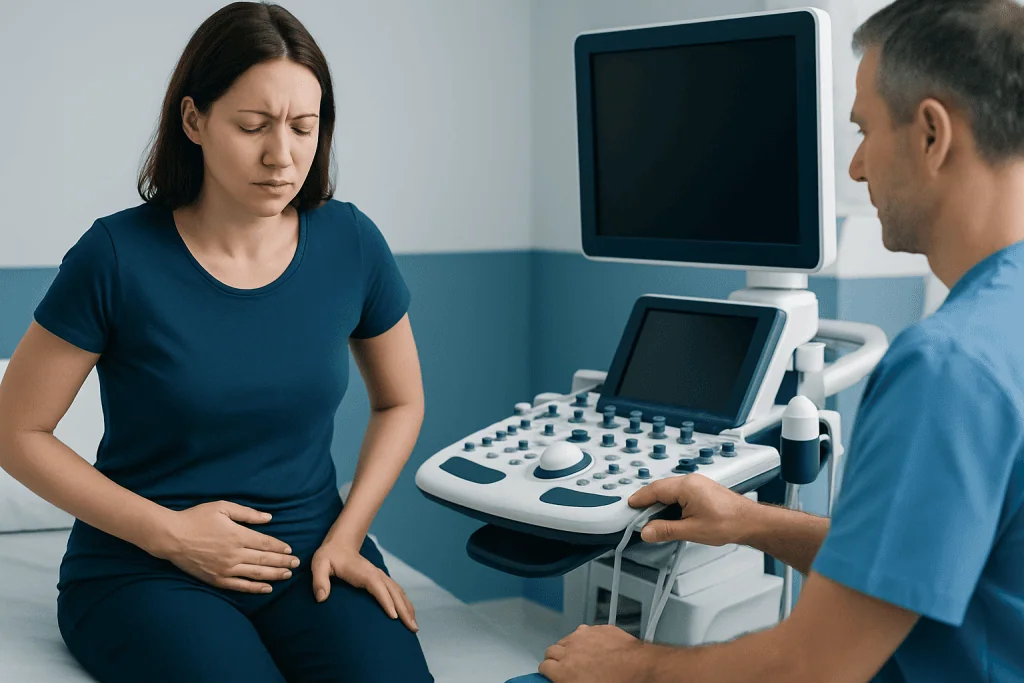
Right groin pain can feel different depending on the cause. Some people describe a pulling or aching discomfort that worsens when walking, climbing stairs, exercising, coughing, or changing position. Others feel sharp stabbing pain, pressure, burning, or cramping.
The pain may stay in one spot or spread to the lower abdomen, hip, buttock, thigh, lower back, or genital area. It may come and go, occur only with movement, or become constant. Timing can be important too, especially if pain appears mid-cycle, around menstruation, or after a specific physical activity.
Doctors also ask about associated symptoms. These may include:
- Fever or chills
- Nausea or vomiting
- Pain or burning with urination
- Frequent urination or blood in the urine
- Bloating, constipation, or diarrhea
- Abnormal vaginal bleeding or discharge
- A visible or tender lump in the groin
- Hip stiffness or pain with leg movement
Tracking these details can make diagnosis faster and more accurate. It can help to note when symptoms began, what makes them better or worse, and whether there is any link to exercise, menstruation, urination, meals, or bowel movements.
Musculoskeletal and nerve-related causes
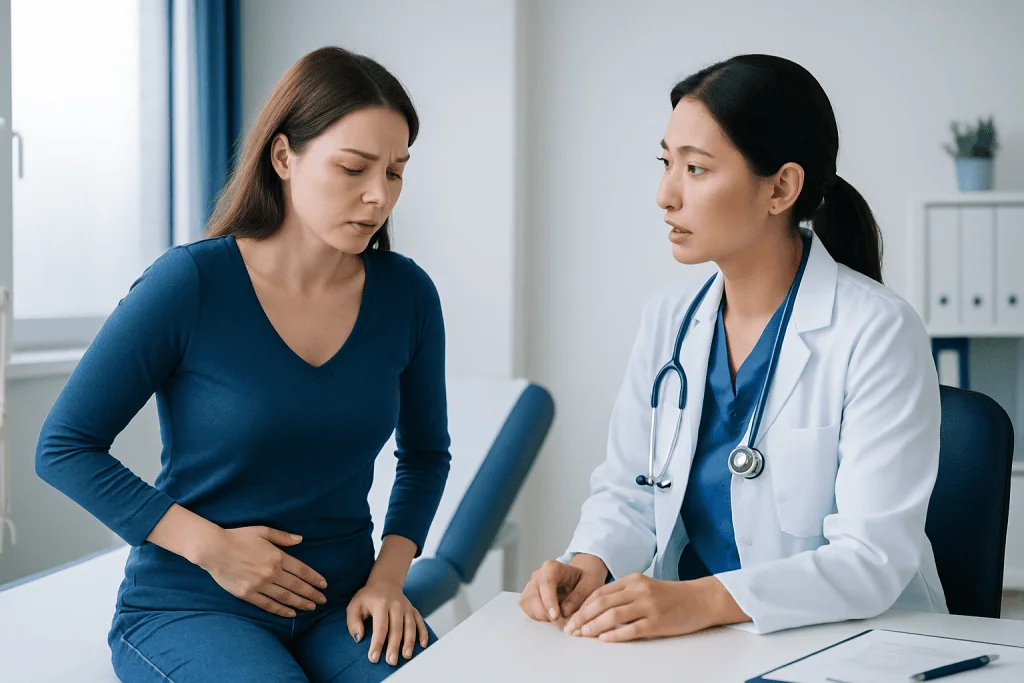
One of the most common reasons for groin pain is a musculoskeletal problem. Strain of the inner thigh muscles, hip flexors, or lower abdominal muscles can happen after exercise, lifting, sudden twisting, or even an awkward movement. This pain is often tender to touch and usually gets worse with walking, stretching, or using the affected leg.
Hip conditions can also be felt in the groin. Arthritis, labral tears, tendon irritation, and impingement in the hip joint often cause pain in the front of the hip or deep in the groin rather than on the side of the leg. Some people notice clicking, stiffness, or reduced range of motion along with the discomfort. When needed, assessment may include imaging and, in selected cases, hip replacement treatment for advanced joint disease.
A hernia is another possible cause. In an inguinal or femoral hernia, tissue pushes through a weak spot in the lower abdominal wall, creating pain or pressure and sometimes a small bulge. Symptoms may worsen when standing, coughing, or straining. Persistent or symptomatic hernias may require hernia repair.
Nerves in the pelvis or lower back can sometimes cause groin pain as well. Irritation of nerves from the lumbar spine, pelvic region, or after surgery can create burning, tingling, numbness, or radiating pain. In these cases, the groin pain may be one part of a wider pattern involving the lower back, abdomen, or upper thigh.
Urinary, digestive, and other non-gynecologic causes
Urinary problems can produce right-sided groin pain, especially when discomfort travels from the flank or lower abdomen. A urinary tract infection may cause burning with urination, urgency, and pelvic discomfort. Kidney stones often cause stronger waves of pain that may begin in the side or back and move toward the groin, sometimes with nausea or blood in the urine.
Digestive causes also deserve attention. Appendicitis can begin with vague abdominal discomfort and later localize to the right lower abdomen or groin area, often with nausea, loss of appetite, or fever. Because appendicitis can worsen quickly, new progressive right-sided pain should not be ignored. If doctors suspect appendicitis, they usually arrange urgent imaging and surgical review.
Enlarged lymph nodes in the groin can cause tenderness or a small lump. This may happen in response to a skin infection, shaving-related irritation, an infection in the leg or genital area, or less commonly an inflammatory or more serious medical condition. The context and associated symptoms usually guide the next steps.
Less common causes include inflammatory bowel conditions, bowel obstruction, or referred pain from the lower spine. Because symptoms can overlap, persistent pain that does not clearly fit a simple strain should be medically assessed rather than self-diagnosed.
Gynecologic causes of right groin pain
In females, reproductive organs are an important part of the evaluation. Ovulation can cause one-sided lower abdominal or groin discomfort in the middle of the menstrual cycle. This is usually short-lived and mild, but not everyone can distinguish it from other causes at first.
Ovarian cysts are another common reason for one-sided pelvic or groin pain. Many cysts cause no symptoms and go away on their own, but some may cause aching, fullness, or sudden sharper pain if they bleed, rupture, or twist the ovary. For further evaluation of ovarian cysts, doctors often use pelvic ultrasound and symptom review.
Ovarian torsion is less common but urgent. It happens when the ovary twists around its supporting tissues and blood supply becomes compromised. The pain is often sudden and severe and may come with nausea or vomiting. Endometriosis, pelvic inflammatory disease, and fibroids may also lead to pain that can radiate toward the groin, especially around the menstrual cycle.
Ectopic pregnancy must also be considered in anyone of reproductive age with one-sided pelvic or groin pain and a possible pregnancy. This is a medical emergency. A pregnancy test, pelvic exam, and ultrasound may be needed promptly to rule it out.
How the cause is diagnosed
Diagnosis starts with a careful history and physical examination. A clinician will ask where the pain is felt most strongly, when it began, whether it started suddenly or gradually, and what makes it worse or better. Questions about exercise, injury, menstrual timing, sexual health, bowel habits, urinary symptoms, and pregnancy possibility are all relevant.
The examination may include the abdomen, groin, hip, lower back, and sometimes a pelvic exam, depending on symptoms. Doctors look for tenderness, a hernia bulge, enlarged lymph nodes, reduced hip motion, signs of infection, or abdominal guarding. These findings help narrow the likely source of pain.
Tests are chosen based on the suspected cause. Common options include a urine test, pregnancy test, blood tests, and imaging. Ultrasound is especially useful for gynecologic causes and can also help assess hernias or soft tissues. CT scans may be used when appendicitis, kidney stones, or other abdominal causes are suspected. MRI may be helpful for complex muscle, tendon, nerve, or hip problems.
Because many different conditions can mimic each other, the goal is to identify red flags without overtesting. People with mild symptoms after a clear strain may not need extensive tests, but unexplained, recurrent, or severe pain often does need a structured medical workup.
Treatment options and self-care
Treatment depends on the underlying cause. Muscle strain or tendon irritation often improves with temporary activity modification, gentle mobility work, ice or heat, and clinician-guided pain relief. Physical therapy may be recommended if symptoms persist, especially when hip mechanics, posture, or muscle imbalance contribute to the problem.
Urinary tract infections are usually treated with prescription medication after evaluation. Kidney stones may need pain control, hydration advice, and sometimes specialist care depending on the stone size and location. Hernias, appendicitis, and ovarian torsion are examples of causes that may require urgent procedures or surgery rather than home treatment.
Gynecologic care may include observation, hormone-related treatment strategies, or surgery depending on the diagnosis. Ovarian cysts, endometriosis, and pelvic infections are managed differently, so accurate diagnosis matters. If the pain turns out to be related to a broader pelvic problem, care may involve gynecology, general surgery, orthopedics, urology, or radiology working together.
Self-care is most appropriate when symptoms are mild and there are no warning signs. Rest from triggering activities, avoid heavy lifting until the cause is clearer, stay hydrated, and monitor symptoms closely. Near the end of the diagnostic pathway, some people benefit from multidisciplinary evaluation; Acibadem International’s specialists in JCI-accredited hospitals diagnose and treat complex abdominal, pelvic, orthopedic, and gynecologic causes for international patients.
When to seek medical care
Medical assessment is important if right groin pain lasts more than a few days, keeps returning, interferes with walking, or has no clear explanation. It is also sensible to seek care if the pain is linked to urination, abnormal vaginal bleeding, a new groin lump, fever, or significant hip stiffness.
Urgent care is needed for sudden severe pain, fainting, vomiting, fever with worsening abdominal pain, a painful non-reducible bulge, or pain during pregnancy. These features can suggest appendicitis, an ectopic pregnancy, ovarian torsion, an obstructed hernia, or another condition that should be treated quickly.
It can help to prepare for the appointment by noting the location of the pain, the timing in relation to menstruation, any recent exercise or injury, and whether there are urinary or bowel symptoms. Bringing a list of medications and previous medical conditions may also be useful.
If symptoms are uncertain or overlap, referral to an appropriate specialist may be recommended. Depending on the findings, this may involve gynecology, urology, orthopedics, general surgery, or advanced imaging such as MRI scan evaluation to clarify the source of pain.
Frequently asked questions
Is right side groin pain in females usually serious?
Not usually. Many cases are caused by muscle strain, minor hip irritation, ovulation, or a simple urinary problem, but some causes are more urgent. The seriousness depends on how severe the pain is, how quickly it started, and whether symptoms such as fever, vomiting, or pregnancy are present.
Can ovulation cause pain in the right groin?
Yes. Some women feel one-sided discomfort around the middle of the menstrual cycle when an ovary releases an egg. This pain is often mild and short-lived, but persistent or severe pain should still be checked to rule out other causes.
How can someone tell if groin pain is muscular or from an internal organ?
Muscle-related pain often starts after activity, stretching, lifting, or sudden movement and usually gets worse with using the leg or hip. Internal causes are more likely when pain is associated with urinary symptoms, digestive symptoms, abnormal bleeding, fever, nausea, or pain that does not change much with movement.
What tests might be needed for right groin pain?
Doctors may start with a physical exam, urine test, and pregnancy test when appropriate. Depending on the suspected cause, imaging such as pelvic ultrasound, CT, or MRI may be used to evaluate the abdomen, pelvis, hip, or groin structures.
When should right groin pain be treated as an emergency?
Emergency care is important if pain is sudden and severe, especially with fainting, fever, vomiting, heavy bleeding, or pregnancy. A painful lump in the groin, signs of appendicitis, or suspected ovarian torsion also need urgent attention.
Can a urinary tract infection cause pain near the groin?
Yes. A urinary tract infection can cause pelvic discomfort that may be felt near the groin, often with burning urination, urgency, or frequency. If symptoms include fever, back pain, or blood in the urine, medical review is especially important.
References
- American College of Obstetricians and Gynecologists
- National Institute for Health and Care Excellence
- U.S. National Library of Medicine
- American Academy of Orthopaedic Surgeons
- American College of Surgeons
This article is for general information only and is not a substitute for professional medical advice. Please consult a qualified doctor about your individual situation.
Explore treatments in Turkey — costs, top hospitals & a free quote
JCI-accredited · board-certified surgeons · reply within 24h