Six Pack and Abs: A Complete Medical Overview

A visible six pack is mainly a combination of abdominal muscle development and low enough body fat for those muscles to show. Everyone has abdominal muscles, but genetics, sex, age, hormones, and fat distribution affect how visible they become.
Key Takeaways
- A visible six pack is mainly a combination of abdominal muscle development and low enough body fat for those muscles to show.
- Everyone has abdominal muscles, but genetics, sex, age, hormones, and fat distribution affect how visible they become.
- Core training supports posture, balance, breathing, and spine stability even if a six pack never becomes highly visible.
- Very restrictive dieting, overtraining, or rapid weight loss attempts can harm health and are not medically recommended.
- Persistent abdominal bulging, pain, or a gap in the abdominal wall may reflect a medical issue rather than fitness alone.
Six pack and abs refers to the visible outline of the rectus abdominis, the paired abdominal muscle at the front of the abdomen. Whether these muscles can be seen depends on normal anatomy, body fat distribution, muscle development, genetics, nutrition, and overall health—not on one exercise or product alone.
Overview: what six pack and abs really means
Six pack and abs usually means visible definition of the rectus abdominis, the long paired muscle that runs vertically along the front of the abdomen. Bands of connective tissue divide this muscle into segments, creating the familiar “pack” appearance. In medical terms, the look of the abdomen is shaped by anatomy, skin, connective tissue, muscle size, posture, and body fat distribution.
A common misunderstanding is that abdominal exercises alone create visible abs. In reality, targeted exercise can strengthen and enlarge the abdominal muscles, but visibility also depends on how much body fat lies over them. This is why some people can have a strong core without a visible six pack, while others may show abdominal definition more easily because of their natural body composition.
The concept of six pack and abs is often discussed as an appearance goal, but the abdominal wall has important health functions. It helps stabilize the trunk, supports the spine, assists with breathing and coughing, contributes to balance, and helps transfer force between the upper and lower body during everyday movement and sport.
Anatomy of the abdominal wall and core
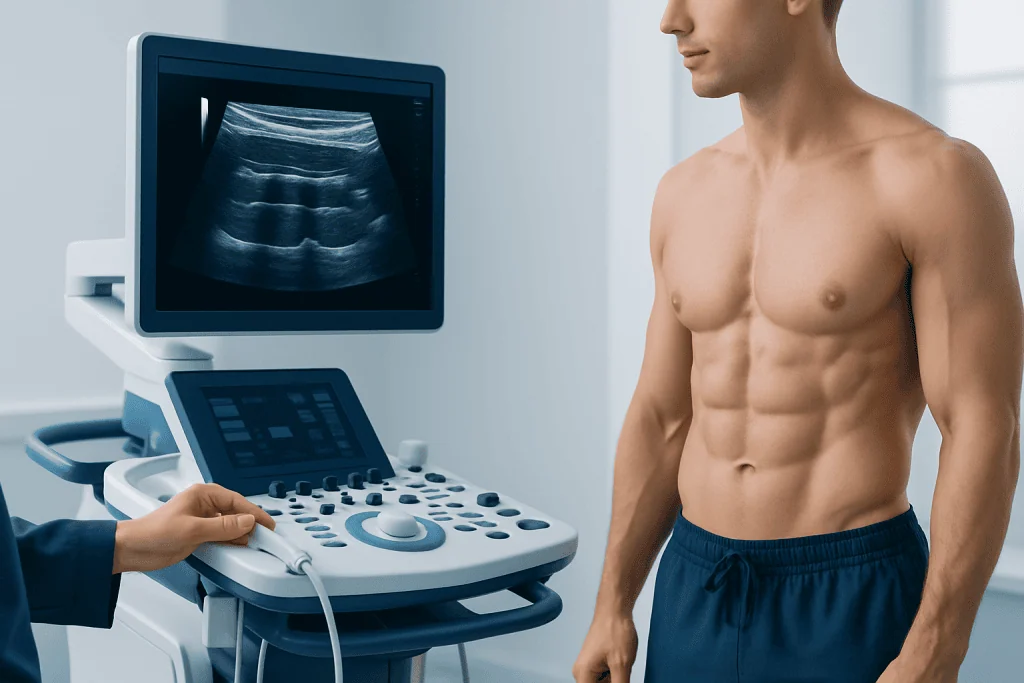
The front and sides of the abdomen contain several muscle groups. The rectus abdominis is the best known because it is the muscle most associated with a visible six pack. Deep and side muscles also matter: the external obliques, internal obliques, and transversus abdominis help rotate the trunk, resist strain, and support the lower back and pelvis.
The broader “core” includes more than the front abdominal wall. It also involves the diaphragm, pelvic floor, spinal stabilizers, and deep trunk muscles. For this reason, a healthy core is not simply a cosmetic feature. It plays a major role in controlled movement, posture, lifting, and protecting the spine during daily activities.
The visible pattern of abs varies from person to person. Some people naturally have a more symmetrical appearance, while others have uneven or less distinct muscle segments. This variation is normal and largely related to inherited anatomy rather than effort or discipline.
What determines whether abs are visible

Visible abs depend on two main factors: development of the abdominal muscles and the thickness of tissue overlying them. Body fat percentage is often discussed, but it is not the only factor. Fat distribution differs by sex, age, genetics, and hormonal patterns, so two people with similar body composition may not show the same abdominal definition.
Nutrition also matters because long-term eating patterns influence muscle maintenance and body fat. Adequate protein, balanced meals, and a sustainable calorie intake support training and body composition better than short-term crash diets. Sleep, stress, alcohol intake, and certain medications can also affect weight regulation and the appearance of the midsection.
Bloating, posture, and skin elasticity can change how the abdomen looks from day to day. A person may appear less defined after a large meal, during constipation, or with fluid retention. In some cases, concerns about abdominal shape relate to conditions such as obesity or separation of the abdominal muscles after pregnancy, weight change, or abdominal strain rather than simple lack of exercise.
How to build stronger abs safely
Safe abdominal training focuses on strength, control, and progression. Effective programs usually combine whole-body resistance training, core exercises, and regular aerobic activity. Core work may include planks, dead bugs, side planks, controlled leg movements, and anti-rotation exercises, which train stability as well as movement.
Traditional movements such as crunches or sit-ups can be useful for some people, but they are not essential and may not suit everyone, especially those with neck discomfort, back pain, or poor trunk control. A qualified clinician or trainer can help adapt exercises for individual needs, including after pregnancy, surgery, or injury.
Because the abdominal wall works together with the rest of the body, broader conditioning matters. Progressive physical therapy and rehabilitation approaches may help people recovering from weakness, back strain, or poor movement patterns. Attention to breathing, pelvic position, and hip mobility can improve core function more than repeatedly performing high-volume ab exercises alone.
Nutrition, body composition, and healthy expectations
No single food, supplement, detox, or “fat-burning” routine can guarantee a six pack. Sustainable changes in body composition usually come from a consistent pattern of eating, activity, recovery, and realistic goals. For many people, improving strength, stamina, blood sugar balance, and waist health is a more meaningful medical target than achieving sharply visible abs.
Very low-calorie diets, dehydration strategies, laxative misuse, and excessive cardio can lead to fatigue, nutrient deficiency, menstrual changes, irritability, dizziness, muscle loss, or disordered eating behaviors. A healthy plan should protect energy levels, hormonal health, and mental well-being. If structured support is needed, medically guided nutrition and diet care can help individuals create a safe approach based on their age, health status, and activity level.
Some people may never develop highly defined abs despite appropriate training and healthy habits. That outcome can reflect normal genetics rather than poor effort. A realistic goal is usually improved core strength, a healthy body composition, and confidence in physical function rather than chasing an idealized body image.
When abdominal appearance may reflect a medical issue
Not every abdominal bulge is related to fitness or body fat. A dome-shaped bulge during straining can occur with diastasis recti, a separation between the left and right sides of the rectus abdominis. This can happen after pregnancy, major weight change, or increased abdominal pressure. It may be associated with weakness, poor trunk support, or back discomfort.
A localized lump or protrusion may suggest a hernia, which develops when tissue pushes through a weak area in the abdominal wall. Hernias can become more noticeable with coughing, lifting, or standing. They should be assessed by a doctor, especially if there is pain, increasing size, nausea, or inability to push the bulge back in. Depending on the type, hernia surgery may be considered.
Abdominal distension can also come from digestive problems, fluid retention, constipation, food intolerance, or inflammatory bowel conditions. If bloating, discomfort, or altered bowel habits are persistent, assessment is important because the concern may relate more to irritable bowel syndrome or another gastrointestinal issue than to abdominal conditioning.
When to seek medical care
Medical advice is appropriate if the abdomen changes shape suddenly, if there is persistent pain, or if a bulge appears with coughing or lifting. Assessment is also important for ongoing bloating, unexplained weight change, weakness after pregnancy, or back pain that limits normal activity. These symptoms deserve evaluation rather than self-diagnosis.
Anyone considering major weight loss, a new intensive training program, or restrictive dieting should speak with a qualified professional if they have diabetes, heart disease, hormonal conditions, previous abdominal surgery, an eating disorder history, or musculoskeletal pain. Children and adolescents should avoid aggressive body-composition goals and should be guided toward healthy development instead.
For people seeking evaluation and treatment, Acibadem International’s multidisciplinary specialists in JCI-accredited hospitals care for international patients with abdominal wall, metabolic, digestive, and rehabilitation needs. The aim is to identify whether the concern is normal body variation, a conditioning issue, or a condition that needs medical treatment.
Frequently asked questions
Can everyone get a visible six pack?
Not everyone will develop the same degree of abdominal definition, even with healthy habits. Genetics, sex, age, hormones, skin thickness, and where the body stores fat all influence how visible the abdominal muscles become.
Do abdominal exercises alone create six pack and abs?
No. Abdominal exercises strengthen and can build the muscles, but visible abs also depend on overall body composition and fat distribution. Whole-body training, nutrition, sleep, and long-term consistency matter more than one isolated exercise.
Is it unhealthy not to have visible abs?
No. A person can have a strong, functional core without visible abdominal definition. Health is better judged by strength, endurance, mobility, metabolic markers, and general well-being than by appearance alone.
Are sit-ups the best exercise for abs?
Not necessarily. Many people benefit more from a varied core program that includes planks, anti-rotation work, controlled leg movements, and whole-body strength training. The best exercise plan depends on fitness level, back health, and individual goals.
Why does the abdomen still look round even with exercise?
Several factors can contribute, including normal fat distribution, posture, bloating, constipation, diastasis recti, or a hernia. If the change is persistent, painful, or associated with a visible bulge, a medical assessment is sensible.
Can crash diets help reveal abs faster?
They may reduce weight quickly, but they can also cause dehydration, muscle loss, fatigue, and nutrient deficiency. A safer approach is gradual, sustainable change guided by balanced nutrition and regular exercise.
References
- American College of Sports Medicine
- National Institutes of Health
- Centers for Disease Control and Prevention
- World Health Organization
- National Institute of Diabetes and Digestive and Kidney Diseases
This article is for general information only and is not a substitute for professional medical advice. Please consult a qualified doctor about your individual situation.
Medical weight-loss options in Turkey — costs & eligibility
JCI-accredited · board-certified surgeons · reply within 24h
Add us as a Preferred Source to see more of our trusted health content across Google Search, AI Overviews and Discover.
Check your numbers in seconds
BMI, calories, due date, blood pressure and 30+ more clinical calculators — free, instant, doctor-reviewed ranges.

More from the Health Library

Pink Eye Contagious — Explained by Medical Evidence, Not Myths
Fatty Liver: An Evidence-Based Guide for Patients

Impossible Burger: A Complete Medical Overview

Male Contraceptive: What Patients Need to Know

Todd Paralysis: An Evidence-Based Guide for Patients