

General Surgery
Hernia, gallbladder, appendix, haemorrhoids and pilonidal disease, thyroid and parathyroid, colorectal and emergency surgery — laparoscopic and robotic where it helps, open where it does not, with free remote review of whether the operation is needed at all.
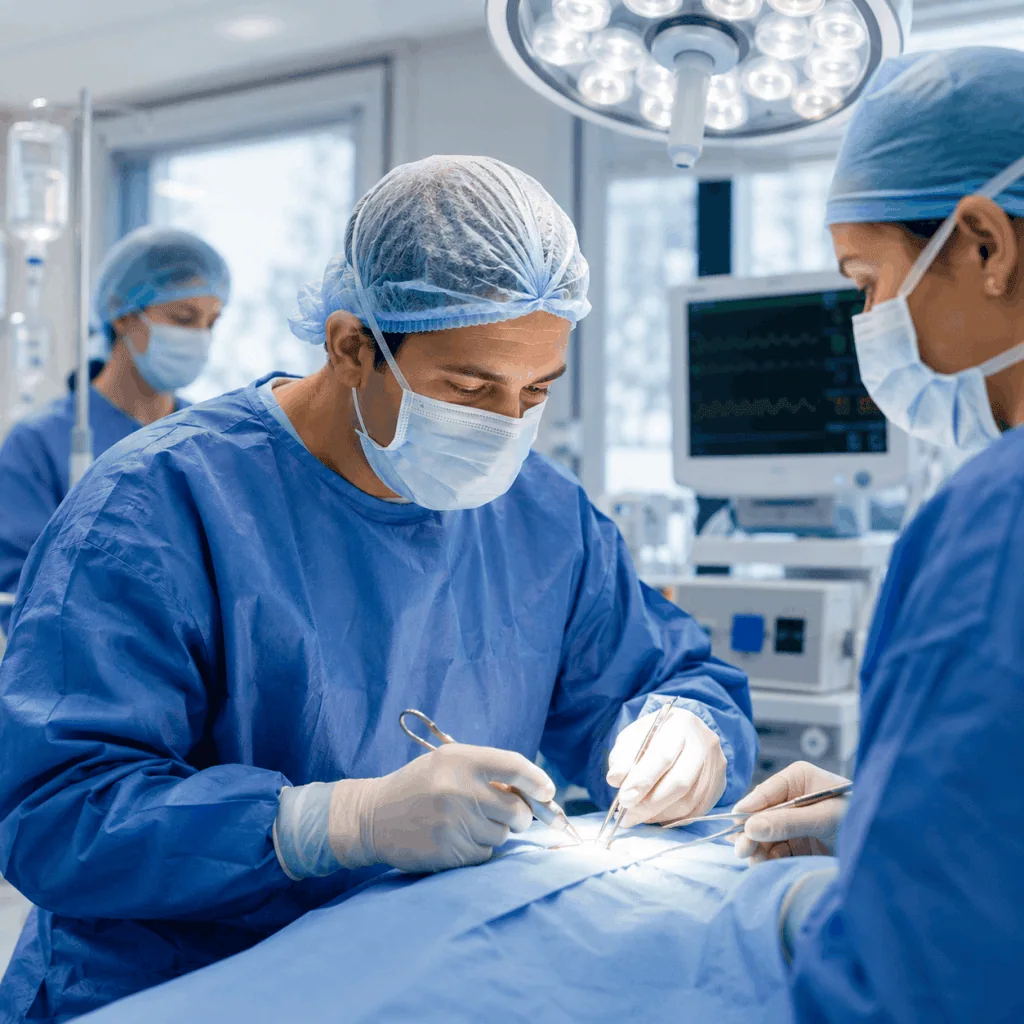
Half of this job is deciding not to operate
Whether the symptom is surgical at all, whether the finding on a scan needs anything done about it, and whether the risk of the operation is smaller than the risk of leaving things alone.
Hernia and the abdominal wall
The largest single group, where the technique is chosen from the hernia, the previous operations and the occupation — not from what the hospital has invested in.
Gallbladder, bowel and emergency
Where the assessment beforehand decides whether the operation helps, and where selection matters more than the operation itself.
Proctology and endocrine surgery
The conditions people postpone for years out of embarrassment, and the neck operations where complication rates depend most sharply on volume.
Ask how many of your operation this surgeon does in a year
General surgery divided into sub-specialties long ago — colorectal, hepatobiliary, endocrine, upper gastrointestinal, emergency — and outcomes in these operations track with how many the surgeon performs rather than with seniority in general. That question is the most useful one a patient can ask, and it is a reasonable one to ask us.
The second habit is stating risk specifically rather than generically: not that complications are possible, but which ones, how often in this surgeon's hands, and what happens if they occur. The third is timing — many of these conditions are not urgent, and six weeks spent on smoking, glucose and fitness before an elective operation measurably reduces complications. That preparation is treatment, not delay.
What we will not do
- Operate on a scan. Silent gallstones, a small hiatal hernia and a non-functioning adrenal incidentaloma are findings, not indications.
- Remove a gallbladder for symptoms that were never biliary. They usually persist afterwards.
- Call rectal bleeding haemorrhoids without examining.
- Divide sphincter muscle without mapping the fistula on MRI first. Continence is not recoverable.
- Recommend robotic surgery where it has no demonstrated advantage over laparoscopy for that operation.
Surgeons who lead this work
What actually happens, in order
Ask whether it is needed at all
The commonest remote request here is a second opinion on an operation already recommended, and it is the one that most often ends without a journey. Whether a less invasive option exists is usually answerable from the imaging and the reports.
Send images and the operation history
CT and ultrasound as DICOM files rather than reports, plus every previous abdominal operation — the previous operation determines the approach more than anything else does.
Use the weeks before travel
Stopping smoking, controlling glucose, treating anaemia and improving fitness measurably reduce complications. For a non-urgent hernia or gallbladder this is the single most effective thing you can do, and it happens at home.
Plan the anticoagulants in advance
Blood thinners and anything containing aspirin need a plan made by the doctor who prescribed them, weeks ahead — not a decision on the morning of admission.
Name three people at home
Who removes the stitches, who reviews the wound if it looks wrong, and who receives the pathology result. A report arriving in another country with nobody expecting it is the commonest loose end in international surgery.
Six things worth knowing first
Silent gallstones usually stay silent
Stones found incidentally in someone with no symptoms mostly never cause trouble, and removal is not routine. What matters is whether the pain is genuinely biliary — because bloating and indigestion usually persist after the gallbladder is gone.
Rectal bleeding is examined, not assumed
It is how haemorrhoids present and also how colorectal cancer presents. Attributing it to piles without examining is one of the most consequential errors in this field, and the examination is where that is settled.
Most haemorrhoids never need an operation
Grade decides the treatment. Fibre, fluid and not sitting on the toilet with a phone handle most of it; rubber band ligation takes minutes and needs no anaesthetic. Surgical excision is effective and genuinely painful, and is a last step.
A fistula is mapped before it is cut
The tract runs through the sphincter to a variable degree, and dividing muscle risks continence that does not come back. An MRI beforehand is what protects it, and complex fistulas often need more than one operation.
A deep or growing lump is imaged first
Soft-tissue sarcoma is rare and is made considerably worse by an unplanned excision performed on the assumption that it was a lipoma. Everything removed goes to pathology, without exception.
Getting up the same day is the treatment
Early mobilisation, eating early and avoiding unnecessary tubes shorten stay and reduce complications. It reads as being rushed and it is the opposite — resting completely after an operation is what causes chest infections and clots.
Jump to what you came for
Quick answer
General Surgery is the medical unit that diagnoses and treats conditions requiring operative care in the abdomen, digestive system, breast, thyroid, soft tissues, and other organs. At Acibadem in Turkey, general surgeons evaluate each case and manage treatment with open, laparoscopic, or robotic techniques, together with preoperative assessment, postoperative care, and coordination with other specialties when needed.
What our general surgery unit covers — and who it is for
General surgery is the operative care of the abdominal wall and abdominal organs, the endocrine glands of the neck and adrenals, the anorectal region and the soft tissues. It is the oldest and broadest surgical specialty, and in a hospital of this size it has long since divided into sub-specialties — colorectal, hepatobiliary and pancreatic, endocrine, upper gastrointestinal and emergency surgery — each with surgeons who do that work rather than everything.
That division matters more than most patients realise. Outcomes in these operations track with how many the surgeon performs, not with seniority in general, and the honest question to ask about any planned procedure is how many of that specific operation this surgeon does in a year.
At Acıbadem International the work is organised into five strands.
- Abdominal wall and hernia — the largest single group, where the decision is often whether to operate at all and the technique choice depends on the hernia rather than on fashion.
- Gallbladder, bile duct and upper gastrointestinal — including reflux and swallowing disorders where surgery is considered after medical treatment has been given a fair trial.
- Colorectal and anorectal — bowel resection, and the proctology conditions that people postpone for years out of embarrassment and that are among the most reliably treatable things here.
- Endocrine surgery — thyroid, parathyroid and adrenal, where the operation is technically demanding in a small anatomical space and complication rates are strongly volume-dependent.
- Emergency general surgery — appendicitis, obstruction, perforation and the acute abdomen.
Where the borders sit, because this specialty touches more of them than any other. Weight-loss and metabolic surgery belongs with bariatric and metabolic surgery. Breast surgery, including lump assessment and cancer surgery, belongs with breast health. Chest and lung operations belong with thoracic surgery, liver and kidney transplantation with organ transplantation. Endoscopy, ERCP and the medical management of reflux and inflammatory bowel disease belong with gastroenterology. And skin lesions — moles, sebaceous and epidermoid cysts, lipomas within the skin and minor skin surgery — belong with dermatology, which covers them in full including the dermoscopy and pathology that make them safe; this unit takes the deeper and larger soft-tissue lesions and anything needing wider excision or a general anaesthetic (anesthetic).
What a general surgeon actually does
A general surgeon operates on the abdomen and its contents, the abdominal wall, the endocrine glands and the soft tissues — and, more of the time than the title suggests, decides not to operate. A substantial part of the work is assessment: whether the symptom is surgical at all, whether the finding on a scan needs anything done about it, and whether the risk of an operation is smaller than the risk of leaving things alone.
Three habits characterise the consultation. The first is asking what the operation is meant to achieve, in the patient’s terms rather than the anatomical ones — because an operation that corrects a picture without changing what the person came in for is a poor operation however well it is performed. The second is stating risk specifically rather than generically: not that complications are possible, but which ones, how often in this surgeon’s hands, and what happens if they occur. The third is timing. Many of these conditions are not urgent, and taking six weeks to optimise glucose, stop smoking and improve fitness before an elective operation measurably reduces complications — that preparation is treatment, not delay.
Hernia repair
A hernia is a defect in the abdominal wall through which tissue protrudes. It does not heal, it does not respond to exercise, and no belt or truss repairs it — supports contain a hernia and are used where surgery is not appropriate, which is a different thing. The decision to operate rests on symptoms, on the type of hernia and on the risk of the contents becoming trapped.
Inguinal hernia
Inguinal hernia is the commonest, more frequent in men, and presents as a groin bulge that appears on standing or straining and often reduces on lying down. The important modern point is that watchful waiting hernia management is legitimate for a small, minimally symptomatic inguinal hernia in a man: the risk of strangulation is low and observation is a reasonable choice — though a substantial proportion of those patients eventually come to surgery because symptoms develop. What changes that calculation is pain, a hernia that is enlarging, or one that cannot be reduced.
Umbilical hernia, femoral hernia and the rest
Umbilical hernia surgery is one of the commonest operations here. An umbilical hernia at the navel is common in adults, particularly with obesity, previous pregnancy or liver disease with ascites, and small ones are frequently repaired for symptoms rather than for risk. Femoral hernia sits below the inguinal ligament, is more common in women, and is the exception to any watchful waiting discussion: it has a much higher risk of strangulation and is repaired when found. Incisional hernia occurs through a previous surgical scar and is one of the commonest late complications of abdominal surgery. Ventral hernia is the umbrella term for hernias through the front of the abdominal wall. Spigelian hernia occurs through a specific line lateral to the rectus muscle, is easily missed on examination because it lies between muscle layers rather than producing an obvious bulge, and is usually diagnosed on ultrasound or CT.
Sports hernia — which is not a hernia
Sports hernia is a misleading name for a different condition entirely — athletic pubalgia, an injury of the muscles and tendons of the groin with no true hernia present. It matters because the treatment is initially physiotherapy rather than an operation, and because operating on a groin without a hernia for pain caused by something else is a recognised route to chronic pain.
Hernia mesh, and the questions patients now ask about it
Mesh repair reduces recurrence substantially compared with suture repair, which is why it became standard. Patients now arrive having read about hernia mesh litigation, and the honest answer has several parts rather than one.
Mesh is a permanent implant and it is not inert; a proportion of patients develop chronic discomfort, and a small number develop hernia mesh complications requiring removal, which is a more difficult operation than the original repair. Against that, suture repair without mesh has a considerably higher recurrence rate, and a recurrent hernia means a second operation in scarred tissue. Different meshes and different fixation methods carry different profiles, and lightweight large-pore materials with atraumatic fixation have reduced chronic pain compared with older heavyweight products and tack fixation.
What is reasonable to ask: which mesh, why that one, how it will be fixed, and what this surgeon’s own rate of chronic pain and recurrence is. Tissue repair without mesh remains appropriate in specific situations — small defects, contaminated fields, some paediatric (pediatric) and young adult cases — and offering it where it fits is not old-fashioned.
Open, laparoscopic or robotic
The open vs laparoscopic hernia repair question does not have one answer, and a surgeon who offers only one technique will recommend that one. Laparoscopic repair — by the TEP or TAPP approach — produces less early pain and faster return to activity, and it has clearer advantages in bilateral hernias, in recurrent hernia after a previous open repair, and in patients returning to physical work. Open repair under local or regional anaesthesia remains excellent for a straightforward unilateral hernia, particularly in an elderly patient in whom general anaesthesia carries more weight than a few extra days of soreness. Robotic hernia repair offers better instrument articulation for complex abdominal wall reconstruction; for a routine inguinal hernia its advantage over laparoscopy is not established, and it costs more.
The technique is therefore chosen from the hernia, the previous operations, the patient’s occupation and the anaesthetic risk — not from what the hospital has invested in.
Hernia surgery recovery
Hernia surgery recovery is where expectations most often diverge from reality in both directions. Most inguinal hernia repairs are day cases: you walk the same day, and driving resumes when an emergency stop can be performed without hesitation, typically within one to two weeks. On inguinal hernia recovery time for lifting and physical work, the modern advice is considerably less restrictive than the traditional six weeks — activity is guided by comfort rather than by a calendar, because prolonged restriction has not been shown to reduce recurrence and does cause deconditioning. Bruising and swelling, including of the scrotum, are common and settle over weeks.
What is worth knowing beforehand: a proportion of patients have some degree of persistent groin discomfort at a year, and asking about it before the operation rather than discovering it afterwards is part of proper consent. Where it occurs, it is managed jointly with pain management.
Hiatal hernia, reflux and swallowing surgery
A hiatal hernia is protrusion of the stomach through the diaphragm into the chest. Small sliding hernias are extremely common, frequently asymptomatic, and are not an indication for surgery in themselves — a scan report mentioning one is not a diagnosis requiring an operation.
Hiatal hernia repair is considered for large or paraoesophageal (paraesophageal) hernias, particularly where a substantial part of the stomach has migrated into the chest, and for reflux that has failed adequate medical treatment. GERD surgery — most often fundoplication, in which the upper stomach is wrapped around the lower oesophagus (esophagus) — works well in carefully selected patients and poorly in badly selected ones, which is why selection involves objective testing rather than symptoms alone: endoscopy, oesophageal manometry and pH monitoring, arranged with gastroenterology. Patients whose symptoms respond to acid suppression do better after surgery than those whose do not, which is counter-intuitive and is the single most useful predictor.
Achalasia — failure of the lower oesophageal sphincter to relax — is a different condition treated by dividing that muscle, either surgically by Heller myotomy or endoscopically by the POEM procedure, which is performed through the mouth with no external incision. Achalasia surgery of either kind relieves swallowing difficulty in the great majority; both cause reflux in a proportion, and the choice between them is discussed with that trade-off explicit.
Gallbladder surgery and laparoscopic cholecystectomy
Gallbladder surgery is among the most commonly performed operations in the world, and the commonest question about it is whether it is needed at all. Gallstones found incidentally on a scan in someone with no symptoms are not an indication for surgery in most people: the majority never cause trouble. What changes that is symptoms, and it is worth being precise about which ones.
Biliary colic is severe, constant pain in the right upper abdomen or epigastrium lasting from thirty minutes to several hours, often radiating to the back or right shoulder blade, frequently after a fatty meal and often at night. It is not the vague bloating and indigestion that gallstones are blamed for — those symptoms usually persist after the gallbladder is removed, which is why operating for them disappoints. Cholecystitis is inflammation of the gallbladder, presenting with continuous pain, fever and tenderness, and is treated in hospital; early laparoscopic cholecystectomy during that admission produces better results than delaying by weeks.
A gallbladder polyp found on ultrasound is common and usually benign. Management is by size and change over time, with removal recommended above a size threshold or where a polyp grows on surveillance, and where a polyp coexists with stones. A common bile duct stone is a different problem from a gallbladder stone: it obstructs bile flow, causing jaundice and risking cholangitis and pancreatitis, and it is usually cleared endoscopically by ERCP with gastroenterology before or during the gallbladder operation.
Recovery, and life without a gallbladder
Gallbladder removal recovery after a laparoscopic operation is usually a day case or one night, with return to desk work in around a week and to physical work in two to three. Shoulder-tip pain in the first day or two is from the gas used during laparoscopy and is expected rather than a complication.
The gallbladder stores and concentrates bile; it does not make it. Most people notice no dietary difference at all afterwards, and permanent fat restriction is not required. A minority have looser or more frequent stools for some months, which usually settles and is treatable. Post cholecystectomy syndrome — persistent pain or dyspepsia after the operation — occurs in a meaningful minority, and it is the reason careful selection matters: it is far more common in patients operated on for symptoms that were never biliary in the first place. Investigating it means looking again at the original diagnosis rather than assuming a surgical complication.
Appendicitis and appendectomy
Appendicitis is inflammation of the appendix and the commonest general surgical emergency. It is a medical emergency and is treated in hospital. The classical presentation — central abdominal pain migrating to the right iliac fossa over hours, with nausea, loss of appetite and low-grade fever — is present in a minority; atypical presentations are common in children, older people, pregnancy and in an appendix lying behind the caecum.
Diagnosis combines examination, blood tests and imaging, with ultrasound first in children and in pregnancy and CT in adults where the picture is unclear. Scoring systems help stratify rather than decide.
Appendectomy, usually laparoscopic, remains the standard treatment. Antibiotics alone succeed in a proportion of uncomplicated cases and are a legitimate option in selected patients, with the honest caveat that a substantial share recur within a year and come to surgery anyway; the choice is discussed rather than assumed. A perforated appendix with an abscess is sometimes managed initially with drainage and antibiotics, with surgery later. Recovery from an uncomplicated laparoscopic appendectomy is usually a day or two in hospital and one to two weeks before full activity.
Haemorrhoids (hemorrhoids)
Haemorrhoids are enlarged vascular cushions in the anal canal. They are extremely common, they are not varicose veins, and the first and most important step is establishing that the symptoms are actually coming from them — because rectal bleeding is also the presenting symptom of colorectal cancer, and attributing it to piles without examination is one of the most consequential errors in this field. Anyone with rectal bleeding is examined, and examination of the bowel is arranged where age or pattern warrants it, with gastroenterology.
Hemorrhoid grades run from first degree, which bleed but do not prolapse, through second degree, which prolapse and reduce spontaneously, third degree, which need manual reduction, to fourth degree, which remain prolapsed. The grade determines the treatment, and skipping to surgery is unnecessary in most people.
First and second degree haemorrhoids respond to fibre (fiber), fluid and stopping straining — the single most effective intervention is not sitting on the toilet with a phone. Rubber band ligation is an outpatient procedure for first to third degree disease, takes minutes, needs no anaesthetic and is repeated as required; it is the workhorse treatment and is offered before any operation. Haemorrhoidal artery ligation and stapled procedures occupy a middle ground. Hemorrhoidectomy — surgical excision — is the most effective and the most painful option, reserved for third and fourth degree disease and for those in whom lesser measures have failed; recovery involves genuine discomfort for two to three weeks and that is stated clearly beforehand rather than discovered.
A thrombosed external hemorrhoid is a different, acute problem: a painful blue lump at the anal margin from a clot. It is exquisitely tender for a few days and then improves on its own over one to two weeks. Incision and evacuation of the clot gives rapid relief but only if performed early in the course; later, conservative management is better, and knowing which side of that line a patient is on is the whole decision.
Anal fissure, abscess and fistula
These three conditions are related, frequently confused with haemorrhoids, and among the most reliably treatable things this unit does — which makes the years people spend not mentioning them the real problem.
An anal fissure is a tear in the lining of the anal canal, and its signature is pain: sharp pain during defaecation followed by an aching spasm lasting hours afterwards, with bright blood on the paper. Most acute fissures heal with stool softening, fibre and topical treatment that relaxes the internal sphincter, prescribed by a doctor. Chronic fissures that do not heal are treated with botulinum toxin injection or, where that fails, lateral internal sphincterotomy — an operation with a high healing rate and a small but real risk of altered continence, which is why it is discussed explicitly and why fissures in women who have had obstetric injury are approached more cautiously.
An anal abscess is a collection of pus in the tissues around the anus, presenting with severe constant pain, swelling and fever. Antibiotics alone do not treat it; the treatment is drainage, and it is done promptly because delay worsens the eventual outcome. A proportion of abscesses are the first presentation of Crohn disease, which is why the history matters and why some patients are referred to gastroenterology.
Perianal fistula and the sphincter problem
A perianal fistula is an abnormal tract between the anal canal and the skin, and a substantial share follow a previous abscess. The dilemma running through all fistula surgery is simple to state: the tract passes through the sphincter muscle to a variable degree, and dividing muscle cures the fistula but risks incontinence. Everything in this field is a negotiation between those two.
MRI of the pelvis maps the tract before anything is done, and operating without that map is how sphincters are damaged. Fistulotomy — laying the tract open — is the most effective treatment and is appropriate where the tract involves little or no sphincter. Where it involves a significant amount, a seton is placed: a soft thread left through the tract to drain it and control sepsis, either as a staging step or long term. Sphincter-preserving procedures including the LIFT technique, advancement flaps and biological plugs trade a lower cure rate for a lower risk of incontinence. Complex and recurrent fistulas, and those associated with Crohn disease, are managed jointly and over time rather than in a single operation, and being honest at the outset that this may take more than one procedure is part of the treatment.
Pilonidal sinus disease
Pilonidal disease is a chronic condition of the natal cleft in which hair penetrates the skin and provokes a foreign-body reaction, producing a sinus that discharges or an acute abscess. It affects young adults, more often men, and is associated with a deep cleft, hair type, prolonged sitting and obesity. It is one of the most common conditions this unit treats in international patients, and one where the choice of operation matters enormously.
An acute pilonidal abscess is drained. The chronic disease is what generates the decisions. Wide excision leaving the wound open to heal by secondary intention is the traditional approach: it has a low recurrence rate and a long, inconvenient healing period measured in weeks to months of dressings. Excision with primary midline closure heals faster but has a substantially higher recurrence rate and is largely abandoned. Pilonidal cyst surgery using an off-midline flap technique — Karydakis, Bascom cleft lift, Limberg or rhomboid flap — flattens the cleft as well as removing the disease, and produces both faster healing and low recurrence, which is why these are the techniques used here for chronic disease. Minimally invasive endoscopic and laser approaches have shorter recovery with a higher recurrence rate and suit selected early disease.
Two things reduce recurrence regardless of the operation and are frequently not mentioned: keeping the area free of hair during healing and afterwards, and weight reduction where relevant. A recurrence after a midline closure is not a failure of the patient.
Thyroid surgery: thyroidectomy and hemithyroidectomy
Thyroid operations are performed for a nodule that is malignant or suspicious, for a goitre causing compression or extending into the chest, for hyperthyroidism where definitive treatment is chosen, and for cosmetic reasons in selected cases. The decision to operate almost always begins with a needle biopsy rather than with the size of the swelling.
A thyroid nodule biopsy — fine needle aspiration under ultrasound guidance — is reported using the Bethesda classification, which places the result in one of six categories from non-diagnostic to malignant, each with its own management. That system exists because most thyroid nodules are benign and the biopsy’s job is to identify the minority that are not, without removing thyroids unnecessarily; the full pathway from ultrasound and TIRADS scoring to that decision is walked through by the endocrinology unit. Indeterminate categories are the difficult middle ground, and molecular testing and repeat sampling both have a role before anyone operates.
Hemithyroidectomy — removing one lobe — is appropriate for a unilateral nodule and for many low-risk cancers, and it preserves thyroid function in a majority of patients so that lifelong replacement is not needed. Total thyroidectomy is required for bilateral disease, larger cancers and Graves disease when surgery is chosen, and commits the patient to thyroid hormone replacement for life.
The two complications that define this operation
Recurrent laryngeal nerve injury causes vocal cord paralysis with a hoarse, weak voice, and bilateral injury is a serious airway problem. Rates are low in experienced hands and are strongly volume-dependent, which is the specific reason to ask a thyroid surgeon how many they do. Intraoperative nerve monitoring is used routinely here, and the voice is assessed before the operation as well as after — because a proportion of patients have an abnormal cord beforehand and nobody knew.
Hypoparathyroidism follows damage to or devascularisation of the parathyroid glands during total thyroidectomy, producing low calcium with tingling and cramps. It is usually temporary, and calcium is monitored closely in the first days afterwards. Permanent hypoparathyroidism is uncommon but genuinely troublesome, requiring lifelong calcium and vitamin D. Both risks are lower after hemithyroidectomy, which is part of why the extent of surgery is not chosen casually. Endocrine assessment and post-operative hormone management are shared with endocrinology.
Parathyroid and adrenal surgery
Hyperparathyroidism surgery is the only cure for primary hyperparathyroidism, in which one or more parathyroid glands overproduce hormone and raise the blood calcium. It is frequently discovered on a routine blood test in someone who considers themselves well, and the modern understanding is that most such patients are not truly asymptomatic — fatigue, low mood, cognitive fog, bone loss and kidney stones are commonly attributed to age until the operation removes them. Criteria exist for operating in patients without obvious symptoms, based on calcium level, age, bone density and kidney function.
Parathyroidectomy is guided by preoperative localisation with ultrasound, sestamibi scanning and often four-dimensional CT, which allows a focused minimally invasive operation through a small incision rather than a bilateral neck exploration in most cases. Intraoperative parathyroid hormone measurement confirms during the operation that the overactive gland has been removed, since the hormone has a short half-life and the level falls within minutes.
Adrenalectomy is performed for hormone-producing tumours — phaeochromocytoma, aldosterone-producing adenoma, cortisol-producing adenoma — and for masses suspicious for malignancy. Almost all are done laparoscopically. An adrenal incidentaloma, an adrenal mass found on a scan done for another reason, is common and mostly benign and non-functioning; the workup asks two questions only — is it producing hormone, and does it look malignant — and most need neither surgery nor indefinite scanning once those are answered. Phaeochromocytoma requires specific medical preparation before surgery to prevent dangerous blood pressure swings during the operation, arranged with endocrinology and anesthesiology, and operating on one unprepared is a well-recognised catastrophe.
Colorectal surgery: colectomy, stoma and rectal prolapse
Colectomy — removal of part of the colon — is performed for cancer, for diverticular disease with complications, for inflammatory bowel disease and for some polyps that cannot be removed endoscopically. Most are now done laparoscopically or robotically, and the principles that determine the oncological result are the same regardless of approach: the correct extent of resection, adequate lymph node harvest, and a properly performed anastomosis.
Diverticulitis is inflammation of colonic diverticula, and its management has shifted considerably. Most uncomplicated episodes are treated medically, in many cases without antibiotics in selected patients, and the old rule of operating after two attacks has been abandoned in favour of individual assessment. Surgery is for complications — abscess not responding to drainage, perforation, fistula, obstruction — and for people whose quality of life is genuinely dominated by recurrent attacks.
Bowel resection for any indication raises the question of a stoma, and this is where honest preoperative conversation matters most. A stoma may be temporary, to protect a join while it heals, or permanent. Patients consistently report that the worst part is not having one but not having been properly prepared for it, and that preparation — meeting a stoma nurse before the operation, being sited while standing and sitting, and understanding what daily life actually involves — changes the experience substantially. It is done before the operation here, not after.
Rectal prolapse — protrusion of the rectum through the anus — is most common in older women and in younger patients with chronic straining. It is treated surgically, either through the abdomen with rectopexy, increasingly laparoscopically or robotically, or through the perineum in frail patients; abdominal approaches have lower recurrence, perineal approaches lower operative risk, and the choice is a genuine trade-off rather than a preference. Cancer surgery is planned with medical oncology and radiation oncology at a multidisciplinary meeting rather than by the surgeon alone.
Splenectomy
Splenectomy — removal of the spleen — is performed for haematological conditions such as immune thrombocytopenia and hereditary spherocytosis, for some lymphomas and for splenic tumours and cysts, and occasionally after trauma where the spleen cannot be preserved. Most elective removals are laparoscopic. The indication is almost always set by hematology rather than by the surgeon, and partial splenectomy or splenic artery embolisation with radiology preserves function in selected cases.
The consequence that lasts a lifetime is immunological. Without a spleen, overwhelming infection with encapsulated bacteria can progress within hours, which is why vaccination against pneumococcus, meningococcus and Haemophilus influenzae type b is given before the operation wherever it is planned rather than after, and why standby antibiotic advice and a medical alert record are arranged with infectious diseases. That preparation is part of the operation, not an afterthought to it.
Soft-tissue lumps and lymph node biopsy
A lump under the skin is one of the commonest reasons someone sees a surgeon, and most are benign. The division of labour here is worth stating because patients are sent back and forth: lesions of the skin itself — moles, sebaceous and epidermoid cysts, small lipomas within the skin — belong with dermatology, which removes them under local anaesthetic with dermoscopy beforehand and pathology afterwards. This unit takes the deeper and larger ones: lipomas below the fascia or above a certain size, lesions requiring wide excision, and anything where the diagnosis is uncertain enough that a general anaesthetic and a planned incision are safer than a treatment-room excision.
Two rules apply to any soft-tissue lump and both are absolute here. Every excised lesion goes to pathology, without exception. And a lump that is large, deep to the fascia, growing, or painful is imaged before it is touched — because soft-tissue sarcoma is rare but is made considerably worse by an unplanned excision performed on the assumption that it was a lipoma.
Lymph node biopsy is performed when a node is persistently enlarged without an explanation, and the choice between needle sampling and excision matters: needle biopsy is adequate for many diagnoses but lymphoma classification usually requires an intact node, so where lymphoma is suspected an excisional biopsy is done and the specimen is sent fresh and unfixed to allow the full panel of tests. That is arranged with hematology and pathology, and getting it right the first time avoids a second operation.
Complex abdominal wall reconstruction
Abdominal wall reconstruction addresses large, recurrent and complex hernias where a simple repair is not possible — after multiple previous operations, with loss of domain where the abdominal contents no longer fit, in contaminated fields, and after trauma or oncological resection. These are planned operations rather than routine ones, and the planning is most of the work: CT measurement of the defect and of muscle quality, optimisation of weight, glucose and smoking beforehand, and in selected cases preoperative botulinum toxin to relax the lateral abdominal muscles or progressive pneumoperitoneum to make room.
The techniques are component separation procedures that release muscle layers to allow the midline to be reconstructed without tension, combined with mesh reinforcement in a chosen plane. Recurrence rates are considerably better than with repeated simple repairs, and complication rates are higher than with a routine hernia — both of which are stated before the decision rather than after.
Diastasis recti — separation of the rectus muscles without a true fascial defect, common after pregnancy — is a different condition and is not a hernia. It is treated first with targeted physiotherapy through rehabilitation, and surgical repair is considered for functional symptoms, frequently in combination with abdominoplasty performed with plastic surgery. Repairing it for appearance alone is a cosmetic decision and is described as one.
Laparoscopic surgery and robotic surgery
Laparoscopic surgery operates through several small incisions with a camera and long instruments, and it is now the default for most abdominal operations because it produces less pain, shorter hospital stays, fewer wound complications and faster return to normal activity than open surgery — with the same operation performed inside.
The laparoscopy vs laparotomy decision is not always in the surgeon’s control, and this is worth stating plainly: dense adhesions from previous surgery, bleeding, unclear anatomy or an unstable patient can all make conversion to an open operation the correct choice during a procedure. Conversion is a judgement, not a complication, and any surgeon who will not convert when the view is inadequate is more dangerous than one who does.
Robotic surgery is laparoscopy with articulated instruments, three-dimensional vision and tremor filtering. Its advantages are clearest where the operation is performed deep in a confined space with fine suturing — pelvic and rectal surgery above all — and are least clear in straightforward procedures where laparoscopy already performs well. It costs more, and where the evidence does not support an advantage we say so rather than selling the equipment.
Enhanced recovery and post operative care
Enhanced recovery after surgery is a set of measures applied together that shortens hospital stay and reduces complications, and almost all of it is unglamorous: carbohydrate drinks up to a few hours before the operation instead of prolonged starvation, anaesthetic and pain techniques that avoid heavy opioid use, avoiding drains and tubes that are not needed, eating and drinking early, and getting out of bed on the day of surgery rather than the day after. Patients frequently interpret early mobilisation as being rushed; it is the treatment.
The preparation before an elective operation is where the largest gains are available. Stopping smoking for several weeks measurably reduces wound and chest complications. Optimising glucose control, treating anaemia (anemia), improving fitness and reducing alcohol all shift the risk. Six weeks spent on that is not a delay, and for a non-urgent hernia or gallbladder it is the single most effective thing a patient can do.
Afterwards, post operative care follows a plan agreed in advance: what normal pain and swelling look like, what a wound is expected to do, when the dressing comes off, when normal activity resumes. A surgical drain, where one is used, is removed by volume rather than by day. Wound dehiscence — separation of a wound — is uncommon and more likely with infection, obesity, steroids, poor nutrition and diabetes, and superficial separation is managed with dressings while deeper separation needs repair. Wound infection is managed with infectious diseases where the organism matters.
What general surgery will not do
- Operate on a scan. Gallstones without biliary symptoms, a small hiatal hernia, an adrenal incidentaloma that is neither functioning nor suspicious, a mildly dilated bile duct in an older patient — these are findings, not indications.
- Remove a gallbladder for symptoms that are not biliary. Bloating and indigestion usually persist afterwards, and operating for them converts a diagnostic problem into a surgical one.
- Call rectal bleeding haemorrhoids without examining. It is also how colorectal cancer presents, and the examination is the point at which that is settled.
- Divide sphincter muscle without mapping the fistula first. Continence is not recoverable, and an MRI beforehand is what protects it.
- Excise a deep or growing soft-tissue lump on the assumption it is a lipoma. Sarcoma is rare and is made considerably worse by an unplanned excision. It is imaged first.
- Recommend a technique because we own the equipment. Where robotic surgery has no demonstrated advantage over laparoscopy for a given operation, we say so.
- Promise a hernia repair that cannot recur, or a mesh that nobody notices. Both happen, at rates we will quote for this surgeon rather than from a textbook.
Your multidisciplinary team
The general surgeon assesses, operates and follows up — and in a unit of this size that surgeon is sub-specialised, because outcomes in these operations track with volume rather than with breadth. The anaesthetist does considerably more than the anaesthetic: preoperative risk assessment, optimisation of the conditions that raise it, and the regional and multimodal pain techniques that make early mobilisation possible. The stoma nurse meets patients before rather than after any operation that may produce one, and that timing is what patients later say mattered most. The physiotherapist handles breathing exercises after major abdominal surgery and abdominal wall rehabilitation afterwards. The dietitian manages preoperative optimisation and post-resection nutrition.
Around them: gastroenterology for endoscopy, ERCP and the medical management of reflux and inflammatory bowel disease, endocrinology for thyroid, parathyroid and adrenal assessment and for hormone management after surgery, medical oncology and radiation oncology for cancer planning at the multidisciplinary meeting, radiology for imaging and for the percutaneous drainage that frequently avoids an operation, pathology for every specimen without exception, anesthesiology and intensive care, infectious diseases for wound and intra-abdominal infection, dermatology for skin lesions, breast health for breast surgery, bariatric surgery for weight-loss procedures, and pain management for persistent post-surgical pain.
The international patient journey
General surgery travels well, and better than most specialties, because the conditions are common, the operations are defined, and the recovery is predictable enough to plan a return flight around. Three patterns account for most of it.
The first is a planned elective operation — hernia, gallbladder, pilonidal disease, haemorrhoids, thyroid. These are booked in advance on the basis of imaging and reports sent beforehand, and the useful preparation is exactly the same as it would be at home: stopping smoking, glucose control, treating anaemia and improving fitness in the weeks before travel. What is needed in advance is the imaging as files rather than reports, current medicines including anticoagulants and anything containing aspirin, and a clear account of previous abdominal operations, because the previous operation determines the approach more than anything else.
The second is a second opinion on an operation already recommended, which is the most common remote request and the one that most often ends without a journey. Whether an operation is needed at all, whether a less invasive option exists, and whether the recommended technique is the one the evidence supports — these can usually be answered from the imaging and the reports.
The third is complex or revision surgery: recurrent hernia after multiple repairs, complex abdominal wall reconstruction, recurrent pilonidal disease after failed midline closure, complex fistula after previous surgery. These are planned rather than booked, because the assessment determines the operation and sometimes concludes that a staged approach over two visits is safer than one long procedure.
Three practical notes specific to surgery. Flying too soon after abdominal surgery raises the risk of venous thromboembolism, so the return date is set by the operation rather than by the ticket, and it is agreed before booking. Anticoagulants and antiplatelet drugs need a plan made by the doctor who prescribed them, in advance, not on the morning of admission. And who removes the stitches, who reviews the wound and who receives the pathology result at home should be named before you leave, because a pathology report arriving in another country with nobody expecting it is the commonest loose end in international surgery.
Frequently Asked Questions
Does every hernia need an operation?
No. A small, minimally symptomatic inguinal hernia in a man can reasonably be watched: the risk of strangulation is low, and observation is a legitimate choice — though a substantial proportion of those patients eventually come to surgery because symptoms develop. What changes the calculation is pain, a hernia that is enlarging, or one that cannot be pushed back. Femoral hernias are the exception and are repaired when found, because their strangulation risk is much higher. No belt, truss or exercise repairs a hernia; supports contain one, which is a different thing.
Should I be worried about hernia mesh?
The honest answer has two halves. Mesh is a permanent implant and is not inert: a proportion of patients have chronic discomfort, and a small number need it removed, which is harder than the original repair. But repair without mesh has a considerably higher recurrence rate, and a recurrent hernia means operating again in scarred tissue. Modern lightweight large-pore meshes with atraumatic fixation have reduced chronic pain compared with older heavyweight products. Reasonable questions: which mesh, why that one, how it will be fixed, and what this surgeon’s own chronic pain and recurrence rates are.
Open, laparoscopic or robotic — which is better?
It depends on the hernia, and a surgeon who offers only one technique will recommend that one. Laparoscopic repair has clearer advantages in bilateral hernias, in recurrence after previous open repair, and for people returning to physical work. Open repair under local or regional anaesthesia remains excellent for a straightforward one-sided hernia, particularly in an elderly patient for whom general anaesthesia carries more weight than a few days of soreness. Robotic repair helps most in complex abdominal wall reconstruction; for a routine inguinal hernia its advantage over laparoscopy is not established and it costs more.
How long until I can lift and go back to work after hernia surgery?
Less time than the traditional advice suggested. Most inguinal repairs are day cases; driving resumes when you can perform an emergency stop without hesitating, typically one to two weeks. For lifting and physical work, modern guidance is activity guided by comfort rather than by a fixed six weeks, because prolonged restriction has not been shown to reduce recurrence and does cause deconditioning. Bruising and swelling, including of the scrotum, are common and settle over weeks. A proportion of patients have some persistent groin discomfort at a year, which is worth knowing before rather than after.
I have gallstones but no symptoms. Do they need removing?
In most people, no. Gallstones found incidentally on a scan in someone with no symptoms usually never cause trouble, and prophylactic removal is not routine. What changes that is symptoms — and specifically biliary ones. There are particular situations where removal is advised despite the absence of symptoms, including some patients with diabetes, very large stones, a calcified gallbladder wall or a coexisting polyp, and those are individual decisions rather than a general rule.
What does gallbladder pain actually feel like?
Biliary colic is severe, constant pain in the right upper abdomen or just below the breastbone, lasting from about thirty minutes to several hours, often radiating to the back or right shoulder blade, frequently after a fatty meal and often at night. What it is not is the vague bloating, belching and indigestion that gallstones are commonly blamed for — those symptoms usually persist after the gallbladder is removed. This distinction is the single most important predictor of whether the operation will help.
Will I need a special diet after my gallbladder is removed?
Usually not. The gallbladder stores and concentrates bile; it does not produce it, and the liver continues to do so. Most people notice no dietary difference at all and permanent fat restriction is not required. A minority have looser or more frequent stools for some months, which usually settles and is treatable when it does not. Persistent pain afterwards — post-cholecystectomy syndrome — is far more common in people who were operated on for symptoms that were never biliary, which is why the assessment beforehand matters more than the operation.
Can appendicitis be treated with antibiotics instead of surgery?
In selected uncomplicated cases, yes, and it is a legitimate option worth discussing. The honest caveat is that a substantial share of patients treated this way have a recurrence within a year and come to surgery anyway, and that antibiotics are not appropriate where there is a perforation, an abscess or an appendicolith. Laparoscopic appendectomy remains the standard treatment, with recovery of a day or two in hospital and one to two weeks before full activity. The choice is presented rather than assumed.
Are haemorrhoids the only cause of rectal bleeding?
No, and it is the most important question anyone asks here. Rectal bleeding is also how colorectal cancer presents, and attributing it to piles without examining is one of the most consequential errors in this field. Everyone with rectal bleeding is examined, and examination of the bowel is arranged where age or the pattern of bleeding warrants it. Once that is settled, haemorrhoids are treated by grade — and most people never need an operation.
Do I need surgery for haemorrhoids?
Probably not. First and second degree haemorrhoids respond to fibre, fluid and stopping straining, and the single most effective change is not sitting on the toilet with a phone. Rubber band ligation is an outpatient procedure for first to third degree disease, takes minutes, needs no anaesthetic and can be repeated — it is the workhorse treatment and is offered before any operation. Surgical excision is the most effective and also the most painful option, reserved for third and fourth degree disease, and it involves genuine discomfort for two to three weeks, which we say beforehand.
I have a painful blue lump at the anus. What is it?
Most often a thrombosed external haemorrhoid — a clot in a vein at the anal margin. It is exquisitely tender for a few days and then improves on its own over one to two weeks. The treatment decision depends entirely on timing: incision and evacuation of the clot gives rapid relief if performed early in the course, while later in the course conservative management is better and cutting achieves little. Knowing which side of that line you are on is the whole decision, which is why it is worth being seen rather than waiting it out blindly.
Why does my anal fissure hurt for hours after going to the toilet?
Because of sphincter spasm. The tear causes pain, the pain causes the internal sphincter to contract, the contraction reduces blood flow to the area and prevents healing, and the cycle sustains itself. That is why treatment targets the spasm rather than the tear: stool softening, fibre and a topical agent that relaxes the sphincter, prescribed by a doctor. Chronic fissures that do not heal are treated with botulinum toxin or, where that fails, a small operation on the internal sphincter — which has a high healing rate and a small but real risk of altered continence, discussed explicitly.
Why can my fistula not just be cut open?
Because of where it runs. The tract passes through the sphincter muscle to a variable degree, and laying it open cures the fistula but divides muscle — which risks incontinence that is not recoverable. Everything in fistula surgery is a negotiation between cure rate and continence. An MRI maps the tract before anything is done. Where little sphincter is involved, laying it open is the best treatment. Where a lot is involved, a seton drain is placed, or a sphincter-preserving procedure is used that trades a lower cure rate for a lower risk. Complex fistulas often need more than one operation, and we say that at the start.
Which pilonidal operation should I have?
For chronic disease, an off-midline flap technique — Karydakis, Bascom cleft lift, Limberg or rhomboid — because it flattens the natal cleft as well as removing the disease, and gives both faster healing and low recurrence. Wide excision left open to heal has a low recurrence rate but weeks to months of dressings. Excision with primary midline closure heals faster but recurs substantially more often and is largely abandoned. Minimally invasive endoscopic and laser approaches suit selected early disease with shorter recovery and higher recurrence. Hair removal during and after healing, and weight reduction where relevant, lower recurrence whichever operation is done.
My thyroid nodule biopsy came back indeterminate. What happens now?
Indeterminate results are the difficult middle ground of the Bethesda system, and they do not automatically mean surgery. The options are repeat sampling after an interval, molecular testing of the sample to refine the risk, or diagnostic surgery — usually removal of one lobe rather than the whole thyroid. Which is appropriate depends on the specific category, the ultrasound features, the size and your own circumstances. What should not happen is a total thyroidectomy performed to resolve uncertainty about one nodule.
Will I need thyroid tablets for life after surgery?
It depends on how much is removed. After hemithyroidectomy — one lobe — the remaining lobe produces enough hormone in a majority of patients, so lifelong replacement is often not needed. After total thyroidectomy it always is. That difference is part of why the extent of surgery is chosen carefully rather than defaulting to removing everything, and why a unilateral nodule is usually treated with a unilateral operation.
How likely is voice damage from thyroid surgery?
Low in experienced hands, and strongly dependent on how many thyroid operations the surgeon performs — which is the specific reason to ask that question of a thyroid surgeon. Injury to the recurrent laryngeal nerve causes a hoarse, weak voice, and intraoperative nerve monitoring is used routinely here. The voice is also assessed before the operation, not only after, because a proportion of patients have an abnormal vocal cord beforehand that nobody knew about. The other main risk, after total thyroidectomy, is low calcium from parathyroid injury, usually temporary and monitored closely in the first days.
My blood calcium is high but I feel fine. Do I need parathyroid surgery?
Possibly, and the premise is worth questioning. Most patients described as asymptomatic hyperparathyroidism are not truly without symptoms — fatigue, low mood, cognitive fog, bone loss and kidney stones are commonly attributed to age until surgery removes them. There are defined criteria for operating in patients without obvious symptoms, based on calcium level, age, bone density and kidney function. Surgery is the only cure, and modern localisation allows a focused operation through a small incision in most cases, with hormone measured during the operation to confirm the right gland was removed.
A scan found something on my adrenal gland by accident. Is that serious?
Usually not. An adrenal incidentaloma is common and most are benign and non-functioning. The workup asks two questions only: is it producing hormone, which is answered by specific blood and urine tests, and does it look malignant, which is answered by the imaging characteristics and size. Once both are answered reassuringly, most need neither surgery nor indefinite scanning. Where a mass is producing hormone or looks suspicious, removal is almost always laparoscopic — and a hormone-producing phaeochromocytoma requires specific medical preparation for weeks beforehand, which is not optional.
Will I need a stoma after bowel surgery?
Sometimes, and it may be temporary to protect a join while it heals, or permanent. What patients consistently report is that the difficult part was not having one but not having been prepared for it. That is why anyone who may need one meets the stoma nurse before the operation, is sited while standing and sitting, and understands what daily life actually involves — before, not after. Where a stoma is temporary, when it will be reversed is discussed at the same time, with an honest account of what determines whether that happens on schedule.
Is diverticulitis a reason to have surgery after two attacks?
Not any more. That rule has been abandoned in favour of individual assessment. Most uncomplicated episodes are treated medically, in selected patients without antibiotics at all, and surgery is reserved for complications — an abscess not responding to drainage, perforation, fistula or obstruction — and for people whose quality of life is genuinely dominated by recurrent attacks. Counting episodes is not a good basis for removing part of the colon.
What is the difference between a lipoma and something serious?
Size, depth and behaviour. A small, soft, mobile, long-standing lump in the fatty layer just under the skin is almost always a lipoma. A lump that is large, lies deep to the fascia, is growing, or is painful is imaged before it is touched, because soft-tissue sarcoma is rare but is made considerably worse by an unplanned excision performed on the assumption that it was a lipoma. Skin-level lesions — moles, sebaceous and epidermoid cysts, small superficial lipomas — are removed by dermatology; the deeper and larger ones come here. Everything excised goes to pathology, without exception.
Why do I need an excisional biopsy rather than a needle for a lymph node?
Because of what the pathologist needs to see. Needle biopsy is adequate for many diagnoses, but classifying lymphoma usually requires an intact node with its architecture preserved, and the specimen has to reach the laboratory fresh and unfixed so the full panel of tests can be run. Getting that right the first time avoids a second operation, which is why the plan is agreed with haematology and pathology before the biopsy rather than after a needle sample comes back insufficient.
What does conversion from laparoscopic to open surgery mean — did something go wrong?
No. Conversion is a judgement, not a complication. Dense adhesions from previous surgery, bleeding, unclear anatomy or an unstable patient can all make an open operation the correct choice partway through, and a surgeon who will not convert when the view is inadequate is more dangerous than one who does. It is discussed as a possibility before every laparoscopic operation precisely so that it is not experienced as a failure if it happens.
Is robotic surgery better than laparoscopic?
For some operations, and not for others. Robotic surgery is laparoscopy with articulated instruments, three-dimensional vision and tremor filtering, and its advantages are clearest where the work is deep in a confined space with fine suturing — pelvic and rectal surgery above all. In straightforward procedures where laparoscopy already performs well, the advantage is not established, and it costs more. Where the evidence does not support it for your operation, we will say so rather than recommend the equipment.
Why am I being told to wait six weeks before an operation I want done now?
Because that time is treatment rather than delay. Stopping smoking for several weeks measurably reduces wound and chest complications. Optimising glucose control, treating anaemia, improving fitness and reducing alcohol all shift the risk of the operation you are about to have. For a non-urgent hernia or gallbladder, this preparation is the single most effective thing you can do, and it produces a bigger difference in outcome than the choice between two surgical techniques.
Why are they making me get out of bed the same day?
Because it is part of the treatment, not a sign of being rushed. Early mobilisation, eating and drinking early, avoiding unnecessary drains and tubes, and pain relief designed to allow movement together shorten hospital stay and reduce complications including chest infection and clots. This package is called enhanced recovery, and almost all of it is unglamorous. The instinct to rest completely after an operation is understandable and it is the opposite of what helps.
How soon can I fly home after abdominal surgery?
Later than most people plan, and the date is set by the operation rather than by the ticket. Flying too soon after abdominal surgery raises the risk of venous thromboembolism, and the interval depends on whether the procedure was laparoscopic or open, how extensive it was, and your own risk factors. It is agreed before you book. The same applies to anticoagulants and antiplatelet drugs, which need a plan made in advance by the doctor who prescribed them rather than a decision on the morning of admission.
What should I arrange at home before travelling for surgery?
Three things, and the third is the one most often forgotten. Who removes the stitches or clips, and when. Who reviews the wound if it does not look right. And who receives and acts on the pathology result — because a pathology report arriving in another country with nobody expecting it is the commonest loose end in international surgery. Named people for all three, agreed before you leave, along with a written operation note and discharge summary you can hand over.
What do I need to send for a surgical second opinion?
The imaging as files rather than reports — CT and ultrasound in DICOM form, since the measurements and the anatomy determine the approach and cannot be recovered from a description. Then the full list of previous abdominal operations, which influences the technique more than anything else. Then current medicines including anticoagulants and anything containing aspirin, any endoscopy and pathology reports, and a clear description of the symptom the operation is meant to fix. That last item is what a second opinion is really assessing.
Conditions We Treat
Medically reviewed by the Acıbadem International Medical Board — August 31, 2026
See our medical review board →
Update history
- PublishedJune 7, 2026
- Medical review approvedAugust 31, 2026
- Last content updateSeptember 3, 2026
Add us as a Preferred Source to see more of our trusted health content across Google Search, AI Overviews and Discover.
Treatments in General Surgery
Specialists in this Unit

Prof. Dr. Bilgi Baca
General Surgery
Prof. Dr. Aykut Soyder
General Surgery
Prof. Dr. Ali Akyüz
General Surgery
Prof. Dr. Aziz Sümer
General Surgery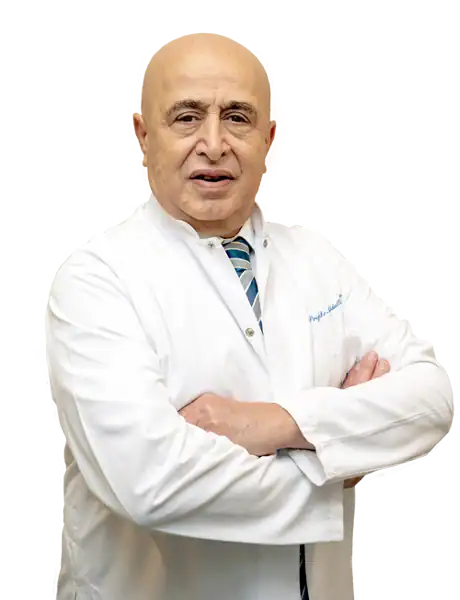
Prof. Dr. Abdullah Zorluoğlu
General Surgery
Prof. Dr. Alper Celal Akcan
General Surgery
Assoc. Prof. Dr. Bahadır Osman Bozkırlı
General Surgery
Assoc. Prof. Dr. Afag Aghayeva
General Surgery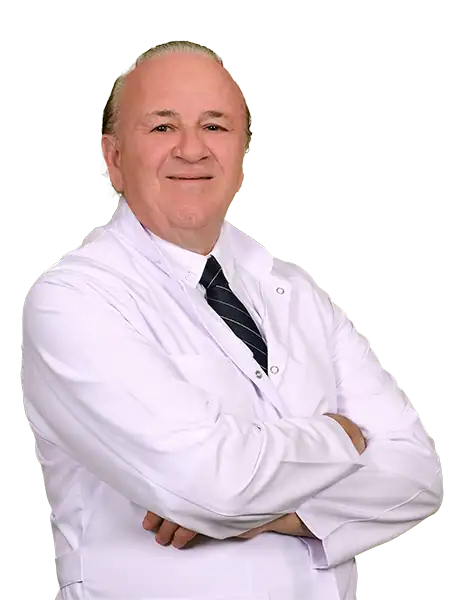
Prof. Dr. Ahmet Alponat
General Surgery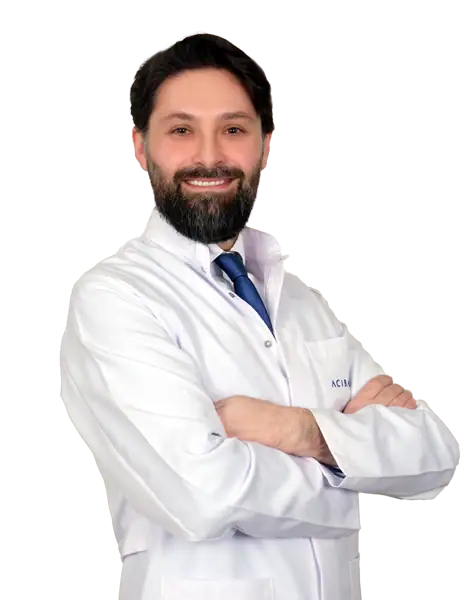
Assoc. Prof. Dr. A. Enes Arıkan
General Surgery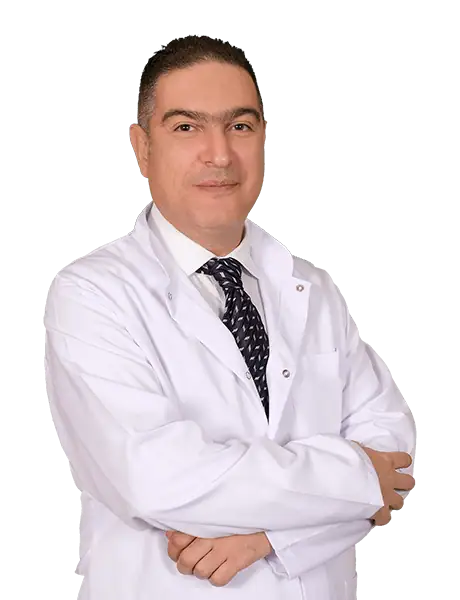
Assoc. Prof. Dr. Abdülhak Hamit Karayağız
General Surgery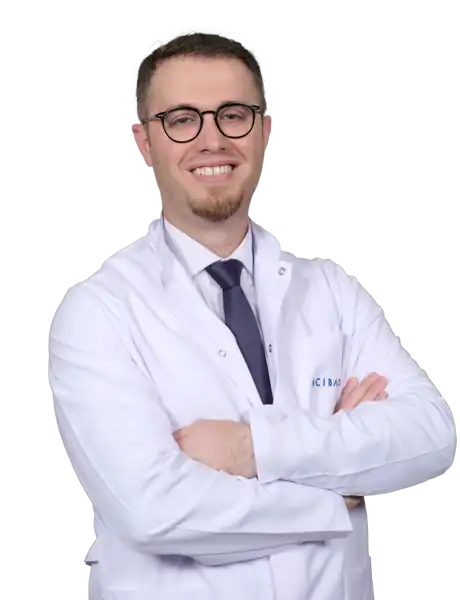
Dr. Abdullah Boğa
General Surgery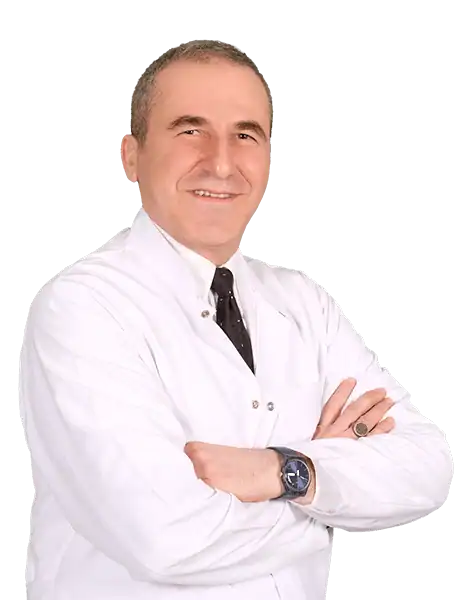
Dr. Ahmet Alan
General Surgery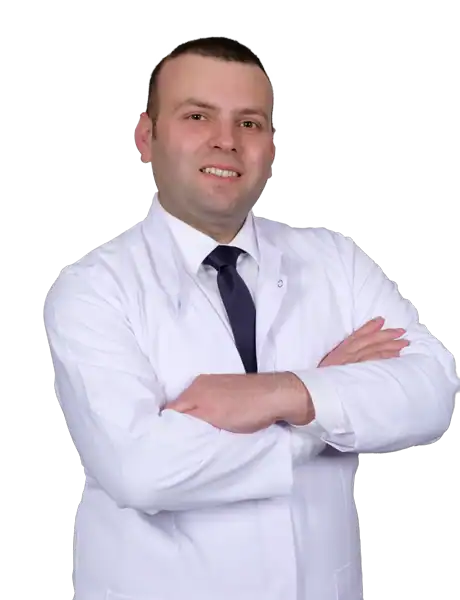
Dr. Ahmet Ali Aktaş
General Surgery
Dr. Ahmet Emin Yeğinboy
General Surgery
Dr. Ahmet Gürkan Uzun
General Surgery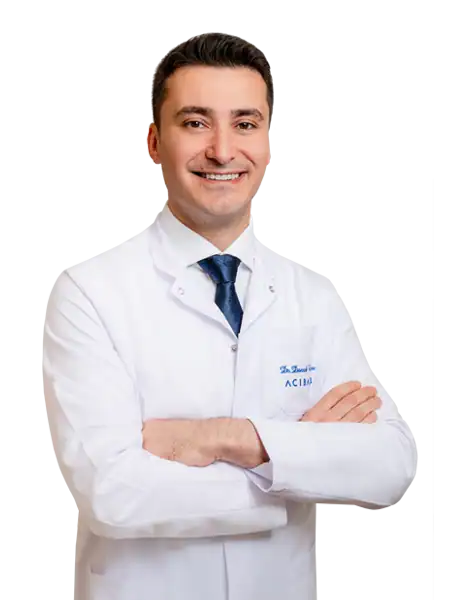
Dr. Ali Doruk Hacıoğlu
General Surgery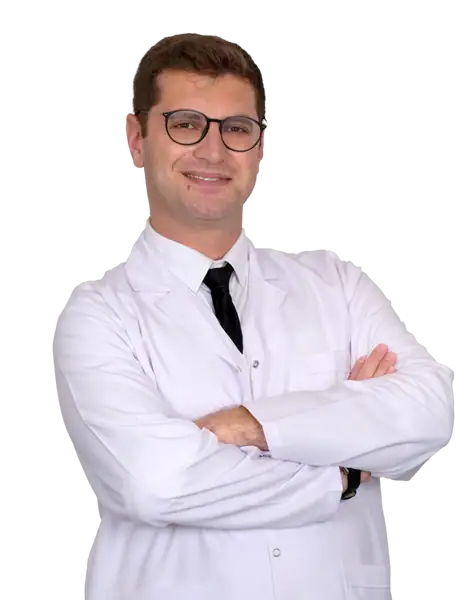
Dr. Ali İlbey Demirel
General Surgery
Dr. Ali Şahin
General Surgery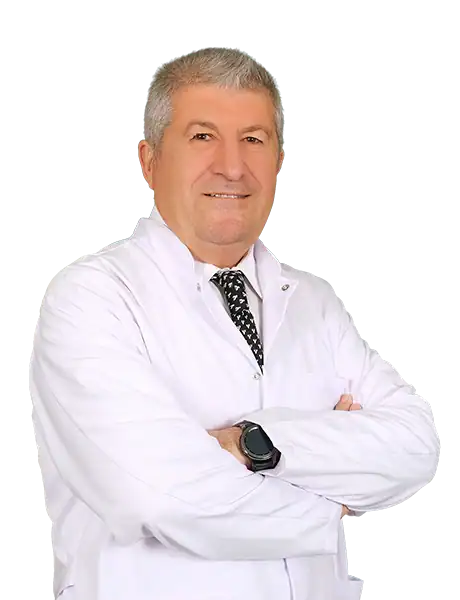
Dr. Armağan Özel
General Surgery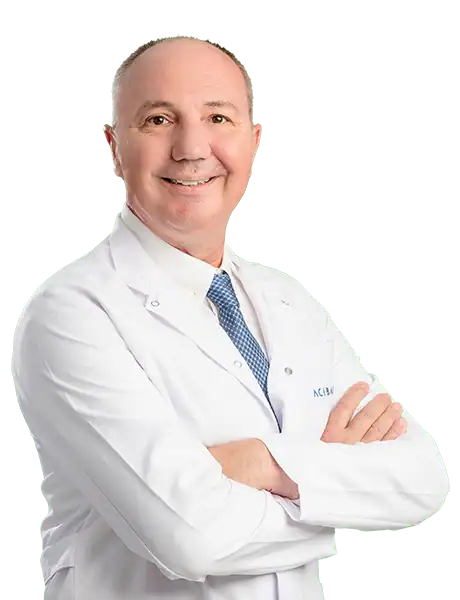
Dr. Atilla Özer
General Surgery
Dr. Berkhan Savaşçın
General Surgery
Dr. Birol Esen
General Surgery
Dr. Burak Kutlu
General SurgeryMedical Technologies Used
Available at these Hospitals

















Patient stories from this unit

Speak with our medical team
Share your case and our international patient team will guide you to the right specialist — free of charge.