Gallstones Treatment
Gallstones are hardened deposits in the gallbladder that can cause pain, nausea, infection or bile duct blockage. Symptomatic cases are commonly treated with laparoscopic gallbladder removal.
Quick answer
Gallstones are hardened deposits of cholesterol or bilirubin that form in the gallbladder, the small organ that stores bile beneath the liver. Many cause no symptoms and need no treatment. Once they cause pain or complications, the standard treatment is laparoscopic removal of the gallbladder, sometimes preceded by an endoscopic procedure (ERCP) to clear stones from the bile duct.
Gallstones: What They Are and When They Need Treatment
Gallstones are hardened deposits that form inside the gallbladder, the small pouch beneath your liver that stores bile, the fluid that helps digest fat. They develop when substances in bile, most often cholesterol, less commonly bilirubin, crystallise and clump together over time. Many people carry gallstones for years without knowing it. Treatment only becomes a question once the stones begin to cause pain, inflammation or a blockage somewhere in the bile drainage system.
Gallstones tend to be unsettling because they often announce themselves suddenly. You may feel entirely well for months, then develop intense pain in the upper abdomen after a meal, nausea that refuses to settle, or discomfort spreading to your back or right shoulder blade. Some people learn they have gallstones by chance, during an ultrasound performed for something else entirely. For others, the first sign is an emergency: severe pain, fever, jaundice or inflammation of the pancreas.
If you are researching gallstones from abroad, your questions are usually practical. Is surgery really necessary? Can stones come back? How long does recovery take? When is it safe to fly again? The honest answer to each depends on the size and location of the stones, your symptoms, your overall health, and whether the gallbladder or bile ducts are already inflamed or blocked. This page works through those variables in order, so you can follow the same logic your doctors will use.
One point of frequent confusion is worth clearing up first. Gallstones form in the gallbladder and the bile ducts, not in the urinary bladder. Stones in the urinary system are a separate condition with different causes and different treatments, see bladder stones if that is what you are actually looking for.
Gallbladder removal may sound drastic, but the body functions well without this organ. The gallbladder stores bile; it does not make it. The liver continues to produce bile after surgery: it simply flows directly into the small intestine rather than being stored first. The goal of treatment is never just to remove stones. It is to prevent recurrent attacks, infection, bile duct obstruction and the more serious complications that follow from them.
What is cholelithiasis?
Cholelithiasis is simply the medical term for gallstones: “chole” refers to bile, “lith” to stone. You will meet a family of related words in medical reports, and it helps to know them. Choledocholithiasis means stones in the common bile duct, the main channel carrying bile to the intestine. Cholecystitis means inflammation of the gallbladder. Cholecystectomy means surgical removal of the gallbladder. Cholangitis means infection of the bile ducts. With those five terms, most gallstone reports become readable.
What’s a gallstone actually made of?
Most gallstones are cholesterol stones: yellowish deposits that form when bile carries more cholesterol than its salts can keep dissolved. The remainder are pigment stones, smaller, darker stones composed largely of bilirubin, the breakdown product of red blood cells, and these are more common in people with certain blood or liver disorders. Stones range from grains of sand to the size of a golf ball, and a gallbladder may hold a single stone or hundreds. Size and number matter less than behaviour: a small stone that slips into a narrow duct can cause far more trouble than a large one that stays put in the gallbladder.
What Causes Gallstones?
Gallstones form when the chemistry of bile falls out of balance, when the gallbladder empties too slowly, or both. Bile is a solution: cholesterol, bile salts, bilirubin and water held in careful proportion. When the liver secretes more cholesterol than the bile salts can dissolve, the excess crystallises. When the gallbladder does not empty completely or often enough, bile sits, becomes concentrated, and gives those crystals time to grow into stones.
What is the main cause of getting gallstones?
The main cause is excess cholesterol in bile. When bile is supersaturated with cholesterol, microscopic crystals precipitate out of solution and gradually build into stones over months or years. A second, less common cause is excess bilirubin, which produces pigment stones and is usually linked to blood disorders, liver disease or bile duct infection. A sluggish, incompletely emptying gallbladder accelerates both processes, which is why prolonged fasting and rapid weight change are recognised triggers.
How do you get gallstones?
You get gallstones through a combination of factors you cannot change, sex, age, family history, and factors related to weight, diet and other medical conditions. No single factor guarantees stones will form, but the following have been consistently associated with them:
- Female sex and pregnancyhormonal changes raise cholesterol in bile and slow gallbladder emptying.
- Increasing agebile chemistry shifts over the decades.
- Family historygallstones cluster in families.
- Being overweightthe liver secretes more cholesterol into bile.
- Rapid weight losscrash dieting and weight-loss surgery change bile composition quickly and are well-known triggers.
- Dieteating patterns high in fat and refined carbohydrate and low in fibre are associated with stone formation.
- Diabetes and metabolic conditionsthese alter both bile chemistry and gallbladder motility.
- Blood disordersconditions that break down red blood cells raise bilirubin and favour pigment stones.
- Liver disease and bile duct problemsscarring and infection change how bile flows and drains.
- Prolonged fasting or intravenous feedingthe gallbladder empties rarely, so bile stagnates.
- Certain hormone-containing medicinesthese have been associated with stone formation; any question about your own prescriptions belongs with your treating doctor.
A limit worth stating plainly: there is no proven way to dissolve or flush out established gallstones with diet alone. So-called gallbladder cleanses typically produce soft lumps of the flush ingredients themselves, not stones, and they do not empty a stony gallbladder. Sensible eating and gradual weight management may reduce the chance of new stones forming, but they do not remove the ones already there.
Gallbladder Symptoms: How Gallstones Announce Themselves
Gallbladder symptoms follow a recognisable pattern once a stone starts to obstruct the flow of bile; before that point, most stones are silent. You will see the same condition written as gall bladder symptoms, two words, in some sources; the organ and the problem are identical. Most searches for gallstones symptoms come down to a single question: is this pain coming from my gallbladder? The sections below describe what the pain typically feels like, what tends to come first, and which features suggest something more serious than a simple attack.
What does gallstone pain feel like?
Gallbladder pain, clinicians call it biliary colic, is typically a steady, gripping ache in the upper right or upper middle abdomen, strong enough to stop you doing anything else. The word “colic” is misleading: the pain does not usually come in waves. It builds, holds at a plateau for anywhere from thirty minutes to several hours, and then fades as the stone falls back out of the duct it was blocking. It often radiates to the back or the tip of the right shoulder blade. Attacks classically follow a rich or fatty meal, but they also happen at night or with no obvious trigger at all. Changing position, passing wind or taking antacids rarely helps, which is one clue that distinguishes it from indigestion. Nausea, vomiting and sweating commonly accompany the pain.
What are the first signs of a gallstone?
The first sign is often nothing at all: many gallstones are found incidentally on a scan done for another reason. When symptoms do begin, the most common first sign is a distinct episode of the pain described above, memorable enough that most patients can date it. Some people notice vaguer warnings beforehand: bloating, indigestion, queasiness after rich meals, or a new intolerance of fatty food. These earlier signs are nonspecific, which is exactly why they are so often attributed to something else for months before the diagnosis is made.
Is gallstones a serious problem?
Usually not, and sometimes yes, which is why the distinction matters. Silent stones discovered by chance are, in most situations, simply observed rather than treated. Stones become a serious problem when they block something: a stone lodged in the gallbladder outlet can inflame or infect the gallbladder; a stone that escapes into the common bile duct can cause jaundice, bile duct infection or pancreatitis. Features that point towards a complication rather than a passing attack include pain that persists beyond a few hours, fever or chills, yellowing of the skin or eyes, dark urine, pale stools, persistent vomiting, or confusion. Clinicians treat this pattern as urgent, because a blocked, infected bile duct can deteriorate quickly.
It is also worth knowing what gallstones can imitate. Stomach ulcers, reflux disease, liver conditions, kidney stones, pancreatic disorders and even heart-related pain can all produce upper abdominal symptoms. That overlap is the reason a formal diagnosis, not a self-diagnosis from a symptom list, should precede any treatment decision.
How Gallstones Are Diagnosed
Diagnosis begins with a careful history and physical examination. The physician asks about the location, timing and pattern of the pain; any nausea, fever or jaundice; previous attacks; medications; pregnancies; weight changes; and known liver, blood or digestive disorders. Blood tests typically assess liver enzymes, bilirubin, pancreatic enzymes, inflammation markers, blood count and kidney function, partly to confirm the diagnosis, partly to judge readiness for anaesthesia if surgery becomes likely.
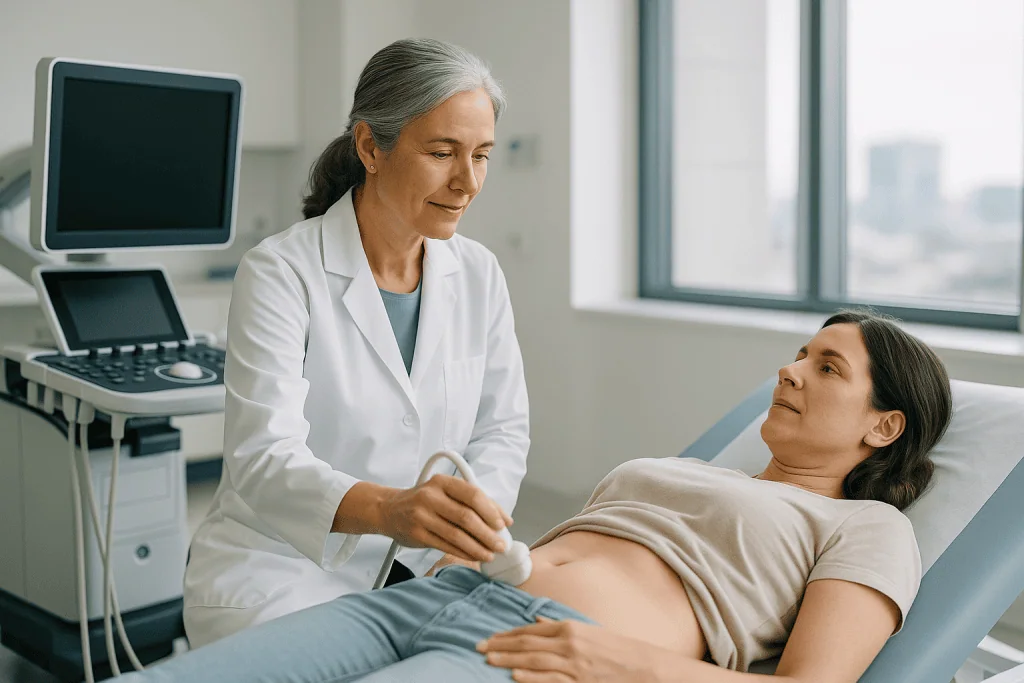
Abdominal ultrasound is usually the first imaging test, and often the only one needed. It detects stones in the gallbladder, thickening of the gallbladder wall, fluid around the gallbladder and dilation of the bile ducts. When the picture is unclear, or when bile duct stones are suspected, further imaging follows: magnetic resonance imaging of the bile ducts (MRCP) maps the duct system without an incision; endoscopic ultrasound examines the ducts from inside the digestive tract; computed tomography helps in selected complicated cases; and nuclear medicine studies can assess how well the gallbladder actually functions when the anatomy looks normal but the symptoms fit.
For patients coming from another country, previous records are genuinely useful rather than a formality. An earlier ultrasound, CT or MRI, laboratory results and any emergency department notes let the receiving team see how the condition has behaved over time, and that history often determines whether surgery can be planned electively or needs to happen sooner.
What Gallstone Treatment Involves
Gallstone treatment is matched to the problem the stones are causing. Stones found incidentally that cause no symptoms are, in most cases, watched rather than treated. Stones that cause recurrent pain, gallbladder inflammation, bile duct blockage, pancreatitis or infection are treated actively, and the mainstay of active treatment is surgery.
How do you get rid of gallstones?
For stones that cause symptoms, the reliable way to get rid of them is to remove the gallbladder with the stones inside it: an operation called cholecystectomy, almost always performed laparoscopically. Removing individual stones while leaving the gallbladder in place is not the standard approach, because a gallbladder that has formed stones once tends to form them again. Stones that have escaped into the bile duct are removed endoscopically by ERCP. No diet, supplement or “flush” can be relied upon to clear established stones. Dissolving tablets exist but suit only a narrow group of patients, as explained below. You can read about the operation itself in more detail on our gallbladder surgery page.
Laparoscopic cholecystectomy is the most common form of treatment. The surgeon makes several small incisions, inserts a camera and fine instruments, separates the gallbladder from its attachments, clips and divides the cystic duct and cystic artery: the gallbladder’s connections to the bile system and its blood supply, and removes the organ through one of the small openings. Most patients suitable for this approach go home the same day or after one night.
Open cholecystectomy, through a single larger incision, is reserved for situations where inflammation is severe, the anatomy is complex, or safety demands broader access. A surgeon may also begin laparoscopically and convert to open surgery mid-operation. Conversion is not a failure; it is a deliberate safety decision made when the structures cannot be identified clearly enough through the camera.
ERCPendoscopic retrograde cholangiopancreatography, deals with stones that have moved into the common bile duct. A flexible endoscope is passed through the mouth to the point where the bile duct drains into the intestine; contrast imaging locates the stones, and fine instruments retrieve them, widen the duct opening or place a temporary stent. ERCP is frequently followed by gallbladder removal during the same admission or soon afterwards, so the source of future stones is dealt with as well.
Stone-dissolving medication exists but has narrow uses. It works only on certain cholesterol stones, takes months or longer, and stones may return once treatment stops. It is occasionally considered for patients who cannot safely have surgery. Whether it suits any individual case is a decision for the treating doctor, not something to start on your own.
Who May Need Gallstone Treatment
Not everyone with gallstones needs treatment, and certainly not immediately. The decision rests on three questions: are the stones causing symptoms, have complications already occurred, and does the patient carry risk factors that make future attacks more likely or more dangerous? Because gallstone symptoms overlap so heavily with other conditions, a careful diagnostic work-up comes before any of those questions can be answered properly.
Treatment is commonly recommended when gallstones cause repeated pain attacks, inflammation of the gallbladder, bile duct blockage, gallstone-related pancreatitis or infection. It may also be considered when the gallbladder functions poorly and the symptoms fit, when polyps coexist with stones or symptoms, or when imaging shows high-risk gallbladder findings that warrant surgical assessment. Each of these indications is weighed individually: the same ultrasound finding can mean observation for one patient and prompt surgery for another.
Patients who travel internationally for gallstone care usually arrive at that decision after repeated emergency visits at home, conflicting advice about the timing of surgery, concern about a possible blocked duct, or a wish to have diagnosis, operation and recovery planning handled within one medical system. A sound plan covers more than the operation: it accounts for safe anaesthesia, coexisting conditions such as diabetes or heart disease, and a realistic timetable for the journey home.
Conditions Gallstone Treatment Addresses
Gallstone treatment covers a spectrum of gallbladder and bile duct problems. The most common indication is symptomatic cholelithiasis: gallstones producing pain or digestive symptoms consistent with biliary colic. Once attacks have started they tend to recur, because the stones remain in the gallbladder between episodes, which is why gallbladder removal, rather than waiting for the next attack, is usually recommended.
Acute cholecystitis develops when a stone blocks the cystic duct and the gallbladder becomes inflamed. The pain is persistent rather than episodic, often with fever, tenderness and raised inflammatory markers on blood tests. Treatment may involve hospital admission, intravenous fluids, antibiotics, pain relief and surgery; early laparoscopic cholecystectomy is frequently preferred when the patient’s condition allows it.
Choledocholithiasis means stones in the common bile duct. These can block bile drainage and cause jaundice, abnormal liver tests, infection or pancreatitis. Treatment usually combines ERCP to clear the duct with gallbladder removal to prevent the next stone taking the same path.
Cholangitis is infection of the bile ducts, almost always on the back of an obstruction. It can escalate quickly and calls for urgent care, antibiotics and drainage of the blocked duct. Once the patient is stable, the gallbladder, the source of the stones, is usually dealt with definitively.
Gallstone pancreatitis occurs when a stone blocks, briefly or persistently, the shared drainage point of the bile duct and pancreatic duct. The resulting inflammation of the pancreas ranges from mild to life-threatening. After the acute episode settles, gallbladder removal is commonly recommended to reduce the chance of it happening again.
In selected cases, treatment is also considered for gallbladder sludge, for polyps found alongside stones or symptoms, for porcelain gallbladder, and for other gallbladder findings that raise concern about future complications. These are individualised decisions, made jointly by surgeons and gastroenterologists rather than read off a checklist.
How Gallstone Treatment Is Performed
Good gallstone treatment starts well before the operating room. It depends on confirming the diagnosis, establishing whether stones are confined to the gallbladder or have moved into the duct, and assessing fitness for anaesthesia. At Acibadem, this evaluation may involve general surgeons, gastroenterologists, anaesthesiologists and radiologists, joined where needed by specialists in cardiology, endocrinology, infectious diseases or intensive care.
Preparation Before Treatment
Before surgery you can expect blood tests, a review of your imaging, an anaesthesia assessment and a detailed conversation about your medical history and current medicines. Whether any regular medicine, blood thinners and diabetes drugs are the usual examples, needs adjusting before the operation is a decision your treating doctor makes and explains; nothing should be changed on your own initiative. If there is fever, jaundice, pancreatitis or abnormal liver tests, the team investigates the bile duct before proceeding, because the sequence of treatment changes if duct stones are present. You will be asked not to eat or drink for a defined period before anaesthesia, and the surgeon will walk you through the planned approach, the expected recovery and the possibility of additional procedures. For patients travelling for care, preparation also covers documentation, interpreter support where needed, the expected length of stay and follow-up arrangements, so that the clinical plan and the practical plan move together.
During Laparoscopic Gallbladder Removal
Laparoscopic cholecystectomy is performed under general anaesthesia. The operation follows a deliberate sequence:
- Step 1. You are anaesthetised and continuously monitored; you are asleep throughout.
- Step 2. The surgeon makes several small incisions in the abdomen, and carbon dioxide gas gently creates working space.
- Step 3. A slender camera provides a magnified view of the gallbladder, liver, ducts and surrounding tissue on a surgical monitor.
- Step 4. The surgeon identifies the cystic duct and cystic artery: the gallbladder’s connections to the bile drainage system and blood supply. Unambiguous identification of this anatomy is the critical safety step of the whole operation.
- Step 5. The duct and artery are clipped and divided.
- Step 6. The gallbladder is separated from its bed on the underside of the liver.
- Step 7. The gallbladder, stones inside, is placed in a protective retrieval bag and removed through one of the small incisions.
- Step 8. The gas is released, the incisions are closed, and you wake in a monitored recovery area.
In some operations, imaging of the bile ducts is performed during surgery if there is concern about duct stones or the anatomy is unclear. If inflammation is severe or scarring extensive, the surgeon may modify the technique or convert to open surgery. That decision is made for one reason only: it is the safest way to finish the operation.
When ERCP Is Needed
ERCP is not part of every gallstone treatment. It is reserved for patients with jaundice, dilated bile ducts, liver tests suggesting obstruction, cholangitis, or imaging that shows stones in the common bile duct. Depending on the situation, it may be performed before, during or after gallbladder surgery. During the procedure, a gastroenterology specialist passes a flexible endoscope through the mouth into the small intestine, uses contrast imaging to map the duct, and removes stones, widens the duct opening or places a temporary stent as required. When both ERCP and surgery are needed, their timing is coordinated deliberately, close enough together to prevent a new obstruction forming in the gap between them.
Technology Used in Diagnosis and Treatment
Modern gallstone care rests on accurate imaging, minimally invasive surgical systems, careful anaesthesia monitoring and endoscopic tools. High-resolution ultrasound detects stones and inflammation; cross-sectional and dedicated bile duct imaging clarify complex cases; laparoscopic camera systems let surgeons operate through small incisions with magnified vision; energy devices help control bleeding and separate tissue; and endoscopic equipment treats duct stones without any external incision at all.
The value of this technology is not that it is impressive: it is that it supports safer decisions. Better imaging distinguishes uncomplicated gallstones from duct obstruction, so patients are neither under-treated nor exposed to procedures they do not need. Minimally invasive instruments reduce tissue trauma. Continuous anaesthesia monitoring protects patients with other medical conditions. Shared digital records let the surgical, endoscopic and radiology teams compare findings and agree the correct sequence of care rather than working in isolation.
How long does the operation take, and how long will you stay?
A straightforward laparoscopic cholecystectomy usually takes about one to two hours, though the total time in the operating area is longer because of anaesthesia preparation and recovery monitoring. Severe inflammation, previous abdominal surgery, bile duct evaluation or conversion to open surgery can extend it. Many patients leave hospital the same day or after one overnight stay, depending on the timing of surgery, pain control, nausea and general medical status. Patients treated for acute cholecystitis, pancreatitis, cholangitis or duct stones should expect a longer admission, and open surgery involves a longer hospital stay and recovery than the laparoscopic approach.
In the first hours and days after surgery, you will be encouraged to walk early, breathe deeply, drink fluids as tolerated and return gradually to light foods. Shoulder discomfort from the laparoscopic gas, mild abdominal soreness, fatigue and temporary changes in bowel habit are all common and expected. Discomfort is managed with prescribed medication and typically eases steadily over several days.
Why Acting Early Matters
Gallstones that have caused symptoms once usually do so again. A single attack can feel manageable in retrospect, but each episode of obstruction gives the gallbladder another chance to become inflamed, lets bacteria take hold, or sends a stone into the bile duct. The practical consequence of delay is that an operation which could have been planned calmly becomes an urgent admission instead, and urgent surgery in the presence of infection, pancreatitis or heavy inflammation is a more complex undertaking.
Early evaluation matters most when the pattern changes: pain lasting longer than a few hours, pain with fever or persistent vomiting, or pain accompanied by yellowed eyes, dark urine or pale stools. That combination suggests bile is no longer draining properly. A blocked, infected duct can deteriorate quickly, and gallstone pancreatitis can become severe enough to affect other organs. These complications are treatable, but they narrow the options and raise the stakes.
Acting early keeps the treatment on your terms. It gives the team time to review imaging properly, stabilise other medical conditions, plan any medication changes safely with your doctor, and coordinate endoscopic treatment if a duct stone is found. For patients travelling for care, it also avoids the two worst scenarios: flying during an unstable attack, or needing emergency treatment far from any plan.
Benefits of Gallstone Treatment
The benefits depend on your specific diagnosis, but the common thread is the same: relieving the symptoms you have now and reducing the risk of the complications that follow untreated stones.
| Benefit | What It Means for You |
|---|---|
| Relief from recurrent biliary pain | Removing the gallbladder removes the usual source of gallstone attacks, helping many patients return to normal eating and daily life without repeated episodes of upper abdominal pain. |
| Lower risk of gallbladder inflammation | Treatment reduces the chance of future acute cholecystitis, which can require urgent hospitalisation and becomes harder to treat once inflammation is severe. |
| Management of bile duct obstruction | When stones enter the common bile duct, ERCP and coordinated surgical care relieve the blockage, restore bile drainage and reduce the risk of infection and jaundice. |
| Protection against recurrent gallstone pancreatitis | For patients who have had pancreatitis caused by gallstones, removing the gallbladder after appropriate stabilisation reduces the likelihood of another gallstone-triggered episode. |
| Minimally invasive recovery in many cases | Laparoscopic surgery usually means small incisions, less postoperative discomfort than open surgery, and a faster return to normal activities for suitable patients. |
Recovery Timeline After Gallbladder Surgery
Recovery varies with the severity of the condition and the type of procedure, but after an uncomplicated laparoscopic cholecystectomy most patients follow a broadly similar pattern.
| Time Period | What Patients Can Expect |
|---|---|
| Day 1 | You wake in a monitored recovery area, begin drinking fluids when it is safe, and are encouraged to walk. Mild abdominal soreness, shoulder discomfort from the gas, nausea or fatigue can all occur. |
| First Week | Discomfort usually improves day by day. Light walking is encouraged. Most patients eat small, simple meals and avoid heavy lifting. Temporary bloating or loose stools are common. |
| First Month | Most patients return to normal daily activities and gradually broaden their diet. Exercise and lifting resume on the surgeon’s instructions, as the incisions heal. |
| Longer Term | The body adapts to bile flowing directly from the liver into the intestine. Most people eat a broad, unrestricted diet, though some prefer to limit very fatty meals if these trigger digestive symptoms. |
Most people return to desk-based work and everyday routines within one to two weeks of laparoscopic surgery; strenuous exercise and heavy lifting wait longer, on the surgeon’s advice. Return travel is a separate question with its own variables: the procedure performed, your mobility, how well discomfort is controlled, whether any complication occurred, and the length of the flight. The practicalities are covered in detail in our guide to flying after gallbladder surgery.
Factors That Influence Outcomes
A good result after gallstone treatment depends on accurate diagnosis, correct timing, technically safe surgery and sensible management of your overall health. Timing carries particular weight: elective surgery for recurrent biliary colic is usually more straightforward than an operation performed mid-emergency, in the presence of infection, pancreatitis or heavy inflammation. Urgent treatment is sometimes necessary and entirely appropriate, but where a choice exists, planned surgery is the easier road.
The bile duct question shapes the pathway too. If duct stones are missed, symptoms can persist after the gallbladder is removed. If ERCP is performed when it was not needed, the patient is exposed to avoidable procedural risk. Getting this right depends on careful interpretation of symptoms, blood tests and imaging together, no single test settles it alone.
Patient factors matter as well. Diabetes, obesity, heart or lung disease, liver disease, pregnancy, blood-thinning medication and previous abdominal operations can all affect the plan. None of these necessarily rules out treatment; they change its timing, the anaesthesia strategy, occasionally the surgical technique, and how closely you are monitored afterwards.
Surgeon experience and team communication count for a great deal in an operation this common. The bile ducts are small, anatomical variation is frequent, and safe technique rests on one discipline above all: identifying structures beyond doubt before dividing anything, with readiness to use additional imaging or an alternative approach whenever certainty is lacking.
Your own part in recovery is real. Early walking, hydration, wound care, avoiding heavy lifting until cleared, and taking medicines exactly as prescribed all support healing. Your surgical team will explain which warning signs need review after discharge: the usual list includes fever, worsening abdominal pain, persistent vomiting, yellowing of the skin or eyes, increasing redness or drainage at the incisions, chest pain, breathlessness and calf swelling, so that anything unexpected is assessed rather than waited out.
Diet after gallbladder surgery is a gradual return, not a permanent restriction. The gallbladder stores bile; it does not make it, and the liver carries on producing bile after the operation. Most patients start with light meals and work back to a normal diet over weeks. Some notice temporary diarrhoea or urgency, particularly after fatty meals; if that persists, medical review can identify dietary strategies or treatments that help.
Gallstone Care at Acibadem
International patients weighing up gallstone treatment usually want more than an operation. They want a clear diagnosis, a safe sequence of treatment, experienced physicians and honest communication about what is known and what still needs clarifying. At Acibadem, gallstone care is organised around exactly that: evidence-based evaluation and coordination among the specialties involved, general surgery, gastroenterology, radiology, anaesthesiology and internal medicine, with additional specialists brought in when complications, pregnancy, advanced age or significant medical conditions demand it.
Structured diagnostic pathways help distinguish uncomplicated gallstones from conditions needing urgent endoscopic or surgical management. Imaging specialists review ultrasound, CT, MRI and dedicated bile duct studies where needed; gastroenterology teams perform endoscopic assessment and treatment of duct stones when indicated; surgical teams plan the laparoscopic or open approach around your anatomy, the degree of inflammation and safety considerations. Multidisciplinary review is especially valuable when the picture is not simple, duct stones, pancreatitis, complex imaging findings or previous abdominal surgery.
Treatment planning is genuinely individual. A patient with mild recurrent biliary colic may need elective laparoscopic surgery after routine preoperative testing. A patient with jaundice and abnormal liver tests may need duct imaging, and possibly ERCP, before any operation. A patient recovering from gallstone pancreatitis needs timing that lets the pancreas settle first. A patient on blood-thinning medication needs additional clearance and a medication plan agreed by the treating doctors. The pathway is matched to the clinical situation, not applied off a shelf.
For patients travelling for treatment, Acibadem International coordinates the practical layer around the clinical one: appointment planning, medical record transfer, interpreter assistance in multiple languages, admission guidance and follow-up recommendations for the return home. Travel itself is planned with the same care, nobody should fly during an unstable gallbladder attack, an untreated infection or active pancreatitis, and after treatment the care team advises individually on walking during flights, hydration, wound care and what to watch for once home.
Making the Decision
Gallstones are common; the right decision about them is personal. Some people need nothing more than observation. Many benefit from planned laparoscopic gallbladder removal before the next attack chooses its own timing. A smaller group, those with duct obstruction, infection or pancreatitis, need urgent, coordinated care in which the sequence of ERCP and surgery matters as much as either procedure alone.
Whatever path applies to you, the decision rests on the same foundations: an accurate account of your symptoms and previous attacks, blood tests, good imaging, and a clear-eyed assessment of your overall health. Previous ultrasound images, laboratory results, hospital records and medication lists all sharpen that assessment, whichever team carries it out. Understood properly, gallstone treatment is not a leap into the unknown: it is one of the best-mapped decisions in abdominal surgery, with a well-established operation at the end of it and a recovery most patients find shorter than they feared.
Preparation
- Evaluation usually includes blood tests and abdominal ultrasound, and sometimes MRCP or endoscopy if bile duct stones are suspected. Patients may be asked to stop certain blood-thinning medicines before surgery. Fasting is typically required from midnight before the procedure.
Aftercare
- Most patients walk the same day and gradually return to light daily activities within a few days. A low-fat diet may be recommended temporarily while digestion adjusts. Wound care, prescribed medicines and follow-up visits are important, and urgent care is needed for fever, severe pain or jaundice.
Frequently Asked Questions
What affects the cost of gallstone treatment?
The main factors are symptom severity, inflammation, bile duct involvement, required imaging, surgical approach, anaesthesia, hospital stay, surgeon and hospital selection, and whether an additional endoscopic procedure is needed.
How can I get a personalised quote for gallstone surgery in Turkey?
You can request a free consultation and share your ultrasound, blood tests, medical history and current symptoms. The team can review your case and prepare a personalised estimate based on the recommended treatment plan.
Does a package usually include everything I need?
Packages often include defined services such as consultation, surgery, anaesthesia, hospital stay and in-hospital care. Additional imaging, unexpected procedures, longer stay, complications, travel and accommodation may be separate, so the package details should be reviewed carefully.
Will I need surgery for every gallstone diagnosis?
Not always. Some gallstones are found incidentally and may only need observation. Symptomatic gallstones, infection or bile duct blockage often require active treatment, and a specialist should decide the safest option.
Can international patients receive help with travel and language support?
Many international patient departments can help coordinate appointments, interpreters, transfers and practical hospital arrangements. Availability and what is included should be confirmed before travel.
Medically reviewed by the Acıbadem International Medical Board September 1, 2026
See our medical review board →
Update history
- PublishedJune 8, 2026
- Medical review approvedSeptember 1, 2026
- Last content updateSeptember 8, 2026
References2
- Gallstones nhs.uk
- Gallstones medlineplus.gov
Trusted care for international patients
From the Acibadem Blog

Gallstones in Pregnancy, Diabetes or Older Age: How the Treatment Plan Is Adapted
Gallstones during pregnancy treatment usually starts with pain control, a short period of rest from fatty meals, and close monitoring, because most stones settle…

Gallstone Surgery Recovery: Walking the Same Day, Light Activity Within Days, Then Normal Life
After keyhole gallbladder surgery, most people are walking within hours, go home the same day or the next, and manage light activity within a…
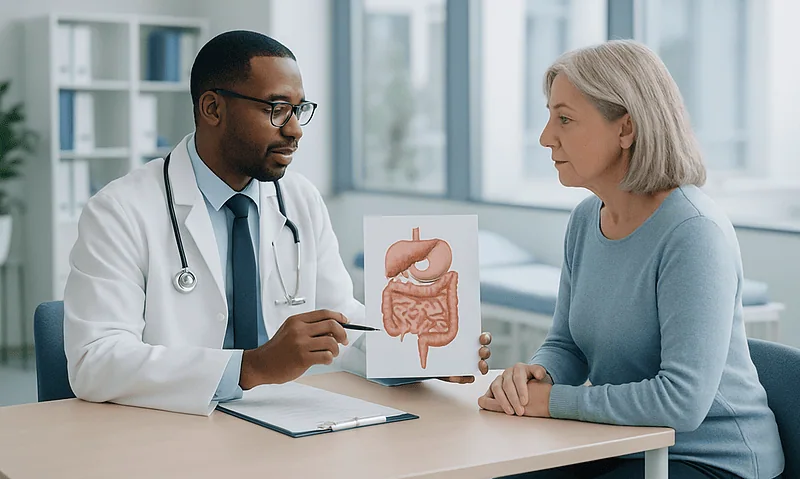
What Changes After Gallbladder Removal? How Digestion Adjusts Over the Long Term
After gallbladder removal, bile flows from the liver into the small intestine in a steady trickle instead of being stored and released with meals.…