Fecal Incontinence Treatment
Fecal incontinence treatment helps control accidental stool leakage through lifestyle changes, medication, pelvic floor therapy, biofeedback, or surgery when needed after specialist evaluation.
Quick answer
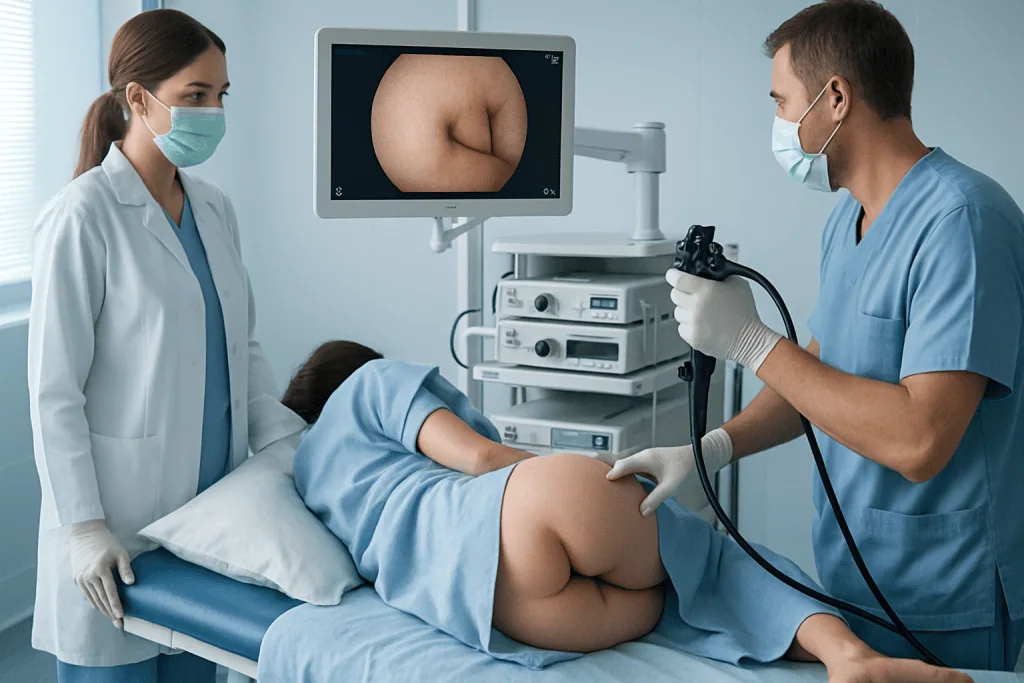
Fecal incontinence is the involuntary leakage of stool, mucus or gas from the rectum. Treatment is stepwise: specialists first identify the cause through history, examination and tests such as anorectal manometry or endoanal ultrasound, then combine dietary adjustment, medication, pelvic floor therapy and biofeedback. Procedures or surgery, sphincter repair, prolapse correction, neuromodulation, are reserved for defined structural problems.
What Is Fecal Incontinence?
Fecal incontinence is the involuntary loss of stool, mucus or gas from the rectum. It is a symptom, not a single disease: leakage can come from weakened anal sphincter muscles, nerve damage, altered rectal sensation, loose stool, retained hard stool, structural problems such as prolapse, or a combination of these. Treatment exists for each of these mechanisms, which is why an accurate diagnosis matters more than any single procedure. Many people delay seeking care because they feel embarrassed, assume leakage is an unavoidable part of ageing, or fear the only answer will be an operation. In practice, meaningful improvement is often possible through bowel habit management, pelvic floor rehabilitation, medication and, only when the anatomy calls for it, surgery.
The pattern of leakage matters, because each pattern points to a different mechanism. Urge incontinence means you feel a strong need to pass stool but cannot hold it long enough to reach a toilet. Passive incontinence means stool leaks without warning or awareness, which often suggests reduced sphincter tone, impaired sensation or a nerve-related problem. Seepage means staining or small leaks after pooping, which can relate to incomplete emptying, haemorrhoids, rectal prolapse, anal scarring or stool consistency. Some people leak only when stool is loose; others leak despite perfectly formed stool. A specialist listens for these distinctions before recommending anything.
People describe the problem in many different ways, and search for it in many different ways too. You may see it called accidental bowel leakage, bowel incontinence, or loss of bowel control, often typed into search engines as “bowl control”. Some queries describe the involuntary passage of fecal excrement, the clinical way of saying stool escapes without permission. Others use dramatic phrases such as “bowels burst” to describe an episode that arrived without warning. To be clear: nothing has burst or ruptured. What has failed is the control system: the muscles, nerves and sensations that normally let you decide when and where defecation happens. Naming the problem accurately is the first step towards treating it.
Fecal incontinence affects adults of every age, though it becomes more common in later life and after childbirth-related pelvic floor injury. It also follows anal or pelvic surgery, radiation treatment, and neurological conditions such as diabetes-related neuropathy, stroke or multiple sclerosis. Because so many systems contribute to continence: the sphincter muscles, the pelvic floor, the nerves, the rectum’s storage capacity and the stool itself, effective care usually involves more than one discipline: colorectal surgery, gastroenterology, pelvic floor physiotherapy, radiology, nutrition and continence nursing, with urology, gynaecology, neurology or oncology added when the history requires it.
The consequences of leaving fecal incontinence unaddressed go beyond the leakage itself. Untreated, it can lead to social withdrawal, skin irritation and breakdown, urinary symptoms, recurrent infections, falls in older adults rushing to the toilet, and a steady erosion of confidence around work, travel, intimacy, exercise and eating out. Much of the daily burden is the planning: knowing where every bathroom is, restricting meals before leaving home, carrying spare clothing. These are real medical harms, and they are the reason evaluation is worthwhile even when episodes are occasional.
What causes fecal incontinence?
Fecal incontinence is caused by anything that disrupts the balance between stool arriving in the rectum and the body’s ability to hold it. The most common contributors are loose stool, weakened or injured anal sphincter muscles, impaired nerve signalling, reduced rectal sensation, diminished rectal storage capacity, and structural problems such as rectal prolapse or rectocele. Often several factors act together: a modest sphincter weakness that never caused trouble becomes symptomatic the moment stool turns liquid.
Stool consistency deserves particular emphasis. Even a healthy sphincter struggles to hold frequent liquid stool, so chronic diarrhoea from irritable bowel syndrome, infection, bile acid malabsorption, food intolerance, inflammatory bowel disease or medication side effects can produce leakage on its own. Constipation causes the opposite problem: hard stool retained in the rectum stretches the rectal wall, dulls sensation, and allows liquid stool to slip around the blockage, so-called overflow leakage, which patients often mistake for diarrhoea.
Structural and neurological causes complete the picture. Sphincter tears during vaginal delivery, especially with forceps, large babies, prolonged labour or severe perineal tears, may cause symptoms immediately or decades later as tissues age. Anal surgery, fistula treatment, trauma and pelvic operations can leave scarring or muscle defects. Diabetes, spinal cord injury, stroke, multiple sclerosis, Parkinson’s disease and pelvic radiation can each impair sensation, coordination or muscle strength. Because the causes are so varied, the treatment that helps one person may be entirely wrong for another.
What is leaking bowel syndrome?
If you are asking what is leaking bowel syndrome, the honest answer is that it is not a formal medical diagnosis: it is an informal phrase people use when stool, mucus or gas escapes without control, and the medical term for that symptom is fecal incontinence or accidental bowel leakage. The phrase is sometimes confused with “leaky gut”, a separate and much-debated concept about intestinal permeability that has nothing to do with visible stool leakage.
When someone describes a “leaking bowel”, a specialist wants to know exactly what leaks and when: liquid or solid stool, mucus alone, or gas; with urgency or without warning; constantly or only after bowel movements. Each answer points towards a different mechanism, diarrhoea-driven urgency, passive leakage from a weak sphincter, post-defecation seepage from incomplete emptying, or mucus from haemorrhoids or prolapse. Translating the informal label into a precise description is the beginning of useful treatment.
Is fecal incontinence a sign of cancer?
Fecal incontinence is usually not caused by cancer; the great majority of cases trace back to stool consistency, sphincter or nerve problems, childbirth injury, or pelvic floor disorders. That said, new bowel leakage is a change in bowel function, and changes in bowel function deserve proper evaluation rather than assumption.
Specialists pay particular attention when leakage appears together with rectal bleeding, unexplained weight loss, persistent diarrhoea, unexplained anaemia, or a marked and sustained change in bowel habits. In these situations colonoscopy is commonly recommended, not because cancer is likely, but because it must be excluded before attention turns to continence itself. A normal investigation is reassuring and allows treatment to focus fully on restoring control.
What Fecal Incontinence Treatment Involves
Fecal incontinence treatment is a structured medical approach to improving control of stool and gas. It may include dietary adjustment, bowel habit training, medication, pelvic floor physiotherapy, biofeedback, management of diarrhoea or constipation, treatment of rectal or anal disease, injectable or neuromodulation therapies in selected cases, and surgery when a correctable structural problem exists. The plan is chosen after detailed assessment by specialists who understand both bowel function and pelvic floor mechanics, not selected from a menu.
Treatment is deliberately stepwise. Conservative measures come first because they are effective for many people, carry little risk, and can continue at home or while travelling. They include adjusting fibre type and quantity, treating diarrhoea, resolving constipation with overflow leakage, reviewing medications that affect stool consistency, and learning bowel emptying techniques and predictable toileting routines. Pelvic floor therapy and biofeedback build on this base by strengthening the external anal sphincter, improving coordination during defecation, and teaching earlier recognition of rectal filling. Procedural and surgical options are reserved for patients whose symptoms trace to sphincter injury, rectal prolapse, fistula, severe haemorrhoidal disease or advanced pelvic floor disorders.
A modern programme is never a single intervention. It combines diagnostic precision with a personalised plan, and it draws on colorectal surgeons, gastroenterologists, pelvic floor physiotherapists, radiologists, nutrition specialists and continence nurses, adding urology, gynaecology, neurology or oncology where the history demands it. This multidisciplinary structure matters most in complex cases: previous childbirth trauma, inflammatory bowel disease, a cancer treatment history, neurological disease, or multiple prior operations.
How do you treat fecal incontinence?
Treatment starts with the least invasive measures that match the cause: making stool formed and predictable, retraining bowel habits, and rehabilitating the pelvic floor, then escalates to procedures or surgery only if a defined structural problem remains symptomatic. In practice that means a first phase of diet, medication and bowel diary work; a second phase of supervised pelvic floor therapy and biofeedback; and a third phase, for selected patients, of injectable bulking agents, neuromodulation, sphincter repair, prolapse surgery or, rarely, a stoma. Skipping the early phases is usually a mistake, because even surgical results depend on stool consistency and muscle training afterwards.
Does fecal incontinence ever go away?
Fecal incontinence can improve substantially, and in some situations resolve, when the driving cause is corrected, for example, when leakage was driven mainly by diarrhoea that responds to treatment, by constipation with overflow, or by a temporary post-surgical or postpartum change that recovers with time and therapy. In other situations, particularly with established nerve damage or long-standing muscle injury, the realistic goal is control rather than disappearance: fewer episodes, more warning time, less pad use, and confidence restored.
What fecal incontinence rarely does is improve on its own while the cause is ignored. Untreated diarrhoea keeps overwhelming the sphincter; unresolved constipation keeps stretching the rectum; an unrepaired prolapse keeps interfering with closure. This is why “wait and see” is a poor strategy compared with a proper evaluation, even when symptoms are still mild.
Who May Need Evaluation and Treatment
Anyone with repeated accidental leakage of stool, mucus or gas that affects daily life can benefit from specialist evaluation. Even occasional episodes matter if they are new, worsening, or accompanied by urgency, bleeding, pain, weight loss, diarrhoea, constipation or a change in bowel habits. Fecal incontinence affects adults of any age, though it is more common in older adults and in people with childbirth-related pelvic floor injury.
Common symptoms include:
- Leakage of liquid or solid stool, or inability to control gas
- Stool staining in underwear, or seepage after pooping
- Urgency after meals and difficulty reaching the toilet in time
- Needing pads, or fear of eating before leaving home
- A sense of incomplete bowel emptying
- Anal pain, irritation, itching or skin breakdown
- Constipation punctuated by sudden loose leakage: the classic overflow pattern, where hard stool blocks the rectum and liquid stool passes around it
Diagnosis begins with a careful conversation. A specialist asks when symptoms started, how often leakage occurs, whether it comes with urgency or without awareness, what stool consistency is like, and whether childbirth, surgery, radiation, neurological disease, diabetes, inflammatory bowel disease or pelvic organ prolapse could be relevant. You may be asked to keep a bowel diary recording stool frequency and form, urgency, diet, medications and leakage episodes: a modest task that often clarifies the mechanism faster than any single test.
Physical examination is usually essential: inspection of the anal area, assessment of sphincter tone, and evaluation for haemorrhoids, fissures, fistulas, prolapse, rectocele, scarring or skin irritation, often with a digital rectal examination. Depending on findings, further tests may follow, anorectal manometry to measure sphincter pressures and rectal sensation, endoanal ultrasound or pelvic imaging to assess sphincter structure, defecography to evaluate pelvic floor movement and prolapse, colonoscopy when bleeding or bowel changes require investigation, and stool or blood tests when infection, inflammation or malabsorption is suspected.
Evaluation is especially valuable when leakage is new, rapidly worsening, associated with rectal bleeding, occurring after pelvic surgery or childbirth, or accompanied by unexplained weight loss or persistent diarrhoea. Careful assessment establishes whether the problem is functional, structural, neurological, inflammatory or mixed, and that classification determines everything that follows.
Conditions and Indications Addressed by Treatment
Fecal incontinence treatment addresses a wide range of underlying conditions, and identifying yours is the point of the diagnostic phase. For many patients the main issue is stool consistency. Loose stool is harder to hold than formed stool, so chronic diarrhoea, whether from irritable bowel syndrome, infection, bile acid diarrhoea, food intolerance, inflammatory bowel disease or medication side effects, contributes directly to leakage. When stool form improves, symptoms often shrink with it.
What causes loose, leaky stools?
Loose, leaky stools are usually caused by something accelerating bowel transit or drawing water into the stool: infections, irritable bowel syndrome, inflammatory bowel disease, bile acid malabsorption after gallbladder or bowel surgery, food intolerances such as lactose, excess caffeine or alcohol, artificial sweeteners, and a long list of medications. Less obviously, severe constipation causes loose leakage through overflow, retained hard stool blocks the rectum while liquid stool escapes around it, so the person reports diarrhoea while the true problem is retention. Distinguishing genuine diarrhoea from overflow is one of the most consequential judgements in the whole evaluation, because the treatments point in opposite directions.
Constipation-related incontinence is treated with bowel retraining, hydration, careful fibre selection, osmotic laxatives, suppositories or enemas as the treating doctor judges appropriate, and evaluation for pelvic floor dyssynergia: a coordination problem in which the muscles push and squeeze at the wrong moments during defecation.
Anal sphincter injury is another major indication. Damage may occur during vaginal delivery, particularly with forceps, large babies, prolonged labour or severe perineal tears, and symptoms may appear soon after childbirth or decades later as tissues and nerves change with age. Injury also follows anal surgery, trauma, fistula treatment and pelvic operations. When imaging confirms a defined sphincter defect and symptoms are significant, surgical repair may be discussed.
Pelvic floor disordersrectal prolapse, internal intussusception, rectocele, enterocele and pelvic organ prolapse, interfere with normal rectal emptying and closure. Some patients empty incompletely and then seep; others struggle to distinguish gas from stool. These conditions may need pelvic floor therapy, bowel management or surgery depending on severity and anatomy. Pelvic floor weakness rarely respects boundaries between organs: many patients have bowel and bladder symptoms together, which is why evaluation sometimes extends to urinary incontinence or stress urinary incontinence in the same pathway.
Neurological conditionsdiabetes, spinal cord injury, stroke, multiple sclerosis, Parkinson’s disease, peripheral neuropathy and prior pelvic radiation, reduce sensation, coordination or sphincter strength. Treatment here typically emphasises predictable bowel routines, optimised stool consistency, pelvic floor training where feasible, skin protection, and selected advanced therapies.
Finally, treatment may be indicated after colorectal cancer therapy, inflammatory bowel disease surgery, anal fistula procedures or radiation, where control is influenced by scarring, altered rectal capacity, urgency, inflammation or prior reconstruction. These patients need coordinated care, and a careful review of previous operative reports and records is particularly valuable when seeking a second opinion.
How Fecal Incontinence Treatment Is Performed Step by Step
Preparation and Specialist Evaluation
Treatment begins long before any procedure is considered. A typical pathway runs as follows:
- Comprehensive consultation: symptom history, medical and surgical history, childbirth history, medication review, and an honest discussion of quality-of-life impact, urgency, passive leakage, gas control, pad use, triggers such as meals, caffeine, stress or travel.
- Bowel diary and record review: tracking stool form and frequency alongside diet and medications, plus review of previous colonoscopy reports, imaging, operative notes, childbirth injury documentation, pathology or radiation records where they exist.
- Physical examination: inspection, sphincter tone assessment, and evaluation for structural findings.
- Targeted testing: chosen to answer specific clinical questions rather than performed by routine.
- Treatment plan: built on the confirmed mechanism, starting conservative and escalating only where needed.
Testing is tailored to the individual. Anorectal manometry measures resting and squeeze pressures, rectal sensation and coordination during simulated defecation. Endoanal ultrasound shows whether the internal or external anal sphincter is intact or injured. Pelvic MRI or dynamic defecography evaluates pelvic floor descent, rectal prolapse, rectocele and incomplete emptying. Colonoscopy is recommended when symptoms suggest inflammation, polyps, cancer or other bowel disease. Which tests you need depends on age, symptoms, risk factors and what has already been done, good practice avoids duplicating investigations that were recently completed elsewhere.
Conservative and Medical Treatment
Most patients begin with conservative treatment. This does not mean the symptoms are considered mild or unimportant; it means bowel control genuinely improves for many people when stool consistency, bowel timing and pelvic floor coordination are optimised. Dietary work includes adjusting fibre type and amount, identifying foods that provoke urgency, moderating caffeine or alcohol, and improving hydration. The target is almost always the same: a formed, predictable stool that is easier to hold.
Medication may address diarrhoea, urgency, constipation, inflammation or bile acid-related symptoms, always chosen and adjusted by the treating doctor. Anti-diarrhoeal medicines can slow transit and firm the stool for some patients; others need laxatives or scheduled bowel-emptying regimens to prevent overflow leakage. Where infection, inflammatory bowel disease, microscopic colitis, malabsorption or medication-related diarrhoea is suspected, the underlying cause is treated rather than merely suppressing symptoms.
Skin care runs alongside everything else. Repeated leakage causes irritation, itching, pain and breakdown, so barrier creams, gentle cleansing, moisture control and appropriate pads or protective garments are recommended while the main plan takes effect. These measures improve comfort and prevent secondary complications; they are part of treatment, not a substitute for it.
How can you stop bowel incontinence?
Bowel incontinence is stopped, or brought under control, by treating its specific cause, not by any single universal remedy. For diarrhoea-driven leakage, that means firming the stool through diet and doctor-directed medication. For overflow leakage, it means clearing retained stool and retraining regular emptying. For weak or poorly coordinated muscles, supervised pelvic floor therapy and biofeedback rebuild strength and timing. For sphincter defects, prolapse or other structural problems, procedures or surgery correct the anatomy. Most people need a combination, and the combination only becomes clear after evaluation. What consistently does not work is silence: restricting food, staying home and hoping the problem fades tends to entrench it instead.
Is Imodium effective in treating bowel incontinence?
Loperamide, sold as Imodium, can help selected patients whose leakage is driven by loose stool or rapid transit, because it slows the bowel and produces firmer stool that is easier to hold; it may also modestly support resting sphincter tone. It is not effective, and can be counterproductive, when the underlying problem is constipation with overflow, since firming stool further worsens the blockage. Whether it belongs in your plan, at what dose and for how long is a judgement for your treating doctor after the mechanism of your leakage is established, which is precisely why evaluation comes before medication.
Pelvic Floor Therapy and Biofeedback
Pelvic floor rehabilitation is central for many patients, and it is considerably more than “doing Kegels”. A trained therapist evaluates muscle strength, endurance, timing, coordination and awareness, then builds a programme that may include targeted exercises for the anal sphincter and pelvic floor, urge suppression techniques, breathing and relaxation strategies, bowel emptying posture, and education about how the pelvic floor actually works during continence and defecation.
Biofeedback makes invisible muscle activity visible. Sensors measure sphincter activity or rectal sensation and display the information in a form you can act on, teaching you to contract the correct muscles, sustain a squeeze, respond earlier to rectal filling, and relax appropriately during bowel movements. It is particularly useful when symptoms stem from reduced sensation, a weak squeeze, urgency, or poor coordination rather than pure structural damage.
The number of sessions varies. Some patients notice improvement within weeks; others need a longer programme with ongoing home exercises. The best results come when therapy follows an accurate diagnosis and the patient practises consistently between appointments, participation is not optional in this treatment; it is the treatment.
Procedural and Surgical Options When Needed
If conservative treatment falls short, further options are considered against the cause of leakage, the state of the sphincter muscles, rectal function, prior surgery and overall health. Selected patients with passive leakage may be candidates for injectable bulking therapies that improve anal closure. Others may benefit from neuromodulation, which influences nerve signalling between the pelvic floor, rectum and brain. Both approaches require careful patient selection and structured follow-up; neither suits everyone.
When a clear sphincter defect exists, most often after obstetric injury or trauma, sphincter repair may be discussed. The damaged ends of the muscle are identified and brought together to restore the closure mechanism. Results vary with the age of the injury, nerve function, stool consistency, tissue quality and any associated pelvic floor problems, which is why repair is proposed only after imaging confirms the anatomy and after a frank conversation about both expected benefits and limitations.
For rectal prolapse or significant structural pelvic floor disorders, surgery focuses on correcting the prolapse or restoring pelvic support, which can improve leakage when the prolapse has been interfering with sphincter closure or rectal emptying. Complex cases, prior operations, inflammatory bowel disease, cancer treatment, multiple coexisting pelvic conditions, may be reviewed by a multidisciplinary board before a surgical plan is fixed.
In rare, severe cases where other treatments are inappropriate or have not delivered sufficient control, a stoma may be considered. It is reserved for disabling symptoms, severe tissue damage, complex neurological disease or major quality-of-life impairment. For carefully selected patients a stoma offers reliable bowel management, but the decision requires thorough counselling and support. Patients preparing for any of these operations often want to understand comfort after surgery as well; how Acibadem manages pain after surgery and invasive procedures explains what that side of care involves.
Technology Used in Evaluation and Treatment
Modern fecal incontinence care uses technology to identify the mechanism of leakage and to guide treatment rather than to impress. Pressure-based testing evaluates sphincter strength and rectal sensation. Ultrasound and pelvic imaging reveal muscle defects, scarring, prolapse and pelvic floor movement. Endoscopy examines the colon and rectum when symptoms suggest inflammation, bleeding or structural disease. In therapy, biofeedback systems let patients see or hear their own muscle activity so training becomes precise. In the operating theatre, minimally invasive approaches are used for selected pelvic floor and rectal prolapse procedures, depending on anatomy and indication.
Typical Duration and Recovery
Duration depends entirely on the chosen approach. A diagnostic consultation and testing can often be completed over a short planned visit, though some tests require scheduling and preparation. Conservative medical treatment begins immediately and is adjusted over several weeks. Pelvic floor therapy runs as a series of sessions plus a home programme. Procedural therapies may be day procedures or short-stay interventions in selected cases. Surgical recovery ranges from brief, after minor procedures, to several weeks after sphincter repair or prolapse surgery.
Recovery is best understood as gradual. Even after successful surgery, bowel control still depends on stool consistency, muscle training, nerve function and habits, so follow-up appointments exist to adjust medication, diet, exercises, wound care and activity levels as the picture evolves. A good plan also includes written instructions, clear warning signs to watch for, and coordination with your regular physicians when longer-term follow-up is needed.
Why Acting Early Matters and the Risks of Delay
Fecal incontinence tends to progress when its cause goes unaddressed. Delay allows episodes to become more frequent and more disruptive: loose stools worsen skin irritation and urgency; constipation with overflow stretches the rectum and blunts sensation further; and pelvic floor weakness becomes harder to retrain once patients reduce activity, restrict eating, or develop anxiety around every bowel movement.
Early evaluation also matters because leakage can be the presenting sign of another condition that needs its own treatment. New leakage alongside rectal bleeding, persistent diarrhoea, unexplained anaemia, weight loss or a major change in bowel habits warrants investigation rather than reassurance by assumption. In some patients, symptoms trace to inflammatory bowel disease, infection, prolapse, nerve injury, medication effects or colorectal disease, and identifying these earlier widens the treatment options and reduces complications.
Delay costs quality of life in a compounding way. People stop travelling, decline restaurant invitations, avoid meetings, give up exercise, and eventually organise entire days around bathroom access. This avoidance is understandable, but it also deconditions the body and entrenches the anxiety, making rehabilitation slower once it begins. Earlier care helps patients recover routines before avoidance patterns harden.
For those who may eventually need surgery, timely assessment defines the anatomy while choices are still broad. A sphincter injury, rectal prolapse or pelvic floor disorder is generally easier to manage when tissue condition, nerve function and general health are evaluated before severe deterioration. Acting early does not mean rushing to an operation; it means understanding the cause and choosing the least invasive pathway that actually addresses it.
Potential Benefits of Fecal Incontinence Treatment
The benefits depend on the cause and severity of symptoms, but patients most commonly seek, and treatment most commonly targets, improvement in the following areas.
| Benefit | What It Means for You |
|---|---|
| Better stool control | Fewer leakage episodes, improved ability to delay bowel movements, and greater confidence in daily activities. |
| More predictable bowel habits | A structured plan for diet, medication, bowel timing and emptying can reduce sudden urgency and uncertainty. |
| Improved pelvic floor function | Therapy and biofeedback may strengthen the anal sphincter, improve coordination, and sharpen awareness of rectal filling. |
| Reduced skin irritation | Less leakage and better skin protection can decrease itching, soreness, odour concerns and inflammation around the anus. |
| Treatment of underlying causes | Diarrhoea, constipation, prolapse, sphincter injury, inflammation or medication effects are identified and managed directly rather than masked. |
| Greater social and travel confidence | Many patients feel more comfortable working, exercising, attending events and travelling once symptoms become manageable. |
Recovery Timeline After Fecal Incontinence Treatment
Recovery varies according to whether treatment involves lifestyle measures, medication, therapy, a procedure or surgery, but the following timeline offers a general guide.
| Time Period | What Patients Can Expect |
|---|---|
| Day 1 | After consultation, patients receive an initial plan for diet, bowel diary, medications, skin care or testing. After minor procedures, most patients go home with instructions for activity, hygiene and warning signs. |
| First week | Medication and stool consistency adjustments may begin to show early effects. Patients starting pelvic floor therapy learn foundational exercises and bowel strategies. After surgery, discomfort, swelling and activity limits are expected. |
| First month | Bowel diary patterns become clearer and the plan is refined. Pelvic floor therapy may begin producing measurable improvements. Surgical patients attend follow-up and gradually increase activity as advised. |
| Two to three months | Conservative and therapy-based plans are reassessed. Patients continue home exercises and medication adjustments, or proceed to further testing if symptoms remain significant. |
| Longer term | Maintaining results usually requires ongoing attention to stool consistency, pelvic floor exercises, diet and follow-up. Patients with complex conditions may need coordinated long-term care with their specialists. |
Factors That Influence Outcomes and a Good Result
Outcomes depend on several interacting factors, and the most important is the cause of leakage. A patient whose symptoms are driven mainly by loose stool may respond well to dietary and medical management, while a patient with a major sphincter defect, rectal prolapse or neurological condition needs a different plan entirely. Accurate diagnosis is therefore not a preliminary step: it is the foundation of a good result.
Stool consistency strongly influences control in both directions. Even a healthy anal sphincter cannot reliably hold frequent liquid stool, so most treatment plans work towards formed, predictable bowel movements. Conversely, overly hard stool and constipation worsen incomplete emptying and overflow leakage. A good plan balances stool form, frequency and ease of evacuation rather than optimising one at the expense of the others.
Sphincter structure and nerve function set the ceiling for some interventions. Imaging shows whether the internal or external sphincter is intact, thinned, scarred or torn; manometry shows whether pressures are reduced and whether rectal sensation is normal, heightened or diminished. Nerve-related weakness or impaired sensation limits what repair alone can achieve and may make therapy or neuromodulation the more relevant tools.
Pelvic floor coordination is a factor in its own right. Some patients have adequate strength but poor timing: they push when they should relax, or cannot contract quickly during urgency. Biofeedback and specialised therapy are valuable here precisely because they train function, not just strength. Patient participation matters correspondingly: home practice and adherence to the bowel plan consistently influence results.
Age, general health, diabetes, obesity, mobility, cognition, medications, prior radiation, inflammatory bowel disease, and previous pelvic or anal operations all shape treatment selection and recovery. For women, childbirth history and associated pelvic organ prolapse may steer the plan; for men, prior prostate, rectal or pelvic surgery may be relevant; for patients with a cancer treatment history, tissue quality and rectal capacity require careful evaluation before anything is proposed.
Finally, a good result is not defined only by the complete absence of symptoms. For some patients, success means fewer accidents, more time to reach the toilet, less pad use, better sleep, less skin irritation, or the confidence to travel again. Setting realistic goals with the medical team clarifies what each treatment can honestly achieve and when an additional step is worth considering, and it protects patients from procedures that promise more than the anatomy allows.
Fecal Incontinence Care at Acibadem
Patients considering care at Acibadem usually want more than a single appointment: a reliable diagnostic pathway, experienced specialists, careful communication, and coordinated support across specialties. Acibadem hospitals provide care through multidisciplinary clinical structures, with access to colorectal surgery, gastroenterology, radiology, pelvic floor rehabilitation, anaesthesia, nursing and related specialties as each case requires.
For fecal incontinence, this coordinated structure matters because the most effective treatment depends on identifying the mechanism behind the symptom. One patient needs evaluation for sphincter injury; another for rectal prolapse, inflammatory bowel disease, constipation with overflow, neurological dysfunction or post-surgical change. In complex cases, findings can be reviewed by specialist teams or multidisciplinary boards so that decisions reflect anatomy, function, medical history and the patient’s own priorities rather than the preferences of a single department.
Diagnostic pathways may include anorectal function testing, endoscopic evaluation, ultrasound, pelvic imaging, laboratory assessment and specialised physiotherapy evaluation, depending on need. The working principle is that technology supports clinical judgement: tests are chosen to answer relevant questions, how strong is the sphincter, is the muscle injured, how does the pelvic floor move, what does the rectum sense, not performed for their own sake.
This condition asks patients to discuss bowel habits, prior procedures and personal concerns in detail, and that conversation only works when it happens with dignity and in language the patient fully understands. Bringing previous colonoscopy reports, imaging, operative notes and, where relevant, childbirth records to the first consultation shortens the diagnostic journey and helps the team avoid repeating tests that were recently completed. Clear communication also runs in the other direction: patients should leave each appointment knowing what the working diagnosis is, which test answers which question, and what the next decision point will be.
Experienced physicians matter not only for performing procedures but for knowing when not to operate. Fecal incontinence can be made worse by treatment aimed at the wrong mechanism, so careful evaluation that distinguishes diarrhoea-driven urgency from sphincter injury, rectal prolapse, pelvic floor dyssynergia, overflow leakage and neurological dysfunction is what keeps treatment targeted, and keeps patients away from interventions that were never going to help them. Some patients arrive for a second opinion after years of symptoms or after being told nothing can be done; others arrive with a surgical recommendation they want tested against their actual diagnosis. Both are legitimate uses of a specialist centre.
Understanding Your Own Symptoms Before an Evaluation
Fecal incontinence is a sensitive condition, but it is a medical problem like any other, and the evaluation goes furthest when the patient arrives able to describe it precisely. It helps to know, before any consultation anywhere, roughly how often leakage happens; whether it involves gas, liquid or solid stool; whether urgency precedes it or it arrives without awareness; what your usual stool form is; and which situations, meals, exercise, travel, stress, make it worse. Previous test results, operative notes and childbirth records, where they exist, shorten the diagnostic journey considerably.
It also helps to think honestly about goals. Some people primarily want the accidents to stop; others most want to sleep through the night, stop wearing pads, or feel safe on a long flight. Treatment plans differ depending on which of these matters most, and specialists build better plans when patients say so plainly. Fecal incontinence is more treatable than most people fear when they first search for answers, through conservative measures, medication, pelvic floor therapy, biofeedback, and procedural or surgical care for defined structural problems. The right path always begins the same way: with understanding the mechanism behind your symptoms.
Preparation
- Assessment may include a medical history, bowel diary, physical examination, and tests such as anorectal manometry, ultrasound, or colonoscopy when indicated. Patients may be asked to adjust medications, follow bowel preparation instructions for certain tests, and share prior surgery or childbirth history.
Aftercare
- Aftercare often includes dietary guidance, bowel habit training, pelvic floor exercises, and prescribed medications or devices. Follow-up visits monitor symptom control and treatment response, while surgical cases may require wound care, activity limits, and a longer recovery plan.
Frequently Asked Questions
What affects the cost of fecal incontinence treatment?
Cost depends on the cause of leakage, diagnostic tests required, whether treatment is conservative or surgical, hospital stay, anaesthesia, implants or devices if used, therapy sessions, and travel-related services. A specialist evaluation is needed before a personalised plan can be prepared.
How can I get a personalised quote from Acibadem?
You can request a free consultation and share your medical history, previous test results, medications, and any imaging or endoscopy reports. The international patient team can then help coordinate specialist review and provide a personalised estimate based on the recommended care plan.
Is surgery always needed for fecal incontinence?
No. Many patients are first assessed for lifestyle changes, medication, pelvic floor physiotherapy, or biofeedback. Surgery or device-based treatment is considered only when appropriate after specialist examination and diagnostic assessment.
Will the quote include pelvic floor therapy or follow-up?
Inclusions vary by treatment plan. Some packages may include consultation, selected tests, treatment, interpreter support, and follow-up guidance, while therapy sessions or additional investigations may be listed separately. The written estimate should be reviewed carefully before travel.
Do I need tests before choosing a treatment option?
Often yes. The specialist may recommend anorectal assessment, imaging, endoscopy, or bowel function tests to identify the cause of leakage. These results help determine whether conservative care, biofeedback, device-based therapy, or surgery is suitable.
Medically reviewed by the Acıbadem International Medical Board September 13, 2026
See our medical review board →
Update history
- PublishedJune 8, 2026
- Medical review approvedSeptember 13, 2026
- Last content updateSeptember 12, 2026
References2
- Bowel Incontinence medlineplus.gov
- Bowel incontinence nhs.uk
Trusted care for international patients
From the Acibadem Blog

Fecal Incontinence Treatment Ladder: Diet and Pelvic Floor Therapy Before Any Surgery
Fecal incontinence treatment options usually follow a stepped ladder. Most people start with diet changes, fiber adjustment, a regular toilet routine and, where needed,…

Fecal Incontinence After Childbirth: Why It Happens and How Pelvic Floor Specialists Help
Fecal incontinence after childbirth usually happens because delivery stretches or tears the anal sphincter muscles or the nerves that control them, most often after…

What Do Anorectal Manometry and Ultrasound Show in Fecal Incontinence Testing?
An anorectal manometry test measures how strongly the anal sphincter muscles squeeze and relax, how well the rectum senses stool, and whether the nerves…