Scalp — Explained by Medical Evidence, Not Myths

The scalp protects the skull and contains hair follicles, oil glands, blood vessels, and nerves. Common scalp concerns include dandruff, dryness, irritation, infection, and inflammatory skin conditions.
Key Takeaways
- The scalp protects the skull and contains hair follicles, oil glands, blood vessels, and nerves.
- Common scalp concerns include dandruff, dryness, irritation, infection, and inflammatory skin conditions.
- Persistent itching, pain, patches of hair loss, or sores on the scalp should be assessed by a clinician.
- Good scalp care focuses on gentle cleansing, avoiding harsh products, and treating the underlying cause rather than myths.
- A scalp problem does not always mean poor hygiene; many conditions are linked to inflammation, genetics, hormones, or infection.
The scalp is the skin and soft tissue covering the top of the head. It protects deeper structures, supports hair growth, and can develop symptoms such as itching, flaking, tenderness, or hair shedding when irritated or affected by a skin condition.
What the scalp is and why it matters
The scalp is the layer of skin and soft tissue that covers the head. It does more than hold hair. The scalp helps protect the skull, cushions underlying tissues, contains a rich blood supply, and supports hair follicles that produce hair shafts. Because it has many oil glands and nerve endings, it can also be sensitive to inflammation, irritation, and changes in skin balance.
Medical evidence shows that scalp symptoms usually have a clear physical explanation. Itching may come from irritation or inflammation. Flaking may be linked to dandruff or seborrheic dermatitis. Tenderness can follow sun exposure, tight hairstyles, or infection. Hair shedding may reflect scalp disease in some people, but it can also happen even when the scalp itself appears normal.
Many common beliefs about the scalp are misleading. A flaky scalp does not always mean dryness, and frequent washing does not automatically damage the scalp when a suitable shampoo is used. In the same way, an oily scalp is not a sign of poor hygiene. The most helpful approach is to look at symptoms in context and identify the cause rather than relying on myths.
How the scalp works
The scalp contains several layers. The outer skin barrier helps keep moisture in and irritants out. Beneath this are hair follicles, sebaceous glands that make oil, connective tissue, blood vessels, and nerves. Together, these structures maintain skin health, regulate oil production, and support normal hair growth.
Hair follicles cycle through stages of growth, rest, and shedding. This means some hair loss is normal every day. However, inflammation around follicles, fungal infections, autoimmune disease, hormonal changes, nutritional deficiencies, or physical traction can interrupt this cycle. In some cases, scalp disease and hair loss occur together, especially with conditions that scar or inflame the follicle.
The scalp also hosts a natural community of microorganisms, including yeasts and bacteria. In healthy balance, these are not harmful. Problems may arise when skin barrier function changes or inflammation increases. That is one reason why some people develop dandruff, folliculitis, or eczema-like symptoms even when they clean the scalp regularly.
Common scalp symptoms and what they may mean

Scalp symptoms can vary widely. Some are mild and short-lived, while others suggest an underlying skin or hair disorder. Symptoms should be assessed based on duration, severity, and whether they are associated with visible skin changes or hair loss.
Common symptoms include:
- Itching or burning
- Flaking or dandruff
- Dryness or tightness
- Greasiness or excess oil
- Redness or rash
- Tenderness or pain
- Pimples, pustules, or crusting
- Patchy or diffuse hair shedding
These symptoms can overlap. For example, an itchy scalp may be caused by dandruff, contact dermatitis from a hair product, psoriasis, or a fungal infection. Tenderness may follow inflammation or styling-related traction. Visible scale with redness can be seen in seborrheic dermatitis or psoriasis. Because different conditions can look similar, self-diagnosis is not always reliable.
Symptoms deserve closer attention when they persist for several weeks, recur often, interfere with sleep, or are accompanied by bleeding, swelling, pus, fever, or noticeable hair thinning. Children with scalp scaling or broken hairs should also be assessed because fungal infections can spread and may require prescription treatment.
What can affect scalp health
Scalp problems usually result from a combination of skin biology, environment, and personal susceptibility. Common causes include dandruff and seborrheic dermatitis, where inflammation and yeast overgrowth contribute to flaking and itch. Dry air, overuse of harsh hair products, hair dye ingredients, and fragranced cosmetics can also irritate the scalp or trigger allergic contact dermatitis.
Inflammatory skin diseases may involve the scalp as well. Eczema can cause itching and sensitivity. Psoriasis often leads to thick, well-defined scale. Folliculitis causes inflamed bumps around hair follicles. Fungal infections, especially tinea capitis, are more common in children but can also affect adults. Sun exposure may irritate a parted or thinning scalp and increase long-term skin damage risk.
Hairstyling practices can also play a role. Tight braids, extensions, and repeated pulling can strain follicles and lead to traction-related hair loss. Heavy oils or occlusive products may worsen buildup in some people. Heat styling and chemical treatments can damage hair fibers and sometimes irritate the scalp skin itself.
Some scalp changes are linked to broader health conditions. Hormonal shifts, stress, autoimmune disease, and nutritional issues may contribute to shedding or sensitivity. Clinicians may also consider related hair loss conditions such as alopecia when scalp symptoms occur with visible thinning or patches of hair loss.
How doctors evaluate scalp concerns
Evaluation begins with a medical history and careful examination. A doctor will usually ask when symptoms started, whether they are itchy or painful, what hair products are used, whether there has been recent illness or stress, and whether hair shedding is occurring. The pattern of redness, scale, bumps, or hair loss often provides important clues.
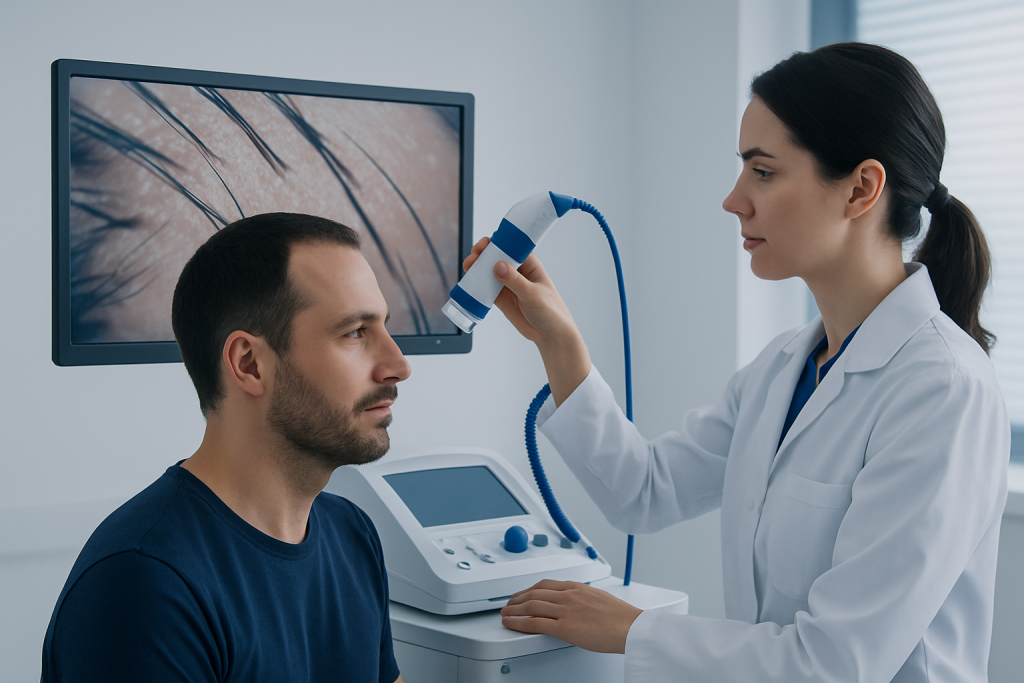
In many cases, diagnosis is clinical, meaning it can be made by inspection. A dermatologist may use dermoscopy to closely examine the scalp and hair follicles. If infection is suspected, samples of scale, hair, or pus may be examined or sent for culture. Patch testing may be considered if allergic contact dermatitis is likely.
Blood tests are not needed for every scalp complaint, but they may be useful when hair loss is significant or when a broader medical condition is suspected. In uncommon situations, a scalp biopsy is recommended to distinguish inflammatory or scarring disorders. This can help guide treatment when the diagnosis remains uncertain.
Accurate diagnosis matters because treatments differ. A moisturizing routine may help simple dryness but would not treat fungal infection. Likewise, an anti-dandruff product may reduce flaking from seborrheic dermatitis but would not address a strong allergy to a hair dye ingredient.
Evidence-based treatment options
Treatment depends on the cause. Mild dandruff or seborrheic dermatitis often improves with medicated shampoos containing active ingredients chosen by a clinician or pharmacist. Contact dermatitis is managed by avoiding the trigger and calming inflammation. Fungal infections usually require prescription antifungal treatment, especially when hair follicles are involved. Folliculitis may need targeted antimicrobial or anti-inflammatory care.
When scalp disease is linked to hair loss, managing the underlying problem is the first step. Some people also benefit from therapies that support hair regrowth after evaluation. Depending on the diagnosis, doctors may discuss options such as hair transplant in selected cases of stable hair loss, although this is not appropriate for active inflammatory scalp disease.
Supportive treatment can also help reduce symptoms. Gentle cleansing removes excess oil, scale, and product buildup. Short-term use of prescribed topical treatments may reduce inflammation and itching. If the scalp is irritated by cosmetic procedures, pausing chemical treatments and switching to fragrance-free products often helps the skin barrier recover.
Persistent or complex cases may need specialist care, especially where hair loss, recurrent infection, or uncertain diagnosis is involved. In some patients, treatment planning may overlap with broader dermatologic care such as dermatology assessment or procedural support. Near the end of the care pathway, Acibadem International’s multidisciplinary specialists in JCI-accredited hospitals diagnose and treat scalp and hair-related conditions for international patients.
Daily scalp care and prevention
Healthy scalp care is usually simple and consistent rather than intense. Washing frequency should match a person’s hair type, scalp oiliness, activity level, and product use. Many people do well with regular cleansing using a gentle shampoo, while others with oilier scalps may need more frequent washing. There is no single correct schedule for everyone.
Useful prevention habits include choosing products suited to sensitive skin, rinsing thoroughly, and avoiding scratching. Tight hairstyles should be limited, especially if they cause pain or bumps. Hair dyes, straighteners, and relaxers should be used carefully and according to instructions, and they should be stopped if burning or rash develops.
Other practical measures include protecting the scalp from sun exposure, especially in areas of thinning hair, and maintaining general health through a balanced diet and stress management. While diet alone does not cure most scalp conditions, overall nutrition supports skin and hair health. Supplements should not be started routinely unless a deficiency or medical need has been identified.
Home remedies should be approached cautiously. Oils, vinegar, or abrasive scrubs may worsen irritation in some people. If symptoms are frequent or severe, the safest strategy is to seek professional advice rather than repeatedly trying new products.
When to seek medical care
Medical care is appropriate when scalp symptoms do not improve with simple measures, keep returning, or are affecting comfort and confidence. A clinician should assess persistent itching, thick scale, visible rash, tenderness, or hair loss. Earlier review is especially important for children, people with weakened immune systems, and anyone with spreading redness or signs of infection.
Prompt assessment is recommended if there are painful lumps, drainage, crusting, fever, bald patches, or sores that do not heal. Rapid hair shedding, burning sensations, or scarring changes also need attention because some scalp disorders can permanently affect follicles if not treated early.
In practical terms, the goal is not to worry about every flake or itch. It is to notice patterns. If symptoms are persistent, unusual, or interfering with daily life, a doctor or dermatologist can help identify the cause and recommend treatment based on evidence rather than myths.
Frequently asked questions
What does the scalp do?
The scalp protects the skull and supports hair growth through its many hair follicles. It also contains oil glands, blood vessels, and nerves that help maintain skin function and sensation.
Why is my scalp itchy even if I wash my hair regularly?
An itchy scalp is not always related to hygiene. Common causes include dandruff, seborrheic dermatitis, irritation from hair products, eczema, psoriasis, or infection. If itching lasts or comes with rash or hair loss, medical advice is helpful.
Is dandruff the same as a dry scalp?
No. Dry scalp usually reflects reduced moisture and may cause small, dry flakes, while dandruff is more often linked to inflammation and oil-related scaling. The two can look similar, which is why treatment should match the cause.
Can scalp problems cause hair loss?
Yes, some scalp conditions can contribute to hair shedding or patchy hair loss, especially if inflammation affects the hair follicles. However, hair loss can also happen for hormonal, genetic, or medical reasons even when the scalp looks normal.
How often should the scalp be washed?
There is no universal rule. Washing depends on hair texture, scalp oiliness, sweating, and product use. The best routine is one that keeps the scalp comfortable without causing irritation or heavy buildup.
When should someone see a doctor for a scalp problem?
Medical review is sensible if symptoms persist for weeks, keep returning, or are accompanied by pain, redness, sores, pus, or noticeable hair loss. Children with scaling or broken hairs should also be evaluated because fungal infections may need prescription treatment.
References
- American Academy of Dermatology
- National Institute of Arthritis and Musculoskeletal and Skin Diseases
- National Health Service
- Mayo Clinic
- American Academy of Family Physicians
This article is for general information only and is not a substitute for professional medical advice. Please consult a qualified doctor about your individual situation.
Hair transplant in Turkey — costs, graft counts & a free assessment
JCI-accredited · board-certified surgeons · reply within 24h