Chamomile Tea for Stomach Acid — Explained by Medical Evidence, Not Myths

Chamomile tea may provide temporary soothing for mild digestive discomfort, but it does not neutralize stomach acid in a proven way. There is limited direct clinical evidence that chamomile tea treats heartburn, acid reflux, or GERD.
Key Takeaways
- Chamomile tea may provide temporary soothing for mild digestive discomfort, but it does not neutralize stomach acid in a proven way.
- There is limited direct clinical evidence that chamomile tea treats heartburn, acid reflux, or GERD.
- Persistent or frequent reflux symptoms should be medically evaluated, especially if they disrupt sleep, swallowing, or daily life.
- Lifestyle measures such as meal timing, avoiding trigger foods, and weight management usually have stronger evidence than herbal remedies.
- Chamomile can cause allergic reactions in some people, especially those sensitive to ragweed or related plants.
Chamomile tea for stomach acid may help some people feel temporary digestive comfort, but medical evidence does not show that it reliably reduces stomach acid or treats reflux disease. It is best viewed as a gentle supportive drink for mild symptoms, not a cure for persistent heartburn, GERD, or ulcer-related pain.
What medical evidence says about chamomile tea for stomach acid
Chamomile tea for stomach acid is often described online as a natural remedy, but the evidence needs careful interpretation. In simple terms, chamomile tea may help some people feel calmer and more comfortable after eating, yet there is not strong clinical proof that it lowers stomach acid, heals reflux, or treats gastroesophageal reflux disease.
Most of the interest in chamomile comes from its traditional use for digestive upset and from laboratory research suggesting anti-inflammatory, antispasmodic, and calming effects. These properties may explain why a warm cup of tea feels soothing. However, feeling soothed is not the same as treating the underlying cause of heartburn, regurgitation, or upper abdominal burning.
This distinction matters because “stomach acid” symptoms can come from several conditions. Some people have occasional indigestion, while others may have acid reflux or more persistent GERD. Chamomile tea may be reasonable as a mild comfort measure for occasional symptoms, but it should not delay diagnosis when symptoms are frequent, severe, or changing.
How stomach acid and reflux symptoms actually happen
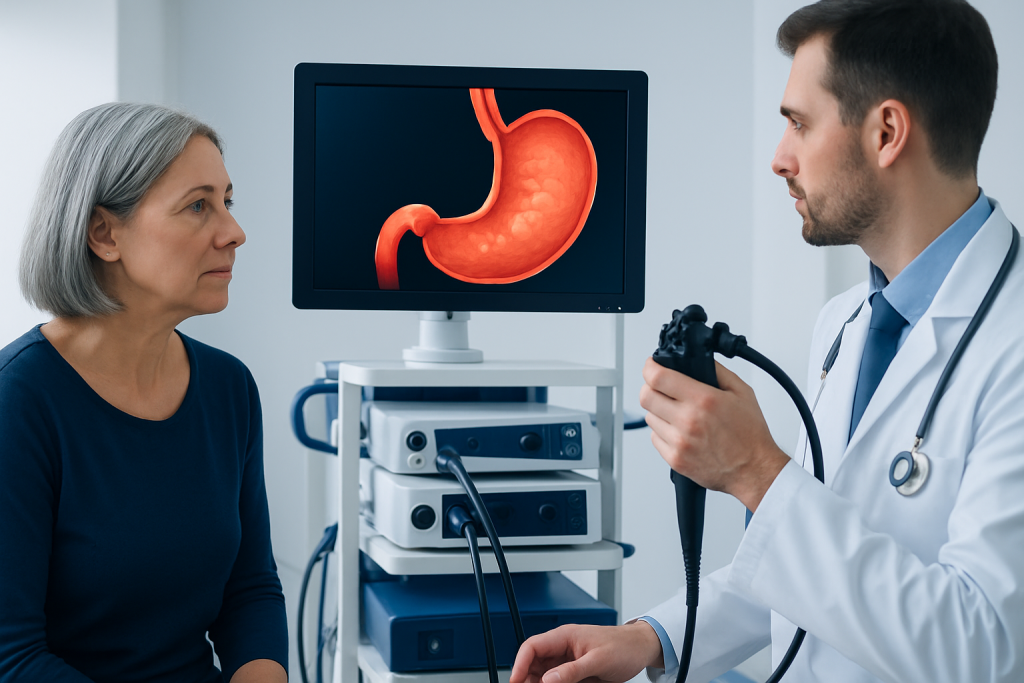
Stomach acid is a normal part of digestion. The stomach produces acid to help break down food and protect against some germs. Problems begin when acid or other stomach contents move upward into the esophagus, the tube that carries food from the mouth to the stomach, or when the stomach lining becomes irritated.
Heartburn usually feels like a burning sensation behind the breastbone. Some people also notice sour-tasting fluid in the mouth, bloating, nausea, burping, throat irritation, cough, or symptoms that get worse after large meals or when lying down. These symptoms are often grouped under reflux, but other issues such as ulcers, gastritis, medication effects, or functional dyspepsia can feel similar.
Because the causes differ, no single tea or home remedy works for everyone. A person with occasional overeating-related discomfort may feel better with warm fluids and time. Someone with regular nighttime symptoms, swallowing difficulty, or chronic inflammation may need medical assessment and targeted treatment instead.
Why chamomile may feel soothing

Chamomile is a plant commonly used in teas and herbal preparations. It has been studied for compounds that may have mild anti-inflammatory, antioxidant, and muscle-relaxing effects. In theory, these actions could help ease cramping, promote relaxation, and reduce the sense of digestive discomfort.
There is also an indirect pathway: stress and poor sleep can make digestive symptoms feel worse. Because chamomile is widely used as a calming bedtime tea, some people may notice improvement in symptom perception when they are more relaxed. This does not necessarily mean the tea reduced acid production; it may mean the body is less tense and the digestive tract feels less reactive.
Warm, non-caffeinated drinks may also be gentler than coffee, energy drinks, or carbonated beverages, which can trigger symptoms in some people. So the benefit may come not only from chamomile itself, but also from what it replaces. That is an important practical point when judging whether a tea is truly helping.
What chamomile tea can and cannot do
Chamomile tea may help with mild, occasional digestive discomfort in some people. It can be a reasonable supportive measure after a light meal or in the evening if it does not trigger symptoms. For people who find it soothing, it may fit into a broader self-care routine that includes smaller meals, stress reduction, and avoiding individual food triggers.
What it cannot reliably do is diagnose the cause of symptoms or replace evidence-based treatment. If a person has frequent heartburn, symptoms more than a few times a week, chest discomfort, vomiting, unintentional weight loss, anemia, or difficulty swallowing, herbal tea is not enough. Those symptoms need medical attention because they may point to more significant disease.
It is also important not to assume that “natural” means universally safe. Chamomile may cause allergic reactions in sensitive individuals, especially people with allergies to plants in the daisy family. Herbal products can vary in strength and quality as well, so responses are not always predictable.
- Possible role: temporary comfort for mild, occasional symptoms
- Not proven to do: lower acid in a consistent medical sense
- Not a substitute for: evaluation of ongoing reflux, ulcers, or severe pain
- Use with caution if: there is plant allergy, pregnancy concerns, or regular medicine use that should be reviewed with a clinician
Better-supported ways to manage acid-related symptoms
For most people with recurring reflux or heartburn, lifestyle strategies have stronger medical support than herbal remedies alone. Helpful steps may include eating smaller meals, avoiding lying down for several hours after eating, limiting late-night meals, and identifying personal triggers such as alcohol, very fatty foods, mint, chocolate, spicy foods, or acidic foods if they clearly worsen symptoms.
Weight management can improve reflux in some people, particularly when symptoms are linked to abdominal pressure. Stopping smoking, reducing excess alcohol, and improving sleep position may also help. Raising the head of the bed can be useful for nighttime reflux, while simply adding extra pillows is often less effective than adjusting the bed angle.
When symptoms are more than occasional, doctors may recommend diagnostic evaluation and medical treatment. Depending on the person, care may include gastroenterology evaluation and medicines that reduce acid or protect the stomach lining. In selected cases, further testing or procedures may be needed through endoscopy.
When chamomile tea may not be a good choice
Chamomile tea is not ideal for everyone. Anyone with a known allergy to chamomile, ragweed, daisies, chrysanthemums, or related plants should be careful, as allergic reactions can range from itching and rash to more significant symptoms. If a person has reacted to herbal products before, it is wise to avoid self-testing at home.
Some people also notice that any warm drink, any large volume of liquid, or drinking close to bedtime worsens reflux. In those cases, chamomile tea may not help simply because the timing or amount triggers symptoms. Sweeteners, lemon, or peppermint added to tea may also change how it affects the digestive tract.
People who are pregnant, breastfeeding, or taking regular medicines should ask a qualified clinician before using herbal remedies frequently. Herbal teas are not always harmless, and careful review is especially important in children, older adults, and anyone with chronic digestive disease.
When to seek medical care
Occasional mild heartburn after a heavy meal is common, but repeated symptoms deserve attention. A person should seek medical care if burning pain, regurgitation, nausea, or upper abdominal discomfort keeps coming back, interrupts sleep, affects appetite, or continues despite simple lifestyle measures.
Medical review is especially important if there is trouble swallowing, pain with swallowing, black stools, vomiting blood, unexplained weight loss, chest pain, persistent vomiting, or new symptoms after age 50. These features do not always mean something serious, but they should not be ignored.
Doctors may evaluate for reflux, gastritis, ulcers, medication-related irritation, or other digestive conditions, sometimes with imaging or a medical check-up and targeted tests. Near the end of the care pathway, patients seeking international care may also be assessed by Acibadem International, where multidisciplinary specialists in JCI-accredited hospitals diagnose and treat digestive conditions in a coordinated way.
Frequently asked questions
Does chamomile tea reduce stomach acid?
There is no strong clinical evidence that chamomile tea directly reduces stomach acid in a reliable, measurable way. It may help some people feel temporarily soothed, but that is different from treating the cause of reflux or heartburn.
Is chamomile tea good for acid reflux?
It may be comforting for mild, occasional symptoms, especially if it replaces caffeinated or carbonated drinks that can be irritating. However, it is not a proven treatment for ongoing acid reflux, and persistent symptoms should be discussed with a doctor.
Can chamomile tea make heartburn worse?
Yes, in some people it can. Any drink taken in large amounts, too close to bedtime, or with added ingredients such as citrus or mint may trigger reflux symptoms even if the tea itself is mild.
When should someone stop relying on home remedies for stomach acid?
If symptoms happen frequently, disturb sleep, keep returning, or do not improve with simple lifestyle changes, home remedies are not enough. Medical care is also important right away for swallowing problems, vomiting blood, black stools, chest pain, or unexplained weight loss.
Is chamomile tea safe for everyone?
No. People with allergies to chamomile or related plants such as ragweed should be cautious, and some people may react to herbal products. Those who are pregnant, breastfeeding, have chronic illness, or take regular medication should check with a clinician before using herbal remedies often.
What works better than chamomile tea for frequent heartburn?
Measures with stronger evidence include eating smaller meals, avoiding lying down after eating, reducing trigger foods, managing weight when appropriate, and using doctor-recommended medicines when needed. The best treatment depends on the cause, so recurring symptoms should be properly evaluated.
References
- National Institute of Diabetes and Digestive and Kidney Diseases
- American College of Gastroenterology
- National Center for Complementary and Integrative Health
- Mayo Clinic
- National Health Service
This article is for general information only and is not a substitute for professional medical advice. Please consult a qualified doctor about your individual situation.
Persistent digestive symptoms? Get evaluated in Turkey
JCI-accredited · board-certified surgeons · reply within 24h