Female Gallbladder Surgery Recovery Time: Benefits, Risks, and Recovery — A Complete Guide

Most people recover faster after laparoscopic gallbladder surgery than after open surgery. Women may seek gallbladder surgery more often because gallstones are more common during reproductive years, pregnancy, and with hormonal changes.
Key Takeaways
- Most people recover faster after laparoscopic gallbladder surgery than after open surgery.
- Women may seek gallbladder surgery more often because gallstones are more common during reproductive years, pregnancy, and with hormonal changes.
- Common early recovery issues include tiredness, shoulder pain from surgical gas, bloating, and mild digestive changes.
- Prompt medical review is important for fever, worsening abdominal pain, vomiting, jaundice, or wound problems.
- Gallbladder removal usually relieves symptoms caused by gallstones or gallbladder inflammation.
Female gallbladder surgery recovery time is often around 1 to 2 weeks after laparoscopic surgery, while open surgery may require 4 to 8 weeks. Recovery varies by the type of procedure, overall health, pregnancy status, hormone-related factors, and whether the surgery was planned or done urgently.
Overview: how long recovery usually takes
Female gallbladder surgery recovery time depends mainly on whether the operation is done laparoscopically or through an open incision. For most women, recovery after laparoscopic gallbladder removal takes about 1 to 2 weeks before returning to many normal daily activities, although full internal healing may continue for several more weeks. If open surgery is needed, recovery is usually longer and may take 4 to 8 weeks.
The operation to remove the gallbladder is called cholecystectomy. It is commonly performed for symptoms caused by gallstones, repeated gallbladder attacks, or inflammation of the gallbladder. In many cases, surgeons prefer a minimally invasive approach because it often means smaller incisions, less pain, and a shorter hospital stay. Readers looking for a broader overview of gallstones may find it helpful to understand why surgery is recommended.
Although the phrase “female gallbladder surgery recovery time” suggests women recover differently in every case, the basic healing process is similar for all adults. What can differ are the reasons women develop gallbladder problems more often, such as pregnancy, estrogen exposure, or weight changes. These factors can affect timing, comfort, and support needs during recovery.
Why gallbladder surgery is common in women
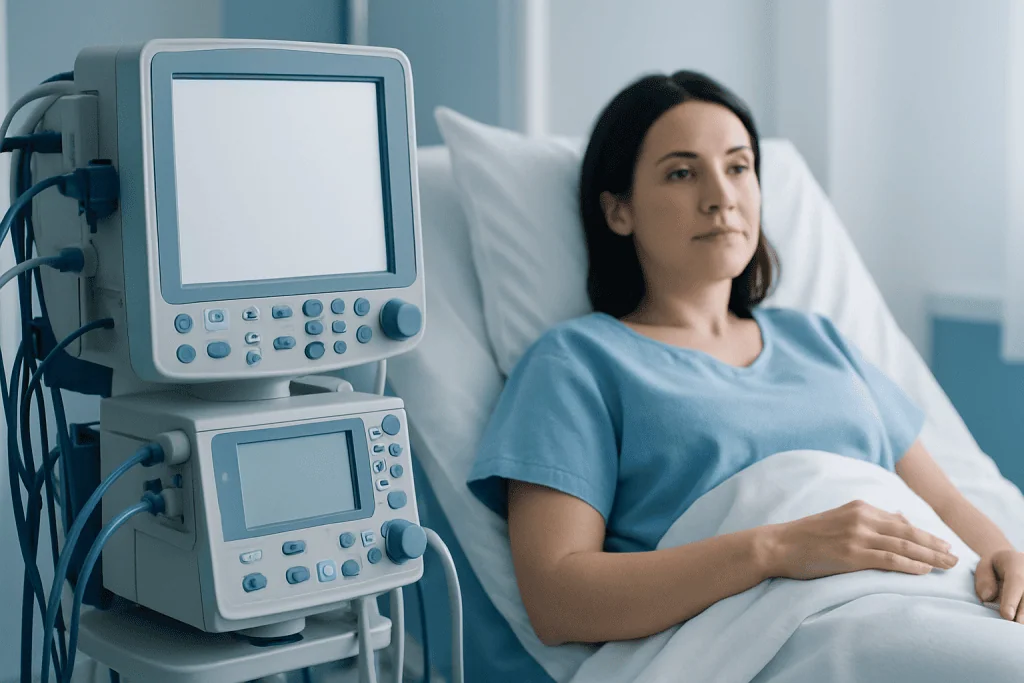
Gallbladder disease is especially common in women, particularly during the reproductive years and around pregnancy. Hormonal influences can increase the chance of gallstone formation, and rapid weight loss or obesity can also raise risk. As a result, many women first hear about gallbladder surgery after recurring pain in the upper right abdomen, nausea after fatty meals, or an emergency visit for gallbladder inflammation.
The gallbladder stores bile, a digestive fluid made by the liver. When gallstones block the normal flow of bile, symptoms can develop. Some people have silent gallstones that never cause problems, but others develop repeated attacks, infection, inflammation, or complications involving the pancreas or bile ducts. In those cases, doctors may advise gallbladder removal surgery because removing the gallbladder prevents future attacks.
Women often ask whether recovery is affected by menstruation, menopause, fertility treatment, pregnancy history, or caring responsibilities at home. These issues do not usually change the core surgical healing process, but they may influence fatigue, planning for home support, diet, lifting limits, and when a person feels ready to resume work, driving, and exercise.
Who may need surgery and how the procedure works

Gallbladder surgery may be recommended for symptomatic gallstones, acute cholecystitis, gallbladder polyps of concern, biliary colic, or complications such as blockage of the bile duct. Doctors usually do not advise surgery simply because gallstones are present on a scan if they are not causing symptoms. The decision is based on symptoms, examination findings, blood tests, and imaging results.
Before surgery, the care team reviews medical history, medicines, allergies, and any past abdominal operations. If the patient is pregnant or may be pregnant, that is important to discuss early so imaging, anesthesia, and surgical timing can be planned safely. Ultrasound is often the first test used, and some patients may also need blood work or additional imaging such as MRI to evaluate the bile ducts or nearby organs.
Most gallbladder removals are done laparoscopically. The surgeon makes a few small incisions, inflates the abdomen gently with gas to create working space, and uses a camera and slim instruments to separate and remove the gallbladder. If anatomy is unclear, there is severe inflammation, or complications arise, the surgeon may convert to an open operation through a larger incision for safety.
The procedure is usually performed under general anesthesia. Many people go home the same day or after one night in hospital, though some stay longer if surgery was urgent, symptoms were severe, or an open procedure was required. When needed, preoperative gastroenterology care can help assess digestive symptoms and confirm that the gallbladder is the likely source of pain.
Step by step: what to expect on surgery day
On the day of surgery, the patient is admitted, prepared for anesthesia, and reviewed by the surgical and anesthesia teams. A small intravenous line is placed, and the abdomen is cleaned. Once asleep, the surgeon performs the operation through small incisions if the laparoscopic approach is possible.
During the procedure, the surgeon identifies the cystic duct and cystic artery, clips them, and removes the gallbladder. The surgical team checks for bleeding and confirms that surrounding structures are protected. In some cases, imaging of the bile ducts is performed during surgery if there is concern about stones in the duct.
Afterward, the patient wakes in recovery and is monitored for pain, nausea, and stable breathing. Walking is usually encouraged the same day because early movement can reduce stiffness and lower the risk of some complications. Most people start with fluids and then light food as tolerated.
It is normal to feel sleepy, mildly sore, and bloated at first. Some women also notice temporary shoulder-tip pain, which can happen after laparoscopic surgery because the gas used during the operation can irritate the diaphragm. This discomfort generally improves over the first few days.
Recovery timeline after gallbladder surgery
Recovery is often fastest after laparoscopic surgery. In the first 24 to 72 hours, common symptoms include incision soreness, tiredness, bloating, mild nausea, and reduced appetite. Light walking is usually encouraged, but heavy lifting and strenuous exercise are usually postponed until the surgeon advises it is safe.
By the end of the first week, many women can move around more comfortably, shower independently, and eat small, simple meals. Some return to desk-based work within several days to 2 weeks, depending on pain control and energy level. Driving is generally delayed until the patient is no longer taking sedating pain medicine and can move safely and react normally.
At 2 to 4 weeks, many people feel much closer to normal after a laparoscopic procedure, although occasional fatigue or digestive changes may still occur. Open surgery usually involves more discomfort and a longer period before lifting, exercise, and full daily activities are resumed. Follow-up appointments help confirm that wounds are healing well and that symptoms are improving as expected.
Digestive adaptation can continue for a while because bile flows directly from the liver into the intestine after gallbladder removal. Some people briefly notice looser stools, urgency after fatty meals, or indigestion. These symptoms are often temporary and can improve with smaller meals and a gradual return to a balanced diet.
- Laparoscopic surgery: many daily activities in about 1 to 2 weeks
- Open surgery: often 4 to 8 weeks for broader recovery
- Return to exercise: guided by the surgeon and the type of work or activity
- Internal healing: continues after external incisions start to look better
Benefits, possible risks, and factors that affect healing
The main benefit of gallbladder removal is relief from recurrent gallbladder pain and prevention of future gallstone attacks. Surgery can also reduce the risk of complications such as infection, severe inflammation, or blockage-related problems. For many patients, symptoms that disrupted eating, sleep, work, or travel improve significantly once the gallbladder is removed.
Like any operation, cholecystectomy has risks. These may include bleeding, infection, blood clots, reactions to anesthesia, injury to the bile duct or nearby organs, retained stones in the bile ducts, leakage of bile, or the need to convert from laparoscopic to open surgery. Most procedures are completed safely, but patients should understand these possibilities before consenting.
Several factors can influence female gallbladder surgery recovery time. These include age, overall fitness, diabetes, smoking, obesity, prior abdominal surgery, whether the operation was emergency or planned, and whether there was significant inflammation or infection. Pregnancy and the postpartum period do not automatically mean slower healing, but they can make practical recovery more demanding because of nutritional needs, sleep disruption, and lifting restrictions.
Some digestive symptoms after surgery may overlap with other conditions, so ongoing pain or persistent bowel changes should not always be assumed to be a normal part of recovery. In certain cases, doctors may evaluate for other digestive conditions or bile duct issues. If symptoms continue, additional assessment by specialists may be appropriate.
Self-care after surgery and practical tips for women
Good self-care can make recovery smoother. Patients are usually advised to rest when tired, walk regularly, drink enough fluids, and follow the discharge instructions for bathing, dressings, medicines, and lifting. Small, low-fat meals may be easier at first, especially if nausea, bloating, or loose stools occur after richer foods.
Incision care is important. The wounds should be kept clean and monitored for redness, swelling, discharge, or separation. Clothing that does not press tightly on the abdomen may feel more comfortable in the first days. If there are children at home, arranging temporary help can be useful because lifting restrictions may make everyday care tasks difficult.
Many women also ask about work, exercise, intimacy, and travel. Timing varies, so it is best guided by the surgeon, pain level, and the physical demands involved. A desk job may be possible sooner than physically demanding work, while core workouts and heavy lifting usually need more time. Travel should wait until walking is comfortable, pain is controlled, and follow-up advice has been reviewed.
Near the end of recovery planning, some patients choose follow-up with a multidisciplinary team, especially if they had a difficult diagnosis or more complex surgery. Acibadem International’s multidisciplinary specialists and JCI-accredited hospitals diagnose and treat gallbladder conditions for international patients, including coordinated surgical aftercare when needed.
When to seek medical care
Most discomfort after gallbladder surgery improves steadily, even if recovery is not perfectly linear. However, certain symptoms should prompt medical advice without delay. Worsening pain, rather than gradual improvement, is a reason to contact a doctor.
Patients should seek medical care if they develop fever, chills, increasing redness or drainage from the wound, repeated vomiting, inability to drink fluids, yellowing of the skin or eyes, severe bloating, shortness of breath, chest pain, or leg swelling. These symptoms do not always mean a serious complication, but they need assessment.
If abdominal pain continues for weeks, digestion remains significantly altered, or symptoms similar to pre-surgery attacks return, a follow-up review is important. The doctor may check for bile duct stones, infection, or another digestive condition. Timely evaluation helps guide treatment and reassurance.
Frequently asked questions
How long does female gallbladder surgery recovery time usually take?
For most women, recovery after laparoscopic gallbladder surgery takes about 1 to 2 weeks for many everyday activities. If open surgery is needed, recovery is usually longer and may take 4 to 8 weeks. Full healing can continue beyond the point when a person feels mostly back to normal.
Is gallbladder surgery recovery different for women than for men?
The basic healing process is similar for all adults. However, women may face different practical issues, such as pregnancy, postpartum recovery, hormonal factors, or caregiving responsibilities that affect how recovery feels day to day. These factors can influence comfort and planning, even if the surgical healing timeline is similar.
What can a woman eat after gallbladder removal?
Many people tolerate light, simple meals best in the first days after surgery. Smaller, lower-fat meals can reduce bloating, nausea, and loose stools while the digestive system adapts. Over time, most patients gradually return to a balanced diet unless the doctor recommends otherwise.
When can someone return to work after gallbladder surgery?
Return to work depends on the type of surgery and the physical demands of the job. Some people with desk-based work return within several days to 2 weeks after laparoscopic surgery, while physically demanding work often requires longer. Open surgery usually means a slower return.
What symptoms are normal after gallbladder surgery?
Mild incision pain, tiredness, bloating, temporary shoulder pain, and some digestive changes can be normal early on. These symptoms should gradually improve rather than become worse. Persistent or worsening pain, fever, vomiting, jaundice, or wound drainage should be checked by a doctor.
Can digestion change permanently after gallbladder removal?
Most people digest food well without a gallbladder. Some notice temporary loose stools or sensitivity to fatty foods, especially in the early weeks. If digestive symptoms continue for a long time or are severe, medical follow-up is recommended.
References
- National Institute of Diabetes and Digestive and Kidney Diseases
- American College of Surgeons
- Society of American Gastrointestinal and Endoscopic Surgeons
- National Health Service
- Mayo Clinic
This article is for general information only and is not a substitute for professional medical advice. Please consult a qualified doctor about your individual situation.
Explore treatments in Turkey — costs, top hospitals & a free quote
JCI-accredited · board-certified surgeons · reply within 24h