Vaginal Tears: A Complete Clinical Guide for Patients

Vaginal tears can range from tiny surface splits to deeper injuries involving nearby tissues. Common causes include childbirth, sexual activity, dryness, friction, trauma, and reduced tissue elasticity after menopause.
Key Takeaways
- Vaginal tears can range from tiny surface splits to deeper injuries involving nearby tissues.
- Common causes include childbirth, sexual activity, dryness, friction, trauma, and reduced tissue elasticity after menopause.
- Small tears may improve with rest and gentle hygiene, but severe pain, ongoing bleeding, or fever need prompt medical care.
- Treatment depends on the depth and cause and may include pain relief, pelvic rest, stitches, and treatment of dryness or infection.
- Prevention focuses on lubrication, gentle sexual activity, managing vaginal dryness, and timely assessment of persistent symptoms.
Vaginal tears are small or deeper splits in the vaginal or surrounding tissue that can happen during childbirth, sexual activity, injury, or when tissue is dry and fragile. Many minor tears heal on their own, but persistent pain, heavy bleeding, signs of infection, or concerns after childbirth should be assessed by a doctor.
Overview
Vaginal tears are splits or breaks in the lining of the vagina or the tissues around the vaginal opening. They may be very small and heal with simple care, or they may be deeper and need examination and repair. Although the term can sound worrying, many tears are treatable and recover well with appropriate care.
These tears are most commonly linked to childbirth, but they can also happen during sexual activity, from accidental trauma, during a pelvic exam or procedure, or when the vaginal tissue is dry and less elastic. The surrounding area may include the vulva, labia, perineum, and sometimes nearby muscles, so symptoms can vary depending on where the tear is located.
People often notice pain, stinging, spotting, or discomfort with urination or movement. In some cases, the injury is obvious right away. In others, symptoms are mild at first and become more noticeable over the next day or two, especially if there is swelling, friction, or infection.
It is also important to distinguish vaginal tears from other causes of vaginal pain or bleeding, such as infections, skin conditions, hemorrhoids, or vaginal cancer, which is uncommon but should be considered when symptoms do not improve or have no clear cause.
Symptoms and what they can feel like
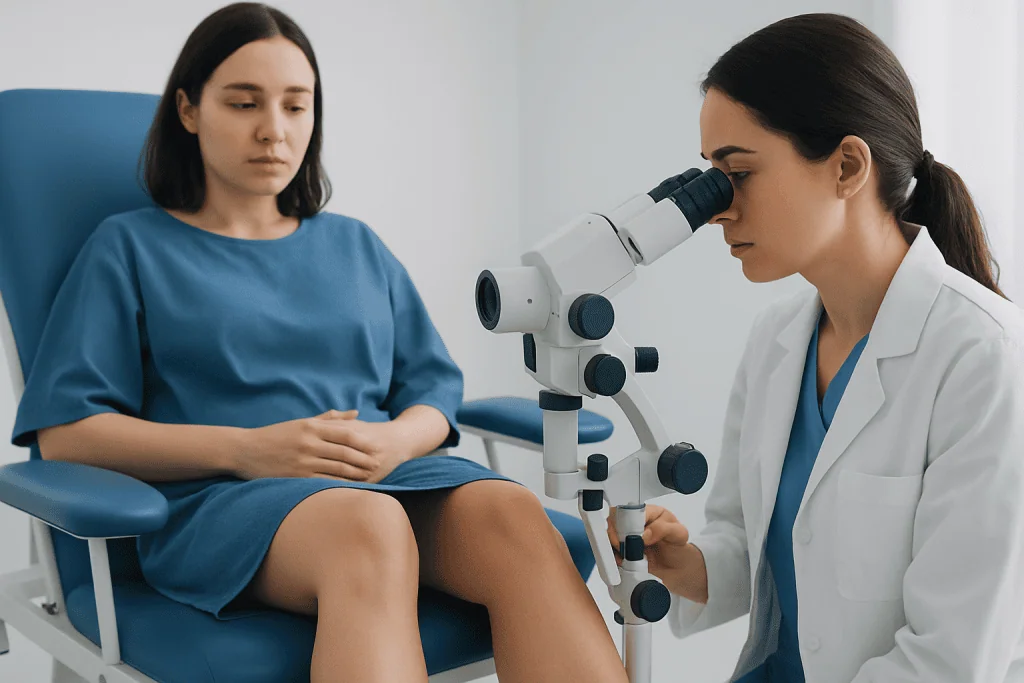
Symptoms depend on the size and depth of the tear. A minor superficial tear may cause brief stinging, mild burning with urination, a small amount of bleeding, or tenderness when sitting or walking. Deeper tears can cause stronger pain, more visible bleeding, swelling, and pain with any pressure on the area.
Some people first notice discomfort during sex, followed by spotting on toilet tissue or underwear. Others feel a sharp tearing sensation at the time of injury. After childbirth, a tear may be recognized immediately by the care team, but soreness can continue as the tissue heals.
Common symptoms may include:
- Burning, stinging, or sharp pain in or around the vaginal opening
- Light spotting or heavier bleeding depending on the depth of the tear
- Pain during urination if urine touches the injured tissue
- Pain with walking, sitting, wiping, or sexual activity
- Swelling, bruising, or a feeling of pressure in the area
- Discharge, bad odor, fever, or worsening pain if infection develops
Symptoms that are severe, getting worse, or linked to heavy bleeding should not be ignored. If pain is out of proportion to what is expected, or if there is difficulty passing urine or stool after childbirth or injury, medical assessment is important.
Why vaginal tears happen
The causes of vaginal tears are varied, but they usually involve a combination of pressure, friction, and tissue vulnerability. Childbirth is one of the best-known causes because stretching of the vaginal and perineal tissues can lead to tearing as the baby is delivered. Tears in this setting may affect the vaginal lining alone or extend into the perineum and nearby muscles.
Outside childbirth, tears can happen during sexual activity, especially if there is insufficient lubrication, prolonged friction, sudden penetration, or vigorous intercourse. Dryness is a common contributor. It may occur after menopause because of lower estrogen levels, during breastfeeding, or with some medications and medical treatments. In these situations, the tissue may become thinner and less elastic, making injury more likely.
Other contributing factors include trauma, pelvic procedures, skin conditions affecting the vulva, infections that cause inflammation, and muscle tension that makes penetration painful. Less commonly, tissue fragility can be linked to chronic conditions or previous surgery.
Risk factors may include:
- Vaginal birth, especially a first vaginal delivery
- Large baby, instrumental delivery, or a rapid labor
- Vaginal dryness or menopause-related tissue changes
- Sex without enough arousal or lubrication
- Prior tears, scarring, or pelvic surgery
- Inflammation, infection, or dermatologic conditions of the vulva
How doctors assess and diagnose vaginal tears
Diagnosis begins with a history of what happened and what symptoms are present. A doctor will usually ask when the pain or bleeding started, whether it followed sex, childbirth, trauma, or a procedure, and whether there are any symptoms of infection such as discharge, fever, or increasing tenderness.
A gentle physical examination is often enough to identify the location and extent of the tear. This may include inspecting the vulva, vaginal opening, and sometimes the inside of the vagina with careful technique. If the tear happened during childbirth, classification may include the depth of perineal injury and whether nearby muscles or the anal sphincter are involved.
Additional tests are not always needed, but they may be helpful if the cause is unclear or if symptoms suggest another condition. A clinician may check for infection, evaluate persistent bleeding, or assess whether pain is related to dryness, pelvic floor spasm, or another gynecologic issue. In selected cases, assessment by specialists in gynecology care can help guide treatment and recovery.
The main goal of diagnosis is not only to find the tear but also to identify factors that may delay healing, such as infection, poor tissue quality, repeated friction, or an underlying medical condition.
Treatment options and healing
Treatment depends on the location, cause, and depth of the tear. Small superficial tears often heal on their own over several days to a few weeks. Supportive care usually includes keeping the area clean, avoiding friction, taking a break from sex, and using simple pain relief if advised by a doctor.
Deeper tears, tears with significant bleeding, or injuries involving surrounding tissues may need repair with stitches. This is common after childbirth and may also be needed after other injuries. If there is concern about more extensive damage, treatment may be coordinated through obstetrics and gynecology services and, when needed, pelvic floor or colorectal specialists.
When dryness contributes to repeated tearing, treatment often focuses on improving tissue comfort and elasticity. This may include water-based or silicone-based lubricants during sex, vaginal moisturizers, or clinician-guided treatment for hormone-related dryness when appropriate. If infection is present, treatment is directed at the specific cause.
Healing is usually gradual. Mild soreness and stinging may improve within days, while deeper tears can take longer. Patients should follow their doctor’s guidance about bathing, physical activity, bowel care after childbirth, and when sexual activity can safely resume. In some cases, pelvic floor rehabilitation or follow-up in women's health and diseases services can help with pain, scar discomfort, or recovery after a more complex tear.
Self-care, comfort, and prevention
Gentle self-care can improve comfort and support healing. Good hygiene usually means rinsing with lukewarm water and patting the area dry rather than rubbing. Loose cotton underwear, breathable clothing, and avoiding scented products in the genital area may help reduce irritation.
For comfort, some people benefit from cool compresses, sitting carefully, and urinating with water poured over the area to lessen stinging. After childbirth, a doctor or midwife may suggest specific measures for perineal care, bowel comfort, and activity limits. It is best to avoid intercourse, tampons, and anything that increases friction until healing is confirmed or symptoms have clearly resolved.
Prevention is not always possible, especially in childbirth, but some steps may reduce risk in non-obstetric tears:
- Use enough lubrication during sexual activity
- Allow time for arousal and proceed gently
- Address vaginal dryness rather than pushing through pain
- Pause sexual activity if there is burning, sharp pain, or repeated spotting
- Seek care for ongoing vulvar irritation, infections, or menopausal symptoms
- Follow postpartum recovery advice before resuming sex or intense activity
Persistent or repeated tears should not be managed with self-care alone. Recurrent symptoms can point to dryness, infection, pelvic floor tension, a skin disorder, or another condition that needs medical treatment.
When to seek medical care
Medical care is recommended if there is heavy bleeding, a deep or gaping wound, severe pain, faintness, fever, bad-smelling discharge, or signs that the tear is not healing. Care is also important if the tear happened after childbirth and there is concern about bowel control, difficulty urinating, or worsening swelling.
People should also see a doctor if pain or bleeding after sex keeps happening, if symptoms last more than a few days without improvement, or if there is no clear reason for the tear. Recurrent symptoms deserve evaluation because they may be related to menopause-related tissue changes, infection, a dermatologic condition, scarring, or another gynecologic problem.
Emergency care may be needed after significant trauma, uncontrolled bleeding, or a suspected deep injury. Prompt treatment can reduce pain, lower the risk of infection, and improve healing. Near the end of recovery, follow-up may be advised to check that the tissue has healed well and that sexual function and daily comfort are returning.
For patients who need specialist assessment, Acibadem International’s multidisciplinary specialists and JCI-accredited hospitals diagnose and treat gynecologic conditions for international patients, including evaluation of vaginal injuries and recovery concerns.
Frequently asked questions
Can a vaginal tear heal on its own?
Yes. Small superficial vaginal tears often heal on their own with gentle hygiene, reduced friction, and time. Deeper tears, heavy bleeding, or tears with persistent pain should be examined by a doctor.
How long do vaginal tears take to heal?
Minor tears may improve within several days and continue healing over one to two weeks. Deeper tears, especially after childbirth, can take longer and may need stitches or follow-up care. Healing time also depends on infection, dryness, and repeated irritation.
What does a vaginal tear feel like?
Many people describe stinging, burning, sharp pain, or tenderness around the vaginal opening. There may also be spotting, pain with urination, pain during sex, or discomfort when sitting and walking. Symptoms vary with the depth and location of the tear.
Can sex cause vaginal tears?
Yes. Sexual activity can cause vaginal tears, especially when there is insufficient lubrication, dryness, sudden penetration, or vigorous friction. If pain or bleeding happens repeatedly after sex, it is important to discuss it with a doctor.
Are vaginal tears common after childbirth?
Yes. Tears of the vaginal or perineal tissues are common during vaginal birth and can range from mild to more extensive. Maternity teams routinely assess for these injuries and treat them based on their severity.
How can someone lower the risk of vaginal tears?
Using enough lubrication, allowing time for arousal, and stopping if there is pain can help reduce the risk during sex. Managing vaginal dryness, especially after menopause or during breastfeeding, can also protect the tissue. After childbirth, following recovery advice before resuming intercourse is important.
References
- American College of Obstetricians and Gynecologists
- National Health Service
- Mayo Clinic
- Merck Manual Consumer Version
- Royal College of Obstetricians and Gynaecologists
This article is for general information only and is not a substitute for professional medical advice. Please consult a qualified doctor about your individual situation.
Explore treatments in Turkey — costs, top hospitals & a free quote
JCI-accredited · board-certified surgeons · reply within 24h