Range of Motion: A Complete Medical Overview

Range of motion is the degree a joint can move through its normal path. Pain, swelling, injury, arthritis, and muscle tightness can reduce joint motion.
Key Takeaways
- Range of motion is the degree a joint can move through its normal path.
- Pain, swelling, injury, arthritis, and muscle tightness can reduce joint motion.
- Evaluation usually includes a physical exam and, when needed, imaging or other tests.
- Treatment depends on the cause and may include rest, exercise, physical therapy, medication, or procedures.
- Early attention to persistent stiffness or loss of motion may help prevent further limitation.
Range of motion describes how far a joint can move in different directions. When range of motion becomes limited, it may affect daily activities and can signal problems such as stiffness, inflammation, injury, or joint disease.
What range of motion means
Range of motion is the amount a joint can move in its usual directions. For example, the shoulder can lift, rotate, and reach across the body, while the knee mainly bends and straightens. A normal range of motion helps a person walk, reach, turn, sit, stand, and perform everyday tasks comfortably.
Doctors and physical therapists use the term to describe joint movement in a practical, measurable way. Motion may be discussed as active range of motion, meaning a person moves the joint independently, or passive range of motion, meaning the joint is moved with help from an examiner or caregiver. Comparing the two can offer clues about whether the main issue is pain, weakness, stiffness, or joint damage.
Reduced range of motion does not always mean severe disease, but it is a useful sign that something is affecting the joint, muscles, tendons, ligaments, or nerves. In some people, the limitation is temporary after overuse or a minor injury. In others, it develops gradually with aging, inflammation, scar tissue, or long-term conditions that affect movement.
How limited range of motion feels and affects daily life
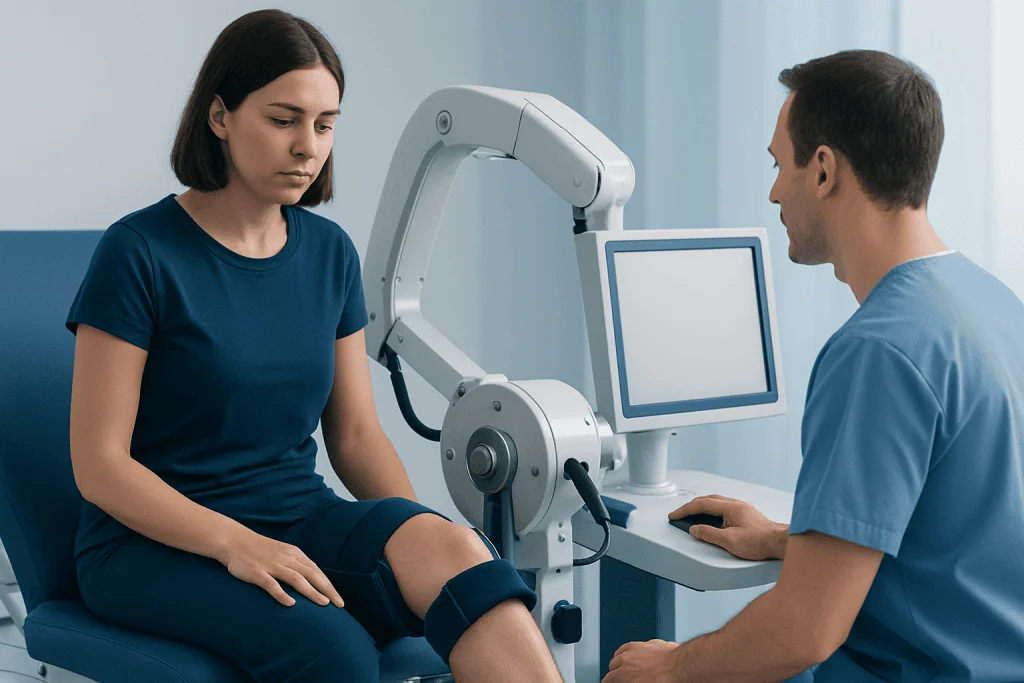
A person with limited range of motion may notice stiffness, tightness, pain, or a feeling that a joint will not move as far as it used to. Sometimes the problem is obvious, such as difficulty lifting the arm overhead, fully straightening the elbow, bending the knee, turning the neck, or reaching down to tie shoes. At other times, the change is subtle and appears first during sports, exercise, or repetitive work.
The impact depends on which joint is involved and how much movement is lost. Shoulder stiffness can make dressing and hair care difficult. Hip or knee limitation may interfere with walking, stairs, or getting up from a chair. Reduced spinal motion can affect posture and comfort during sitting, standing, or sleeping.
Common symptoms that may occur along with reduced range of motion include:
- Joint pain during movement or at rest
- Swelling, warmth, or tenderness
- Muscle weakness or guarding
- Popping, catching, or a sense of instability
- Difficulty performing routine tasks
- Loss of flexibility after rest or in the morning
Some joint problems improve with gentle movement, while others become more painful with activity. Paying attention to when symptoms occur can help a clinician identify the cause.
Why range of motion becomes limited
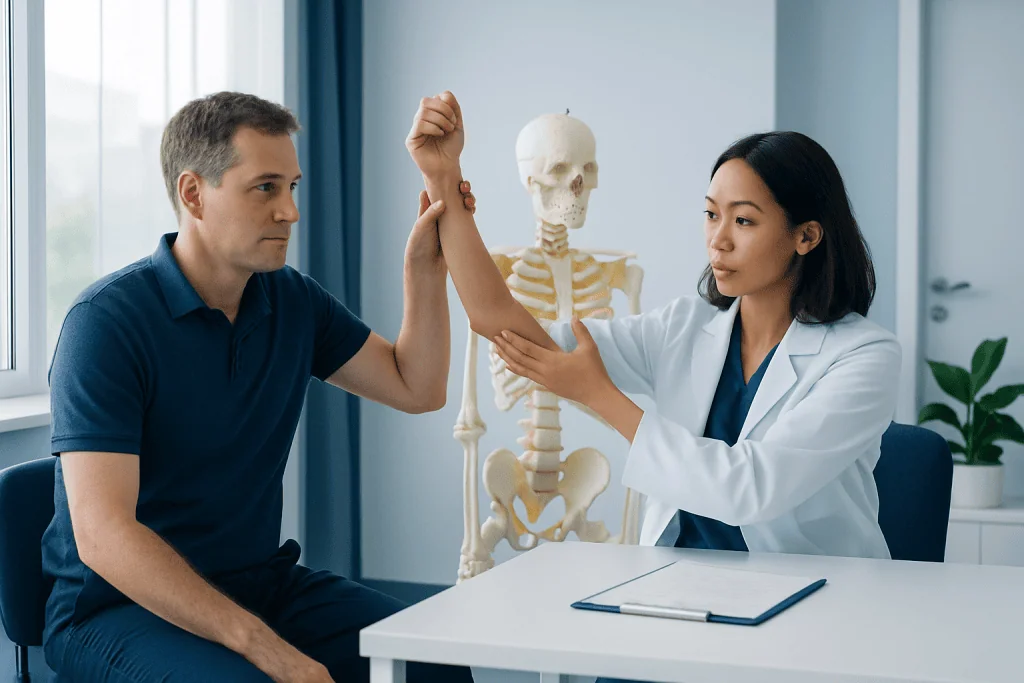
Many different medical issues can reduce range of motion. A very common reason is pain: when movement hurts, the body naturally protects the area by limiting motion. Swelling inside or around a joint can also mechanically block movement. Muscle tightness, tendon injury, ligament sprain, scar tissue, and weakness may contribute as well.
Joint and soft tissue conditions are frequent causes. These include strains, sprains, bursitis, tendonitis, rotator cuff problems, and recovery after fractures or surgery. Chronic conditions such as osteoarthritis may slowly reduce joint movement over time as cartilage wears down and stiffness increases. Inflammatory diseases such as rheumatoid arthritis can also lead to pain, swelling, and progressive limitation if not treated appropriately.
Nerve and brain conditions may affect movement too. After a stroke, nerve injury, or some neurological disorders, a person may have weakness, spasticity, or poor joint control that changes motion. Long periods of immobility, bed rest, or casting can cause joints and surrounding tissues to stiffen. In children and older adults, reduced range of motion may have different causes, so assessment should always consider age, activity level, and overall health.
How doctors assess range of motion
Evaluation begins with a medical history and physical examination. The clinician asks when the limitation started, whether it followed trauma or overuse, and which activities make it better or worse. Information about swelling, fever, numbness, weakness, previous injuries, and chronic illnesses can help narrow the cause.
During the exam, the joint is observed for swelling, deformity, redness, muscle wasting, and guarding. The doctor or therapist checks active and passive movement, strength, tenderness, stability, and nearby structures such as muscles and tendons. In some settings, range of motion is measured with a tool called a goniometer to record specific angles and monitor progress over time.
If the cause is not clear, additional tests may be recommended. X-rays can show fractures, joint space narrowing, or bone changes. Ultrasound or MRI may help evaluate tendons, ligaments, cartilage, and soft tissue injuries, including problems that may later need orthopedic rehabilitation. Blood tests may be used when inflammatory or autoimmune disease is suspected. The goal is not only to confirm reduced movement, but also to identify why it is happening.
Treatment options for reduced range of motion
Treatment depends on the underlying cause, how long symptoms have been present, and how much the problem affects daily life. For mild, short-term stiffness after overuse, doctors may advise activity modification, rest, ice or heat, and a gradual return to movement. If pain is a major factor, treatment may focus first on reducing discomfort and inflammation so the joint can move more freely.
Exercise and physical therapy are central for many patients. A structured program may include stretching, strengthening, posture correction, balance training, and joint mobilization techniques. Some people benefit from supervised physical therapy and rehabilitation to restore movement safely, especially after injury, surgery, or prolonged immobilization. Home exercise plans are often an important part of long-term improvement.
When a specific joint disease is present, treatment may target that condition directly. This can include medication for inflammatory arthritis, splints or braces for support, or injections in selected cases. If there is significant structural damage, a specialist may discuss procedures or surgery, such as care provided through orthopedics and traumatology. For persistent shoulder stiffness due to frozen shoulder, treatment often combines pain management and guided movement over time.
Recovery is usually gradual rather than immediate. Pushing through severe pain is not usually helpful and may worsen irritation. The safest plan balances movement and protection, with regular follow-up when symptoms are ongoing or function is declining.
Improving and protecting joint movement at home
Self-care can support joint health, but it works best when the cause of limitation is understood. Gentle, regular movement often helps prevent stiffness, especially after periods of sitting or bed rest. Warm-up before exercise, good body mechanics, and gradual increases in activity can reduce strain on muscles and joints.
Helpful habits may include:
- Doing clinician-approved stretching and mobility exercises consistently
- Taking breaks from repetitive activities
- Maintaining a healthy body weight to reduce stress on weight-bearing joints
- Building muscle strength around vulnerable joints
- Using supportive footwear and ergonomic equipment when needed
- Following rehabilitation instructions carefully after injury or surgery
Not every stiff joint should be stretched aggressively. A swollen, hot, unstable, or recently injured joint needs medical guidance before exercises are started. If movement causes sharp pain, locking, or a feeling that the joint may give way, professional assessment is important. People with chronic illnesses such as arthritis or neurological conditions often benefit from an individualized rehabilitation plan rather than a generic exercise routine.
When to seek medical care
Medical evaluation is recommended when reduced range of motion lasts more than a few days, keeps returning, or interferes with normal activities. A doctor should also assess motion loss after a fall, sports injury, car accident, or other trauma, even if the joint can still move somewhat. Early care may help reduce pain and prevent longer-term stiffness.
Urgent medical attention is especially important if limited movement occurs with severe pain, sudden swelling, visible deformity, inability to bear weight, fever, redness, numbness, or marked weakness. These symptoms can suggest a fracture, dislocation, infection, acute nerve problem, or another condition that should not be managed at home.
For people recovering from surgery, immobilization, or a known joint condition, follow-up matters if progress stops or movement becomes worse instead of better. At the end of the care pathway, some patients may benefit from multidisciplinary assessment. Acibadem International’s multidisciplinary specialists and JCI-accredited hospitals diagnose and treat joint and mobility problems for international patients, including cases that may require robotic rehabilitation as part of a broader recovery plan.
Frequently asked questions
What is range of motion in simple terms?
Range of motion is how far a joint can move in its normal directions. It is a practical way to describe flexibility and joint function in daily life.
What causes reduced range of motion?
Common causes include pain, swelling, muscle tightness, injury, arthritis, scar tissue, and long periods of inactivity. In some cases, nerve or neurological problems can also affect movement.
Can range of motion improve with exercise?
Yes, it often can improve when exercises are matched to the underlying problem. Gentle stretching, strengthening, and supervised rehabilitation may help, but exercises should not cause significant pain or worsen an injury.
Is limited range of motion always a sign of arthritis?
No. Arthritis is one possible cause, but many other issues can reduce movement, including tendon injuries, bursitis, swelling, fractures, or muscle guarding after pain.
How do doctors measure range of motion?
Doctors and physical therapists assess how the joint moves during an exam and may compare active and passive motion. They sometimes use a goniometer, which measures the angle of movement more precisely.
When should someone worry about a sudden loss of joint movement?
Sudden motion loss should be evaluated promptly if it follows trauma or comes with severe pain, swelling, deformity, numbness, fever, or weakness. These symptoms may indicate a more urgent problem that needs medical care.
References
- American Academy of Orthopaedic Surgeons
- National Institute of Arthritis and Musculoskeletal and Skin Diseases
- MedlinePlus
- Centers for Disease Control and Prevention
- World Health Organization
This article is for general information only and is not a substitute for professional medical advice. Please consult a qualified doctor about your individual situation.
Joint and spine care in Turkey — expert assessment & treatment
JCI-accredited · board-certified surgeons · reply within 24h