Ischemic Colitis: Symptoms, Causes, and Treatment Options

Ischemic colitis is caused by reduced blood flow to the colon, not by a primary infection. Common symptoms include sudden abdominal pain, an urgent need to pass stool, and blood in the stool.
Key Takeaways
- Ischemic colitis is caused by reduced blood flow to the colon, not by a primary infection.
- Common symptoms include sudden abdominal pain, an urgent need to pass stool, and blood in the stool.
- Diagnosis usually combines medical history, examination, blood tests, imaging, and sometimes colonoscopy.
- Mild cases may improve with bowel rest, fluids, and close monitoring, while severe cases can require surgery.
- Older age, vascular disease, dehydration, and some medicines can raise the risk.
Ischemic colitis happens when blood flow to part of the large intestine drops, causing inflammation and injury. It often improves with supportive care, but prompt medical assessment is important because symptoms can overlap with other serious bowel conditions.
Overview: what ischemic colitis means
Ischemic colitis is a condition in which part of the colon does not receive enough blood flow for a period of time. When this happens, the bowel lining can become inflamed, irritated, and sometimes injured. The condition may be temporary and mild, or it can be more serious if blood flow is reduced for longer or if a larger area of the bowel is affected.
Many people ask whether ischemic colitis is the same as inflammatory bowel disease or an infection. It is not. Unlike Crohn’s disease or ulcerative colitis, ischemic colitis begins with reduced circulation rather than an immune-driven inflammation. It also differs from infectious diarrhea, although the symptoms can look similar at first.
In many cases, ischemic colitis affects older adults, but it can occur at any age under certain circumstances. Dehydration, low blood pressure, hardening of the arteries, heart and blood vessel problems, and some medicines may contribute. Because symptoms can overlap with other digestive emergencies, early evaluation helps confirm the cause and guide the safest treatment.
Symptoms and how they may feel
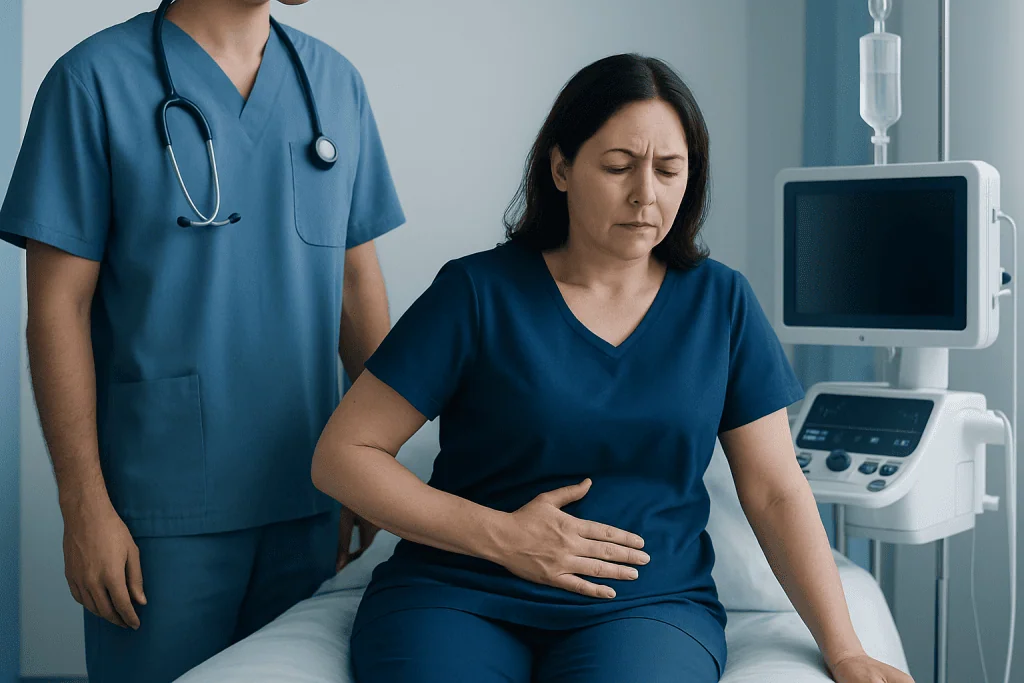
The most typical symptoms of ischemic colitis are sudden cramp-like abdominal pain, tenderness over the belly, and an urgent need to have a bowel movement. Many people also notice loose stools or diarrhea, sometimes mixed with bright red or maroon blood. The pain often begins on the left side of the abdomen, though it can occur elsewhere depending on which part of the colon is affected.
Symptoms can range from mild to severe. Some people feel bloating, nausea, or fatigue. Others may pass only small amounts of bloody stool after the pain starts. In mild cases, symptoms may improve over a few days with rest and medical care. In more severe cases, pain may become constant and stronger, and the abdomen may feel more swollen or rigid.
Not every case presents the same way. People with reduced blood flow to the right side of the colon may have more severe pain and a higher risk of complications. Because rectal bleeding and abdominal pain can also occur with diverticulitis, infection, bowel obstruction, or colon cancer, it is important not to assume the cause without proper evaluation.
- Sudden abdominal pain or cramping
- Urgent need to pass stool
- Bloody stool or bloody diarrhea
- Abdominal tenderness
- Nausea, bloating, or weakness
Why it happens: causes and risk factors
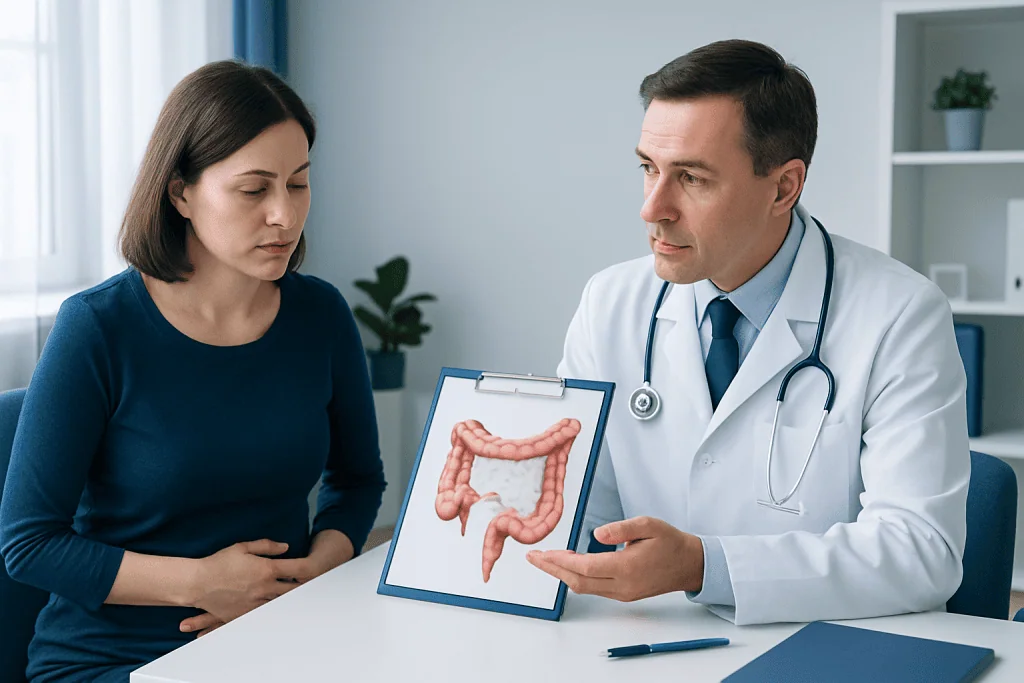
The colon depends on a steady blood supply to function normally. Ischemic colitis develops when that blood supply drops enough to injure the bowel lining. Sometimes the cause is clear, such as low blood pressure during severe dehydration, heart failure, major infection, or after surgery. In other cases, the exact trigger is not identified, even after testing.
Blood flow can fall because of narrowed arteries, blood clots, spasm of blood vessels, or reduced circulating blood volume. Atherosclerosis, which is the buildup of fatty deposits in arteries, can make the bowel more vulnerable, especially in older adults. Certain conditions that affect clotting or circulation may also increase risk.
Several medicines have been linked to reduced bowel blood flow in some people, including drugs that constrict blood vessels or contribute to constipation and dehydration. Intense exercise, especially endurance events, has also been associated with temporary bowel ischemia in rare situations. Risk tends to be higher in people with cardiovascular disease, diabetes, kidney disease, smoking history, or previous vascular problems.
- Older age
- Atherosclerosis or vascular disease
- Low blood pressure or dehydration
- Heart rhythm or heart pumping problems
- Clotting disorders
- Certain medications
How doctors diagnose ischemic colitis
Diagnosis starts with a careful review of symptoms, medical history, and a physical examination. Doctors usually ask when the pain began, whether there is blood in the stool, what medicines are being taken, and whether there are risk factors such as heart disease or recent dehydration. Blood tests may help look for inflammation, anemia, infection, kidney function changes, or signs of reduced oxygen delivery.
Imaging is often used to understand what is happening in the abdomen. A CT scan can show thickening of the colon wall, inflammation, and possible complications such as poor perfusion or perforation. In selected cases, doctors may recommend CT scan imaging early because it can quickly help distinguish ischemic colitis from other urgent conditions.
Colonoscopy is another important tool when it is safe to perform. It allows direct visualization of the colon lining and may help confirm ischemic injury and rule out other conditions. If symptoms are persistent, severe, or unclear, specialist assessment in gastroenterology can help guide the most appropriate tests and follow-up plan.
Treatment options and recovery
Treatment depends on how severe the ischemic colitis is and whether there are complications. Mild to moderate cases are often managed in hospital with bowel rest, intravenous fluids, pain control, and close observation. Doctors may stop or adjust medicines that could be contributing to poor blood flow. Antibiotics are sometimes used when there is concern about moderate to severe disease, infection risk, or damage to the bowel lining.
If an underlying circulation problem is suspected, treatment also focuses on correcting it. That may include restoring hydration, managing blood pressure carefully, addressing heart rhythm problems, or evaluating blood vessels when needed. Ongoing digestive assessment may involve colonoscopy to assess healing or exclude another diagnosis once the patient is stable.
Severe ischemic colitis can be a surgical emergency. Surgery may be needed if part of the bowel dies, a hole develops in the colon, heavy bleeding continues, or the patient shows signs of widespread infection or peritonitis. Although this is less common than mild disease, recognizing these complications early is important because timely treatment can be lifesaving.
Recovery varies. Many people improve within days and fully recover over time, but some develop a narrowed segment of bowel called a stricture or have recurrent symptoms. Follow-up care helps make sure the colon is healing and that other causes of bleeding or pain are not being missed.
Self-care, prevention, and reducing future risk
There is no single way to prevent every case of ischemic colitis, but reducing vascular risk can help protect overall bowel health. Good hydration, especially during illness, hot weather, or heavy exercise, supports circulation. Managing chronic conditions such as high blood pressure, diabetes, and heart disease may also lower risk over time.
People who have had ischemic colitis should review their medicines with a qualified doctor. It is not safe to stop prescription drugs without medical advice, but some medications may need to be adjusted if they contribute to dehydration, constipation, low blood pressure, or blood vessel constriction. Avoiding smoking is also important because smoking can worsen blood vessel disease.
Diet changes after an episode depend on severity and stage of recovery. During the acute phase, the care team may recommend bowel rest or a gentle temporary diet. As symptoms improve, most people gradually return to normal eating. Long-term, a balanced eating pattern that supports heart and vascular health is often advised.
Anyone with ongoing bowel symptoms should continue follow-up rather than self-diagnosing a flare. Conditions such as ulcerative colitis and infections can cause similar symptoms, and each requires different treatment and monitoring.
When to seek medical care
Medical care is recommended promptly for sudden abdominal pain with blood in the stool, especially in older adults or people with heart and vascular conditions. While some cases of ischemic colitis are mild, these symptoms should be assessed because they can also signal other urgent bowel problems.
Emergency care is important if pain is severe or worsening, the abdomen becomes very swollen or hard, there is fever, fainting, heavy bleeding, or signs of dehydration such as dizziness and very low urine output. These symptoms can suggest a more serious reduction in blood flow or a complication that needs urgent treatment.
After diagnosis, follow-up matters even when symptoms settle. A doctor may recommend repeat evaluation to confirm healing, identify a contributing cause, and reduce the chance of recurrence. Acibadem International’s multidisciplinary specialists and JCI-accredited hospitals diagnose and treat ischemic colitis for international patients when advanced digestive and surgical care is needed.
Frequently asked questions
Is ischemic colitis serious?
It can range from mild to serious depending on how much of the colon is affected and how long blood flow is reduced. Many people recover with supportive care, but severe cases can lead to tissue damage, infection, or the need for surgery. Prompt medical assessment helps determine the level of risk.
What does ischemic colitis pain feel like?
The pain is often described as sudden cramping or aching in the abdomen, commonly on the left side. It may be followed by an urgent need to pass stool and blood in the stool. The exact pattern can vary based on which part of the colon is involved.
Can ischemic colitis go away on its own?
Mild cases may improve over time, but symptoms should still be evaluated by a doctor because the diagnosis cannot be confirmed safely at home. Other conditions, including infection and bowel inflammation, can look similar. Medical monitoring helps detect complications early.
Is ischemic colitis the same as inflammatory bowel disease?
No. Ischemic colitis is caused by reduced blood flow to the colon, while inflammatory bowel disease involves ongoing immune-related inflammation. The symptoms can overlap, which is why tests such as imaging or colonoscopy may be needed.
Who is most at risk for ischemic colitis?
Risk is generally higher in older adults and in people with cardiovascular disease, atherosclerosis, dehydration, low blood pressure, or clotting problems. Some medications may also contribute. However, younger people can develop it in certain settings, such as severe dehydration or intense endurance exercise.
Can ischemic colitis come back?
Yes, recurrence is possible, especially if an underlying circulation problem or risk factor remains. Follow-up care may include reviewing medications, managing vascular health, and checking for persistent bowel symptoms. A doctor can advise on steps to reduce future risk.
References
- National Institute of Diabetes and Digestive and Kidney Diseases
- American College of Gastroenterology
- National Organization for Rare Disorders
- Mayo Clinic
- Merck Manual Professional Edition
This article is for general information only and is not a substitute for professional medical advice. Please consult a qualified doctor about your individual situation.
Persistent digestive symptoms? Get evaluated in Turkey
JCI-accredited · board-certified surgeons · reply within 24h
Check your numbers in seconds
BMI, calories, due date, blood pressure and 30+ more clinical calculators — free, instant, doctor-reviewed ranges.