Urogynecologist: What Patients Need to Know

A urogynecologist specializes in pelvic floor disorders in women and people assigned female at birth. Common reasons to seek care include urinary incontinence, pelvic organ prolapse, overactive bladder, and difficulty emptying the bladder.
Key Takeaways
- A urogynecologist specializes in pelvic floor disorders in women and people assigned female at birth.
- Common reasons to seek care include urinary incontinence, pelvic organ prolapse, overactive bladder, and difficulty emptying the bladder.
- Evaluation may include a pelvic exam, bladder diary, urine testing, and specialized bladder function tests when needed.
- Many conditions improve with pelvic floor therapy, lifestyle measures, medicines, devices, or minimally invasive procedures.
- Early assessment can improve comfort, daily function, and quality of life.
A urogynecologist is a doctor with advanced training in pelvic floor disorders that affect the bladder, vagina, uterus, and bowel. Patients often see a urogynecologist for urinary leakage, pelvic organ prolapse, pelvic pressure, or bladder symptoms that have not improved with basic care.
What is a urogynecologist?
A urogynecologist is a physician who diagnoses and treats pelvic floor disorders, especially conditions involving the bladder, urethra, vagina, uterus, and bowel. This specialist is often trained first in obstetrics and gynecology or urology and then completes additional fellowship training focused on female pelvic medicine and reconstructive surgery.
In practical terms, a urogynecologist helps patients whose symptoms involve bladder control, pelvic pressure, vaginal bulging, frequent urination, urgency, or problems emptying the bladder or bowels. These concerns are common and treatable, but many people delay care because they assume symptoms are a normal part of aging or childbirth. They are not something a person simply has to live with.
A urogynecologist may work with gynecologists, urologists, colorectal surgeons, physical therapists, and primary care doctors. This team-based approach is useful because pelvic floor symptoms can overlap, and treatment often works best when it addresses the whole pelvic floor rather than a single organ.
What conditions does a urogynecologist treat?
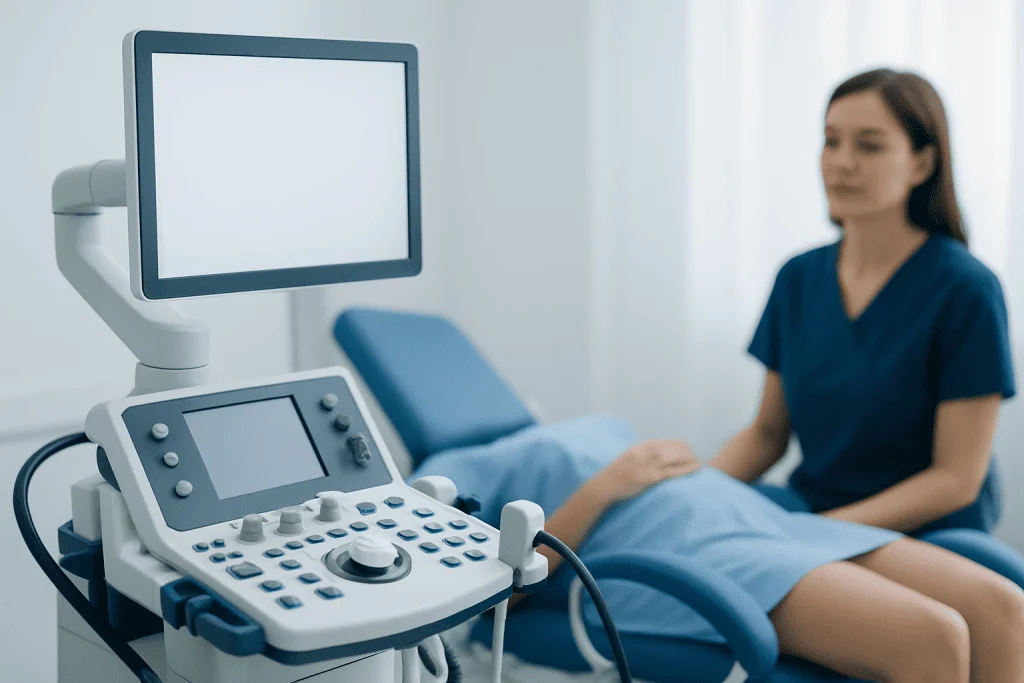
Urogynecologists care for a range of pelvic floor conditions. The most common include urinary incontinence, overactive bladder, pelvic organ prolapse, recurrent urinary tract symptoms related to pelvic floor dysfunction, and difficulty emptying the bladder. They may also evaluate bowel leakage, chronic pelvic floor weakness, and symptoms that occur after childbirth or pelvic surgery.
Pelvic organ prolapse happens when pelvic organs drop from their usual position and press into or outside the vagina. This may feel like heaviness, pressure, pulling, or a bulge. Patients with symptoms of pelvic organ prolapse often benefit from specialist assessment because treatment depends on which organs are involved and how much the condition affects daily life.
Another frequent reason for referral is urinary incontinence, including stress incontinence, urge incontinence, or mixed incontinence. A urogynecologist can help sort out the type of leakage, which matters because each type responds best to different treatments.
- Urine leakage with coughing, laughing, sneezing, or exercise
- A sudden strong urge to urinate that is hard to control
- Frequent urination or waking often at night to urinate
- A feeling of vaginal bulging or pelvic pressure
- Trouble starting urination or fully emptying the bladder
- Bowel control problems related to pelvic floor weakness
Symptoms that may mean it is time to see a urogynecologist

Many patients are referred after symptoms persist despite basic treatment, but a referral can also be appropriate earlier if symptoms affect work, sleep, exercise, intimacy, or confidence. Leakage that requires pads, urgency that causes fear of not reaching the toilet, or pelvic pressure that limits activity are all valid reasons to seek evaluation.
Symptoms can be subtle at first. Some people notice a need to urinate more often, a sensation of incomplete emptying, constipation that worsens with pelvic pressure, or discomfort after standing for long periods. Others feel a lump or bulge at the vaginal opening, especially later in the day or after lifting.
Symptoms are not always caused by a pelvic floor disorder, which is another reason specialist evaluation matters. Bladder infection, menopause-related changes, neurologic conditions, and other gynecologic or urologic problems can sometimes cause similar complaints. A careful assessment helps identify the underlying cause and guide the safest treatment.
Why pelvic floor problems happen: causes and risk factors
Pelvic floor disorders often develop when the muscles, ligaments, and connective tissues that support the pelvic organs become stretched, weakened, or less coordinated. Pregnancy and vaginal childbirth are well-known contributors, especially when labor is prolonged or forceps are used. However, pelvic floor disorders can also affect people who have never given birth.
Other risk factors include aging, menopause, obesity, chronic coughing, constipation, repeated heavy lifting, prior pelvic surgery, and conditions that increase pressure inside the abdomen. Genetics may also play a role, as some people naturally have connective tissue that is more prone to stretching.
Symptoms often result from more than one factor. For example, a patient may have mild prolapse plus overactive bladder, or stress incontinence plus weak pelvic floor support after childbirth. Understanding the full picture helps the urogynecologist design a treatment plan that targets both symptoms and causes.
What to expect at the appointment and how diagnosis is made
A urogynecology visit usually begins with a detailed discussion of symptoms, medical history, childbirth history, bowel and bladder habits, medications, and prior treatments. Patients may be asked when leakage happens, how often urgency occurs, whether they feel a vaginal bulge, and how symptoms affect daily life. Bringing a bladder diary can be helpful.
The physical exam often includes an abdominal and pelvic exam to assess pelvic organ support, tissue health, pelvic floor muscle strength, and areas of tenderness. A urine test may be done to check for infection or blood. In some cases, the doctor may measure how much urine remains in the bladder after urination.
Additional testing is not always needed, but it can be useful when symptoms are complex or surgery is being considered. Tests may include bladder function studies, cystoscopy, or imaging. These investigations help clarify whether symptoms relate to bladder overactivity, outlet weakness, prolapse, obstruction, or another issue.
The goal of diagnosis is not only to name a condition but to understand how severe it is and what matters most to the patient. Treatment decisions are often based on symptom burden, lifestyle goals, future pregnancy plans, and whether non-surgical options have already been tried.
How a urogynecologist treats pelvic floor disorders
Treatment depends on the exact diagnosis, symptom severity, general health, and patient preference. Many pelvic floor conditions improve with conservative care. This may include bladder training, timed voiding, fluid and caffeine adjustments, treatment of constipation, weight management, and referral for pelvic floor rehabilitation. Pelvic floor physical therapy can help patients learn how to strengthen, relax, and coordinate the pelvic muscles correctly.
Medicines may be used for urgency, overactive bladder, or vaginal tissue changes linked to menopause. Devices can also help. For example, a pessary is a removable support placed in the vagina that may reduce prolapse symptoms and, in some patients, improve bladder leakage. It can be a very good option for those who want non-surgical treatment or who wish to avoid surgery for the time being.
When symptoms are more severe or conservative treatments have not helped enough, procedures or surgery may be considered. Surgical options vary widely and may include repairs for prolapse or operations to support the urethra in stress incontinence. Depending on the condition, patients may be evaluated for urogynecology surgery or selected minimally invasive approaches such as robotic surgery. The best choice depends on anatomy, symptom pattern, and the patient’s goals.
Good treatment planning is individualized. A patient with mild prolapse and minimal bother may need only monitoring and self-care, while another with major leakage during exercise may benefit from targeted intervention. A urogynecologist helps weigh benefits, limitations, and recovery considerations of each option.
Prevention, self-care, and daily habits that may help
Not every pelvic floor disorder can be prevented, but healthy habits may reduce symptoms or slow progression. Avoiding chronic straining is important, so constipation should be addressed with adequate fluids, fiber, physical activity, and medical advice when needed. Maintaining a healthy weight may also reduce pressure on the pelvic floor.
Pelvic floor muscle exercises can help some patients, especially when taught correctly. Technique matters, and doing the wrong muscles or over-tightening can sometimes worsen symptoms. If there is uncertainty, a pelvic floor therapist or urogynecologist can guide training more effectively than self-directed exercises alone.
Bladder-friendly habits may also help. These include limiting excessive caffeine if it triggers urgency, avoiding unnecessary “just in case” urination that can train the bladder to signal too often, and treating chronic cough if present. After childbirth or pelvic surgery, early attention to symptoms can make recovery more comfortable and may prevent problems from becoming more disruptive.
When to seek medical care
Medical care is appropriate when bladder or pelvic floor symptoms are frequent, bothersome, or changing daily activities. A person should consider seeing a doctor if they have regular urine leakage, pelvic pressure or bulging, difficulty emptying the bladder, repeated urgency, or bowel control problems. It is also reasonable to ask for a referral when symptoms persist despite lifestyle changes or basic treatment.
Prompt evaluation is especially important if there is blood in the urine, pain with fever, sudden inability to urinate, a rapidly worsening vaginal bulge, or new symptoms after pelvic surgery or childbirth. These signs do not always mean an emergency, but they should not be ignored.
Patients can start with a primary care doctor, gynecologist, or urologist, but a urogynecologist may be the most appropriate specialist when symptoms suggest a pelvic floor disorder or when previous treatment has not helped enough. For international patients who need coordinated assessment and treatment, Acibadem International’s multidisciplinary specialists in JCI-accredited hospitals diagnose and treat pelvic floor conditions with individualized care plans.
Frequently asked questions
Is a urogynecologist the same as a gynecologist?
No. A gynecologist provides broad care for reproductive health, while a urogynecologist has extra training in pelvic floor disorders such as incontinence, prolapse, and bladder dysfunction. Many patients are referred to a urogynecologist when symptoms are persistent, complex, or not improving with initial treatment.
Do patients need a referral to see a urogynecologist?
This depends on the country, healthcare system, and insurance plan. Some patients can book directly, while others need a referral from a primary care doctor, gynecologist, or urologist. If symptoms are affecting quality of life, it is reasonable to ask whether specialist assessment is appropriate.
What is the difference between a urologist and a urogynecologist?
A urologist treats urinary tract conditions in all genders and may also care for male reproductive conditions. A urogynecologist focuses specifically on pelvic floor disorders in women and people assigned female at birth, especially when bladder symptoms overlap with vaginal or pelvic support problems.
Will treatment always require surgery?
No. Many patients improve with pelvic floor physical therapy, bladder training, lifestyle changes, medicines, or a pessary. Surgery is usually considered when symptoms are more severe or when non-surgical treatments have not provided enough relief.
Are pelvic floor symptoms normal after childbirth or with aging?
These symptoms are common, but they should not be dismissed as something a person must simply tolerate. Leakage, pelvic pressure, and prolapse can often be treated effectively. Seeking care early may make treatment simpler and more successful.
How should a patient prepare for a urogynecology visit?
It helps to bring a list of symptoms, current medicines, prior surgeries, pregnancies, and childbirth history. A bladder diary showing fluid intake, urination times, urgency, and leakage episodes over a few days can be very useful. Patients should also be ready to discuss how symptoms affect sleep, work, exercise, and daily routines.
References
- American Urogynecologic Society
- American College of Obstetricians and Gynecologists
- National Institute of Diabetes and Digestive and Kidney Diseases
- Mayo Clinic
- National Health Service
This article is for general information only and is not a substitute for professional medical advice. Please consult a qualified doctor about your individual situation.
Persistent digestive symptoms? Get evaluated in Turkey
JCI-accredited · board-certified surgeons · reply within 24h