Enlarged Uterus Explained: Causes, Management, and When to See a Doctor

An enlarged uterus is a clinical finding, not a disease on its own. Common causes include fibroids, adenomyosis, pregnancy-related changes, and less often other uterine conditions.
Key Takeaways
- An enlarged uterus is a clinical finding, not a disease on its own.
- Common causes include fibroids, adenomyosis, pregnancy-related changes, and less often other uterine conditions.
- Symptoms can include heavy periods, pelvic pressure, bloating, pain, frequent urination, or no symptoms at all.
- Evaluation usually includes a pelvic exam and imaging, especially pelvic ultrasound.
- Treatment depends on the cause, symptom severity, age, and fertility plans.
An enlarged uterus means the uterus is bigger than expected for a person’s age and life stage. It is not a diagnosis by itself, but a finding that may be linked to common conditions such as fibroids, adenomyosis, or pregnancy-related changes and should be assessed in context with symptoms and medical history.
What an enlarged uterus means
An enlarged uterus means the womb is bigger than usual. This can happen for several reasons, including benign growths such as fibroids, thickening of the uterine wall known as adenomyosis, pregnancy-related changes, or less commonly other gynecologic conditions. In some people, an enlarged uterus causes noticeable symptoms; in others, it is found during a routine pelvic exam or imaging test.
The uterus naturally changes size throughout life. It becomes larger during pregnancy and can also vary somewhat with age, hormonal changes, and prior pregnancies. Because of this, doctors interpret uterine size together with symptoms, menstrual history, examination findings, and imaging results rather than relying on size alone.
Many causes of an enlarged uterus are treatable and not dangerous, although some can affect comfort, fertility, bleeding, or quality of life. A careful evaluation helps determine whether monitoring, medication, or a procedure is the most appropriate next step.
Signs and symptoms that may occur
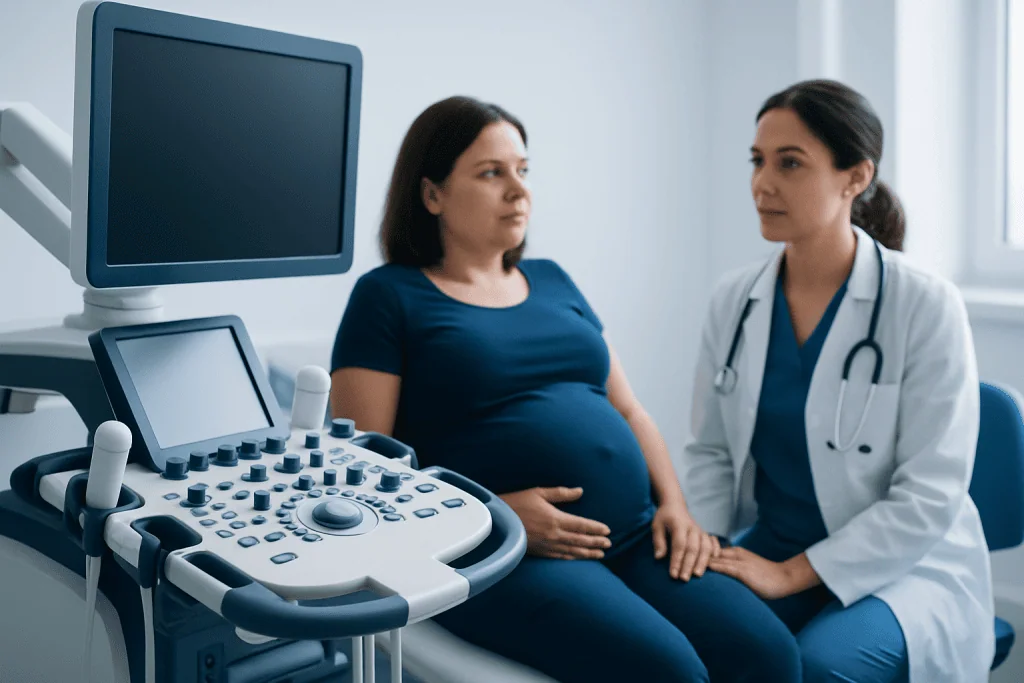
Some people with an enlarged uterus have no symptoms. Others notice changes that develop gradually over time. The pattern often depends on the underlying cause, how much the uterus has enlarged, and whether nearby organs such as the bladder or bowel are being affected.
Possible symptoms include:
- Heavy or prolonged menstrual bleeding
- Pelvic pressure, fullness, or a feeling of heaviness
- Lower abdominal swelling or bloating
- Pelvic pain or painful periods
- Pain during sex
- Frequent urination or difficulty emptying the bladder fully
- Constipation or pressure on the bowel
- Backache in some cases
If menstrual bleeding is heavy for a long time, iron-deficiency anemia can develop. This may lead to tiredness, shortness of breath with exertion, dizziness, or paleness. When these symptoms accompany heavy periods, medical assessment is especially important.
Symptoms do not always reflect severity. A relatively small lesion in a sensitive location can cause significant bleeding or pain, while a larger uterus in another person may cause only mild pressure or no symptoms at all.
Common causes and risk factors

The most common cause of an enlarged uterus is uterine fibroids, which are noncancerous growths that develop from the muscle of the uterus. Fibroids can be single or multiple and may vary greatly in size. Depending on their location, they can cause heavy bleeding, pelvic pressure, urinary frequency, or fertility-related concerns.
Another frequent cause is adenomyosis, a condition in which tissue similar to the uterine lining grows into the muscular wall of the uterus. This often leads to a uniformly enlarged, tender uterus and may cause painful periods, heavy bleeding, and chronic pelvic discomfort. Endometriosis can coexist with adenomyosis and may add to pelvic pain, although it does not typically enlarge the uterus itself. In some cases, doctors also evaluate related conditions such as endometriosis when symptoms suggest overlap.
Pregnancy and the period after childbirth are normal situations in which the uterus enlarges. Less commonly, ovarian cysts or pelvic masses may create a sensation of enlargement or be mistaken for a uterine problem until imaging clarifies the source. Rarely, cancers of the uterus or other pelvic organs may be involved, especially after menopause or when there is unusual bleeding, unexplained weight loss, or persistent worsening symptoms.
Risk factors depend on the cause. For fibroids and adenomyosis, risk may be influenced by age during the reproductive years, hormonal exposure, family history, previous childbirth, and other individual factors. A doctor considers these details together rather than assuming one cause from symptoms alone.
How doctors diagnose an enlarged uterus
Diagnosis usually begins with a conversation about symptoms, menstrual pattern, reproductive history, medications, and any past pelvic conditions or surgeries. During a pelvic exam, a doctor may feel that the uterus is larger, irregular in shape, or tender. While this exam gives useful clues, it cannot reliably determine the exact cause on its own.
The most common next step is pelvic ultrasound. This test can show the size of the uterus and help identify fibroids, adenomyosis, ovarian cysts, or other structural changes. In some situations, especially when the findings are complex or surgery is being considered, a pelvic MRI may offer more detailed information.
Additional tests may include a pregnancy test, blood tests to check for anemia, and sometimes hormone or thyroid testing if bleeding is abnormal. If a person has abnormal uterine bleeding, particularly after age 45 or after menopause, a doctor may recommend sampling the uterine lining to rule out precancerous or cancerous changes.
Accurate diagnosis matters because treatment differs by cause. For example, fibroids may be managed differently from adenomyosis, and a pressure symptom caused by a pelvic mass requires a different approach from one caused by a diffusely enlarged uterine wall.
Treatment options and how choices are made
Treatment for an enlarged uterus depends on the cause, the severity of symptoms, age, plans for pregnancy, and overall health. If symptoms are mild and tests do not suggest a serious problem, watchful waiting may be reasonable. Many patients only need periodic follow-up to monitor symptoms and uterine size.
When bleeding or pain is affecting daily life, medications may help. These can include pain-relieving medicines, hormonal therapies that reduce bleeding, or other medicines chosen by a gynecologist based on the diagnosis. If anemia is present, iron treatment may also be recommended. Medication can control symptoms, but it does not always remove the structural cause.
For fibroids or adenomyosis that cause significant symptoms, minimally invasive or surgical treatment may be considered. Depending on the situation, this might include procedures to remove fibroids, reduce blood flow to them, or remove the uterus when other measures are not suitable or desired. In selected patients, options such as myomectomy or uterine fibroid embolization may be discussed. Some patients with complex symptoms may also benefit from advanced evaluation through gynecologic care.
The best plan is individualized. Someone hoping to preserve fertility may choose differently from someone who has completed childbearing and wants definitive symptom relief. Shared decision-making with a qualified gynecologist is important to balance symptom control, recovery time, and reproductive goals.
Self-care, monitoring, and daily living
Self-care does not replace medical treatment, but it can help people manage symptoms while evaluation is underway or alongside treatment. Tracking menstrual bleeding, pain levels, pelvic pressure, and bladder or bowel symptoms can make appointments more productive. Noting when symptoms worsen can also help identify triggers and guide treatment decisions.
If heavy periods are causing fatigue, a doctor may check for anemia. Eating iron-rich foods may support overall health, but persistent or significant blood loss needs medical attention rather than diet alone. Gentle exercise, regular sleep, hydration, and strategies such as using a heating pad for cramps may help some people feel more comfortable.
People with pelvic pressure may find that symptoms fluctuate over time. New abdominal swelling, worsening pain, or changes after menopause should not be ignored. Follow-up is important even when symptoms seem manageable, especially if imaging has shown fibroids, adenomyosis, or another uterine condition that needs monitoring.
Near the end of the care pathway, some patients seek coordinated assessment in specialized centers. Acibadem International’s multidisciplinary specialists and JCI-accredited hospitals diagnose and treat uterine conditions for international patients when expert gynecologic evaluation is needed.
When to seek medical care
A person should arrange a medical review if they notice heavy or prolonged periods, pelvic pressure, increasing abdominal fullness, pain during menstruation that is worsening, or new urinary or bowel symptoms. Care is also important if symptoms interfere with work, sleep, exercise, sexual activity, or plans for pregnancy.
Urgent medical attention is needed for very heavy bleeding, fainting, severe or sudden pelvic pain, fever, or symptoms of significant anemia such as marked weakness, shortness of breath, or dizziness. Postmenopausal bleeding always deserves prompt evaluation, even if it seems light.
Although most causes of an enlarged uterus are benign, a timely assessment helps rule out less common but important conditions and allows treatment before symptoms become more disruptive. A qualified doctor can explain what tests are appropriate and which management options fit the person’s needs and priorities.
Frequently asked questions
Is an enlarged uterus always a sign of a serious problem?
No. An enlarged uterus is often caused by common noncancerous conditions such as fibroids or adenomyosis. It still deserves medical evaluation so the cause can be confirmed and symptoms managed appropriately.
Can an enlarged uterus go back to normal size?
Sometimes it can, depending on the cause. For example, pregnancy-related enlargement usually improves after childbirth, while some hormone-related changes may lessen over time. Structural causes such as fibroids may remain unless treated, though symptoms can still be controlled.
Does an enlarged uterus affect fertility?
It can, but not always. The effect depends on the cause, size, and location of the uterine change. Some people conceive without difficulty, while others may need treatment to improve fertility or pregnancy outcomes.
Can menopause shrink an enlarged uterus?
In some cases, yes. Fibroids often shrink after menopause because hormone levels change, and related symptoms may improve. However, any new enlargement, pain, or bleeding after menopause should be checked promptly.
What test is usually used first for an enlarged uterus?
Pelvic ultrasound is usually the first imaging test. It helps show the size and shape of the uterus and can detect common causes such as fibroids or adenomyosis. Other tests may be added if more detail is needed.
When should someone worry about heavy bleeding with an enlarged uterus?
Heavy bleeding should be assessed if it is frequent, prolonged, causes fatigue or dizziness, or disrupts normal life. Urgent care is needed if bleeding is very heavy, causes fainting, or is accompanied by severe pain. Postmenopausal bleeding should always be evaluated.
References
- American College of Obstetricians and Gynecologists
- National Institute for Health and Care Excellence
- World Health Organization
- Office on Women's Health
- Royal College of Obstetricians and Gynaecologists
This article is for general information only and is not a substitute for professional medical advice. Please consult a qualified doctor about your individual situation.
Explore treatments in Turkey — costs, top hospitals & a free quote
JCI-accredited · board-certified surgeons · reply within 24h