Ed Meds: A Complete Medical Overview

ED meds usually work by increasing blood flow and are most effective when sexual stimulation is present. These medicines are not suitable for everyone, especially people taking nitrate medicines or some heart medications.
Key Takeaways
- ED meds usually work by increasing blood flow and are most effective when sexual stimulation is present.
- These medicines are not suitable for everyone, especially people taking nitrate medicines or some heart medications.
- Erectile dysfunction can be linked to vascular disease, diabetes, stress, hormone problems, or medication side effects.
- A medical evaluation helps identify the cause and guide safe, personalized treatment.
- Treatment may include medication, lifestyle changes, counseling, or specialist care depending on the situation.
ED meds are prescription medicines used to help treat erectile dysfunction, most often by improving blood flow to the penis during sexual arousal. They can be effective for many men, but the right choice depends on overall health, other medications, and the cause of symptoms.
Overview: What are ED meds?
ED meds are medicines used to treat erectile dysfunction, a condition in which a man has ongoing difficulty getting or keeping an erection firm enough for sexual activity. Most commonly, the term refers to prescription oral drugs that improve blood flow to the penis. For many patients, these medicines can reduce symptoms and improve sexual function, but they are not a cure for every cause of erectile dysfunction.
The best-known ED meds belong to a group called phosphodiesterase type 5 inhibitors, often shortened to PDE5 inhibitors. These medicines help the body respond more effectively to sexual stimulation by supporting the natural blood vessel changes involved in an erection. They do not create sexual desire on their own, and they usually work best when the underlying cause of ED is also addressed.
Erectile dysfunction is common and can happen occasionally in otherwise healthy men. However, when symptoms are persistent or distressing, it is helpful to look beyond the symptom itself. ED can sometimes be an early sign of broader health issues such as circulation problems, diabetes, hormone imbalance, anxiety, or side effects from medication. That is why medical guidance is an important part of choosing and using ED meds safely.
How ED meds work and what to expect
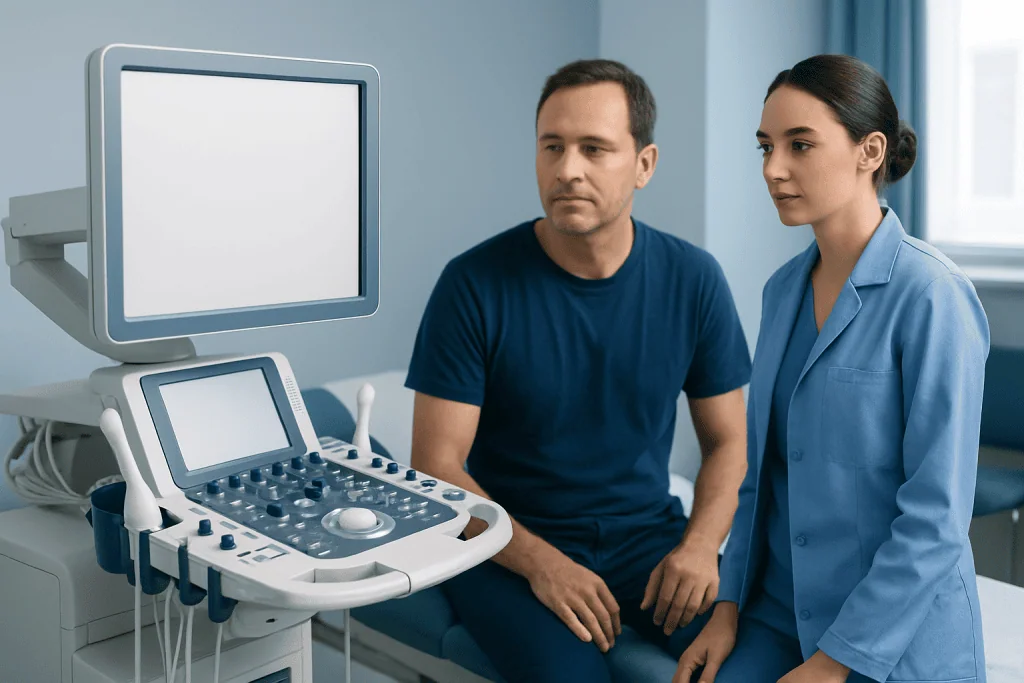
Most ED meds work by relaxing smooth muscle and widening blood vessels in the penis, which improves blood flow when a man is sexually aroused. Because they support a natural body process, they generally require sexual stimulation to be effective. This is an important point, as some people expect an automatic erection after taking a tablet, which is not how these medicines usually work.
Different medicines in this group vary in how quickly they begin to work and how long their effects may last. Some are taken shortly before sexual activity, while others may be used in a lower daily dose for selected patients. A doctor will consider medical history, preferred timing, side effect profile, and frequency of sexual activity when helping choose the most suitable option.
Even when the medicine is appropriate, results are not always immediate with the first use. Some men need several attempts under the right conditions before deciding whether a treatment is effective. Alcohol use, heavy meals, stress, fatigue, poor sleep, and relationship concerns can all influence how well ED meds seem to work in real-life situations.
- They improve the body’s normal erectile response rather than increasing desire.
- They differ in onset and duration.
- They should be used exactly as prescribed.
- A medicine that works well for one person may not be the best option for another.
Who may benefit from ED meds

ED meds may help men with erectile dysfunction related to vascular changes, diabetes, high blood pressure, aging, stress, or recovery after some medical treatments. They are often considered after a basic medical assessment confirms that medication is likely to be safe and appropriate. For some men, they are the first treatment tried; for others, they are one part of a broader plan.
These medicines may be less effective when erectile dysfunction is caused by severe nerve injury, advanced vascular disease, or certain structural problems of the penis. They also may not fully address symptoms if low testosterone, depression, or relationship difficulties are the main contributing factors. In these situations, medication may still be used, but additional evaluation and treatment are often needed.
Because erectile dysfunction sometimes reflects an underlying medical condition, clinicians often evaluate heart and blood vessel risk factors at the same time. Men with symptoms of erectile dysfunction may also benefit from assessment for diabetes, cholesterol disorders, obesity, sleep problems, and smoking-related vascular disease. Treating these factors can improve both sexual health and overall health.
Safety, side effects, and who should avoid them
ED meds are generally well studied, but they are not safe for everyone. The most important safety concern is interaction with nitrate medicines, which are used for some heart conditions and chest pain. Taking ED meds with nitrates can cause a dangerous drop in blood pressure. Some men taking certain blood pressure medicines, alpha-blockers, or drugs that affect liver metabolism may also need special caution.
Common side effects can include headache, flushing, nasal congestion, indigestion, dizziness, or changes in vision, depending on the specific drug. Many side effects are mild and temporary, but bothersome symptoms should be discussed with a doctor. People with significant heart disease, severe low blood pressure, recent stroke, recent heart attack, or unstable chest pain may need a different approach or further assessment before using these medicines.
Rare but urgent symptoms need immediate medical care. These include chest pain after taking the medicine, a prolonged or painful erection, sudden vision loss, or sudden hearing changes. Patients should also be cautious about buying ED products online without medical review, as some supplements or unregulated pills may contain hidden ingredients or unsafe drug combinations.
Medical evaluation and diagnosis
A medical evaluation for erectile dysfunction often begins with a detailed history rather than a test alone. A doctor may ask about how long symptoms have been present, whether erections occur during sleep or masturbation, how symptoms affect quality of life, and whether there are relationship or psychological factors involved. Medication history, alcohol intake, smoking, physical activity, and sleep patterns are also important.
Physical examination may include blood pressure measurement and assessment of the genitals, circulation, and signs of hormone imbalance or nerve problems. Blood tests can be used when clinically indicated to check blood sugar, cholesterol, kidney function, testosterone, or other hormone levels. Depending on the person’s symptoms and medical history, a doctor may also assess cardiovascular risk because ED can be linked to blood vessel disease.
Further testing is not necessary for everyone, but in selected cases it may help clarify the cause. Men with more complex symptoms may be referred to a urologist for specialized assessment and urology care. Identifying the cause matters because treatment works best when it addresses the whole picture, not only the erection problem itself.
Treatment options beyond pills
Although oral ED meds are a common first treatment, they are only one option. If a medicine does not work well, causes side effects, or is not medically suitable, a doctor may consider other approaches. These can include adjusting contributing medications, treating low testosterone when appropriate, counseling for anxiety or relationship stress, or using non-oral treatments.
Other medical options may include vacuum erection devices, self-administered injectable medicines, urethral medication, or surgical treatment for carefully selected patients. In men with severe or treatment-resistant erectile dysfunction, penile prosthesis surgery may be discussed as a long-term option. This is usually considered only after a full specialist evaluation and when less invasive treatments have not been successful or are not appropriate.
Because erectile dysfunction may overlap with broader men’s health concerns, care is often most effective when multiple factors are addressed together. Weight management, blood sugar control, smoking cessation, treatment of sleep apnea, and support for anxiety or depression can all improve outcomes. In some cases, imaging or specialist review may be used to assess circulation or structural issues affecting erections.
For men whose symptoms are part of a wider genitourinary concern, coordinated evaluation through andrology care may be helpful. Near the end of the treatment pathway, some international patients choose centers such as Acibadem International, where multidisciplinary specialists in JCI-accredited hospitals diagnose and treat erectile dysfunction and related conditions.
Self-care and lifestyle measures that support treatment
Lifestyle changes cannot replace prescription treatment in every case, but they often make ED meds work better and may improve erectile function over time. Good cardiovascular health supports penile blood flow, so practical steps such as regular exercise, balanced nutrition, smoking cessation, and limiting excess alcohol can be meaningful. Better sleep and stress management are also important because fatigue and anxiety commonly affect sexual performance.
Men who have obesity, diabetes, high blood pressure, or high cholesterol may see improvement when these conditions are treated consistently. Emotional and relationship factors also deserve attention. Open communication with a partner, realistic expectations, and support from a qualified mental health professional or sexual health counselor can reduce performance anxiety and improve treatment response.
It is also wise to use ED meds only as prescribed and to avoid combining them with unapproved supplements or recreational substances. If a medicine seems ineffective, it is safer to review timing, food intake, alcohol use, and dose instructions with a doctor rather than increasing use independently. Self-treatment without medical guidance can delay diagnosis of an underlying condition.
When to seek medical care
Medical care is recommended when erectile difficulties are persistent, recurrent, or causing distress. A doctor should also be consulted if ED appears suddenly, develops at a younger age without a clear reason, or occurs along with low libido, infertility concerns, penile curvature, pain, urinary symptoms, or signs of hormonal change. These details can help identify whether the cause is vascular, hormonal, neurological, medication-related, or psychological.
Urgent medical attention is needed for chest pain after taking ED medication, fainting, severe shortness of breath, a prolonged erection lasting several hours, sudden vision loss, or sudden hearing loss. These symptoms are uncommon, but they should not be ignored. Men with known heart disease should ask a clinician whether sexual activity and ED medicines are safe for them before starting treatment.
Seeking care early can be beneficial even if symptoms seem mild. Erectile dysfunction is sometimes an early marker of conditions such as diabetes or blood vessel disease, and early evaluation can support wider preventive care. A prompt review can also help distinguish temporary stress-related symptoms from a more persistent medical issue.
Frequently asked questions
Are ED meds safe for most men?
ED meds are safe for many men when prescribed after a medical review. They are not safe for everyone, especially people taking nitrate medicines or those with certain unstable heart conditions. A doctor can check for interactions and decide whether another option is safer.
Do ED meds increase sexual desire?
No. Most ED meds help improve the physical blood flow response needed for an erection, but they do not usually increase libido. If low sexual desire is also present, a doctor may look for hormone, emotional, or relationship factors.
How quickly do ED meds work?
The timing depends on the specific medicine, the person’s metabolism, food intake, and other factors. Some begin working relatively quickly, while others last longer and may be used in a different dosing pattern. The prescribing doctor will explain how and when to take the chosen medication.
What if ED meds do not work the first time?
A first attempt does not always show the full benefit. Timing, sexual stimulation, alcohol use, heavy meals, anxiety, and sleep quality can all affect results. If the medicine does not seem helpful, it is best to speak with a doctor rather than stopping or changing the dose independently.
Can erectile dysfunction be a sign of another health problem?
Yes. Erectile dysfunction can be linked to diabetes, high blood pressure, cholesterol disorders, obesity, hormonal changes, depression, anxiety, or vascular disease. Because of this, evaluation is often about more than sexual function alone.
Are non-prescription ED products a good alternative?
Caution is recommended with over-the-counter or online products marketed for ED. Some may contain hidden prescription ingredients or contaminants, and others may be ineffective. It is safer to use medically approved treatment after a proper assessment.
References
- National Institute of Diabetes and Digestive and Kidney Diseases
- American Urological Association
- European Association of Urology
- National Health Service
- Mayo Clinic
This article is for general information only and is not a substitute for professional medical advice. Please consult a qualified doctor about your individual situation.
Explore treatments in Turkey — costs, top hospitals & a free quote
JCI-accredited · board-certified surgeons · reply within 24h
Check your numbers in seconds
BMI, calories, due date, blood pressure and 30+ more clinical calculators — free, instant, doctor-reviewed ranges.

More from the Health Library



Related Specialists

Prof. Dr. Mehmet Ada
Otorhinolaryngology
Assoc. Prof. Dr. Seher Tanrıkulu
Endocrinology
Assoc. Prof. Dr. Alper Eken
Urology
Prof. Dr. Korkut Atalan
Anesthesiology