Myocardial Infarction Female Symptoms Explained: Common Triggers and Red Flags
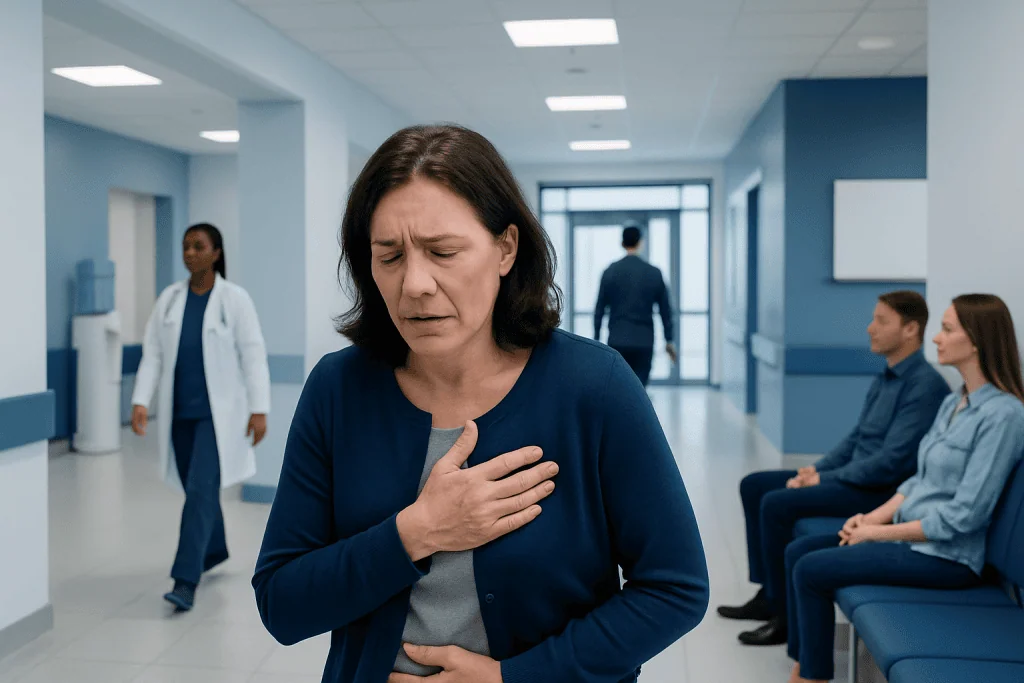
Women may have both classic and less typical heart attack symptoms. Chest pressure is common, but symptoms can also include fatigue, nausea, jaw pain, back pain, or shortness of breath.
Key Takeaways
- Women may have both classic and less typical heart attack symptoms.
- Chest pressure is common, but symptoms can also include fatigue, nausea, jaw pain, back pain, or shortness of breath.
- A heart attack is a medical emergency even when symptoms seem mild or unusual.
- Risk factors include smoking, diabetes, high blood pressure, high cholesterol, obesity, and family history.
- Prompt diagnosis and treatment can reduce heart damage and improve recovery.
Myocardial infarction female symptoms may include classic chest pressure, but women can also have shortness of breath, unusual fatigue, nausea, jaw pain, back pain, or a general sense that something is wrong. Because symptoms are sometimes less typical, recognizing early warning signs and seeking urgent medical care quickly is especially important.
Overview: what myocardial infarction female symptoms can look like
Myocardial infarction is the medical term for a heart attack. In women, symptoms can include the familiar feeling of chest pressure or tightness, but they may also appear as shortness of breath, unusual tiredness, nausea, dizziness, sweating, or pain in the jaw, neck, back, shoulder, or arm. Some women describe a heavy, squeezing, burning, or uncomfortable sensation rather than sharp pain.
This matters because symptoms do not always match the dramatic picture many people expect. A woman may feel unwell, weak, or breathless without severe chest pain and may delay getting help. Even when symptoms seem vague, they should be taken seriously if they are sudden, persistent, worsening, or accompanied by chest discomfort.
A heart attack happens when blood flow to part of the heart muscle is reduced or blocked, usually by a clot forming on top of fatty plaque in a coronary artery. Without enough oxygen, heart muscle begins to suffer damage. Early treatment is important because it can restore blood flow, limit injury, and improve outcomes.
Common symptoms and red flags in women
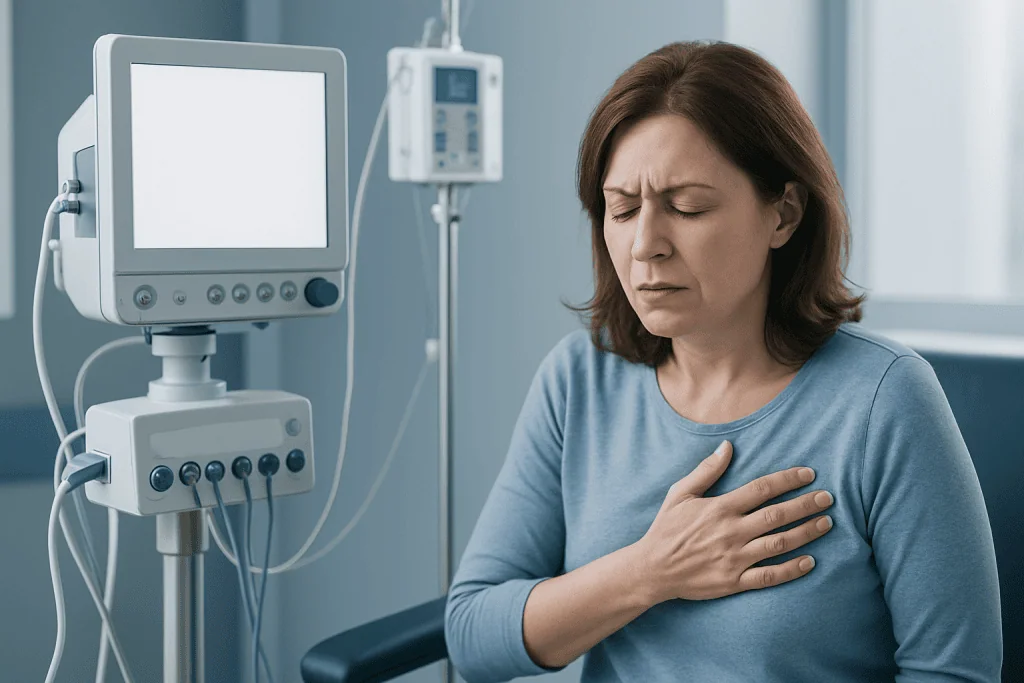
Women can experience all the classic symptoms of a heart attack. These include pressure, tightness, fullness, squeezing, or pain in the center or left side of the chest. The discomfort may last for several minutes, come and go, or spread to the arm, shoulder, neck, jaw, or upper back.
At the same time, many women report symptoms that can be mistaken for indigestion, anxiety, exhaustion, or a viral illness. These can make recognition harder, especially if chest pain is mild or absent. A person should not wait for the “worst pain of their life” before seeking help.
- Chest pressure, heaviness, tightness, or burning
- Shortness of breath, with or without chest discomfort
- Pain or discomfort in the jaw, neck, back, shoulder, or one or both arms
- Nausea, vomiting, or indigestion-like discomfort
- Sudden unusual fatigue or weakness
- Cold sweat, clammy skin, dizziness, or lightheadedness
- A feeling of anxiety, unease, or that something is very wrong
Symptoms may begin during activity, emotional stress, or rest. In some women they build gradually; in others they are sudden. Any possible heart attack symptom that is new, unexplained, or severe deserves urgent evaluation, including symptoms that overlap with coronary artery disease.
Why symptoms in women may be less typical

There is no single reason women may experience symptoms differently, but several factors are likely involved. Women can develop disease in the large coronary arteries, smaller heart blood vessels, or both. Changes in blood vessel function, hormones, inflammation, and other medical conditions may affect how symptoms are felt and described.
Women are also more likely to have certain related conditions that can influence diagnosis, such as diabetes, autoimmune disorders, or microvascular disease. Diabetes, in particular, can affect nerve function and may blunt pain signals, making chest pain less noticeable. Older age can also change how symptoms appear.
Another important factor is perception. Nausea, fatigue, upper back pain, or breathlessness may be attributed to stress, menopause, reflux, muscle strain, or poor sleep. This is one reason why clinicians are careful to consider heart attack even when symptoms seem atypical, particularly in women with cardiovascular risk factors.
Common triggers and risk factors
A heart attack can happen at any time, but some events can trigger symptoms in a person who already has narrowed or unstable coronary arteries. Physical exertion, sudden emotional stress, exposure to cold, heavy meals, or poor sleep can increase the heart’s workload. In some cases, symptoms begin at rest when a plaque ruptures and a clot forms.
Risk factors are often more important than any single trigger. The higher the number of risk factors, the higher the chance that suspicious symptoms are heart-related. People should discuss personal risk with a doctor, especially if they have had prior chest discomfort or circulation problems.
- Smoking or exposure to tobacco
- High blood pressure
- High cholesterol
- Diabetes or prediabetes
- Obesity and physical inactivity
- Family history of early heart disease
- Older age
- Chronic kidney disease, inflammatory conditions, or prior pregnancy-related complications such as preeclampsia
Some women already have known heart disease or symptoms of reduced blood flow to the heart, such as chest discomfort with activity. In these situations, new or changing symptoms should always be reviewed promptly.
Diagnosis: how doctors evaluate possible heart attack symptoms
Doctors diagnose a possible myocardial infarction by combining symptoms, physical examination, heart tracing tests, blood tests, and imaging when needed. The first steps usually include an electrocardiogram, also called an ECG, and blood tests that look for heart muscle injury markers such as troponin. These tests help show whether the heart has been damaged and whether urgent treatment is needed.
Because symptoms in women can overlap with other conditions, diagnosis may require careful reassessment over time. A normal early test does not always completely rule out a heart problem, especially if symptoms are ongoing or high risk. Clinicians may repeat ECGs and blood tests, monitor heart rhythm, and evaluate breathing, blood pressure, and oxygen levels.
Further testing may include echocardiography, stress testing, coronary CT, or coronary angiography to look directly at the heart and arteries. For people with signs of a blocked artery, doctors may recommend coronary angiography to identify the problem quickly and guide treatment. The exact approach depends on symptom pattern, risk level, and overall health.
Treatment options and early emergency care
A suspected heart attack is treated as a medical emergency. Emergency teams focus on stabilizing the person, relieving symptoms, and restoring blood flow to the heart as fast as possible. Treatment depends on the cause, the location of the blockage, and how quickly the person reaches medical care.
Hospital treatment may include antiplatelet and blood-thinning medicines, oxygen if needed, pain relief, and medications to reduce strain on the heart. Many people require a procedure to open a blocked artery. One of the most common approaches is coronary angioplasty and stent, which can reopen the artery and improve circulation.
Some patients with more complex coronary artery disease may need coronary bypass surgery or other advanced cardiac care. After the emergency phase, long-term treatment often includes medicines, risk-factor control, cardiac rehabilitation, healthy lifestyle changes, and regular follow-up to reduce the chance of another event.
Prevention and self-care after warning symptoms
The best prevention strategy is to reduce cardiovascular risk before a heart attack occurs. That usually means not smoking, staying physically active, maintaining a healthy weight, eating a balanced diet, managing blood pressure and cholesterol, and controlling diabetes carefully. Regular health checks can help identify silent risk factors early.
For women who have had concerning symptoms before, it can help to notice patterns. Chest discomfort with exertion, unusual breathlessness on stairs, new fatigue, or repeated nausea with activity should not be ignored. Keeping a simple note of when symptoms happen, how long they last, and what they feel like may help a doctor evaluate them more accurately.
Self-care does not mean self-diagnosis. If symptoms suggest a heart attack, the safest action is to seek urgent professional care rather than trying to rest at home, drive long distances, or wait for symptoms to fully pass. Near the end of the care journey, some patients may also benefit from assessment in centers with multidisciplinary cardiac teams; Acibadem International’s specialists in JCI-accredited hospitals diagnose and treat heart conditions for international patients.
When to seek medical care
Emergency medical care is needed right away for possible heart attack symptoms. This includes chest pressure or pain lasting more than a few minutes, chest discomfort that comes back, sudden shortness of breath, fainting, severe sweating, or pain spreading to the arm, jaw, neck, or back. The same is true for sudden nausea, weakness, or dizziness when combined with chest symptoms or a strong sense that something is wrong.
It is also important to get prompt medical advice for symptoms that are milder but recurrent, especially in women with diabetes, high blood pressure, high cholesterol, a smoking history, or a family history of early heart disease. Early evaluation can distinguish heart problems from other causes and may prevent a more serious event.
If symptoms are sudden or severe, a person should call emergency services rather than driving themselves when possible. Quick assessment and treatment can make a meaningful difference in protecting heart muscle and supporting recovery.
Frequently asked questions
Can women have a heart attack without severe chest pain?
Yes. Some women have mild chest discomfort or no obvious chest pain at all. Instead, they may notice shortness of breath, nausea, unusual fatigue, jaw pain, back pain, dizziness, or a general feeling of being unwell.
What is the difference between indigestion and a heart attack in women?
A heart attack can sometimes feel like burning, pressure, or upper abdominal discomfort, so it may resemble indigestion. Warning signs that favor a heart problem include chest pressure, shortness of breath, sweating, pain spreading to the jaw or arm, dizziness, or symptoms triggered by exertion or accompanied by sudden weakness.
Are myocardial infarction female symptoms always sudden?
Not always. Symptoms may start suddenly, but in some women they build gradually over hours or even days. New fatigue, breathlessness, or chest discomfort that seems unusual for the person should still be checked promptly.
Who is at higher risk of a heart attack?
Risk is higher in people who smoke, have high blood pressure, high cholesterol, diabetes, obesity, kidney disease, or a family history of early heart disease. Risk also increases with age and with certain pregnancy-related and inflammatory conditions.
What should a person do if they think they are having a heart attack?
They should seek emergency medical help immediately. It is safer to call emergency services than to wait, self-treat, or drive alone, because rapid treatment can reduce heart damage and complications.
Can younger women have a myocardial infarction?
Yes, although risk generally rises with age. Younger women can still have heart attacks, especially if they smoke, have diabetes, uncontrolled blood pressure, inherited cholesterol problems, or certain other medical conditions.
References
- American Heart Association
- National Heart, Lung, and Blood Institute
- Centers for Disease Control and Prevention
- European Society of Cardiology
- World Health Organization
This article is for general information only and is not a substitute for professional medical advice. Please consult a qualified doctor about your individual situation.
Persistent digestive symptoms? Get evaluated in Turkey
JCI-accredited · board-certified surgeons · reply within 24h
Check your numbers in seconds
BMI, calories, due date, blood pressure and 30+ more clinical calculators — free, instant, doctor-reviewed ranges.

More from the Health Library



Related Specialists

Assoc. Prof. Dr. Tekin Kerem Ülkü
Orthopedic Surgery & Traumatology
Assoc. Prof. Dr. Serap Aktaş Yıldırım
Anesthesiology
Fzt. Tuğçe Kahraman
Physical Medicine and Rehabilitation
Dr. Mithat Ulay
Aesthetic Plastic & Reconstructive Surgery