Hyperpnea: What Patients Need to Know

Hyperpnea means deeper breathing than usual and may also include faster breathing. It can be normal during exercise, fever, pregnancy, or high altitude, but it may also signal an underlying medical problem.
Key Takeaways
- Hyperpnea means deeper breathing than usual and may also include faster breathing.
- It can be normal during exercise, fever, pregnancy, or high altitude, but it may also signal an underlying medical problem.
- Common causes include lung disease, heart disease, metabolic disturbances, infections, and anxiety or panic.
- Doctors diagnose the cause through a clinical exam and may use pulse oximetry, blood tests, chest imaging, or lung function testing.
- Treatment focuses on the underlying cause rather than the breathing pattern alone.
- Urgent medical care is needed if hyperpnea occurs with chest pain, bluish lips, confusion, severe shortness of breath, or fainting.
Hyperpnea is breathing that becomes deeper than normal, sometimes with a faster rate, to meet the body’s increased need for oxygen or to remove more carbon dioxide. It can happen normally during exercise, but it may also appear with lung, heart, metabolic, or anxiety-related conditions and should be evaluated when it is unexplained, severe, or persistent.
What hyperpnea means
Hyperpnea is a pattern of breathing in which breaths become deeper than normal. In many cases, breathing also becomes faster, but the key feature is increased depth of breathing. This change helps the body bring in more oxygen and remove more carbon dioxide when the body’s needs rise.
Hyperpnea is not always a sign of disease. It commonly happens during exercise, emotional stress, fever, pregnancy, or time spent at high altitude. In these settings, the body is adjusting to a normal demand. The important question is whether the breathing pattern fits the situation or appears unexpectedly.
When hyperpnea develops without an obvious reason, lasts longer than expected, or comes with other symptoms, it may point to an underlying health problem. Possible causes include asthma, pneumonia, heart failure, acid-base imbalances, severe infections, or anxiety-related conditions. Careful evaluation helps determine whether it is a healthy response or a symptom that needs treatment.
Hyperpnea compared with other breathing changes
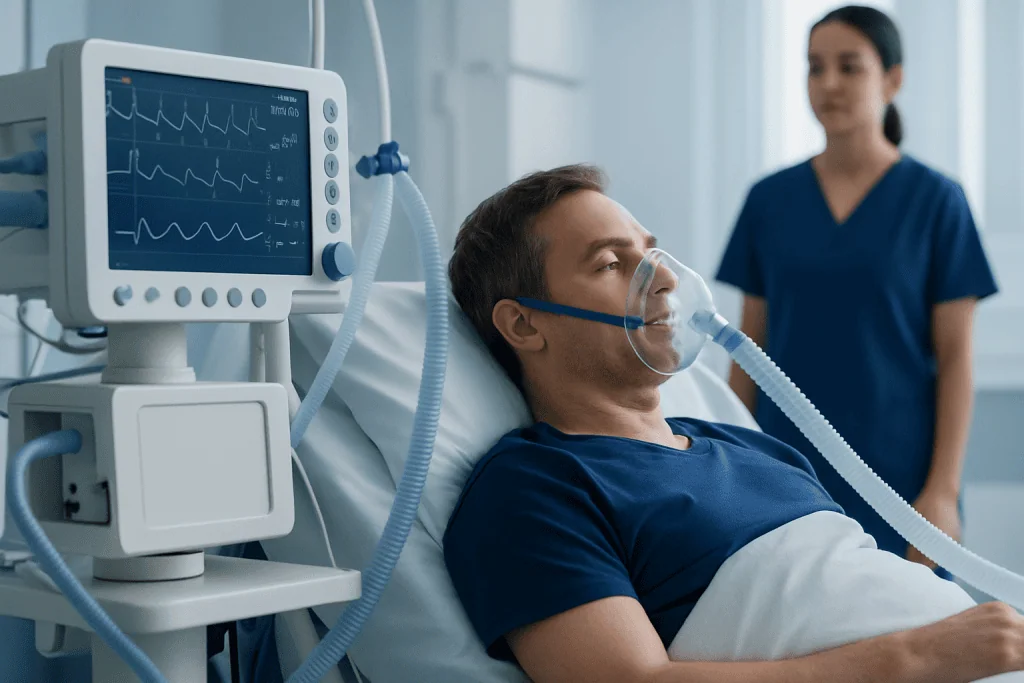
People often use several breathing terms interchangeably, but they do not mean exactly the same thing. Hyperpnea refers mainly to increased depth of breathing. Tachypnea means breathing faster than normal, usually with shallower breaths. Dyspnea means the feeling of shortness of breath or difficulty breathing, which is a symptom rather than a specific breathing pattern.
Hyperventilation is another related term. It describes breathing that removes too much carbon dioxide from the blood, often because breathing is too rapid or too deep for the body’s actual needs. Hyperpnea may be part of hyperventilation, but it can also be an appropriate response, such as during strenuous exercise.
Distinguishing between these patterns matters because the possible causes differ. For example, a person with exercise-related hyperpnea may have a normal body response, while someone with sudden deep breathing at rest may need assessment for a respiratory, cardiac, or metabolic condition.
Symptoms and signs that may occur with hyperpnea

Hyperpnea itself may be noticeable as unusually deep breathing, with the chest rising more than usual and breaths feeling stronger or more deliberate. Some people also breathe faster, feel that they cannot catch their breath, or become more aware of their breathing. Others may not notice the change until someone else points it out.
Associated symptoms depend on the cause. Lung-related causes may lead to cough, wheezing, chest tightness, fever, or low oxygen levels. Heart-related causes may be linked to fatigue, swelling in the legs, chest discomfort, or shortness of breath when lying down. Anxiety-related episodes may come with dizziness, tingling in the hands or around the mouth, sweating, or a sense of panic.
Some symptoms suggest the need for prompt medical attention. These include bluish lips or fingertips, confusion, severe shortness of breath, chest pain, fainting, or breathing that seems labored and is getting worse. In children, warning signs can include flaring nostrils, pulling in of the skin between the ribs, poor feeding, unusual sleepiness, or difficulty speaking or crying because of breathlessness.
Common causes and risk factors
Normal, non-dangerous hyperpnea can occur during physical activity because muscles use more oxygen and produce more carbon dioxide. It may also happen with fever, pregnancy, high altitude, or emotional stress. These situations raise the body’s demand or change how breathing is regulated, and the breathing pattern usually improves when the trigger passes.
Medical causes are diverse. Respiratory conditions such as asthma, chronic obstructive pulmonary disease, pneumonia, pulmonary embolism, and other lung disorders can trigger deeper breathing. Heart problems such as heart failure can also lead to hyperpnea as the body tries to compensate for reduced oxygen delivery. In some cases, doctors may assess for related conditions such as lung cancer when symptoms and imaging findings suggest a more serious underlying lung problem.
Metabolic disturbances are another important group. Diabetic ketoacidosis, kidney failure, and severe infections can change the blood’s acid-base balance, leading to deep, sometimes rapid breathing. Anxiety and panic attacks may also cause noticeable breathing changes, although a medical cause should not be assumed away without proper assessment if symptoms are new, intense, or atypical.
Risk factors depend on the underlying disorder but may include smoking, chronic lung disease, heart disease, poorly controlled diabetes, recent infection, blood clot risk, and exposure to high altitude. A personal or family history of anxiety may also contribute in some cases.
How doctors diagnose the cause
Diagnosis starts with understanding the context. A doctor will ask when the hyperpnea began, whether it occurs during activity or at rest, how long it lasts, and what symptoms accompany it. Information about fever, cough, chest pain, recent travel, anxiety symptoms, medication use, and medical history can help narrow the possibilities.
The physical examination usually includes checking breathing rate and effort, heart rate, blood pressure, temperature, and oxygen levels with pulse oximetry. Listening to the lungs and heart may reveal wheezing, crackles, or signs of fluid overload. If the person appears unwell, tests may be arranged quickly.
Depending on the situation, investigations may include blood tests, arterial or venous blood gas testing, a chest X-ray, electrocardiogram, and lung function assessment. If doctors suspect a structural or serious lung problem, advanced imaging such as a chest CT scan may be recommended. When airway disease is being evaluated, formal pulmonary function testing can help identify asthma or other breathing disorders.
The goal is not just to confirm that deeper breathing is present, but to determine why it is happening. Treatment decisions are based on the cause, the severity of symptoms, and whether there are warning signs that require urgent care.
Treatment options and what recovery depends on
There is no single treatment for hyperpnea because it is a breathing pattern, not a disease by itself. Care focuses on the underlying cause. If it occurs during exercise or at high altitude, no treatment may be needed beyond rest, hydration, pacing activity, or gradual acclimatization.
When a lung condition is responsible, treatment may include inhaled medicines, oxygen support, antibiotics if infection is present, or other respiratory therapies. For people with persistent or severe respiratory illness, doctors may recommend further evaluation and a tailored respiratory therapy and rehabilitation plan. Heart-related causes may require medication and monitoring to improve circulation and breathing.
If metabolic problems are involved, treatment aims to correct the chemical imbalance, such as managing blood sugar in diabetic ketoacidosis or treating kidney-related issues. Anxiety-related hyperpnea may improve with reassurance, breathing retraining, stress management, and mental health support when needed. Self-diagnosing anxiety is not ideal if symptoms are new or there is any concern for a medical emergency.
Recovery depends on the cause and how quickly it is recognized. Temporary hyperpnea usually settles once the trigger resolves. Ongoing or recurrent episodes often improve when the underlying condition is treated and monitored appropriately.
Prevention, self-care, and when to seek medical care
Prevention is mainly about reducing the risk of the conditions that can trigger hyperpnea. Helpful steps include not smoking, staying physically active within personal limits, keeping asthma or chronic lung disease well controlled, managing diabetes carefully, and seeking timely care for infections. People who travel to high altitude may benefit from gradual ascent and attention to hydration and exertion levels.
At home, it can help to notice patterns. Tracking when deeper breathing happens, what activities or emotions come before it, and whether symptoms such as wheezing, fever, or chest pain appear can give useful information to a clinician. Resting, sitting upright, and avoiding intense exertion may ease symptoms while waiting for advice, but severe or worsening breathing problems should not be managed only at home.
Medical care should be sought promptly if hyperpnea is unexplained, keeps returning, or interferes with daily life. Urgent assessment is especially important if it occurs with chest pain, fainting, bluish skin, confusion, severe weakness, high fever, or marked shortness of breath. Emergency care is also needed if breathing suddenly worsens or follows a possible allergic reaction, blood clot, or major infection.
For patients who need specialist evaluation, Acibadem International’s multidisciplinary specialists and JCI-accredited hospitals diagnose and treat respiratory and related conditions for international patients. If symptoms suggest a broader breathing disorder, doctors may also assess conditions such as COPD as part of a complete respiratory workup.
Frequently asked questions
Is hyperpnea always a medical problem?
No. Hyperpnea can be a normal response to exercise, fever, pregnancy, emotional stress, or high altitude. It becomes more concerning when it appears at rest without a clear reason, is severe, lasts too long, or comes with other symptoms.
What is the difference between hyperpnea and hyperventilation?
Hyperpnea means breathing more deeply than usual, sometimes along with faster breathing. Hyperventilation means breathing in a way that lowers carbon dioxide too much for the body’s needs. Hyperpnea can be appropriate, while hyperventilation often implies overbreathing.
Can anxiety cause hyperpnea?
Yes. Anxiety and panic can lead to deeper or faster breathing and make a person feel short of breath, dizzy, or tingly. Still, new or severe symptoms should be assessed by a healthcare professional to rule out lung, heart, or metabolic causes.
How is hyperpnea diagnosed?
Doctors diagnose hyperpnea by observing the breathing pattern and identifying the reason behind it. They may ask about symptoms and triggers, examine the lungs and heart, check oxygen levels, and order tests such as blood work, chest imaging, or lung function tests.
When should someone worry about hyperpnea?
Hyperpnea needs urgent medical attention if it happens with chest pain, bluish lips, confusion, fainting, severe shortness of breath, or rapidly worsening illness. It should also be evaluated if it keeps returning, happens unexpectedly at rest, or is associated with fever, cough, wheezing, or swelling.
Can hyperpnea be treated at home?
Home measures may help only when the cause is mild and obvious, such as exercise recovery or brief emotional stress. Persistent, unexplained, or severe hyperpnea should be assessed by a qualified doctor because treatment depends on the underlying cause.
References
- American Lung Association
- National Heart, Lung, and Blood Institute
- MedlinePlus
- Merck Manual Consumer Version
- World Health Organization
This article is for general information only and is not a substitute for professional medical advice. Please consult a qualified doctor about your individual situation.
Explore treatments in Turkey — costs, top hospitals & a free quote
JCI-accredited · board-certified surgeons · reply within 24h