Fatty Liver Treatment: Symptoms, Causes, and Treatment Options
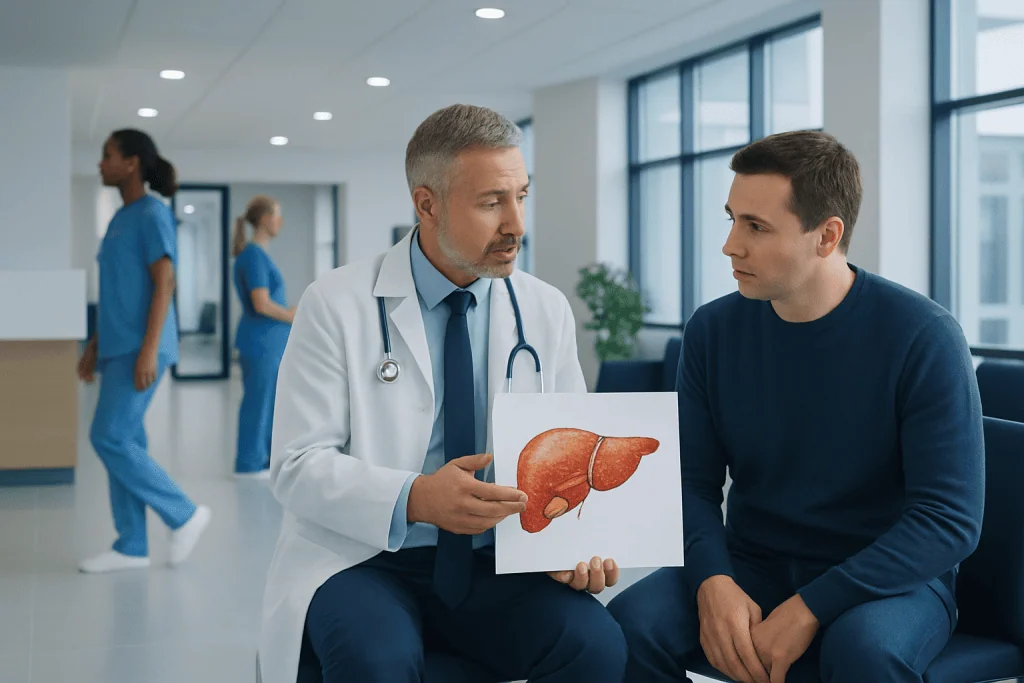
Fatty liver often causes no symptoms and is commonly found on blood tests or imaging. Treatment focuses on reducing liver fat and inflammation by targeting the underlying cause.
Key Takeaways
- Fatty liver often causes no symptoms and is commonly found on blood tests or imaging.
- Treatment focuses on reducing liver fat and inflammation by targeting the underlying cause.
- Lifestyle changes, especially weight loss and physical activity, are central to care for many patients.
- People with diabetes, obesity, high cholesterol, or heavy alcohol use have a higher risk of fatty liver disease.
- Regular follow-up helps detect liver inflammation, scarring, and related metabolic conditions early.
Fatty liver treatment usually starts with addressing the cause. For many people, this means gradual weight loss, regular exercise, healthier eating, and careful management of conditions such as diabetes, high cholesterol, or obesity; some cases also require stopping alcohol and reviewing medicines with a doctor.
Overview of fatty liver treatment
Fatty liver treatment aims to reduce excess fat in the liver, protect liver cells, and prevent progression to inflammation, scarring, or cirrhosis. The best approach depends on the type of fatty liver disease and the person’s overall health. In many cases, treatment centers on sustainable lifestyle changes rather than a single medicine or procedure.
There are two broad causes of fatty liver. One is alcohol-related liver disease, in which alcohol directly damages the liver. The other is metabolic dysfunction-associated steatotic liver disease, a term increasingly used for what many people know as nonalcoholic fatty liver disease. This form is closely linked to overweight or obesity, insulin resistance, type 2 diabetes, high cholesterol, and high triglycerides.
Fat accumulates in the liver when the body stores or produces more fat than the liver can process and export. Early fatty liver may improve completely, especially when the cause is identified and managed in time. If inflammation develops, it can progress to a more serious condition with liver cell injury and fibrosis.
Because fatty liver can overlap with other digestive and metabolic conditions, doctors may also evaluate related concerns such as gastroesophageal reflux disease or weight-related health issues when building a treatment plan.
Symptoms and possible complications
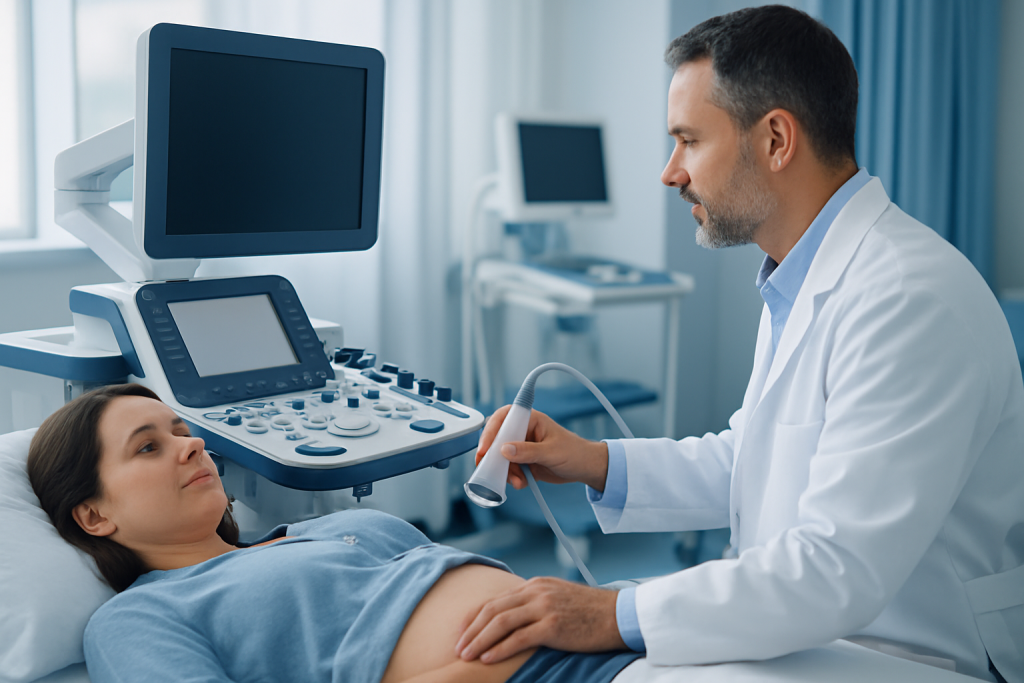
Many people with fatty liver have no symptoms at all. The condition is often discovered incidentally during routine blood work, an ultrasound, or a health check for diabetes, obesity, or abnormal cholesterol levels. When symptoms do occur, they tend to be vague and may be easy to overlook.
Possible symptoms can include tiredness, a feeling of discomfort or fullness in the upper right side of the abdomen, reduced energy, or a general sense of not feeling well. These symptoms do not confirm fatty liver on their own, because many other conditions can cause the same concerns.
If liver inflammation and scarring become more advanced, complications may develop over time. These can include fibrosis, cirrhosis, portal hypertension, liver failure, and a higher risk of liver cancer. Advanced liver disease can also affect the body more broadly, leading to swelling, jaundice, easy bruising, or confusion.
Fatty liver also matters because it is often part of a larger metabolic picture. People with fatty liver may have an increased risk of cardiovascular disease, type 2 diabetes, and chronic kidney disease, so treatment usually looks beyond the liver alone.
Causes and risk factors
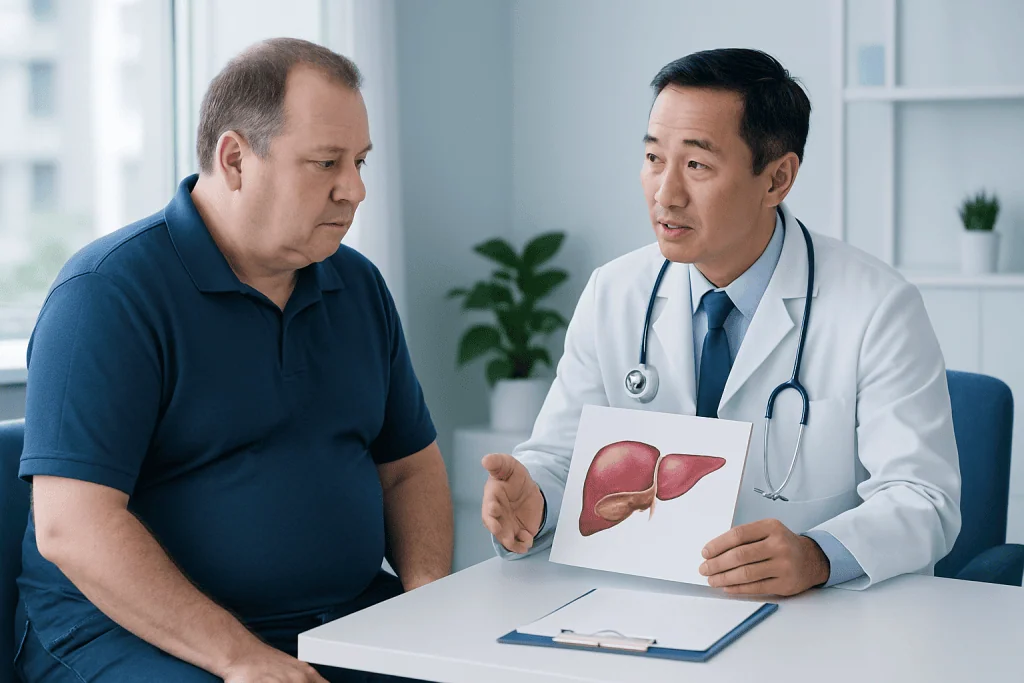
Fatty liver develops when too much fat builds up inside liver cells. In alcohol-related fatty liver disease, the main cause is regular heavy alcohol intake. In nonalcoholic or metabolic fatty liver disease, the main drivers are usually insulin resistance and metabolic health conditions that affect how the body handles fat and sugar.
Common risk factors include overweight and obesity, especially excess abdominal fat, type 2 diabetes, prediabetes, high triglycerides, low HDL cholesterol, high blood pressure, and a sedentary lifestyle. A diet high in ultra-processed foods, sugary drinks, and excess calories can also contribute. Some people develop fatty liver despite not being overweight, which may be related to genetics, body composition, or metabolic abnormalities.
Less common causes include certain medicines, rapid weight loss, severe malnutrition, and some inherited or hormonal disorders. Sleep apnea and polycystic ovary syndrome are also linked with a higher risk in some patients. Because multiple factors can interact, a careful medical review is important.
Doctors may also assess whether related liver conditions or digestive diseases are present. In selected cases, evaluation may include screening for hepatitis or other causes of abnormal liver tests so that treatment is directed appropriately.
How fatty liver is diagnosed
Diagnosis usually begins with a medical history, physical examination, and blood tests. A doctor will ask about alcohol use, medicines, weight changes, family history, diabetes, and cholesterol problems. Liver enzymes may be elevated, but normal liver tests do not rule out fatty liver, so the overall picture matters.
Imaging tests often help confirm fat in the liver. Abdominal ultrasound is commonly used first because it is widely available and noninvasive. In some cases, doctors may use more advanced imaging to estimate liver fat or stiffness, which can help assess whether scarring is present. This may be part of a broader diagnostic imaging evaluation.
Not everyone with fatty liver has significant inflammation or fibrosis, so risk assessment is important. Doctors may calculate noninvasive fibrosis scores using age and blood test results, or recommend elastography to measure liver stiffness. These tools help identify who needs closer monitoring or specialist referral.
A liver biopsy is not needed for most people, but it may be considered when the diagnosis is uncertain or when the degree of inflammation and scarring will change management. The goal of testing is not just to name the condition, but to understand how active it is and whether it has started to damage the liver.
Treatment options and medical management
For many patients, fatty liver treatment focuses first on the cause. If alcohol is responsible, stopping alcohol is the key step. If metabolic risk factors are driving the condition, treatment usually includes gradual weight loss, regular exercise, improved nutrition, and good control of diabetes, cholesterol, and blood pressure. Even modest weight loss can improve liver fat, while greater sustained weight loss may reduce inflammation and fibrosis risk.
There is no single medicine that suits every person with fatty liver. Doctors may adjust current medicines, treat associated conditions, and in some cases consider selected therapies for people with confirmed inflammatory fatty liver disease and specific risk profiles. Treatment decisions should always be individualized, particularly for people with diabetes, heart disease, or advanced liver scarring.
Weight management support can be important when lifestyle changes alone are not enough. Some patients may benefit from structured nutrition programs, anti-obesity medication, or a specialist review for bariatric surgery if obesity is severe and other health conditions are present. These options are chosen carefully, based on the person’s liver status and overall medical needs.
People with advanced fibrosis or cirrhosis may need ongoing hepatology care, screening for complications, and more frequent follow-up. Near the end of the care pathway, some international patients choose evaluation at centers such as Acibadem International, where multidisciplinary specialists and JCI-accredited hospitals diagnose and treat liver and metabolic conditions.
Lifestyle changes that support liver health
Lifestyle change is the foundation of fatty liver treatment for many people. The most effective plan is one that can be maintained over time. Crash diets and extreme routines are usually less helpful than realistic habits that support steady progress and protect overall health.
A balanced eating pattern may emphasize vegetables, fruits, legumes, whole grains, nuts, lean protein, and healthy fats while limiting sugary drinks, excess refined carbohydrates, and heavily processed foods. Portion awareness and consistent meal patterns can help reduce excess calorie intake. People who have diabetes or significant weight concerns may benefit from individualized nutrition counseling.
Regular physical activity helps reduce liver fat even before major weight loss occurs. A mix of aerobic exercise and strength training is often recommended, adjusted to the person’s age, fitness level, and any other medical conditions. For some individuals, a medically supervised weight loss program can provide structure and support.
Sleep, stress management, and avoiding unnecessary alcohol or supplements also matter. Some herbal products can harm the liver, so patients should discuss vitamins, teas, and over-the-counter remedies with a healthcare professional before using them regularly.
When to seek medical care
A person should seek medical advice if blood tests show abnormal liver enzymes, if imaging suggests fatty liver, or if they have risk factors such as obesity, diabetes, high cholesterol, or regular alcohol use. Early review helps identify whether the liver is simply storing fat or has developed inflammation or scarring.
Medical care is also important if symptoms such as ongoing fatigue, persistent upper right abdominal discomfort, yellowing of the skin or eyes, swelling in the abdomen or legs, easy bruising, dark urine, or confusion appear. These symptoms do not always mean advanced liver disease, but they do warrant prompt evaluation.
People who already know they have fatty liver should keep regular follow-up appointments, especially if they also have diabetes or cardiovascular risk factors. Monitoring may include blood tests, imaging, and support with weight, nutrition, and metabolic health.
If liver abnormalities are found alongside digestive symptoms or other chronic conditions, a doctor may recommend specialist care in gastroenterology to clarify the cause and plan treatment safely.
Frequently asked questions
Can fatty liver be reversed?
In many people, early fatty liver can improve and sometimes reverse when the underlying cause is treated. Weight loss, exercise, alcohol avoidance, and good control of diabetes or cholesterol often reduce liver fat. The chance of improvement is better before significant scarring develops.
What is the best fatty liver treatment?
The best fatty liver treatment depends on the cause. For metabolic fatty liver disease, the main treatment is usually gradual weight loss, regular physical activity, and management of diabetes, cholesterol, and blood pressure. If alcohol is the cause, stopping alcohol is essential.
Are there medications specifically for fatty liver?
There is no single medication that is right for all people with fatty liver. Doctors may prescribe medicines to treat related conditions such as diabetes, obesity, or high cholesterol, and selected patients may be considered for specific therapies based on their liver findings. Medication choices should always be made by a qualified clinician.
How long does it take for fatty liver to improve?
Improvement can begin within months when the cause is addressed consistently, but the timeline varies from person to person. Liver fat may decrease before blood tests fully normalize, and scarring takes longer to assess. Regular follow-up helps show whether treatment is working.
Is fatty liver serious?
Fatty liver is often mild at first, but it should not be ignored. Some people remain stable, while others develop inflammation, fibrosis, cirrhosis, or complications over time. The overall risk depends on the cause, the presence of scarring, and related conditions such as diabetes and obesity.
What foods should be limited with fatty liver?
Many doctors advise limiting sugary drinks, excess refined carbohydrates, heavily processed foods, and alcohol. The goal is not usually a short-term restrictive diet, but a sustainable eating pattern that supports healthy weight and metabolic control. Individual advice may differ depending on diabetes, cholesterol levels, and other health needs.
References
- World Health Organization
- American Association for the Study of Liver Diseases
- National Institute of Diabetes and Digestive and Kidney Diseases
- European Association for the Study of the Liver
- Centers for Disease Control and Prevention
This article is for general information only and is not a substitute for professional medical advice. Please consult a qualified doctor about your individual situation.
Medical weight-loss options in Turkey — costs & eligibility
JCI-accredited · board-certified surgeons · reply within 24h
Check your numbers in seconds
BMI, calories, due date, blood pressure and 30+ more clinical calculators — free, instant, doctor-reviewed ranges.

More from the Health Library



Related Specialists

Dr. Hülya Altıntaş
Neurology
Dr. Murat Sarıkaş
Orthopedic Surgery & Traumatology
Ceyhun Cesur
Aesthetic Plastic & Reconstructive Surgery
Prof. Dr. Mehmet Aytaç Yüksel
Gynecology & Obstetrics