Pregnancy 8 Weeks Pregnant Explained: Causes, Management, and When to See a Doctor

At 8 weeks, the embryo is developing rapidly and hormone changes often make symptoms more noticeable. Common symptoms include nausea, fatigue, breast tenderness, frequent urination, mild cramping, and mood changes.
Key Takeaways
- At 8 weeks, the embryo is developing rapidly and hormone changes often make symptoms more noticeable.
- Common symptoms include nausea, fatigue, breast tenderness, frequent urination, mild cramping, and mood changes.
- Early prenatal visits may include medical history, blood tests, urine testing, and sometimes an ultrasound.
- Light spotting can occur, but heavy bleeding, severe pain, fever, or fainting need prompt medical attention.
- Healthy routines such as prenatal vitamins, hydration, balanced meals, and avoiding alcohol and smoking are important.
At pregnancy 8 weeks pregnant, many people notice stronger early pregnancy symptoms such as nausea, tiredness, bloating, and breast changes. This stage is usually a normal part of the first trimester, but ongoing prenatal care and awareness of warning signs help support a healthy pregnancy.
Overview: what pregnancy 8 weeks pregnant usually means
Pregnancy 8 weeks pregnant means the pregnancy is still in the early first trimester, and the body is adjusting to major hormonal and physical changes. For many people, this is the stage when symptoms become more noticeable, even though the abdomen may not look very different yet. Feeling tired, nauseated, emotional, or bloated can all be part of normal early pregnancy.
By this point, the developing baby is growing quickly, and important organs and body structures are beginning to form. The placenta is also continuing to develop to support the pregnancy. Because so much is happening in a short period of time, regular prenatal care is especially important during these early weeks.
Experiences vary widely. Some people have many symptoms, while others have very few. Neither pattern alone confirms whether a pregnancy is progressing normally, which is why checkups, recommended tests, and clear communication with a doctor are helpful.
What changes happen in the body at 8 weeks
At 8 weeks, pregnancy hormones such as human chorionic gonadotropin, progesterone, and estrogen are rising. These changes help support the pregnancy but can also trigger symptoms. Progesterone can slow digestion, which may lead to bloating, constipation, or heartburn, while increased blood flow and hormonal shifts can contribute to fatigue and breast tenderness.
The uterus is beginning to expand, although this may not yet be visible from the outside. The cervix and vaginal tissues also receive more blood flow, which can increase vaginal discharge. A mild, thin, milky discharge is often normal if it does not have a strong odor and is not associated with itching or pain.
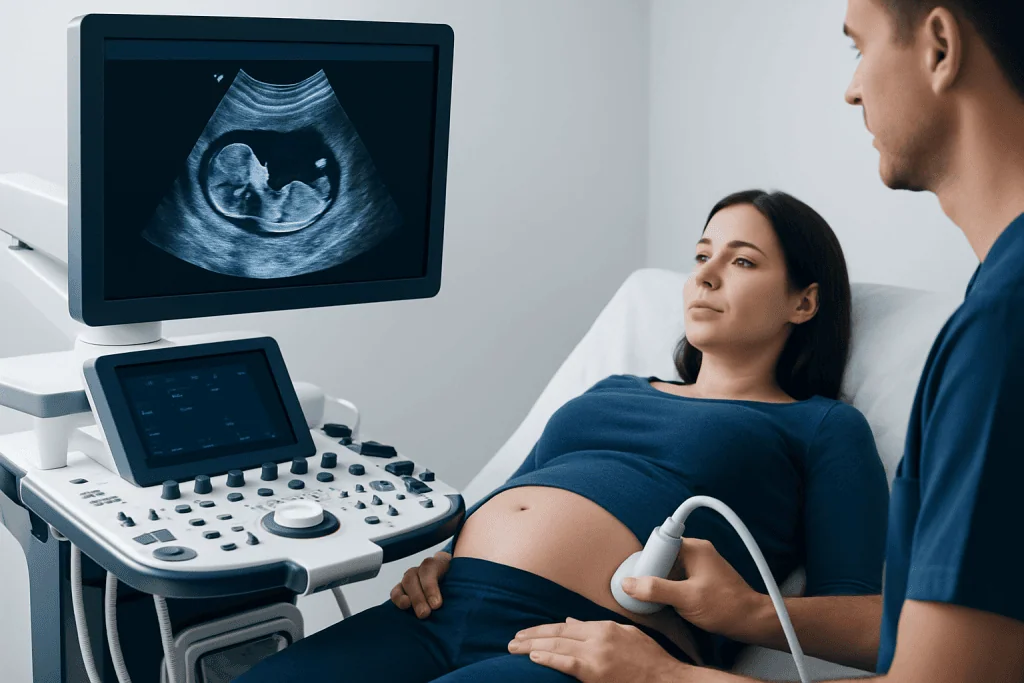
The embryo is undergoing rapid development at this stage. The heartbeat can often be seen on ultrasound around this time, although exact timing varies depending on the pregnancy and the type of scan used. If a scan is needed and there are concerns such as bleeding or pain, a doctor may evaluate for problems including ectopic pregnancy or early pregnancy loss.
Common symptoms at 8 weeks pregnant
Many symptoms at 8 weeks are related to normal hormone changes. Nausea and vomiting often peak during the first trimester, and some people notice that symptoms are stronger in the morning, while others feel unwell at different times of the day. Small, frequent meals and staying hydrated may help, but symptoms can vary from mild to significant.
Other common symptoms include fatigue, tender or fuller breasts, frequent urination, bloating, food aversions, a heightened sense of smell, mild cramping, and mood changes. Headaches and light dizziness can also happen, especially if a person is dehydrated, not eating regularly, or standing up quickly.
Common 8-week symptoms may include:
- Nausea with or without vomiting
- Fatigue or sleepiness
- Breast soreness or swelling
- Bloating and constipation
- Frequent urination
- Mild pelvic pulling or cramping
- Light spotting
- Mood swings or emotional sensitivity
Symptoms can come and go. A temporary change in symptoms is not always a sign of a problem, but if symptoms stop suddenly along with bleeding or pain, medical advice is recommended.
Why symptoms differ and what can affect early pregnancy
No two pregnancies feel exactly the same. Symptom intensity can be influenced by hormone levels, individual sensitivity to those hormones, sleep quality, stress, hydration, diet, and whether this is a first pregnancy or a later one. Twins or higher-order pregnancies may sometimes cause stronger symptoms, but symptom severity alone cannot confirm this.
Personal health factors also matter. Conditions such as thyroid disease, anemia, gastrointestinal disorders, diabetes, or pre-existing mental health concerns can shape how someone feels during early pregnancy. A history of infertility treatment or a pregnancy conceived with assisted reproductive methods may also mean closer monitoring in the first trimester, including IVF-related pregnancy follow-up when appropriate.
Some symptoms may overlap with non-pregnancy conditions. For example, severe one-sided pain, shoulder pain, fainting, fever, or painful urination are not typical pregnancy discomforts and need assessment. If a person has heavy vomiting with signs of dehydration, a doctor may evaluate for significant morning sickness and discuss supportive care such as early pregnancy follow-up and symptom management.
How doctors confirm and monitor a pregnancy at 8 weeks
Early prenatal care usually begins with a detailed medical history, including menstrual dates, prior pregnancies, medications, allergies, and any chronic health conditions. A doctor may ask about bleeding, cramping, nausea, infections, travel, and family history to identify any factors that could affect care during pregnancy.
Common tests in early pregnancy include blood work to check blood type, Rh factor, complete blood count, immunity to certain infections, and screening for conditions such as hepatitis B, HIV, and syphilis according to local guidelines. A urine test may look for infection, protein, glucose, and confirmation of pregnancy.
An ultrasound may be used to confirm the pregnancy is in the uterus, estimate gestational age, and check for a heartbeat if it is early enough to be seen. Not everyone needs an ultrasound exactly at 8 weeks, but it is often helpful if the dates are uncertain or if there is pain or bleeding. Depending on the situation, a doctor may recommend additional evaluation through obstetrics and gynecology care or specialist follow-up.
Management, self-care, and healthy habits
Management at 8 weeks focuses on supporting normal pregnancy changes, reducing discomfort, and identifying any complications early. Taking a daily prenatal vitamin with folic acid is an important step unless a doctor advises otherwise. Eating regular, balanced meals and drinking enough fluids can also help reduce dizziness, constipation, and nausea.
Rest is often important during this stage because fatigue can be pronounced. Light physical activity, if approved by a doctor, may support circulation, mood, and digestion. It is also advisable to avoid alcohol, smoking, recreational drugs, and any medication or herbal product that has not been discussed with a qualified healthcare professional.
Simple strategies that may help include:
- Eating small meals more often instead of large meals
- Keeping plain snacks nearby for nausea
- Drinking water regularly throughout the day
- Choosing fiber-rich foods to reduce constipation
- Sleeping when possible and pacing daily activities
- Avoiding strong smells or foods that trigger nausea
Travel, exercise, work, and sexual activity can often continue in uncomplicated pregnancies, but individual advice may differ. A doctor can provide guidance based on symptoms, medical history, and any risks identified at the prenatal visit.
When to seek medical care
Some symptoms during pregnancy 8 weeks pregnant need prompt medical review rather than home management. Heavy vaginal bleeding, severe abdominal or pelvic pain, fainting, severe dizziness, fever, chills, or persistent vomiting with inability to keep fluids down should not be ignored. These symptoms can be linked to miscarriage, ectopic pregnancy, infection, dehydration, or other urgent problems.
Medical advice is also important for burning with urination, unusual discharge with bad odor, severe headache, swelling, or if there is concern about medication exposure, chronic illness, or trauma. People with a history of ectopic pregnancy, recurrent pregnancy loss, fertility treatment, or significant medical conditions may need earlier or more frequent follow-up.
For international patients who need assessment or ongoing care, Acibadem International’s multidisciplinary specialists and JCI-accredited hospitals provide diagnosis and treatment for early pregnancy concerns and routine prenatal needs. Even so, any urgent symptoms should be evaluated as soon as possible by a qualified local emergency or obstetric care team.
Frequently asked questions
Is it normal to feel very tired at 8 weeks pregnant?
Yes. Fatigue is one of the most common symptoms at 8 weeks because hormone levels are rising and the body is working hard to support the pregnancy. Rest, hydration, and regular meals may help, but severe exhaustion should be discussed with a doctor.
Can nausea get worse during pregnancy 8 weeks pregnant?
Yes, nausea often becomes more noticeable around this stage of the first trimester. Some people have mild queasiness, while others have vomiting that affects daily life. If fluids cannot be kept down or there are signs of dehydration, medical care is important.
Is cramping at 8 weeks pregnant normal?
Mild cramping or a pulling sensation can happen as the uterus grows and the body changes. However, strong pain, one-sided pain, or cramping with heavy bleeding is not considered typical and should be assessed promptly.
Should there be a visible baby bump at 8 weeks?
Usually not. The uterus is growing, but external abdominal changes are often minimal at this point. Bloating may make the abdomen feel different even before a true pregnancy bump appears.
What if pregnancy symptoms suddenly decrease at 8 weeks?
Symptoms can fluctuate from day to day, and a change does not always mean there is a problem. Still, if symptoms lessen suddenly and are accompanied by bleeding, pain, or concern about the pregnancy, it is best to contact a doctor.
When is the first prenatal appointment usually scheduled?
Many people have their first prenatal visit in the early first trimester, often around 8 to 10 weeks, although the timing can vary. Earlier assessment may be recommended if there is pain, bleeding, uncertain dates, fertility treatment, or a history of pregnancy complications.
References
- American College of Obstetricians and Gynecologists
- Centers for Disease Control and Prevention
- National Health Service
- World Health Organization
This article is for general information only and is not a substitute for professional medical advice. Please consult a qualified doctor about your individual situation.
Persistent digestive symptoms? Get evaluated in Turkey
JCI-accredited · board-certified surgeons · reply within 24h