Alcoholic Neuropathy: Symptoms, Causes, and Treatment Options

Alcoholic neuropathy affects peripheral nerves and may also involve autonomic nerves. Symptoms often begin gradually with numbness, tingling, burning pain, or weakness in the feet and hands.
Key Takeaways
- Alcoholic neuropathy affects peripheral nerves and may also involve autonomic nerves.
- Symptoms often begin gradually with numbness, tingling, burning pain, or weakness in the feet and hands.
- Long-term alcohol exposure and poor nutrition, especially low B vitamins, both contribute to nerve injury.
- Treatment focuses on stopping alcohol use, improving nutrition, treating pain, and supporting mobility and safety.
- Early medical care may help slow progression and improve function, even if recovery takes time.
Alcoholic neuropathy is nerve damage associated with long-term heavy alcohol use. It can cause numbness, burning pain, weakness, balance problems, and digestive or sexual symptoms, and care usually includes stopping alcohol, correcting nutritional deficiencies, and managing nerve-related symptoms.
What is alcoholic neuropathy?
Alcoholic neuropathy is a type of nerve damage linked to long-term excessive alcohol use. It most often affects the peripheral nerves, which carry signals between the brain, spinal cord, muscles, and skin. In some people, it also affects autonomic nerves, which help control body functions such as blood pressure, digestion, bladder function, and sexual response.
This condition can lead to numbness, tingling, burning pain, muscle weakness, cramps, poor balance, and changes in sensation, usually beginning in the feet and legs and sometimes later involving the hands. Symptoms may come on gradually, so people may not notice the pattern at first or may assume the discomfort is temporary.
Alcoholic neuropathy is not caused by alcohol exposure alone in every case. It often develops through a combination of direct toxic effects of alcohol on nerves and nutritional problems that are more common in people with long-term heavy drinking, especially deficiencies in vitamins important for nerve health.
Although nerve damage can be serious, treatment can still help. Stopping alcohol use, improving nutrition, managing symptoms, and addressing fall risk or weakness can make daily life safer and more comfortable. If another cause of nerve damage is possible, doctors may also evaluate for conditions such as peripheral neuropathy from diabetes, thyroid disease, or other medical problems.
Symptoms and how they may feel day to day
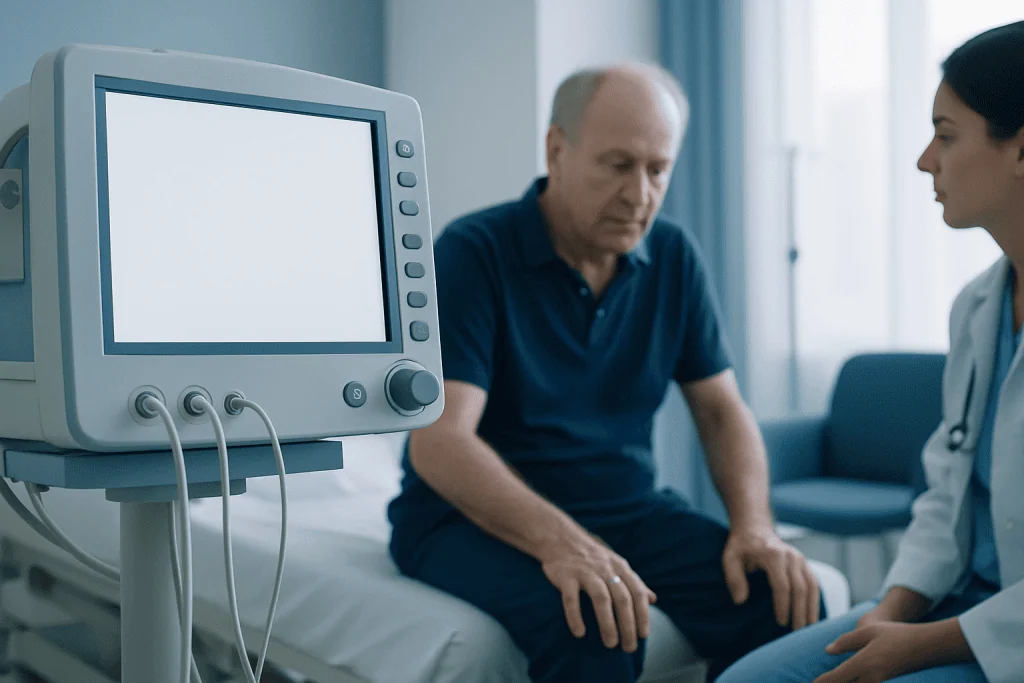
Symptoms vary from person to person. Many people first notice sensory changes in the toes or soles of the feet, such as tingling, pins-and-needles, burning, or reduced feeling. Over time, symptoms may move upward into the legs and may later affect the hands. This “stocking-glove” pattern is common in peripheral nerve disorders.
Pain may be burning, sharp, electric, or unusually sensitive to touch. Some people feel numbness instead of pain, which can make it harder to notice injuries, blisters, or pressure sores. Muscle weakness can affect walking, climbing stairs, gripping objects, or standing up from a chair. Balance problems may become more noticeable in dim light or on uneven ground.
When autonomic nerves are involved, symptoms can include dizziness on standing, constipation, diarrhea, nausea, sweating changes, urinary problems, or sexual dysfunction. These symptoms may seem unrelated at first, but they can be part of the same nerve disorder.
- Numbness or reduced sensation in the feet or hands
- Tingling or pins-and-needles
- Burning, stabbing, or shooting pain
- Muscle weakness, cramps, or twitching
- Difficulty with balance or walking
- Dizziness when standing, digestive changes, or bladder symptoms
Why it happens: causes and risk factors
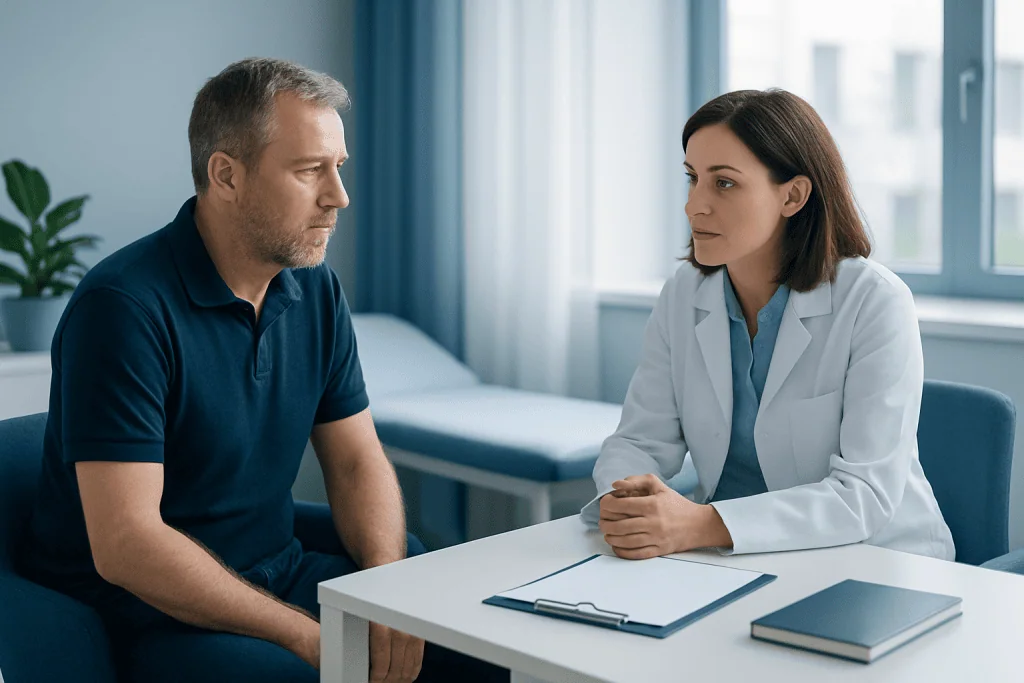
The main cause of alcoholic neuropathy is long-term heavy alcohol use. Alcohol can be directly toxic to nerves and may interfere with the way nerve cells maintain their structure and transmit signals. This injury tends to build up over time rather than appearing suddenly after brief alcohol exposure.
Nutrition also plays an important role. People who drink heavily may eat poorly, absorb nutrients less effectively, or have liver and digestive problems that make deficiency more likely. Low levels of thiamine, folate, vitamin B12, vitamin B6, vitamin E, and other nutrients can contribute to nerve damage or make existing damage worse.
Not everyone with alcohol use disorder develops neuropathy, which suggests that individual factors matter too. Risk may be influenced by the amount and duration of drinking, coexisting liver disease, smoking, diabetes, other toxin exposures, and overall health status. Some medications and metabolic conditions can also damage nerves, so clinicians look at the full picture rather than assuming alcohol is the only cause.
Because symptoms can overlap with other neurological disorders, a careful evaluation is important. For example, gait problems or leg weakness may also raise questions about multiple sclerosis or spinal causes, especially if the pattern is not typical.
How doctors diagnose alcoholic neuropathy
There is no single test that proves alcoholic neuropathy. Diagnosis usually begins with a detailed history of symptoms, alcohol use, diet, medications, and medical conditions, followed by a neurological examination. During the exam, a doctor may check reflexes, strength, sensation, balance, coordination, and walking pattern.
Blood tests are often used to look for vitamin deficiencies, diabetes, thyroid disorders, liver disease, kidney disease, or other conditions that can cause or worsen neuropathy. These tests help identify treatable contributors and rule out alternative explanations.
If needed, doctors may use nerve conduction studies and electromyography to assess how well nerves and muscles are working. These tests can support the diagnosis, estimate severity, and help distinguish neuropathy from muscle disease or a problem affecting the spinal cord or nerve roots. Imaging may be recommended when symptoms suggest another neurological cause.
In some patients, the evaluation is best guided by a neurologist, especially if symptoms are progressing, diagnosis is uncertain, or weakness is significant. A broader neurological workup may include electromyography testing or other neurodiagnostic assessments.
Treatment options and what recovery may involve
The most important part of treatment is stopping alcohol use. Continued drinking can allow nerve damage to progress, while alcohol cessation may help prevent further injury and improve the chance of symptom stabilization or gradual recovery. This step can be difficult, so medical support for alcohol use disorder is often an important part of care.
Nutrition is another major treatment priority. Doctors may recommend correcting deficiencies through diet changes and vitamin replacement, particularly when thiamine or other B vitamin deficiencies are suspected. Nutritional treatment should be guided by a clinician, because symptoms can overlap with other disorders and supplements may need to be tailored to the person’s overall health.
Symptom management often includes treatment for nerve pain, physical therapy, and strategies to improve strength, walking, and balance. Assistive devices, footwear advice, and home fall-prevention measures may be helpful when sensation is reduced or the legs are weak. If symptoms are severe or diagnosis is complex, a neurological team may coordinate rehabilitation and further testing, and some patients may benefit from neurological rehabilitation.
Recovery is variable. Some people notice improvement over months after stopping alcohol and improving nutrition, while others have lasting symptoms, especially if nerve damage is advanced. Pain control, mobility support, and regular follow-up remain important even when full reversal is not possible.
Self-care, prevention, and living with the condition
The best way to prevent alcoholic neuropathy is to avoid long-term heavy alcohol use. For people who already have symptoms, reducing or stopping alcohol with medical guidance is the most important self-care step. Because alcohol withdrawal can be dangerous in some cases, people should not assume they have to manage this alone.
Daily foot and skin care can help prevent unnoticed injuries when sensation is reduced. Wearing well-fitting shoes, checking the feet for cuts or blisters, keeping floors clear, and using good lighting at home may lower the risk of falls and complications. Gentle activity and professionally guided exercises may help maintain mobility.
A balanced diet matters because nerve health depends on adequate vitamins, protein, and overall nutrition. It is safer to discuss supplements with a doctor rather than self-treating, especially if there are liver, stomach, or intestinal concerns. If swallowing, coordination, or gait problems raise broader neurological questions, doctors may consider other assessments such as rehabilitation support or referral to specialists.
Long-term care often works best when it addresses both the nerves and the causes behind the damage. This may involve primary care, neurology, nutrition support, pain management, mental health care, and treatment for alcohol dependence in a coordinated plan.
When to seek medical care
Medical evaluation is important if a person has persistent numbness, tingling, burning pain, weakness, balance problems, or unexplained falls. Care is also advisable if symptoms interfere with sleep, work, walking, or everyday tasks, or if bladder, bowel, or dizziness symptoms appear alongside nerve complaints.
Urgent medical attention is needed for sudden severe weakness, chest pain, confusion, fainting, new inability to walk, seizures, or signs of alcohol withdrawal such as severe tremor, agitation, hallucinations, or vomiting. These symptoms are not typical self-care situations and should be assessed promptly.
Because nerve symptoms may have more than one cause, a professional assessment helps guide the safest treatment plan. Near the end of the care pathway, patients may also seek multidisciplinary evaluation; Acibadem International’s specialists in JCI-accredited hospitals diagnose and treat neurological conditions for international patients using coordinated medical and rehabilitation services.
Frequently asked questions
Can alcoholic neuropathy be reversed?
Some people improve after stopping alcohol use and correcting nutritional deficiencies, especially if treatment begins early. Recovery is often gradual and may be incomplete if nerve damage has been present for a long time.
What does alcoholic neuropathy feel like?
It often feels like numbness, tingling, burning, stabbing pain, or unusual sensitivity in the feet and hands. Some people mainly notice weakness, balance problems, cramps, or reduced ability to feel heat, cold, or injury.
How long does it take for alcoholic neuropathy to develop?
It usually develops over time with long-term heavy alcohol use rather than after a short period of drinking. The timeline varies based on drinking pattern, nutrition, overall health, and other risk factors.
Is alcoholic neuropathy the same as peripheral neuropathy?
Alcoholic neuropathy is one cause of peripheral neuropathy. Peripheral neuropathy is a broader term that includes nerve damage from diabetes, vitamin deficiencies, medications, autoimmune disease, and other conditions.
Which vitamins are linked to alcoholic neuropathy?
Thiamine and other B vitamins are commonly involved, and deficiencies in folate, vitamin B12, vitamin B6, or vitamin E may also contribute. A doctor can help identify which deficiencies are present and whether replacement is needed.
When should someone with suspected alcoholic neuropathy see a doctor?
A doctor should evaluate ongoing numbness, pain, weakness, imbalance, falls, or autonomic symptoms such as dizziness or bladder changes. Prompt care is especially important if symptoms are worsening, affecting walking, or occurring along with signs of alcohol withdrawal.
References
- National Institute on Alcohol Abuse and Alcoholism
- National Institute of Neurological Disorders and Stroke
- MedlinePlus
- Merck Manual Professional Edition
- American Academy of Neurology
This article is for general information only and is not a substitute for professional medical advice. Please consult a qualified doctor about your individual situation.
Joint and spine care in Turkey — expert assessment & treatment
JCI-accredited · board-certified surgeons · reply within 24h
Check your numbers in seconds
BMI, calories, due date, blood pressure and 30+ more clinical calculators — free, instant, doctor-reviewed ranges.