Miralax Colonoscopy Prep: How It Works, Recovery, and What to Expect
Miralax colonoscopy prep works by drawing water into the bowel to create frequent loose stools and clear the colon. A clean colon helps the doctor detect polyps, inflammation, bleeding, and other abnormalities more accurately.
Key Takeaways
- Miralax colonoscopy prep works by drawing water into the bowel to create frequent loose stools and clear the colon.
- A clean colon helps the doctor detect polyps, inflammation, bleeding, and other abnormalities more accurately.
- Preparation usually includes diet changes, clear liquids, and timed doses of laxative solution, often in a split schedule.
- Mild bloating, nausea, and temporary dehydration can happen, but severe pain, persistent vomiting, or fainting need medical advice.
- Most people recover quickly after colonoscopy prep and the procedure itself, though sedation may require a day of rest.
Miralax colonoscopy prep is a commonly used bowel-cleansing method that helps empty the colon before a colonoscopy. When followed exactly as prescribed, it improves visibility during the exam and supports a safer, more accurate procedure.
Overview: What Miralax Colonoscopy Prep Is
Miralax colonoscopy prep is a bowel-cleansing plan used before a colonoscopy to empty stool from the colon. It usually combines polyethylene glycol 3350 powder, sold under the brand name Miralax, with clear liquids and sometimes additional laxatives. The goal is to produce repeated watery bowel movements so the lining of the colon can be seen clearly during the exam.
This preparation is not the colonoscopy itself. It is the step that makes the test useful. If the bowel is not clean enough, the doctor may not be able to see small polyps, areas of bleeding, or inflammation. In some cases, the colonoscopy may need to be repeated.
Miralax-based prep is often chosen because many people find it more tolerable than some larger-volume bowel preparations. Even so, it should only be used exactly as directed by a clinician, because prep instructions vary based on age, overall health, medications, and the reason for the colonoscopy.
A colonoscopy is commonly used for colorectal cancer screening, investigation of symptoms, or follow-up of digestive conditions. Patients preparing for a colonoscopy are usually given a personalized plan that explains what to eat, when to stop solid food, and when to drink the prep solution.
How It Works and Why Bowel Cleansing Matters
Miralax contains polyethylene glycol 3350, an osmotic laxative. This means it holds water in the intestines rather than being absorbed into the body. The extra water softens stool and increases the amount of fluid in the bowel, which leads to frequent loose or watery bowel movements.
For colonoscopy prep, the medicine is typically mixed into a clear liquid and taken over a set period. Many regimens also include a stimulant laxative, such as bisacodyl, to help the intestines move stool out more effectively. Drinking additional clear liquids is usually important to support the cleansing process and reduce the risk of dehydration.
The bowel preparation is considered successful when stool becomes pale yellow liquid or nearly clear. This gives the doctor the best chance of carefully inspecting the entire colon. A well-cleaned colon can improve the detection of growths, ulcers, and inflammatory changes, including findings associated with conditions such as colon cancer or ulcerative colitis.
Although many people focus on the colonoscopy day itself, the quality of the prep often determines the quality of the exam. Following the exact timing of the prep, especially a split-dose schedule if prescribed, is one of the most important steps in the whole process.
Who May Be a Candidate and Who Needs Extra Guidance

Many adults undergoing routine colonoscopy can use a Miralax-based prep if their doctor considers it appropriate. It may be recommended for colorectal cancer screening, evaluation of bleeding, changes in bowel habits, chronic diarrhea, unexplained abdominal symptoms, or follow-up after previous polyps.
However, Miralax colonoscopy prep is not ideal for everyone without medical review. People with kidney disease, heart failure, severe constipation, swallowing problems, known bowel obstruction, inflammatory bowel disease flare, or significant electrolyte imbalance may need a different preparation plan or closer monitoring.
Extra care is also needed for people who are pregnant, older adults who are at risk of dehydration, and those taking certain medications. Blood thinners, diabetes medications, iron supplements, and medicines that affect fluid balance may need temporary adjustment. This should always be guided by the prescribing doctor, not decided independently.
If a person has a history of difficult bowel prep, prior abdominal surgery, or symptoms suggesting another digestive problem, the clinician may tailor the regimen. In some cases, related tests or specialist input from gastroenterology care may be recommended before the procedure.
Step by Step: What to Expect Before and During the Prep
Instructions vary, but the process usually starts one to several days before the colonoscopy. Patients are often advised to avoid high-fiber foods, seeds, nuts, and certain raw fruits or vegetables. On the day before the test, most people switch to a clear-liquid diet that may include water, broth, clear juices without pulp, plain tea or coffee without milk, and gelatin that is not red or purple.
At the scheduled time, the Miralax mixture is prepared and consumed as directed. Many plans divide the dose into two parts: one taken the evening before and one taken several hours before the colonoscopy. This split-dose approach often provides better cleansing than taking the entire prep at once. Bowel movements usually begin within a few hours and may become frequent and urgent.
During the prep, staying close to a bathroom is wise. Some people experience bloating, mild cramping, chills, or nausea. Drinking the solution slowly as instructed, using chilled liquids, and taking approved breaks between portions may make the process easier. Applying barrier cream around the anus can help reduce skin irritation caused by repeated wiping.
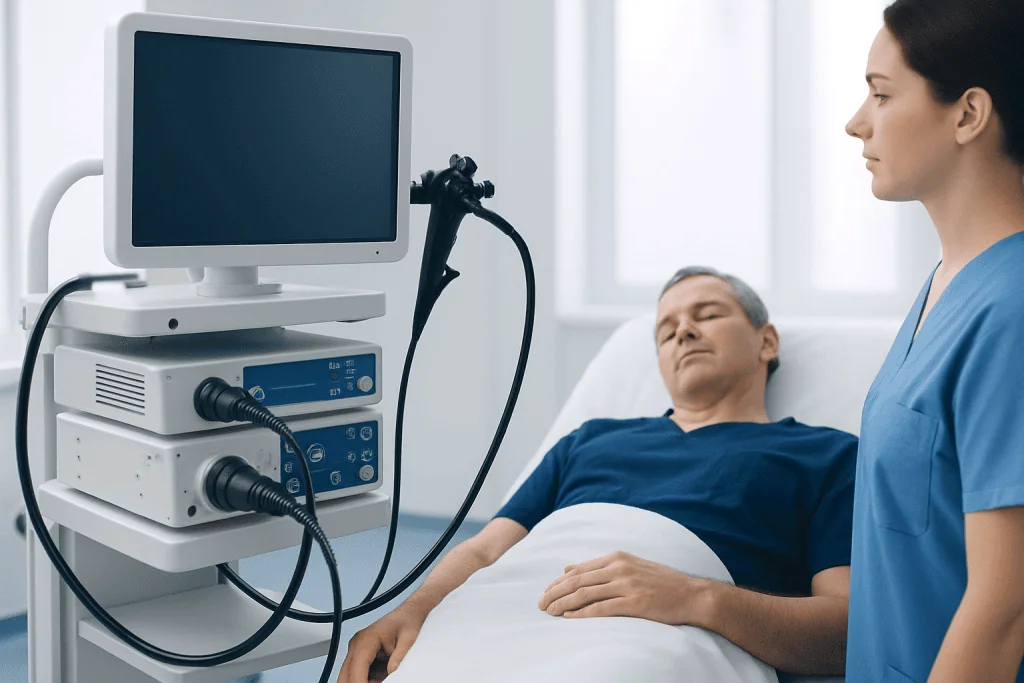
On the procedure day, the colonoscopy itself is usually performed with sedation. A flexible tube with a camera is passed through the rectum to examine the colon. If needed, the doctor may remove polyps or take small tissue samples during endoscopic evaluation and treatment, which are then sent for laboratory analysis.
Recovery Timeline After the Prep and Colonoscopy
Recovery from the bowel prep starts soon after the colonoscopy is finished and regular fluids and food are resumed. Most people notice that the frequent urgent bowel movements stop once the prep is complete. Mild bloating, gas, or tiredness can continue for several hours, especially if little food was eaten the day before.
If sedation was used for the colonoscopy, it is common to feel sleepy or less alert for the rest of the day. Because of this, patients are usually advised not to drive, sign important documents, or return to demanding work until the following day. A responsible adult is often needed to accompany the patient home.
Eating is typically resumed gradually, starting with light meals unless the doctor gives different instructions. Drinking water and other suitable fluids helps replace what was lost during the prep. In many cases, bowel habits return to normal within a day or two, though the first stool afterward may be delayed briefly.
If biopsies were taken or polyps were removed, the doctor may provide specific aftercare instructions. Minor cramping or a small amount of blood may occur in selected cases, but symptoms should improve rather than worsen over time.
Benefits, Risks, and Common Side Effects
The main benefit of Miralax colonoscopy prep is that it can help produce a clean colon, which supports an accurate and complete examination. Good bowel cleansing can reduce the chance that important findings are missed and may lower the need for a repeat procedure. Many patients also find Miralax-based regimens easier to tolerate than some other preparations.
Common side effects include bloating, nausea, abdominal fullness, anal soreness, and sleep disruption from nighttime bathroom trips. These effects are usually temporary and improve after the prep is completed. Temporary weakness or headache can also occur, especially if fluid intake is too low.
Less common but more important risks include dehydration, salt or electrolyte imbalance, vomiting, and worsening of underlying medical conditions. The risk may be higher in older adults and in people with kidney, heart, or bowel disease. Taking more than directed or using someone else’s prep plan can be unsafe.
Like any colonoscopy preparation, Miralax prep should be supervised by a qualified healthcare professional. If symptoms during the prep seem unusually intense or if the patient cannot finish the regimen, contacting the medical team is important so they can advise the safest next step.
Self-care Tips and When to Seek Medical Care
Planning ahead can make Miralax colonoscopy prep more manageable. Helpful steps include clearing the schedule, keeping approved clear liquids available, chilling the prep solution if permitted, wearing comfortable clothes, and staying near a bathroom. For people who tend to feel nauseated, sipping slowly and taking brief pauses may help if this fits the doctor’s instructions.
It is important to follow all dietary and medication instructions exactly. Red, blue, or purple liquids are often restricted because they can look like blood or interfere with visibility. Alcohol is usually avoided, and solid food should not be resumed until the doctor says it is safe.
Medical advice should be sought promptly if there is severe or worsening abdominal pain, repeated vomiting, dizziness that does not improve, fainting, inability to keep liquids down, very little urination, chest pain, shortness of breath, or heavy rectal bleeding. These symptoms are not typical and may signal dehydration, obstruction, or another complication.
Patients who have concerns about the prep, the colonoscopy, or findings afterward should speak with their doctor. Near the end of the care pathway, some patients may also choose evaluation at centers such as Acibadem International, where multidisciplinary specialists in JCI-accredited hospitals diagnose and treat digestive conditions for international patients.
Frequently asked questions
How long does Miralax colonoscopy prep take to work?
Many people begin having bowel movements within a few hours of starting the prep, but timing can vary. The full cleansing process often continues through the evening and sometimes into the morning if a split-dose schedule is used.
What should stool look like before the colonoscopy?
By the end of the prep, stool should usually be watery, light yellow, or nearly clear. If it remains thick, brown, or contains solid material, the bowel may not be clean enough and the medical team should be informed.
Can a person eat anything during Miralax colonoscopy prep?
Most plans require a clear-liquid diet the day before the procedure, though exact instructions differ. Patients should follow their own doctor's guidance carefully, because eating restricted foods can reduce the quality of the exam.
Is Miralax colonoscopy prep safer than other bowel preps?
A Miralax-based prep can be well tolerated for many patients, but the safest option depends on the person's health history and medications. No prep is universally best, so a clinician should choose the most appropriate regimen.
What if a person vomits or cannot finish the prep?
The endoscopy team or prescribing doctor should be contacted for instructions. They may advise changing the pace, adjusting the timing, or in some cases rescheduling, because an incomplete prep can make the colonoscopy less accurate.
How long does recovery take after colonoscopy and the prep?
Most bowel-prep symptoms settle within hours after the procedure, and many people feel close to normal by the next day. If sedation was used, rest is usually needed for the remainder of the day, and driving should be avoided until cleared.
References
- American Society for Gastrointestinal Endoscopy
- American College of Gastroenterology
- National Institute of Diabetes and Digestive and Kidney Diseases
- U.S. Multi-Society Task Force on Colorectal Cancer
- Mayo Clinic
This article is for general information only and is not a substitute for professional medical advice. Please consult a qualified doctor about your individual situation.
Persistent digestive symptoms? Get evaluated in Turkey
JCI-accredited · board-certified surgeons · reply within 24h