Eye Socket — Explained by Medical Evidence, Not Myths

The eye socket, also called the orbit, is more than a hollow bone; it contains muscles, nerves, fat, tear structures, and blood vessels. Eye socket symptoms may include pain, swelling, bruising, bulging of one eye, double vision, reduced eye movement, or vision changes.
Key Takeaways
- The eye socket, also called the orbit, is more than a hollow bone; it contains muscles, nerves, fat, tear structures, and blood vessels.
- Eye socket symptoms may include pain, swelling, bruising, bulging of one eye, double vision, reduced eye movement, or vision changes.
- Common causes include trauma, infection around the orbit, thyroid eye disease, sinus-related spread of infection, and inflammatory or growth-related conditions.
- Urgent medical care is important for sudden vision loss, severe pain, fever with eye swelling, eye protrusion, or symptoms after facial injury.
- Diagnosis may involve an eye examination, vision testing, and imaging such as CT or MRI, depending on the suspected cause.
The eye socket is the bony cavity that protects the eye and supports the muscles, nerves, and blood vessels needed for vision. Symptoms in this area can result from injury, infection, inflammation, thyroid-related eye disease, or less commonly a tumor, so persistent or sudden changes should be assessed by a doctor.
What the eye socket is and why it matters
The eye socket is the bony space in the skull that holds and protects the eye. Doctors often call it the orbit. It is not an empty cavity: it contains the eyeball, muscles that move the eye, nerves, blood vessels, fat, and nearby tear structures, all packed into a small and highly organized area.
Because so many important tissues share this space, problems in the eye socket can affect both comfort and vision. A person may notice pain, swelling, a change in how the eye looks, difficulty moving the eye, or double vision. In some cases, eye socket symptoms come from local problems such as trauma or infection; in others, they reflect a broader condition such as thyroid-related eye disease.
Understanding the eye socket helps separate myths from medical evidence. Pain around the eye does not always mean the eye itself is damaged, and a “black eye” is not the same thing as a fracture. At the same time, symptoms such as a bulging eye, sudden visual change, or marked swelling should never be dismissed, because the orbit is closely connected to the eye, sinuses, and brain.
How the eye socket is built
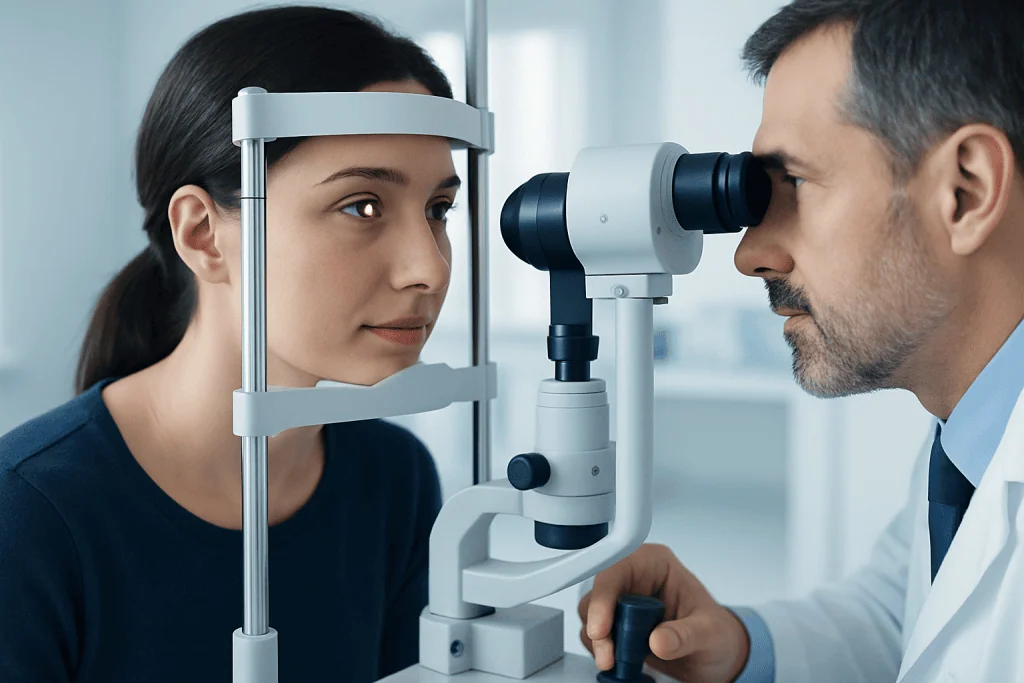
The eye socket is formed by several bones of the face and skull. These thin, curved bones create a protective framework around the eye while also leaving openings for the optic nerve, blood vessels, and the muscles that control eye movement. The floor and inner wall of the orbit are especially thin, which is why some facial injuries can lead to an orbital or “blowout” fracture.
Inside the orbit are six main eye muscles, the optic nerve, fatty tissue that cushions the eye, and connective tissues that help keep everything aligned. The eyelids, tear glands, and sinus cavities lie nearby, so disease in one area can affect another. For example, infection in the sinuses can occasionally spread into the orbit, causing swelling and pain around the eye.
This close anatomy explains why eye socket symptoms can vary so much. Some conditions mainly cause discomfort or cosmetic changes, while others can affect eye movement or vision. When doctors evaluate the orbit, they usually consider not only the eye itself but also the surrounding facial bones, sinuses, nerves, and circulation.
Common symptoms linked to the eye socket

Eye socket symptoms can develop suddenly, such as after trauma, or gradually over time. The most common complaints include pain around the eye, tenderness, bruising, swelling of the eyelids, or a feeling of pressure behind the eye. Some people also describe headache, discomfort when moving the eye, or a sense that one eye looks different from the other.
Changes in eye position or movement are especially important clues. These may include a bulging eye, one eye appearing more sunken than the other, double vision, trouble looking in certain directions, or the sensation that the eye is “stuck.” In children and adults, redness and swelling around the orbit with fever can suggest an infection that needs prompt treatment.
Symptoms that may point to a more urgent orbital problem include:
- Sudden reduction in vision or loss of vision
- Severe eye pain, especially with eye movement
- Rapid swelling around one eye
- New bulging of one eye
- Double vision after a facial injury
- Numbness of the cheek, upper lip, or side of the nose after trauma
- Fever with eyelid swelling or redness
These signs do not always mean a serious condition is present, but they do warrant timely medical assessment.
What can cause eye socket problems
Trauma is one of the best-known causes of eye socket symptoms. A direct blow from a fall, sports injury, or accident can lead to bruising, swelling, bleeding around the eye, or an orbital fracture. Sometimes the eye itself remains healthy even when the surrounding bone is injured, but in other cases both the orbit and the eye may be affected.
Infection is another important cause. Infections around the eyelids can look dramatic but remain more superficial, whereas orbital cellulitis is a deeper infection behind the orbital septum that can cause pain, fever, swelling, redness, and limited eye movement. Because this condition can threaten vision and spread, it requires urgent medical care. Sinus infection, especially in the ethmoid sinuses, is a common source.
Inflammatory and systemic conditions can also involve the orbit. A common example is thyroid eye disease, in which immune-related inflammation causes swelling of the tissues and muscles behind the eye. This may lead to a staring appearance, bulging eyes, irritation, pressure, or double vision. Other inflammatory orbital conditions can occur without thyroid disease and may still need specialist review.
Less commonly, growths or tumors may develop in or spread to the orbit. These can be benign or malignant and may cause slow-onset bulging of one eye, fullness, pain, or visual symptoms. Doctors may also consider vascular problems, congenital differences, or spread from nearby diseases such as sinusitis or other head and neck conditions, depending on the pattern of symptoms.
How doctors diagnose an eye socket condition
Diagnosis starts with a careful history and physical examination. The doctor will ask when the symptoms began, whether there was an injury, if there is fever or sinus illness, and whether symptoms such as double vision or vision loss are present. They will also look for eyelid swelling, bruising, changes in eye position, tenderness, and differences in how the eyes move.
A detailed eye examination is often needed. This may include checking visual acuity, pupil responses, color vision, eye movements, and pressure inside the eye. In suspected orbital disease, the doctor may also measure how prominent the eyes are and examine the optic nerve and retina to check for signs of pressure or inflammation.
Imaging is frequently important because the orbit is a deep structure. CT scans are especially useful after trauma and can show fractures, bleeding, and sinus disease. MRI can provide more detail about soft tissues, muscles, inflammation, or tumors. If infection or an inflammatory condition is suspected, blood tests may also be used to support the diagnosis and guide treatment.
When symptoms suggest a more complex cause, care may involve multiple specialists. Depending on the findings, this can include ophthalmology, radiology, endocrinology, ENT, or neurology. In some cases, MRI imaging or CT scanning helps clarify whether the problem is structural, infectious, inflammatory, or related to another disease process.
Treatment options for eye socket disorders
Treatment depends entirely on the cause. Mild bruising or swelling after a minor injury may improve with rest, cold compresses, and observation, while more significant injuries may require urgent assessment to rule out fracture, muscle entrapment, or damage to the eye itself. If vision is affected, treatment should not be delayed.
Orbital infections usually need prompt medical treatment, often with antibiotics and close monitoring. In more severe cases, hospital-based care may be required. If the infection is related to blocked or infected sinuses, treatment may also address the underlying sinus disease, and some patients may need ENT evaluation or drainage.
For inflammatory conditions such as thyroid eye disease, treatment may include management of the thyroid disorder, lubrication for eye surface symptoms, measures to reduce inflammation, and specialist follow-up. In selected cases, surgery may be considered to improve eyelid position, relieve pressure in the orbit, or restore function. Where trauma or structural changes are significant, orbital surgery may be used to repair fractures or address pressure and tissue displacement.
If a tumor or suspicious mass is found, management is tailored to the diagnosis and may involve observation, biopsy, surgery, or oncology care. Because orbital conditions can affect both appearance and vision, treatment planning often aims to protect sight first and then improve comfort, eye movement, and symmetry. Near the end of the care pathway, some patients may be referred for oculoplastic surgery to address functional or reconstructive needs.
Self-care, prevention, and practical myths to avoid
Not every eye socket symptom can be prevented, but a few practical steps can reduce risk. Protective eyewear during contact sports, certain jobs, and activities with flying particles can help prevent facial and orbital injuries. Prompt treatment of sinus infections and attention to chronic health conditions such as thyroid disease may also lower the chance of some orbital complications.
At home, self-care should be cautious and limited. Cold compresses may help with minor swelling after a mild injury, and avoiding further pressure on the area is sensible. However, people should not assume that all bruising is harmless or that normal-looking skin rules out a deeper problem. Persistent pain, double vision, or reduced eye movement after injury are reasons to seek medical advice even if swelling seems mild.
It is also a myth that bulging eyes are always due to tiredness, allergy, or genetics. While benign explanations exist, a new change in eye position can signal thyroid eye disease, inflammation, infection, or a mass. Another common misunderstanding is that eye socket pain always comes from the eye; in reality, the source may be the orbit, surrounding muscles, facial bones, or sinuses.
General measures that support eye and facial health include avoiding smoking, attending routine health checks, and following treatment for thyroid conditions if diagnosed. These steps do not replace medical evaluation, but they can support recovery and reduce avoidable triggers in some people.
When to seek medical care
Medical evaluation is recommended whenever eye socket symptoms are persistent, unexplained, or getting worse. This includes ongoing pain around one eye, new swelling, repeated double vision, visible asymmetry between the eyes, or a change in how the eye moves. Even when symptoms seem mild, a professional assessment can help distinguish a superficial problem from one involving the deeper orbit.
Urgent care is especially important after facial trauma, if there is fever with eye swelling, or if the eye suddenly bulges or vision changes. Sudden loss of sight, marked pain with eye movement, severe headache with eye symptoms, or a child with swollen red eyelids and fever should be treated as prompt medical concerns.
Because orbital problems sometimes involve more than one body system, care may require coordination between eye, ENT, radiology, endocrine, and surgical specialists. Acibadem International’s multidisciplinary specialists and JCI-accredited hospitals diagnose and treat orbital and related eye conditions for international patients when advanced evaluation is needed.
Frequently asked questions
Is the eye socket the same as the eye itself?
No. The eye socket, or orbit, is the bony cavity that contains and protects the eye along with muscles, nerves, blood vessels, and fat. A person can have an eye socket problem even if the eyeball itself is not directly injured.
What causes pain in the eye socket?
Eye socket pain can come from trauma, infection, inflammation, sinus-related disease, muscle strain, or thyroid eye disease. Less commonly, it may be related to a growth or pressure within the orbit. Persistent or severe pain should be evaluated by a qualified doctor.
Can a sinus infection affect the eye socket?
Yes. Because the sinuses sit close to the orbit, a sinus infection can sometimes spread into the tissues around the eye. This may cause swelling, redness, pain, fever, and trouble moving the eye, and it requires prompt medical attention.
Does a black eye mean there is an eye socket fracture?
Not always. A black eye usually refers to bruising around the eye after injury, but the underlying bones may still be intact. However, some fractures can occur with bruising, numbness, double vision, or pain on eye movement, so assessment is important after significant trauma.
Why would one eye suddenly look more prominent than the other?
A new bulging appearance of one eye can happen with inflammation, infection, thyroid eye disease, bleeding after trauma, or an orbital mass. It is not a symptom to ignore, especially if it develops quickly or comes with pain or vision changes. Medical review is recommended.
What tests are used to check the eye socket?
Doctors usually begin with an eye examination, vision testing, and assessment of eye movement and pupil responses. Imaging such as CT or MRI may be needed to look at the bones and soft tissues of the orbit. Additional blood tests may be used if infection or inflammation is suspected.
References
- American Academy of Ophthalmology
- National Eye Institute
- Mayo Clinic
- Merck Manual Professional Edition
- NHS
This article is for general information only and is not a substitute for professional medical advice. Please consult a qualified doctor about your individual situation.
Oncology care in Turkey — second opinion and treatment plan
JCI-accredited · board-certified surgeons · reply within 24h

More from the Health Library



Related Specialists

Assoc. Prof. Dr. Serpil Kurtcan
Radiology
Dr. Nezail Demircler
Aesthetic Plastic & Reconstructive Surgery
Dr. Teoman Şen
Pediatric Surgery
Dr. Osman Bütün
Medical Oncology