Muscle Twitching Usually Settles Once Its Trigger Is Found

There is no single cure for muscle twitching because it is a symptom with many causes. Most twitches ease with sleep, hydration, less caffeine, and lower stress. See a doctor if twitching lasts weeks, spreads, or occurs with weakness, numbness, or muscle wasting, as these need evaluation.
Key Takeaways
- Muscle twitching often has a harmless cause such as fatigue, stress, caffeine, or exercise.
- There is no universal muscle twitching cure; the right treatment depends on why the twitching is happening.
- Simple measures like better sleep, hydration, and reviewing medicines or stimulants may reduce symptoms.
- Medical evaluation is important if twitching is persistent, associated with weakness, or affects swallowing or breathing.
- Doctors may use blood tests, a neurological exam, and sometimes electromyography to find the cause.
You’re lying in bed, almost asleep, and your calf starts fluttering on its own. Or your eyelid has been jumping all week. Annoying, and for a lot of people, a little frightening.
Here’s the thing: there is no single treatment that cures muscle twitching, because twitching is a symptom, not a disease. In many people, twitches improve with sleep, hydration, stress reduction, and correcting whatever set them off. Twitching that persists or spreads is different — that should be assessed to look for an underlying cause.
What a Muscle Twitching Cure Really Means
A muscle twitching cure depends on the cause. For many people, occasional muscle twitches are harmless and settle with practical steps such as rest, hydration, reducing caffeine, and managing stress. When twitching is frequent, lasts for weeks, or comes with other symptoms, treatment focuses on identifying and addressing the underlying problem rather than simply suppressing the twitch itself.
Muscle twitching, also called fasciculation, is a small involuntary contraction of muscle fibers. It may happen in the eyelid, calf, thigh, arm, or other areas. Some twitches are barely noticeable, while others feel distracting or make a visible ripple under the skin.
Again, twitching is a symptom, not a diagnosis. So the first thing we look at is context: how often it happens, where it happens, what seems to set it off, and whether weakness, cramps, numbness, or muscle wasting are there too. That is what separates ordinary harmless twitching from something that needs medical care.
Common Symptoms and What They Can Feel Like
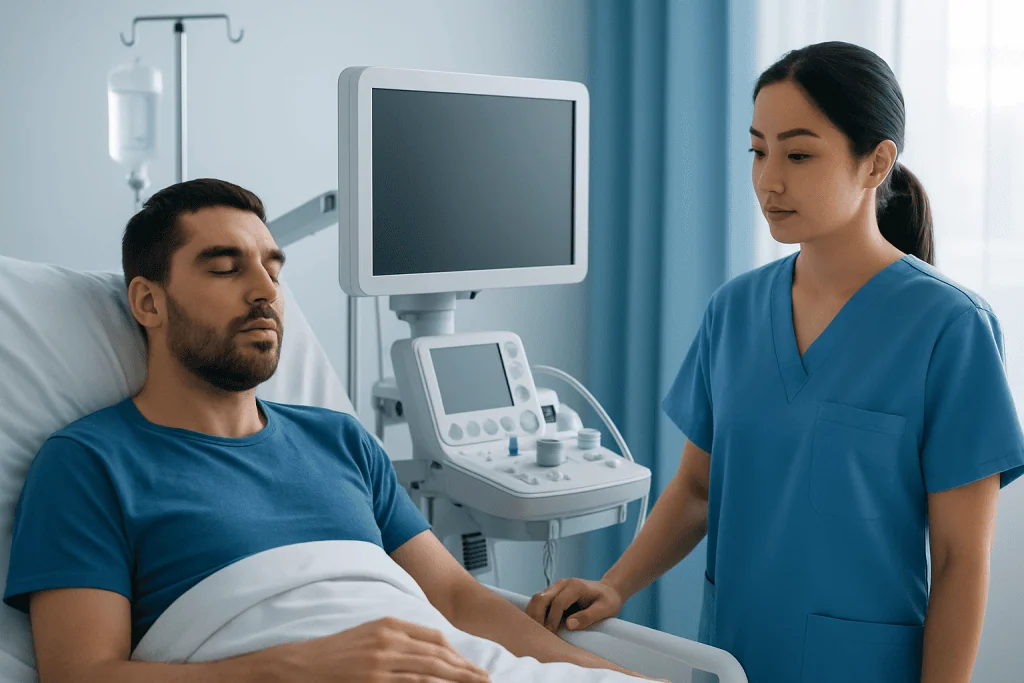
Muscle twitching often feels like a flutter, flicker, jump, or brief pulling sensation. It may last a few seconds or recur on and off through the day. Some people notice it most when resting, lying in bed, or after exercise, when the body is quiet enough to make the movement easier to feel.
Twitching can happen by itself or alongside other symptoms. These may include muscle cramps, fatigue, eye twitching, temporary tightness, or a sense that a muscle is overactive. In benign cases, strength remains normal and the twitching does not interfere with daily tasks.
Symptoms deserve closer attention when they occur with signs such as:
- Muscle weakness or dropping objects
- Visible muscle shrinking
- Numbness, tingling, or pain
- Trouble speaking, swallowing, or breathing
- Persistent twitching in multiple body areas
Those extra signs are what help us decide whether we’re looking at lifestyle factors, a medication effect, nerve irritation, or a neurological condition that needs a closer look.
Causes and Risk Factors

The most common causes of muscle twitching are not dangerous. Physical exertion, lack of sleep, emotional stress, anxiety, dehydration, and stimulants such as caffeine can all increase nerve and muscle excitability. Twitches may also appear after viral illnesses or during periods of general fatigue.
Low levels of certain electrolytes or minerals, including magnesium, calcium, or potassium, may contribute in some cases. Some medications can also play a role, especially those that affect the nervous system or fluid balance. A doctor or pharmacist can review whether a prescription, supplement, or energy product could be contributing.
Sometimes twitching is linked to local nerve irritation, thyroid disease, peripheral nerve problems, or broader neuromuscular disorders. Benign fasciculation syndrome is one example, in which ongoing twitching occurs without progressive weakness or another serious cause. In other situations, doctors may need to rule out neurological conditions such as amyotrophic lateral sclerosis (ALS), although this is far less common than people fear when they search online.
Risk tends to be higher in people with intense training schedules, poor sleep, high stress levels, heavy caffeine intake, dehydration, or underlying nerve and muscle conditions. The pattern over time matters: a single twitch in an overworked muscle is very different from persistent symptoms with weakness or shrinking muscle bulk.
How Doctors Diagnose the Cause
Diagnosis starts with a careful history and physical examination. A doctor will ask where the twitching occurs, how long it has been happening, whether it is getting worse, and what else is happening at the same time. Questions about exercise, sleep, stress, diet, stimulant use, and medications are often just as important as the twitching itself.
A neurological examination checks muscle strength, reflexes, sensation, coordination, and muscle tone. In many people, this evaluation is reassuring and points toward a benign cause. If an eyelid or calf occasionally twitches after stress or poor sleep and the neurological exam is normal, extensive testing may not be necessary.
When symptoms are persistent or accompanied by weakness, cramps, numbness, or muscle wasting, doctors may order blood tests to check thyroid function, electrolyte levels, vitamin status, kidney function, or other markers. In selected cases, imaging or nerve testing is used to evaluate possible nerve compression, spine problems, or systemic disease.
Electromyography, often written as EMG, can help assess the electrical activity of muscles and nerves. It may be recommended when the clinical picture suggests a neuromuscular disorder or when the diagnosis remains unclear after examination. Depending on findings, a person may be referred for a detailed electromyography (EMG) evaluation or broader neurology assessment.
Treatment Options: What Actually Helps
There is no single medicine or procedure that serves as a universal muscle twitching cure. The most effective treatment is to correct the trigger or underlying condition. If twitching follows hard exercise, poor sleep, stress, or heavy caffeine use, symptoms often improve after those factors are addressed.
Doctors may recommend a stepwise plan that includes hydration, rest, adjusting stimulant intake, and reviewing medicines or supplements. If blood tests show an imbalance or deficiency, treatment may involve correcting that specific problem under medical guidance. If a thyroid disorder, nerve compression, or another disease is found, care is directed at that diagnosis rather than the twitching alone.
When twitching is part of a nerve or muscle disorder, treatment can be more specialized. This may include rehabilitation, symptom management, or care from a neurologist or neuromuscular team. For example, if twitching is associated with peripheral nerve symptoms, evaluation for peripheral neuropathy may be appropriate, and some patients benefit from physical therapy and rehabilitation to support function and reduce strain.
If tests are normal and the diagnosis is benign fasciculation, reassurance is also a form of treatment. Health-related anxiety can intensify awareness of body sensations, making twitches seem more frequent. Understanding that benign twitching is common and often self-limited can itself reduce distress and symptom focus.
Self-Care and Prevention Strategies
Many people can reduce muscle twitching by improving daily habits that influence nerve and muscle function. Consistent sleep, balanced hydration, regular meals, and avoiding overtraining may all help. If symptoms are linked to stress or anxiety, relaxation practices such as breathing exercises, mindfulness, or counseling may make twitching less noticeable and less frequent.
Caffeine, nicotine, and stimulant-containing products can aggravate twitching in some people. It can be helpful to track intake for a few weeks and note whether symptoms improve when these are reduced. The same applies to intense exercise, especially if recovery time has been limited.
Practical self-care steps include:
- Sleeping on a regular schedule
- Drinking enough fluids, especially after exercise
- Reducing caffeine and energy drinks
- Managing stress with relaxation techniques
- Stretching and allowing muscle recovery after strenuous activity
- Seeking medical advice before taking mineral supplements
Please don’t start high-dose supplements on your own. Magnesium gets treated as the obvious answer, but it really makes sense when a deficiency or a likely need has been identified. Ask your doctor whether testing or a targeted approach fits your situation.
When to Seek Medical Care
Occasional twitching that comes and goes and has an obvious trigger is often not an emergency. However, medical care is advisable if twitching lasts for several weeks, keeps spreading, interrupts sleep, or causes significant worry. A clinician can evaluate whether the pattern fits a benign condition or needs further testing.
Prompt assessment is especially important if twitching happens together with muscle weakness, loss of coordination, numbness, muscle wasting, or frequent cramps. Sudden changes in speech, swallowing, walking, or hand function should not be ignored. These symptoms do not automatically mean a serious disease, but they do deserve timely evaluation.
Emergency care is needed if twitching is associated with trouble breathing, severe allergic symptoms, confusion, or other acute neurological changes. In more complex cases, doctors may consider advanced testing or consultation through services such as clinical neurophysiology to better define nerve and muscle function.
Sometimes the answer doesn’t come from one more test but from several specialists looking at the picture together. At Acibadem International, our multidisciplinary teams and JCI-accredited hospitals evaluate and treat muscle twitching and related neurological symptoms, which helps especially when you are travelling from abroad and need a clear, structured plan.
Frequently asked questions
Can muscle twitching go away on its own?
Yes. In many people, muscle twitching improves on its own once the trigger passes, especially if it is related to stress, fatigue, caffeine, or exercise. Symptoms often settle with rest, hydration, and better sleep.
What is the best muscle twitching cure?
The best muscle twitching cure is treatment of the underlying cause. For some people that means lifestyle changes, while for others it may involve correcting an electrolyte imbalance, adjusting medication, or treating a nerve or thyroid condition.
Does muscle twitching always mean a neurological disease?
No. Most muscle twitching is not caused by a serious neurological disease. It is far more often linked to benign factors such as stress, fatigue, caffeine, or overuse, although persistent twitching with weakness should be evaluated.
Should a person take magnesium for muscle twitching?
Magnesium may help if a true deficiency is present, but it is not a universal solution. A doctor can advise whether diet, blood tests, or a targeted supplement approach is appropriate.
When is muscle twitching serious?
Muscle twitching is more concerning when it is accompanied by weakness, muscle wasting, numbness, coordination problems, or difficulty speaking, swallowing, or breathing. These features suggest that medical assessment should not be delayed.
How do doctors test muscle twitching?
Doctors usually begin with a medical history and physical examination, including a neurological exam. Depending on the symptoms, they may also order blood tests, imaging, or electromyography to look at nerve and muscle activity.
This article is for general information only and is not a substitute for professional medical advice. Please consult a qualified doctor about your individual situation.
Explore treatments in Turkey — costs, top hospitals & a free quote
7 JCI-accredited hospitals · board-certified surgeons · reply within 24h
Add us as a Preferred Source to see more of our trusted health content across Google Search, AI Overviews and Discover.

Medically reviewed by the Acıbadem International Medical Board — August 24, 2026
See our medical review board →
Update history
- PublishedAugust 4, 2026
- Medical review approvedAugust 24, 2026
- Last content updateAugust 24, 2026
References2
- Muscle twitching (fasciculation) – MedlinePlus — medlineplus.gov
- Twitching eye – NHS — nhs.uk
Neurology
Diagnosis and treatment of disorders of the brain, spinal cord, nerves and muscles.
51 specialists in this unitNeurology Specialists at Acibadem




Related Treatments
Related Conditions
More from the Health Library

Transient Global Amnesia Causes Sudden but Brief Memory Loss

The Femoral Nerve and Why Thigh Weakness or Numbness Happens

The Sagittal Sinus Drains Blood From the Brain
The Amygdala Handles Emotion, Memory, and the Fear Response

The Meninges Protect the Brain and Spinal Cord