

Core Beliefs: An Evidence-Based Guide for Patients

Core beliefs are long-standing mental frameworks that influence thoughts, feelings, and behavior. Negative core beliefs may develop from early experiences, repeated stress, trauma, or difficult relationships.
Key Takeaways
- Core beliefs are long-standing mental frameworks that influence thoughts, feelings, and behavior.
- Negative core beliefs may develop from early experiences, repeated stress, trauma, or difficult relationships.
- People may notice core beliefs through recurring self-critical thoughts, emotional patterns, or relationship difficulties.
- Evidence-based therapies, especially cognitive behavioral approaches, can help identify and reshape unhelpful core beliefs.
- Self-reflection, journaling, and supportive relationships may help, but persistent distress should be discussed with a qualified mental health professional.
Core beliefs are deep, often automatic ideas a person holds about themselves, other people, and the world. These beliefs can be helpful or unhelpful, and when they are rigid or negative, they may contribute to stress, low self-esteem, anxiety, or depression—but they can be recognized and changed.
Overview: What are core beliefs?
Core beliefs are deeply held assumptions a person has about themselves, other people, and the world. They usually form over time, often beginning in childhood, and can feel so familiar that they seem like facts rather than interpretations. Examples include beliefs such as “I am capable,” “People can be trusted,” or, on the negative side, “I am not good enough.”
These beliefs matter because they influence how a person interprets daily events. Two people may experience the same setback, but one may see it as a temporary challenge while the other sees it as proof of personal failure. In this way, core beliefs can shape emotional reactions, decision-making, coping style, and relationships.
Core beliefs are not always harmful. Many are balanced and supportive, helping a person feel secure, resilient, and connected. Problems tend to arise when beliefs become overly negative, rigid, or inaccurate, especially if they lead to ongoing distress or interfere with work, relationships, sleep, or day-to-day functioning.
How core beliefs affect thoughts, emotions, and behavior
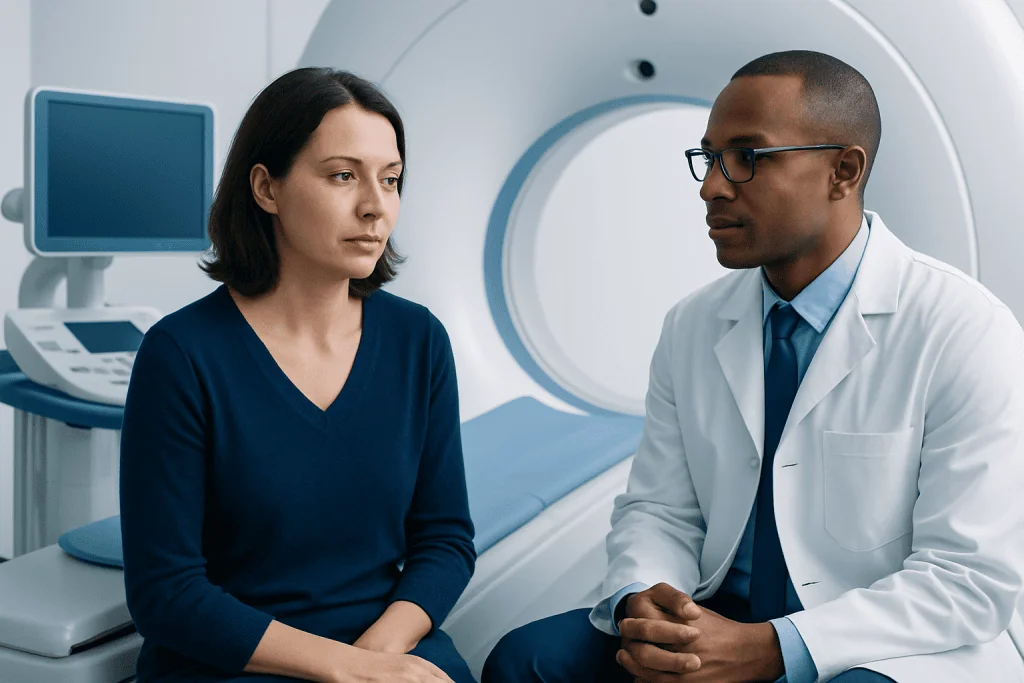
Core beliefs work in the background of the mind. They often influence automatic thoughts, which are the quick interpretations a person has in response to situations. For example, if someone holds a core belief of “I am inadequate,” a small mistake at work may trigger thoughts such as “I always fail” or “Everyone will notice I am not competent.”
These automatic thoughts can then affect emotions and behavior. A person may feel shame, anxiety, sadness, or anger, and may respond by avoiding challenges, withdrawing from others, overworking, or seeking constant reassurance. Over time, these patterns can reinforce the original belief, creating a cycle that is hard to break without awareness and support.
Common areas where core beliefs tend to cluster include:
- Self-worth: beliefs about being lovable, competent, or worthy
- Safety: beliefs about whether the world is secure or threatening
- Trust: beliefs about whether other people are reliable or harmful
- Control: beliefs about whether one can cope, influence outcomes, or tolerate uncertainty
Common signs of unhelpful core beliefs

Unhelpful core beliefs are not diagnosed by a blood test or scan. Instead, they are recognized through patterns in thinking, emotional responses, and behavior. A person may notice that the same painful conclusions appear again and again, even in different situations and relationships.
Possible signs include harsh self-criticism, frequent guilt or shame, difficulty accepting compliments, fear of rejection, perfectionism, people-pleasing, or a strong tendency to expect the worst. Some people become very avoidant, while others become overly driven or self-protective. Both responses can be linked to underlying beliefs such as “I am unsafe,” “I do not matter,” or “I must never make mistakes.”
Negative core beliefs may also be seen alongside mental health concerns such as depression or anxiety, although having a negative belief pattern does not always mean a person has a mental health disorder. The key issue is whether these beliefs cause persistent distress or make daily life more difficult.
Why core beliefs develop: causes and risk factors
Core beliefs usually develop through repeated experiences rather than one single event. Early family relationships, school experiences, cultural messages, peer interactions, and major life stresses can all play a role. A child who receives consistent support may develop beliefs such as “I can cope” or “I am valued,” while repeated criticism or instability may contribute to more negative beliefs.
Risk factors for unhelpful core beliefs can include emotional neglect, bullying, traumatic experiences, chronic stress, difficult relationships, or long periods of feeling excluded or unsafe. Perfectionistic environments may also contribute to beliefs centered on failure or conditional worth. In some cases, symptoms of obsessive-compulsive disorder or other mental health conditions can interact with these beliefs and make them feel stronger.
Temperament may matter as well. Some people are naturally more sensitive to stress or more likely to dwell on negative events. This does not mean the beliefs are fixed. The brain remains capable of learning new patterns, especially when a person gains insight, practices new skills, and receives appropriate support.
How professionals assess core beliefs
There is no single standalone medical test for core beliefs. Assessment usually happens through a thoughtful clinical conversation with a psychologist, psychiatrist, or other qualified mental health professional. The clinician may ask about recurring thoughts, emotional triggers, relationships, coping patterns, and important life experiences.
Structured questionnaires may be used to evaluate mood, anxiety, trauma symptoms, or personality patterns. These tools do not label a person as “good” or “bad.” Instead, they help clarify how someone thinks and feels, and whether certain belief patterns may be contributing to distress.
The assessment may also explore whether symptoms are linked to conditions that can benefit from targeted care, including psychiatric evaluation and treatment when needed. The goal is not to criticize a person’s beliefs, but to understand how they formed and whether they are still serving a healthy purpose.
Evidence-based treatment options
When core beliefs are causing suffering, treatment usually focuses on identifying them, testing whether they are accurate, and building more balanced alternatives. One of the best-known approaches is cognitive behavioral therapy, which helps people notice links between situations, thoughts, emotions, and behaviors. Over time, this can reduce the power of rigid negative beliefs.
Other helpful therapies may include schema-focused therapy, trauma-informed therapy, acceptance and commitment therapy, or supportive psychotherapy. If past trauma is an important part of the picture, treatment may also address emotional safety, body-based stress responses, and relationship patterns before directly challenging beliefs. In some situations, treatment for post-traumatic stress disorder may be relevant.
Medication does not directly erase core beliefs, but it may help when symptoms such as severe anxiety, depression, or insomnia make therapy harder to engage in. A clinician may recommend a combined approach if symptoms are significant. In selected cases, psychotherapy works best alongside broader mental health care and practical support in daily life.
At the end of treatment, the aim is not to force positive thinking. The goal is a more realistic, compassionate, and flexible way of viewing the self and the world. Acibadem International’s multidisciplinary specialists in JCI-accredited hospitals also evaluate and treat mental health concerns affecting international patients when this level of care is needed.
Self-help strategies and prevention
People can begin working with core beliefs in everyday life, especially when symptoms are mild. A useful first step is noticing repeated phrases in the mind, such as “I always ruin things” or “No one can be trusted.” Writing these thoughts down can help reveal patterns that are easy to miss in the moment.
Journaling, mindfulness, and self-compassion practices may help create distance from automatic thoughts. Some people benefit from asking simple questions: “What is the evidence for this belief?” “Is there another explanation?” and “Would I say this to a friend?” These techniques do not replace therapy, but they can support healthier thinking.
Helpful protective habits include:
- Maintaining regular sleep, movement, and balanced meals
- Building supportive relationships and reducing isolation
- Setting realistic goals instead of perfectionistic standards
- Limiting repeated exposure to highly critical or harmful environments
- Seeking early support when stress, trauma, or major loss occurs
Prevention is not about never having negative thoughts. It is about developing flexibility, emotional awareness, and healthier ways to interpret setbacks. Over time, repeated balanced experiences can help strengthen more adaptive core beliefs.
When to seek medical care
It is reasonable to seek professional help if negative core beliefs are persistent, feel overwhelming, or start affecting work, school, sleep, eating, concentration, or relationships. Care is also important if a person notices ongoing anxiety, low mood, panic symptoms, trauma reactions, or patterns of self-isolation and hopelessness.
A person should seek urgent help right away if they are having thoughts of self-harm, suicide, or harming others, or if they feel unable to stay safe. Emergency services, a crisis line, or immediate medical evaluation may be needed in these situations. Prompt support can be lifesaving and is an important part of mental healthcare.
Even when symptoms are not urgent, early assessment can be helpful. A qualified doctor or mental health professional can determine whether core beliefs are part of a temporary stress response or linked to a condition that may benefit from structured treatment.
Frequently asked questions
Are core beliefs the same as personality?
No. Core beliefs are important parts of how a person interprets themselves and the world, but they are not the whole of personality. They can change over time, especially with insight, therapy, and healthier experiences.
Can core beliefs be positive as well as negative?
Yes. Some core beliefs are protective and realistic, such as believing that one can learn from mistakes or seek help when needed. Difficulties usually arise when beliefs become rigid, highly self-critical, or disconnected from evidence.
How long does it take to change core beliefs?
This varies from person to person. Mild patterns may improve with self-reflection and short-term therapy, while long-standing beliefs linked to trauma or chronic stress may take longer. Progress is often gradual and built through repeated practice.
Do negative core beliefs mean someone has a mental illness?
Not necessarily. Many people have some unhelpful beliefs at times, especially during stress. A mental health condition is more likely to be considered when symptoms are persistent, distressing, and interfere with daily functioning.
Can children and teenagers develop core beliefs too?
Yes. Core beliefs often begin forming early in life through family experiences, school, friendships, and life events. Supportive adults, emotional safety, and early intervention can help young people build healthier beliefs.
Is therapy always needed for core beliefs?
Not always. Some people can improve with self-help strategies, supportive relationships, and stress reduction when difficulties are mild. However, therapy is often helpful when beliefs are deeply rooted, linked to trauma, or causing anxiety, depression, or relationship problems.
References
- National Institute of Mental Health
- American Psychological Association
- National Health Service
- World Health Organization
This article is for general information only and is not a substitute for professional medical advice. Please consult a qualified doctor about your individual situation.
Explore treatments in Turkey — costs, top hospitals & a free quote
JCI-accredited · board-certified surgeons · reply within 24h

More from the Health Library



Related Specialists

Atilla Murat Ünver
Physical Medicine & Rehabilitation
Dr. Sinem Keskin Kayalar
Anesthesiology
Dr. Uygar Cenik
Pulmonology
Prof. Dr. Berrin Karadağ
Internal Medicine