Empty Nose Syndrome: Diagnosis, Outlook, and Modern Treatment Approaches

Empty nose syndrome is uncommon but can occur after turbinate or other nasal surgery. Typical symptoms include a feeling of blocked breathing, dryness, crusting, and a sense that airflow is abnormal.
Key Takeaways
- Empty nose syndrome is uncommon but can occur after turbinate or other nasal surgery.
- Typical symptoms include a feeling of blocked breathing, dryness, crusting, and a sense that airflow is abnormal.
- Diagnosis is based on symptoms, medical history, nasal examination, and sometimes specialized tests.
- Treatment often combines humidification, symptom relief, and carefully selected reconstructive procedures in some patients.
- Persistent symptoms after nasal surgery should be assessed by an ear, nose, and throat specialist.
Empty nose syndrome is a rare condition that may develop after nasal surgery, especially when turbinate tissue has been reduced or removed. It can cause a troubling sense of poor airflow, dryness, and nasal discomfort even when the nasal passages look open on examination.
Overview: What Is Empty Nose Syndrome?
Empty nose syndrome is a rare, often complex condition that can appear after surgery inside the nose. It is most often discussed after procedures involving the turbinates, which are normal structures that help warm, humidify, and regulate airflow. In empty nose syndrome, a person may feel unable to breathe comfortably through the nose even when the airway seems wide open.
This mismatch between what the patient feels and what a routine exam may show is one reason the condition can be difficult to recognize. People may describe a sensation of suffocation, excessive openness, burning, or dryness rather than classic nasal blockage. The symptoms are real and can affect sleep, concentration, and daily comfort.
Not everyone who has turbinate surgery develops empty nose syndrome. In fact, many nasal operations are safe and helpful when properly planned. The condition is considered uncommon, but awareness has grown because modern care aims to preserve nasal function, not only widen the airway.
How the Nose Normally Works
To understand empty nose syndrome, it helps to know the role of the turbinates. These curved structures on the side walls of the nose are covered by delicate tissue rich in blood vessels and nerves. They help filter particles, adjust air temperature, add moisture, and create a normal sensation of airflow.
The nose is not simply an empty tube. Healthy nasal breathing depends on the right balance of space, airflow resistance, humidity, and sensory feedback to the brain. If too much turbinate tissue is altered, airflow patterns can change and the nose may no longer condition air effectively.
For some patients, this may contribute to symptoms such as dryness, crusting, and a paradoxical feeling of obstruction. Conditions such as a deviated septum can also affect nasal airflow, which is why a careful evaluation is important before attributing symptoms to one cause alone.
Symptoms and Everyday Impact

Symptoms of empty nose syndrome vary from person to person. A common complaint is the feeling that breathing is difficult or unsatisfying despite a seemingly open nose. Some people say they cannot feel air moving normally, while others feel too much cold or dry air entering the nose.
Additional symptoms may include dryness, crusting, burning, nasal pain or irritation, thick mucus, reduced tolerance for dry environments, and disturbed sleep. Some patients also notice headaches, fatigue, or trouble focusing. Because breathing discomfort can be constant, emotional strain and anxiety may develop alongside the nasal symptoms.
Symptoms often overlap with other nasal conditions, which is why specialist assessment matters. Problems such as chronic sinus inflammation, previous septal surgery, or sinusitis may contribute to similar complaints or exist at the same time.
- Paradoxical nasal obstruction, or feeling blocked despite an open airway
- Dryness, crusting, and irritation inside the nose
- Abnormal sensation of airflow or “too much air”
- Breathing discomfort that may worsen in dry or air-conditioned spaces
- Sleep disruption, reduced quality of life, and emotional distress
Causes and Risk Factors
Empty nose syndrome is most strongly associated with prior surgery on the turbinates, particularly if a large amount of tissue was removed. The exact cause is likely multifactorial. Experts believe symptoms may relate to altered airflow dynamics, loss of humidification, and changes in the nerve signals that normally help the brain sense nasal breathing.
Risk may depend on the type and extent of surgery, the amount of turbinate tissue preserved, healing patterns, and individual differences in nasal anatomy and nerve sensitivity. It is not fully predictable, which is one reason modern surgical techniques generally aim to preserve as much healthy function as possible.
Other factors can worsen symptoms after surgery, including dry climate, smoking, chronic inflammation, infection, allergies, and underlying anxiety or sleep problems. These do not necessarily cause empty nose syndrome by themselves, but they may intensify symptoms or make recovery more difficult.
How Empty Nose Syndrome Is Diagnosed
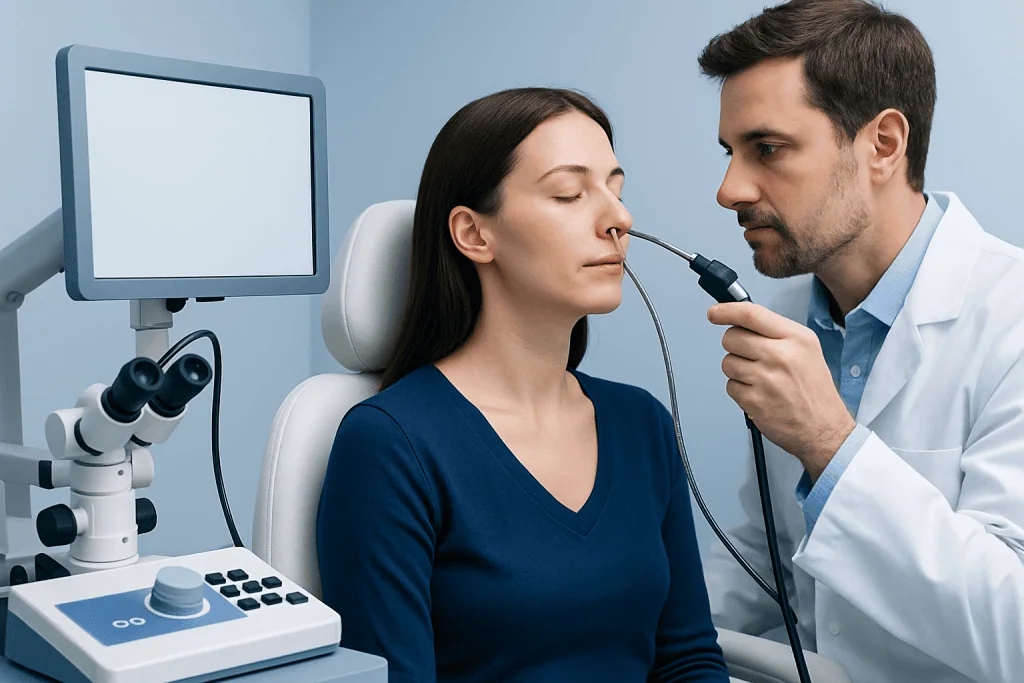
There is no single test that confirms empty nose syndrome in every patient. Diagnosis usually begins with a detailed history, especially prior nasal surgeries, the timing of symptoms, and how breathing feels in different environments. An ear, nose, and throat specialist will examine the nose carefully, often using endoscopy to assess the nasal lining, turbinate anatomy, crusting, scarring, and airflow space.
Because symptoms can be out of proportion to what is seen on exam, the clinician may use symptom questionnaires and sometimes imaging such as CT scans to look for other structural causes. The goal is to rule out other explanations, including septal problems, chronic sinus disease, infection, persistent inflammation, or nasal valve collapse.
Some specialists use office-based methods such as a “cotton test,” in which temporary material is placed in part of the nasal cavity to see whether symptoms improve when airflow is modified. This does not diagnose the condition on its own, but it may help identify patients who could benefit from reconstructive approaches. In broader assessment, tests performed during an ENT check-up can help clarify whether symptoms relate to anatomy, inflammation, or post-surgical functional changes.
Modern Treatment Approaches
Treatment is individualized and usually starts with conservative care. The main goals are to improve moisture, protect the nasal lining, reduce crusting, and optimize the way air moves through the nose. This may include saline irrigation, humidification, moisturizing gels or ointments recommended by a clinician, and treatment of contributing issues such as allergies, reflux, infection, or sleep disturbance.
Supportive care can be very important because symptoms may affect emotional well-being as well as breathing comfort. Some patients benefit from breathing-focused strategies, mental health support, or sleep evaluation as part of comprehensive management. This does not mean the symptoms are “just anxiety”; rather, difficult breathing sensations often need both physical and supportive treatment.
When symptoms are severe and linked to significant loss of turbinate tissue, reconstructive surgery may be considered in carefully selected cases. The aim is not simply to make the nose narrower, but to restore more normal airflow patterns and mucosal function. This may involve implant materials or tissue-based techniques performed by surgeons experienced in functional nasal reconstruction, sometimes alongside procedures such as septoplasty or endoscopic sinus surgery if other nasal conditions are also present.
Results vary, and treatment planning should be realistic and individualized. A structured evaluation helps identify which symptoms may respond to conservative measures and which may require procedural options.
Self-Care, Prevention, and Outlook
Self-care does not replace medical treatment, but it can reduce day-to-day discomfort. Many patients feel better when they avoid overly dry air, use room humidifiers when appropriate, stay well hydrated, and follow a clinician-guided nasal care routine. It is important not to overuse decongestant sprays unless specifically advised, because they can worsen irritation.
Prevention begins before surgery. Modern ENT practice emphasizes careful patient selection, conservative turbinate techniques, and preservation of nasal function. Anyone considering nasal surgery should discuss the purpose of the operation, what tissue will be changed, and whether function-preserving options are available.
The outlook depends on symptom severity, the amount of tissue change, and whether other nasal problems coexist. Some patients improve with conservative therapy alone, while others need longer-term multidisciplinary care. Near the end of the treatment pathway, centers such as Acibadem International may evaluate international patients through multidisciplinary specialists in JCI-accredited hospitals when advanced diagnosis or reconstructive treatment is needed.
When to Seek Medical Care
Medical assessment is appropriate if bothersome breathing discomfort, dryness, or crusting continues after nasal surgery, especially if symptoms interfere with sleep or daily life. A specialist can help distinguish empty nose syndrome from treatable issues such as infection, inflammation, scarring, or persistent structural blockage.
Prompt care is especially important if there is frequent bleeding, fever, worsening facial pain, foul-smelling discharge, severe anxiety related to breathing, or a sudden change in symptoms. These signs do not always mean empty nose syndrome and may point to another condition that needs treatment.
If symptoms are persistent, a second opinion from an ENT surgeon with experience in functional nasal disorders may be helpful. Early, careful evaluation can guide safer treatment choices and set realistic expectations for recovery.
Frequently asked questions
Is empty nose syndrome real?
Yes. Empty nose syndrome is recognized as a rare condition that can occur after certain types of nasal surgery, especially involving the turbinates. Its symptoms may be difficult to match with routine exam findings, but the breathing discomfort and dryness patients describe are genuine.
What does empty nose syndrome feel like?
Many people describe a paradoxical feeling of nasal blockage even though the nose seems open. Others report excessive dryness, burning, crusting, or a sensation that air is moving in an unnatural way.
Can empty nose syndrome be seen on a CT scan?
A CT scan may show changes in turbinate anatomy or identify other causes of symptoms, but it does not by itself confirm empty nose syndrome. Diagnosis usually depends on symptoms, surgical history, physical examination, and exclusion of other conditions.
Can empty nose syndrome improve without surgery?
Yes, some patients improve with nonsurgical care such as humidification, saline-based nasal care, and treatment of associated inflammation or sleep issues. The best approach depends on how severe the symptoms are and whether there has been significant tissue loss.
Who is most at risk for empty nose syndrome?
People who have had prior surgery reducing or removing turbinate tissue are at the greatest risk. Even then, the condition is uncommon, and risk may vary with surgical technique, anatomy, healing, and other nasal conditions.
How is empty nose syndrome treated surgically?
Surgical treatment usually aims to restore more normal airflow and support the nasal tissues rather than simply reduce symptoms temporarily. Depending on the case, surgeons may use implants or reconstructive techniques, often after confirming that conservative treatment has not been enough.
References
- American Academy of Otolaryngology–Head and Neck Surgery
- National Institute on Deafness and Other Communication Disorders
- Cleveland Clinic
- Mayo Clinic
- Merck Manual
This article is for general information only and is not a substitute for professional medical advice. Please consult a qualified doctor about your individual situation.
Explore treatments in Turkey — costs, top hospitals & a free quote
JCI-accredited · board-certified surgeons · reply within 24h