Hypertonic Pelvic Floor — Explained by Medical Evidence, Not Myths

A hypertonic pelvic floor is caused by muscles that stay too tight or contract when they should relax. Symptoms may include pelvic pain, constipation, urinary urgency, painful sex, or difficulty emptying the bladder or bowels.
Key Takeaways
- A hypertonic pelvic floor is caused by muscles that stay too tight or contract when they should relax.
- Symptoms may include pelvic pain, constipation, urinary urgency, painful sex, or difficulty emptying the bladder or bowels.
- Diagnosis is based on medical history, physical examination, and sometimes tests to rule out other conditions.
- Treatment often centers on pelvic floor physical therapy, relaxation training, and addressing pain triggers or related conditions.
- Early evaluation can help prevent ongoing pain cycles and improve day-to-day comfort and function.
Hypertonic pelvic floor means the pelvic floor muscles are overly tense and do not relax normally. This can lead to pelvic pain, urinary, bowel, and sexual symptoms, but the condition is treatable once the pattern of muscle overactivity is identified.
What is a hypertonic pelvic floor?
A hypertonic pelvic floor is a condition in which the muscles at the base of the pelvis remain overly tight, tense, or poorly coordinated. Instead of relaxing when a person urinates, has a bowel movement, or during sexual activity, these muscles may stay contracted or tighten at the wrong time. This can create a wide range of symptoms, including pain, pressure, urinary problems, constipation, and discomfort with intimacy.
The pelvic floor supports the bladder, bowel, and reproductive organs. It also helps control urination and bowel movements. Many people assume pelvic floor problems always mean weakness, but medical evidence shows that some symptoms come from too much tension rather than too little strength. In this way, a hypertonic pelvic floor differs from other forms of pelvic floor disorders that involve laxity or organ prolapse.
This condition can affect women and men, although it is often discussed more in women’s health. It may occur on its own or alongside chronic pelvic pain, bladder pain, endometriosis, irritable bowel symptoms, childbirth-related changes, or stress-related muscle guarding. With proper assessment, many people improve through non-surgical treatment and guided rehabilitation.
Common symptoms and how they may feel
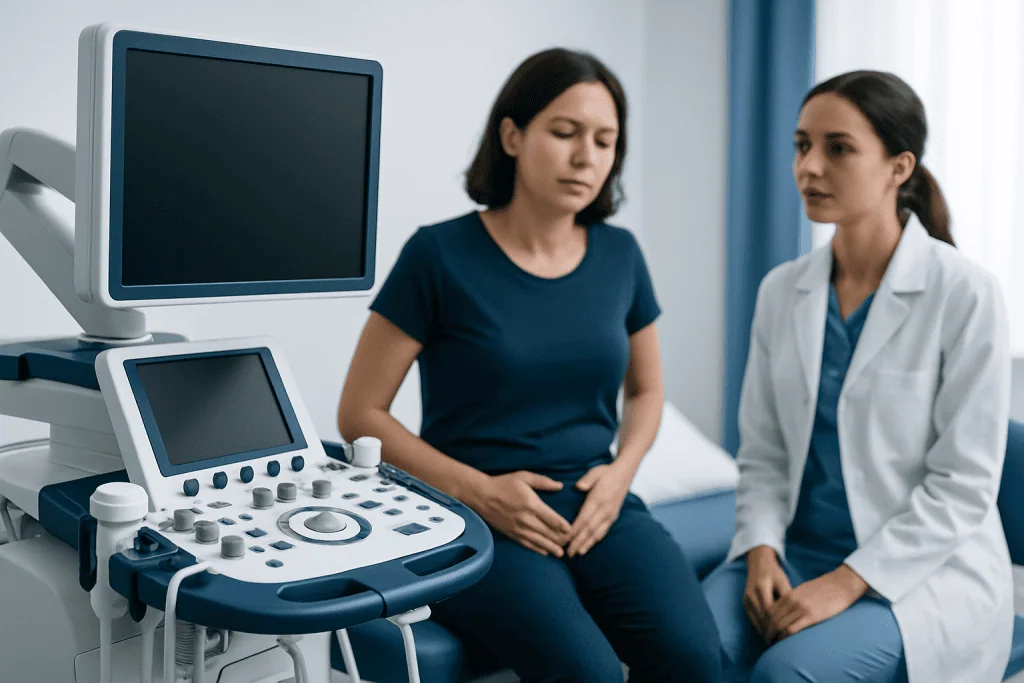
Symptoms of a hypertonic pelvic floor vary from person to person. Some people mainly notice pain, while others are more affected by bladder or bowel symptoms. The pattern often reflects muscles that cannot fully let go.
Common symptoms can include:
- Pelvic pain, pressure, aching, or a feeling of heaviness
- Pain in the lower abdomen, hips, buttocks, tailbone, or inner thighs
- Urinary urgency, frequency, hesitancy, or burning without infection
- Difficulty starting urination or feeling that the bladder does not empty completely
- Constipation or straining with bowel movements
- Feeling of incomplete bowel emptying
- Pain during or after sexual activity
- Pain with tampon insertion or pelvic examinations
Symptoms may come and go or worsen during times of stress, prolonged sitting, exercise, menstruation, or after a painful illness in the pelvic area. Some people describe a cycle in which pain leads to muscle guarding, and guarding then increases pain further. Because these symptoms overlap with urologic, gynecologic, gastrointestinal, and musculoskeletal conditions, a careful medical evaluation is important.
In some cases, a hypertonic pelvic floor may coexist with conditions such as endometriosis or recurrent bladder discomfort. The presence of one condition does not automatically explain all symptoms, which is why a broad, evidence-based assessment is valuable.
Why it happens: causes and risk factors

There is rarely a single cause. A hypertonic pelvic floor usually develops through a combination of muscle overuse, pain responses, stress, and learned movement patterns. The pelvic floor can tighten as a protective reaction when the body anticipates pain or strain.
Possible contributing factors include:
- Chronic stress, anxiety, or habitual body tension
- Pelvic, abdominal, or low back pain
- Past urinary tract, bladder, bowel, or gynecologic pain
- Childbirth, pelvic surgery, or medical procedures
- Trauma or injury involving the pelvis, hips, or spine
- High-impact exercise or repeated straining
- Chronic constipation
- Painful intercourse or fear of pain with penetration
Related pain conditions may also play a role. For example, people with interstitial cystitis or bladder pain syndrome can develop guarding in the pelvic floor because the muscles stay on alert. Similarly, persistent bowel symptoms or hip and back dysfunction may change the way a person moves and relaxes.
It is also important to understand what does not cause the condition. A hypertonic pelvic floor is not simply a result of doing too many pelvic floor exercises, and it is not “all in the mind.” Stress can contribute, but the muscle tension and pain are real physical patterns that deserve proper care.
How doctors diagnose it
Diagnosis starts with a detailed discussion of symptoms, timing, medical history, and factors that make symptoms better or worse. A clinician may ask about urination, bowel habits, sexual pain, pregnancy and childbirth history, previous infections, surgeries, back or hip pain, and stress patterns. Because symptoms overlap with many other disorders, the goal is not only to identify pelvic floor tension but also to rule out infections, structural problems, or inflammatory disease.
A physical examination may include assessment of posture, breathing pattern, abdominal wall tension, hips, lower back, and the pelvic floor muscles themselves. During an internal or external pelvic exam, a trained clinician can check for muscle tenderness, trigger points, the ability to contract, and especially the ability to relax. In many people with hypertonicity, the key finding is poor relaxation rather than weakness.
Additional testing is sometimes needed depending on symptoms. Urine tests may exclude infection; imaging may be used if another pelvic condition is suspected; and specialized bladder or bowel testing may be recommended in selected cases. When symptoms are persistent or complex, doctors may coordinate care across gynecology, urology, colorectal care, pain medicine, or rehabilitation.
Pelvic floor assessment is often part of a broader approach to urogynecology evaluation or urology care when bladder, pelvic pain, or pelvic support symptoms overlap. A clear diagnosis helps avoid unnecessary treatments and guides the most effective next steps.
Treatment options supported by medical evidence
Treatment aims to reduce muscle overactivity, calm pain pathways, and restore normal function. Unlike treatment for weak pelvic floor muscles, the first goal is usually relaxation and coordination, not strengthening. Many people improve with conservative, non-surgical care.
Pelvic floor physical therapy is often the main treatment. A specially trained therapist may use education, breathing retraining, gentle manual therapy, posture and hip work, relaxation strategies, and exercises that teach the muscles how to lengthen and let go. Home techniques may include stretches, heat, bowel habit training, and strategies to avoid straining. In selected cases, guided physical therapy and rehabilitation can also address related back, hip, and core problems that keep the pelvic floor tense.
Doctors may also treat contributing conditions such as constipation, painful bladder symptoms, endometriosis, vulvar pain, or chronic pelvic pain. Some patients benefit from medications aimed at pain modulation or muscle relaxation, depending on the clinical picture. Behavioral support, stress management, and trauma-informed care can be important when the nervous system is amplifying muscle guarding.
Procedures are not the starting point for most patients, but they may be considered in carefully selected situations. If symptoms are driven by another gynecologic condition, evaluation by specialists in gynecology care may be helpful. The most effective plan is individualized and usually combines symptom relief with retraining of the pelvic floor rather than relying on one single therapy.
Self-care and daily habits that may help
Self-care does not replace medical assessment, but it can support recovery. The guiding principle is to reduce unnecessary tension rather than pushing through symptoms. Many people feel better when they focus on relaxation, comfortable movement, and bowel and bladder habits that avoid strain.
Helpful daily measures may include:
- Practicing slow diaphragmatic breathing
- Avoiding repeated straining during bowel movements
- Managing constipation with fluids, fiber, and medical advice when needed
- Taking breaks from prolonged sitting
- Using gentle stretching or heat if recommended by a clinician
- Not doing Kegel exercises unless a professional specifically advises them
- Paying attention to jaw, abdominal, and hip tension, which can accompany pelvic floor tightening
It can also help to identify triggers. Some people notice flare-ups after intense workouts, stressful periods, or painful intercourse. Tracking symptoms in relation to activities, meals, bowel habits, or the menstrual cycle may make patterns easier to discuss with a doctor or therapist.
People should be cautious about self-diagnosing based on social media or assuming all pelvic pain is caused by muscle tightness. Symptoms that seem muscular can overlap with infections, gastrointestinal disease, gynecologic disorders, or nerve-related pain. Professional guidance keeps care safe and targeted.
When to seek medical care
Medical care is appropriate if pelvic, urinary, bowel, or sexual symptoms are persistent, painful, or affecting daily life. A person should also seek evaluation if they have repeated feelings of incomplete emptying, ongoing constipation despite self-care, or pain that interferes with exercise, work, sleep, or intimacy.
Prompt medical attention is especially important if symptoms are new and severe, if there is fever, visible blood in the urine or stool, unexplained weight loss, significant vaginal bleeding, sudden inability to pass urine, or severe abdominal pain. These features may point to a problem other than a hypertonic pelvic floor and should not be ignored.
People with complex symptoms often benefit from multidisciplinary care. Near the end of the care pathway, some patients may choose centers experienced in coordinated assessment; Acibadem International’s multidisciplinary specialists and JCI-accredited hospitals diagnose and treat pelvic floor-related conditions for international patients. The most important step, however, is timely evaluation by a qualified clinician who can identify the true source of symptoms and recommend appropriate treatment.
Frequently asked questions
Is a hypertonic pelvic floor the same as a weak pelvic floor?
No. A hypertonic pelvic floor means the muscles are too tight or do not relax properly, while a weak pelvic floor means the muscles may not provide enough support or control. Some people can have elements of both, which is why a professional assessment is helpful.
Can a hypertonic pelvic floor cause urinary symptoms?
Yes. Overly tight pelvic floor muscles can contribute to urgency, frequency, difficulty starting urination, or a feeling of incomplete bladder emptying. These symptoms can resemble other bladder conditions, so a doctor may need to rule out infection or other causes.
Does Kegel exercise help a hypertonic pelvic floor?
Not always, and sometimes it can make symptoms worse if the muscles are already too tense. Many patients need relaxation and coordination training first rather than strengthening. A pelvic floor specialist can advise when any strengthening exercise is appropriate.
Can men have a hypertonic pelvic floor?
Yes. Men can develop pelvic floor muscle overactivity and may have pelvic pain, urinary symptoms, constipation, or discomfort with ejaculation. The underlying principles of diagnosis and treatment are similar, although the symptom pattern may differ.
How long does treatment usually take?
Recovery time varies depending on symptom duration, contributing conditions, stress levels, and how consistently treatment is followed. Some people notice improvement within weeks, while others need a longer rehabilitation period. Regular follow-up helps adjust the plan as symptoms change.
Can stress really affect the pelvic floor?
Yes. Stress does not mean symptoms are imagined, but it can increase muscle tension and keep the nervous system in a protective state. For some patients, combining physical treatment with relaxation techniques or psychological support improves results.
References
- American College of Obstetricians and Gynecologists
- National Institute of Diabetes and Digestive and Kidney Diseases
- International Continence Society
- American Urological Association
- National Health Service
This article is for general information only and is not a substitute for professional medical advice. Please consult a qualified doctor about your individual situation.
Persistent digestive symptoms? Get evaluated in Turkey
JCI-accredited · board-certified surgeons · reply within 24h